India · State of Bihar
Where to Stay in Muzaffarpur, State of Bihar
Muzaffarpur stands on the Burhi Gandak River in the Mithila region of Bihar, headquarters of the Tirhut division and the lychee capital of India.
Hotel links are affiliate links: booking through them may earn us a commission, at no extra cost to you. It never affects how places are ranked. How this works


Where to stay in Muzaffarpur
The practical side of choosing where to sleep.
The Burhi Gandak sets the town's shape. Muzaffarpur grew along its banks, and the older commercial streets running back from the water hold most of the beds a visitor will actually find, close to the markets, the schools and the offices that come with being a headquarters for the Tirhut division and Muzaffarpur district at the same time. Rooms there are functional rather than scenic.
You want this side if the reason for the trip is business, a college, or a train onward. Out towards the orchards the town loosens. Lychee groves ring Muzaffarpur at the district's edges, and the roads leading out through them carry quieter guesthouses that suit anyone travelling by car rather than arriving by rail.
The trade-off is distance. Muzaffarpur district and the Tirhut division both run their business from the city, so weekday beds fill faster than weekend ones. Nothing here works as a resort, and the honest advice is to choose a room by its nearness to whatever brought you to Muzaffarpur, because the gap between the river streets and the outer roads is wider than a map suggests.
Find hotels in Muzaffarpur
Direct booking searches for these neighbourhoods.
The Burhi Gandak streets
Older commercial lanes running back from the Burhi Gandak River, with the markets on the doorstepFind hotels in The Burhi Gandak streetsDrivers who would rather sleep out among the lychee grovesThe orchard roads
Quieter guesthouses on the roads leading out through the lychee orchards at the edge of Muzaffarpur district. Rooms are few around here — worth securing early.Find hotels in The orchard roadsHotel links are affiliate links: booking through them may earn us a commission, at no extra cost to you. It never affects how places are ranked. How this works
About Muzaffarpur
Lychees carry the name.
What is Muzaffarpur known for?
Orchards around Muzaffarpur have earned it the title of lychee capital of the country, an epithet that travels further across India than anything else about the place. Trade came first, though. The city has long stood as one of the older commercial and educational centres of Bihar, with schools and markets that pull people in from across the Mithila region.
What are the main landmarks in Muzaffarpur?
There is no flagship monument to build a day around. Muzaffarpur spreads its interest instead across historical sites, temples and smaller monuments scattered through the old commercial quarters, none of them carrying the pull of a headline ruin. The Burhi Gandak River is the constant.
Its banks anchor the city, and the orchards of the Tirhut division stand in for the set-piece sights a traveller might otherwise chase.
What is the history of Muzaffarpur?
The record gives 1875. That year marks the founding of Muzaffarpur as a constituted town, though the Mithila region around it had been settled and farmed for very much longer than any municipal paperwork can show. Tirhut is the older name.
The division still carries it, and the city inherited both the label and the administrative weight that comes with a divisional headquarters. Muzaffarpur has never been a capital, and its rise came from position rather than from any court, the river, the roads out across Bihar, and the produce of the plain around it. Two roles have shaped the modern city.
Muzaffarpur serves as the administrative headquarters of both the Tirhut division and Muzaffarpur district, which put courts, offices and schools into the same few streets and made the place one of the oldest commercial and educational centres in Bihar. The orchards did the rest. Lychee growing spread through the surrounding country until the crop became the city's signature across India, and that trade runs alongside the older commerce and schooling which first drew people to the banks of the Burhi Gandak River.
Where is Muzaffarpur?
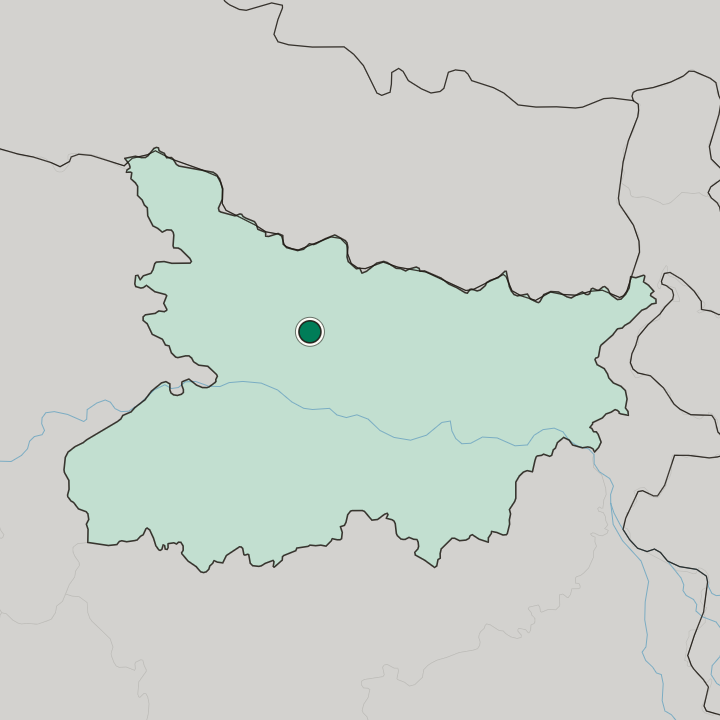
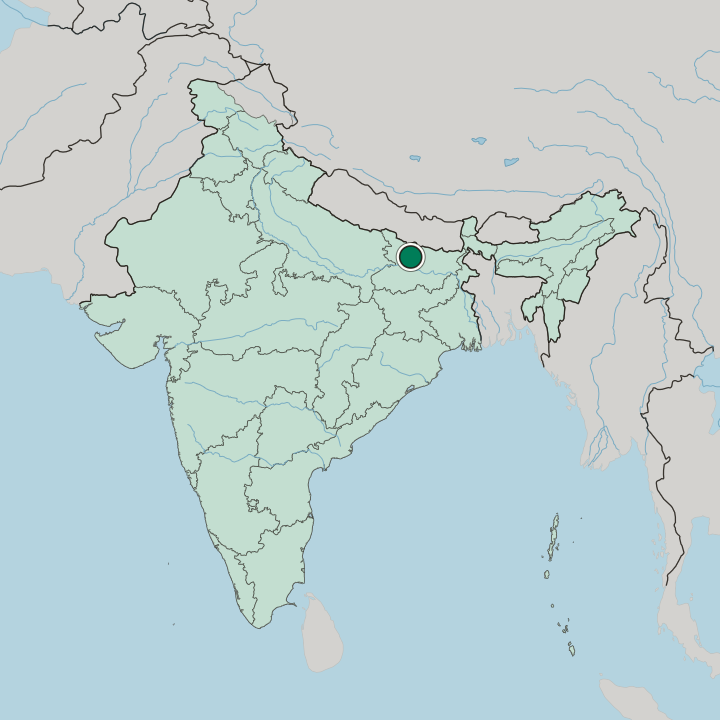
Muzaffarpur sits on the banks of the Burhi Gandak River, in the Mithila region of Bihar. Its municipal area covers something like 36 square kilometres of flat, low-lying ground, the kind of country that grows fruit well and offers a walker no gradient whatsoever. Orchards begin where the streets stop.
The Tirhut division spreads around the city across the same plain, without a hill or a coast anywhere within reach.
What is the climate of Muzaffarpur?
Summer here belongs to the monsoon. Rain swells the Burhi Gandak River through the wet months, the lychee orchards take their fill of it, and the plain stays humid until the season breaks and cooler, drier air settles over the Mithila region. Winters are short and mild.
Heat builds again across the weeks before the rains, when the subtropical position of Muzaffarpur shows itself most plainly.
How do you get to Muzaffarpur?
Rail does most of the work. Muzaffarpur sits on the routes that cross Bihar, and as headquarters of the Tirhut division it is tied by road to the district towns of the Mithila region in every direction. Arrivals are almost all overland.
Nothing about the approach is scenic, and the last stretch runs through orchard country before dropping into the commercial streets beside the Burhi Gandak River.
Common questions
What is the best area to stay in Muzaffarpur?
The Burhi Gandak streets: Trips built around the Tirhut division offices and the schools. The orchard roads: Drivers who would rather sleep out among the lychee groves.
More cities in State of Bihar
Updated September 2026