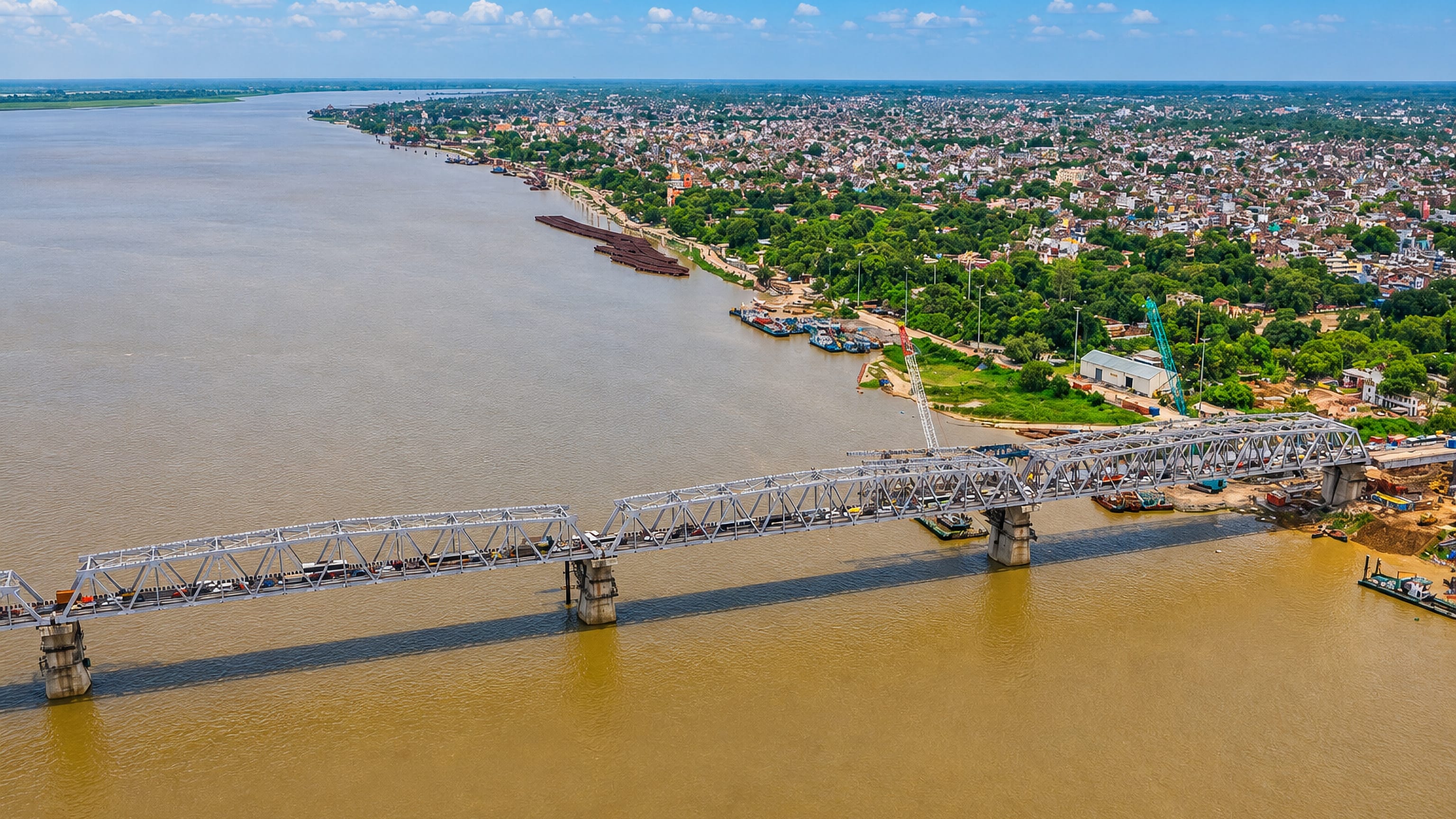
India · State of Bihar
Where to Stay in Patna, State of Bihar
Patna is the capital city of Bihar, India, a long-settled centre of the state marked by its museums and old quarters.
Hotel links are affiliate links: booking through them may earn us a commission, at no extra cost to you. It never affects how places are ranked. How this works


Where to stay in Patna
The practical side of choosing where to sleep.
Patna keeps its lodging in and around its central quarters, close to the museums and civic halls of the Bihar capital. The central quarters make the easiest first base. Its beds sit within reach of the Patna Museum, the Bihar Museum and the Indira Gandhi Planetarium, a workable base for a traveller who wants the institutions of the city within short reach rather than a spread of outer suburbs.
Stay near the middle for the shortest daily reach. The older quarters run denser and more historic, near sites like Padri Ki Haveli and Bulandi Bagh. They hold the city's deep past.
A traveller drawn to that layer, and to the halls of the Bhartiya Nritya Kala Mandir, the Rajendra Smriti Sangrahalaya and the Gandhi Smriti Sangrahalaya, finds the historic core the more atmospheric base, though beds cluster most thickly through the central belt of this Bihar city.
Find hotels in Patna
Direct booking searches for these neighbourhoods.
Central Patna
the institutional core of the Bihar capital, keeping the planetarium and the state museums within short reach of the bedsFind hotels in Central Patnaold sites near Padri Ki Haveli and Bulandi BaghHistoric quarters
the dense older parts of Patna holding the city's deep past and the halls of the Bhartiya Nritya Kala Mandir and Rajendra Smriti Sangrahalaya. Few places to stay nearby — book ahead.Find hotels in Historic quartersHotel links are affiliate links: booking through them may earn us a commission, at no extra cost to you. It never affects how places are ranked. How this works
Things to do in Patna
Ranked by global recognition; descriptions from Wikidata (CC0).
Museums & Galleries
3- Patna Museum
- Bihar Museum
- Indira Gandhi Planetarium
Churches & Religious Sites
1- Padri Ki Haveli
Castles & Historic Sites
1- Bulandi Bagh
Stadiums & Sports
1- Patliputra Sports Complex
worth knowingacross 4 categories in Patna
About Patna
What is Patna known for?
Patna is known as the capital of Bihar and the state's principal cultural centre. Its museums lead the draw. The Patna Museum and the Bihar Museum hold its collections, the Indira Gandhi Planetarium and the Shrikrishna Science Centre mark its civic institutions, and old sites like Bulandi Bagh reach back into the city's deep past.
History and learning carry its name.
What are the main landmarks in Patna?
Patna's landmarks run to museums, memorial halls and old sites. The Patna Museum and the Bihar Museum lead them, alongside the Indira Gandhi Planetarium, the Shrikrishna Science Centre and the Sinha Library. Memorial halls like the Gandhi Smriti Sangrahalaya, the Rajendra Smriti Sangrahalaya and the Bhartiya Nritya Kala Mandir sit among older sites such as Bulandi Bagh, Padri Ki Haveli and the Patliputra Sports Complex across this Bihar city.
Learning and memory fill the roll.
What is the history of Patna?
Patna is a long-settled capital of Bihar, and its deep past surfaces at sites like Bulandi Bagh. The settlement predates the record that describes it. Excavated remains such as those at Bulandi Bagh reach back into the city's earliest layers, and the Patliputra Sports Complex still carries in its name the ancient toponym by which the settlement was long known across the span of Bihar history.
The city grew into the administrative and cultural centre of the state, its role recorded in the Patna Museum and the Bihar Museum and its memory kept in halls like the Gandhi Smriti Sangrahalaya and the Rajendra Smriti Sangrahalaya. Its standing held through the centuries. Patna carried forward as the capital of Bihar, its identity resting on that long continuity of settlement rather than on a single dated founding on record.
Where is Patna?
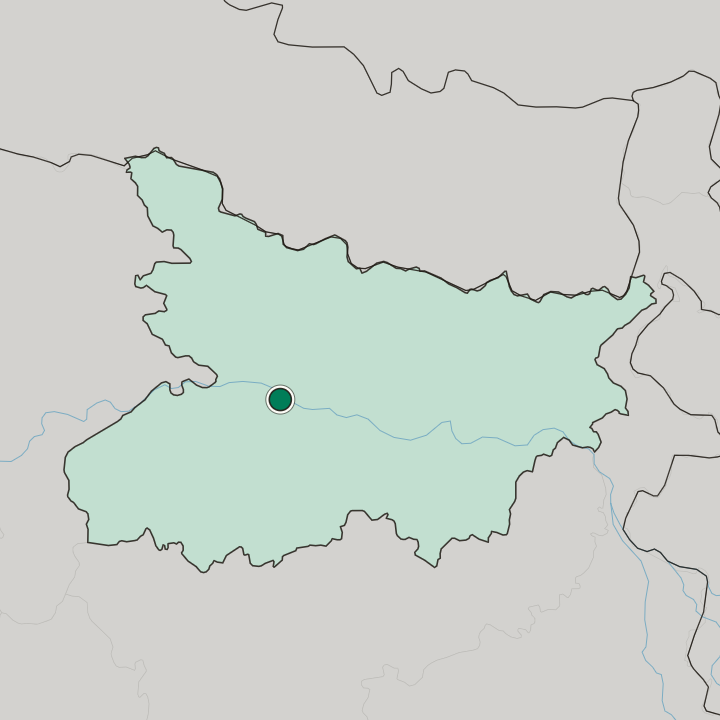
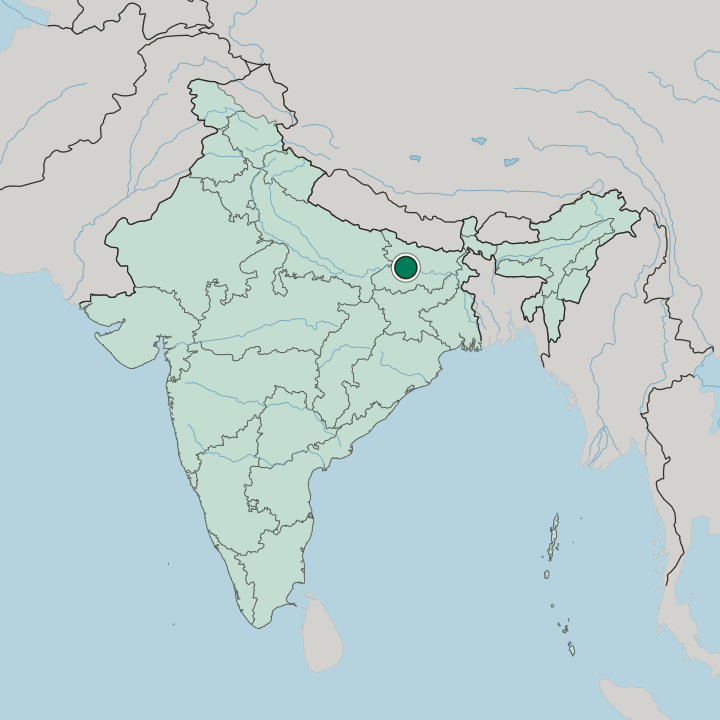
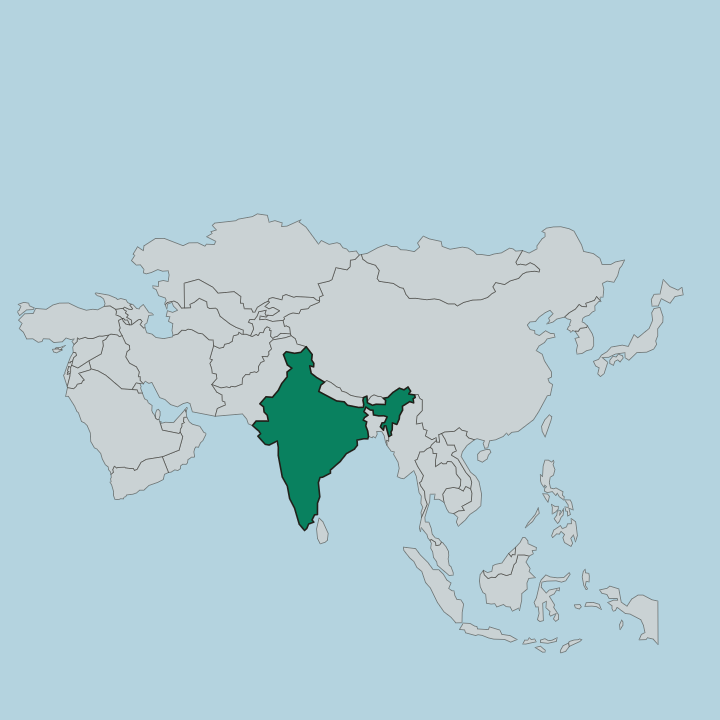
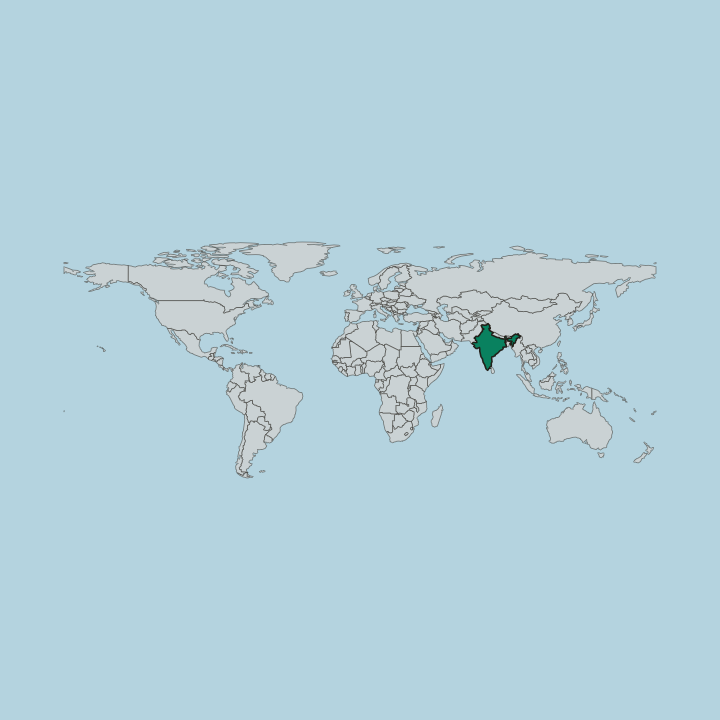
Patna lies within Bihar, in the wider country of India. It is the state's capital on the northern plains. The city spreads across low, level ground, the flat terrain of interior Bihar framing its quarters, and the surrounding country of India runs on beyond it.
Its setting is river-plain country, not hill or coast.
What is the climate of Patna?
Patna has the warm plains climate of interior Bihar. Summer heat bears down hard on the Bihar plains. A monsoon season brings the year's rain to the northern plains, and the dry months turn warm and clear once the rains withdraw across this part of India.
Its weather follows the wider plains pattern.
How do you get to Patna?
Patna is reached as the capital hub of Bihar. Rail and road carry most arrivals. The city links through the state network to the rest of Bihar and the wider country of India, its plains position meaning approach comes overland across level ground.
Travel in follows the state's road and rail lines.
Common questions
What is the best area to stay in Patna?
Central Patna: a first base near the Patna Museum and Bihar Museum. Historic quarters: old sites near Padri Ki Haveli and Bulandi Bagh.
Good for
More cities in State of Bihar
Updated September 2026