India · State of Bihar
Where to Stay in Katihar, State of Bihar
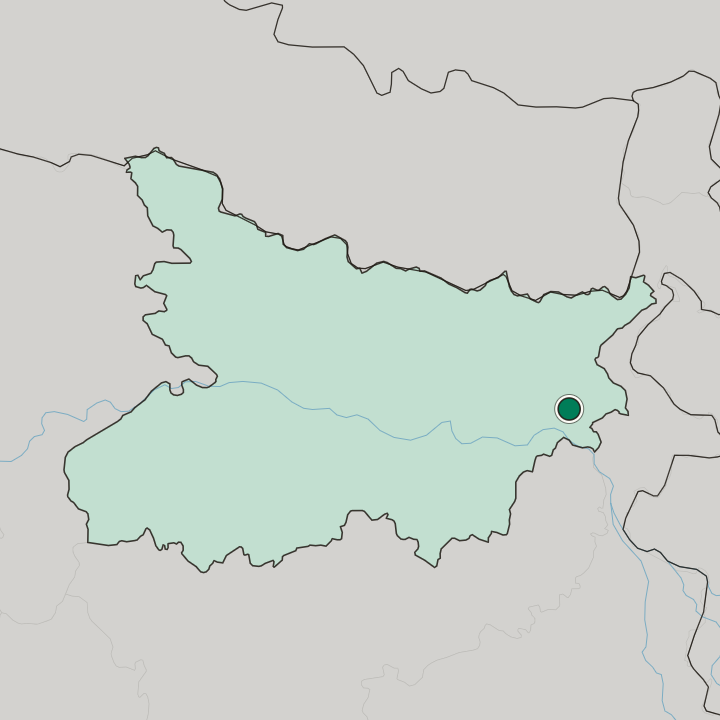
Katihar is a Bihar railway city on the eastern bank of the Kari Kosi, where Katihar Junction anchors a division of the Northeast Frontier Railway.
Hotel links are affiliate links: booking through them may earn us a commission, at no extra cost to you. It never affects how places are ranked. How this works


Where to stay in Katihar
How the choice of base plays out on the ground.
Katihar Junction decides it. The station is the busiest fixed point the record gives the city, and a bed within reach of it suits anyone whose visit is measured in connections rather than in days. The Kari Kosi gives the second reference point.
Katihar stands on the eastern bank of that river, so the water sets a limit on one side of the built area while the offices of the Katihar railway division and of Katihar district give the centre its purpose. Business travellers take that middle ground. Sleeping outside the city means sleeping in Katihar district, where the record names no second town of any size and the beds thin out accordingly.
That leaves the junction town. A traveller changing trains between Guwahati and Barauni, or arriving on the Northeast Frontier Railway with district business the next morning, has every reason to stay inside Katihar rather than push on to somewhere with a wider choice. The Nepalese border is not far off.
Katihar is described as somewhat close to it, which puts the city within reach of a crossing without making it a border town, and that distinction matters when planning where a night is spent.
Find hotels in Katihar
Direct booking searches for these neighbourhoods.
By Katihar Junction
The main station of the city, where a change of trains on the Northeast Frontier Railway is the reason most visitors are in Katihar at all.Find hotels in By Katihar JunctionStays that want the river edge rather than the platformsThe Kari Kosi bank
The eastern bank of the Kari Kosi, the water the city is built along and the one natural edge the record gives Katihar. Rooms are few around here — worth securing early.Find hotels in The Kari Kosi bankDistrict business that never reaches the junctionKatihar district beyond the city
The country the city administers as district headquarters, where the record names no second town large enough to carry rooms. Rooms are few around here — worth securing early.Find hotels in Katihar district beyond the cityHotel links are affiliate links: booking through them may earn us a commission, at no extra cost to you. It never affects how places are ranked. How this works
About Katihar
Rails, first and last.
What is Katihar known for?
Katihar Junction is the main station of the city and a point on the Guwahati-Barauni railway line, and the town is also the headquarters of the Katihar railway division of the Northeast Frontier Railway. Administration and education follow the same lines. The record describes Katihar as a centre for both within Bihar, which is what a junction of this weight tends to attract, and the city is the headquarters of Katihar district as well.
What are the main landmarks in Katihar?
The station stands in for a monument. No temple or fort is listed for Katihar, and the building that carries the city's name furthest is Katihar Junction, described in the record as a very important station on the Guwahati-Barauni railway line. The Kari Kosi is the other feature.
Its eastern bank carries the city, and between the water and the platforms there is nothing else the sources single out, which makes Katihar a place to pass through attentively rather than to tour.
What is the history of Katihar?
Metre gauge came first. Katihar is described as an important metre gauge station in the Bengal Presidency, which places its rise in the period when that administration ran the region and the network was still being assembled. That station linked traffic toward North Bengal.
The record credits it with joining the country inland to the regions of North Bengal, a role that explains why a city of this size holds a railway division of its own. The Katihar railway division still carries the name. Administration followed the track.
Katihar district took its headquarters here, and the city holds both that office and the divisional railway one, which is an unusual doubling for a place the sources otherwise describe without landmarks. The division belongs to the Northeast Frontier Railway, and its reach explains the through traffic between Guwahati and Barauni that passes the platforms at Katihar Junction. The Kari Kosi predates all of it.
A city on a river bank does not begin with a railway, but the sources for Katihar start their account at the station, and the older settlement on the eastern bank is left undated.
Where is Katihar?
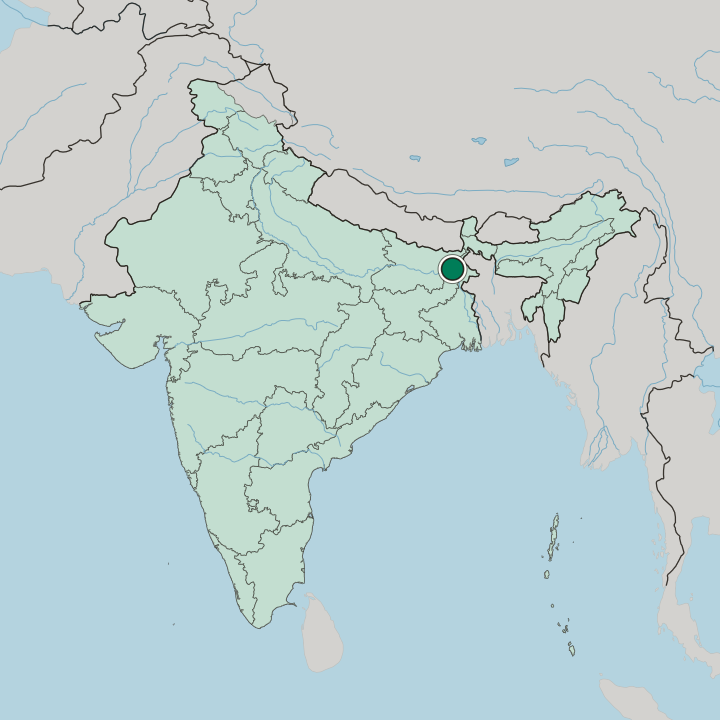
The Kari Kosi sets the edge. Katihar occupies the eastern bank of that river inside Katihar district, and the ground is the subtropical country of Bihar, close enough to the Nepalese border for the record to mention it. No hills are named.
What shapes the city instead is the combination of water and track: a river on one side, and a junction that pulls traffic from Guwahati and Barauni through the middle of it.
What is the climate of Katihar?
The Kari Kosi keeps the air damp through the wet months, and a city built along its eastern bank feels the season more than a drier inland town of the same size would. Bihar's subtropical belt covers it. Trains run through all of it, which is why the wet part of the year affects a traveller here less than it might elsewhere, the platforms at Katihar Junction being the one place a visit almost always includes.
Season and timetable are separate questions.
How do you get to Katihar?
By rail, obviously. Katihar Junction is the main station of the city and sits on the Guwahati-Barauni railway line, which makes arrival by train the normal approach rather than one option among several. The Katihar railway division of the Northeast Frontier Railway is administered from the same city, so the timetable and the offices behind it share an address.
The Nepalese border lies within reach. Nothing in the record names a road or an airport, so the practical route into Katihar district runs on the line that made the city matter in the first place.
Common questions
What is the best area to stay in Katihar?
By Katihar Junction: Connections on the Guwahati–Barauni railway line. The Kari Kosi bank: Stays that want the river edge rather than the platforms. Katihar district beyond the city: District business that never reaches the junction.
More cities in State of Bihar
Updated September 2026