India · State of Bihar
Where to Stay in Munger, State of Bihar
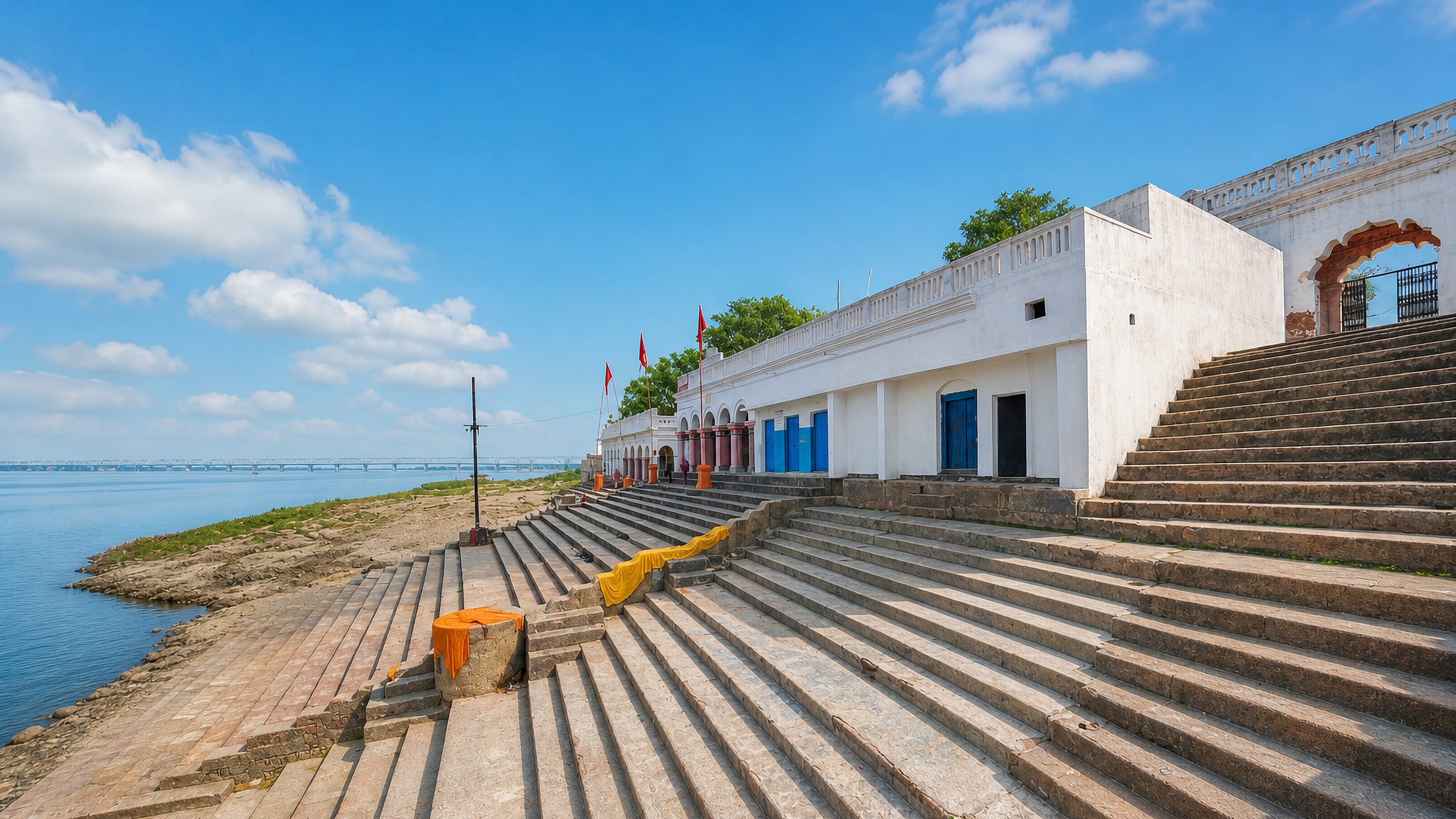
Munger, formerly Monghyr, is a Bihar city below the walls of Munger Fort, long a maker of iron articles, firearms and swords.
Hotel links are affiliate links: booking through them may earn us a commission, at no extra cost to you. It never affects how places are ranked. How this works


Where to stay in Munger
How the choice of base plays out on the ground.
Munger Fort is the anchor. The older core of the city spreads below and around its walls, and a room taken in those lanes puts the fort gates, the metalworking workshops and the ordinary daily markets of the twin city within an easy walk. You want that side if the fort and the smiths are the reason you came.
Munger keeps no resort quarter and does not pretend to one, and what it offers instead is a working city where monument, market and workshop fall into the same few streets. Traffic thins after dark. The other half of the choice is the administrative one.
Offices of Munger district and Munger Division pull a steadier weekday trade, and the plainer hotels that serve them sit nearer the Patna road, which matters a great deal when the day has to begin with a long drive west. Booking late is easier there. Kolkata lies far off in the other direction, so almost every arrival comes through Patna, and a bed on that approach saves an hour of town traffic at each end of the trip.
Neither side is quiet in the way a hill town is quiet, and both are close enough to the fort that the walk between them is a matter of minutes rather than any planned expedition.
Find hotels in Munger
Direct booking searches for these neighbourhoods.
Below the fort
The lanes under the fort walls hold the metalworking workshops and the daily markets of the old twin cityFind hotels in Below the fortWeekday trips built around the Munger district officesThe Patna road side
Plainer beds near the Munger Division offices and the westward road that carries traffic to PatnaFind hotels in The Patna road sideHotel links are affiliate links: booking through them may earn us a commission, at no extra cost to you. It never affects how places are ranked. How this works
About Munger
Iron made this town.
What is Munger known for?
Smiths in Munger have worked metal for generations, turning out firearms, swords and other iron articles that carried the name Monghyr through the colonial trade of Bihar and well past it. The Mahabharata claims it too. Munger is remembered as the ancient city of Karna, eldest son of Kunti, and that legend sits alongside a later standing as one of the commercial and educational centres of Bihar.
What are the main landmarks in Munger?
Munger Fort dominates. Its walls enclose the older core of the city, and the fort is the one monument every visitor is pointed towards, a survival from the centuries when Munger mattered to Mughal and then British administration. Gates, ramparts and tanks stand inside.
The workshops that made Monghyr a byword for firearms and swords still occupy the streets below the walls.
What is the history of Munger?
Legend comes first here. Munger is named in the Mahabharata as the city of Karna, eldest son of Kunti, and that claim has fixed the town's sense of itself for far longer than any of its surviving buildings have stood. Ancient is the word used locally.
What can be traced with more confidence begins later, when the place emerged as one of the commercial and administrative centres of the Bihar plains under successive rulers. The Mughal period gave Munger real weight. It kept that weight through the British Raj, when the spelling Monghyr became standard and the town served as a centre of trade, arms manufacture and administration for a wide stretch of country.
Smiths were the reason. Firearms, swords and iron articles made here travelled far past the district that produced them, and the trade outlasted the empire that had encouraged it. Munger district and Munger Division still take their names from the city, which was raised to a Municipal Corporation and works as a twin city across the built-up area.
Patna sits to the west, Kolkata a much greater distance to the east, and the fortunes of the place have always tracked the traffic moving between them.
Where is Munger?
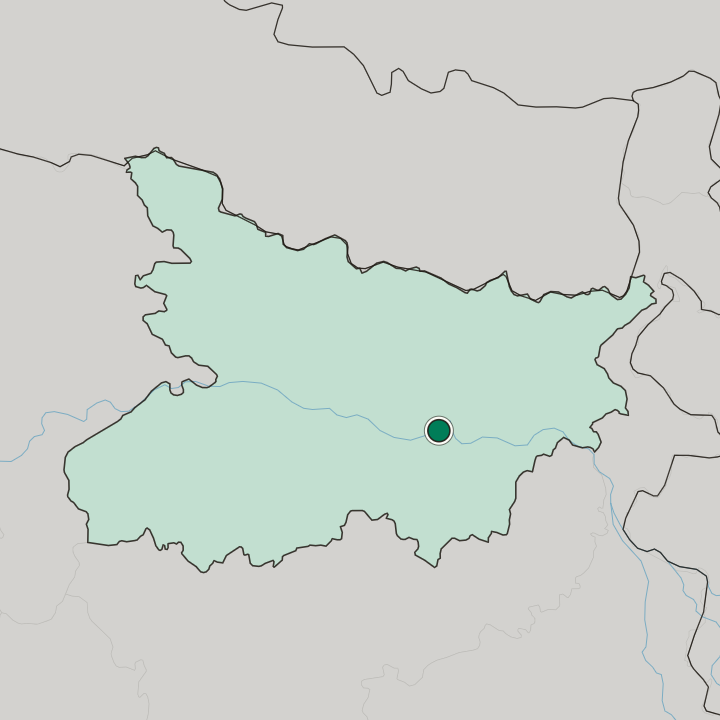
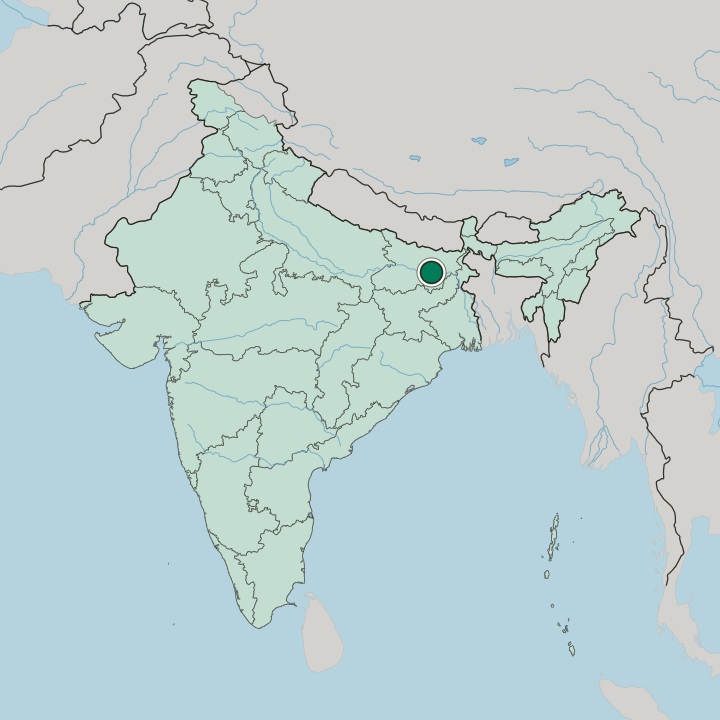
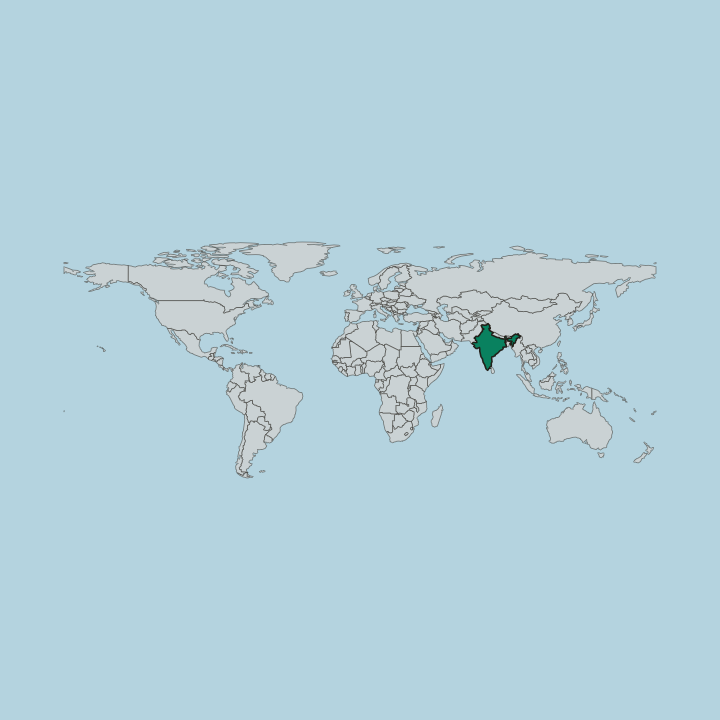
Munger stands on the plains of Bihar, some 180 km east of Patna. Its built-up area covers roughly 68 square kilometres, spread across a twin city whose two halves grew towards each other as the Municipal Corporation took shape. Flat country runs out in every direction.
Kolkata is far away to the east and New Delhi very much further in the opposite direction, which places Munger squarely between the two rather than near either.
What is the climate of Munger?
The monsoon runs Munger's calendar. Rain arrives in force through the summer and then withdraws, leaving a long dry stretch in which the Bihar plains bake and the air above the built-up area turns dusty and heavy. Winter mornings come cool and short.
Subtropical is the honest label, with the sharpest contrast falling between the wet months and the weeks on either side of them.
How do you get to Munger?
Most journeys start in Patna. The state capital of Bihar lies about 180 km west of Munger, and the road and rail links between the two carry very nearly all of the traffic that reaches the city. Kolkata is roughly 480 km off in the opposite direction, a far longer haul that travellers usually break rather than attempt in a single run.
Trains are the usual choice.
Common questions
What is the best area to stay in Munger?
Below the fort: Arrivals whose first morning belongs to Munger Fort. The Patna road side: Weekday trips built around the Munger district offices.
More cities in State of Bihar
Updated September 2026