India · State of Bihar
Where to Stay in Gaya, State of Bihar
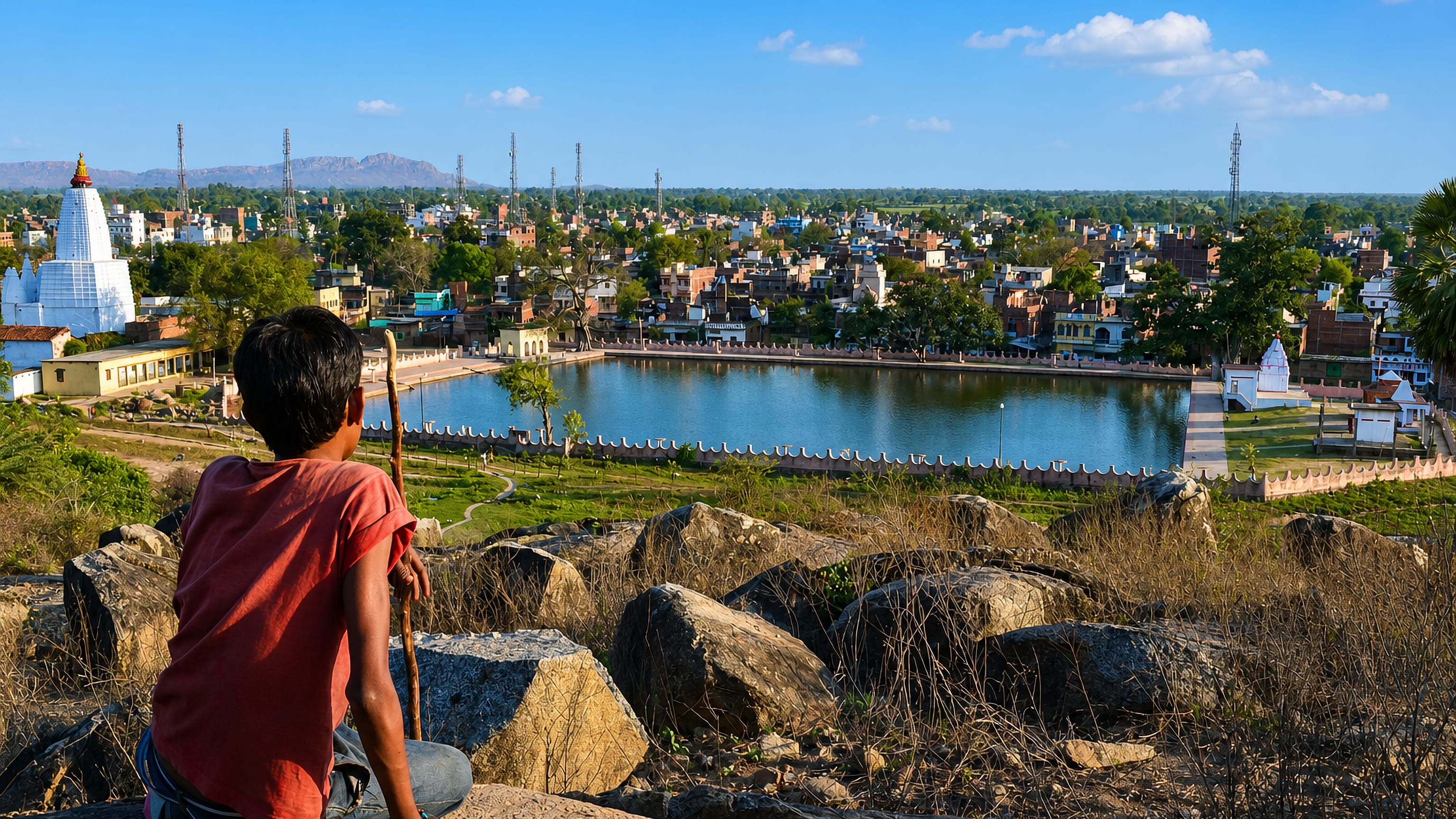
Gaya is a city of Bihar in east India on the Falgu, one of the holiest places of Hindus and Buddhists, near Bodh Gaya where the Buddha found enlightenment.
Hotel links are affiliate links: booking through them may earn us a commission, at no extra cost to you. It never affects how places are ranked. How this works


Where to stay in Gaya
Where the beds are, and what that means for the visit.
Where you stay in Gaya turns on the town or Bodh Gaya. The lanes around the Vishnupad temple keep the shrine, the ghats, and the bazaars within a walk, and staying in town suits anyone here for the Hindu rites. The dry river runs below.
Pilgrims crowd the ghats. Out at Bodh Gaya, the town gives way to the Mahabodhi temple, the Bodhi tree, and the monasteries of many lands. A room by the great temple trades the town for the quiet gardens, the prayer flags, and the monks of the Buddhist world.
The stupa rises over the trees. Stay in town for the Hindu rites, or at Bodh Gaya for the Buddhist. The holy city sits on the Falgu below the hills.
Find hotels in Gaya
Direct booking searches for these neighbourhoods.
The town
Around the Vishnupad templeFind hotels in The townStays wanting the Mahabodhi templeBodh Gaya
Out at the Buddhist shrineFind hotels in Bodh GayaHotel links are affiliate links: booking through them may earn us a commission, at no extra cost to you. It never affects how places are ranked. How this works
About Gaya
Gaya is a holy city of Bihar.
What is Gaya known for?
On the Falgu river in eastern India, it grew as a place of pilgrimage for two great faiths, and it keeps the Vishnupad temple where Hindus honour their dead, the great Mahabodhi temple at Bodh Gaya nearby, the Bodhi tree under which the Buddha found enlightenment, and the throng of pilgrims who come to its rites. The dry Falgu winds past the town. Temples crowd the old streets.
What are the main landmarks in Gaya?
The Mahabodhi temple is the pride of the Gaya country. The great temple at Bodh Gaya, rising over the Bodhi tree where the Buddha found enlightenment, is the emblem of the region, out of downtown. A temple marks a god's footprint.
The Vishnupad temple, built over the footprint of Vishnu, stands by the Falgu in town, while the Bodhi tree, the foreign monasteries, and the ancestor rites mark the country around Gaya.
What is the history of Gaya?
Gaya is holy to two faiths. Since ancient times Hindus have come to Gaya to perform the rites for their dead, at the temple of the footprint of Vishnu by the Falgu. Nearby a prince found the truth.
At Bodh Gaya, a little to the south, the prince Siddhartha sat beneath a fig tree and became the Buddha, and the spot became the holiest ground of the Buddhist world. The two shrines drew pilgrims from afar. To the Vishnupad temple came Hindus for the great rite of the ancestors, and to the Mahabodhi temple came Buddhists from every land to sit by the Bodhi tree.
The monasteries rose at Bodh Gaya. Around the great temple the Buddhist nations built their own monasteries and shrines, and Gaya grew as a city of pilgrims of every faith, keeping its temples, its river, and its holy ground. The pilgrims still fill the shrines.
Gaya keeps its holy city on the Falgu.
Where is Gaya?
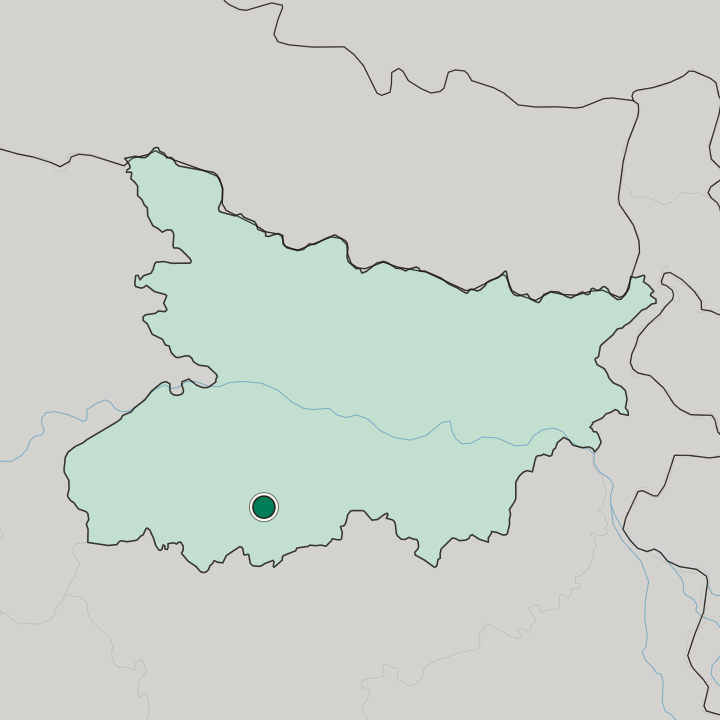
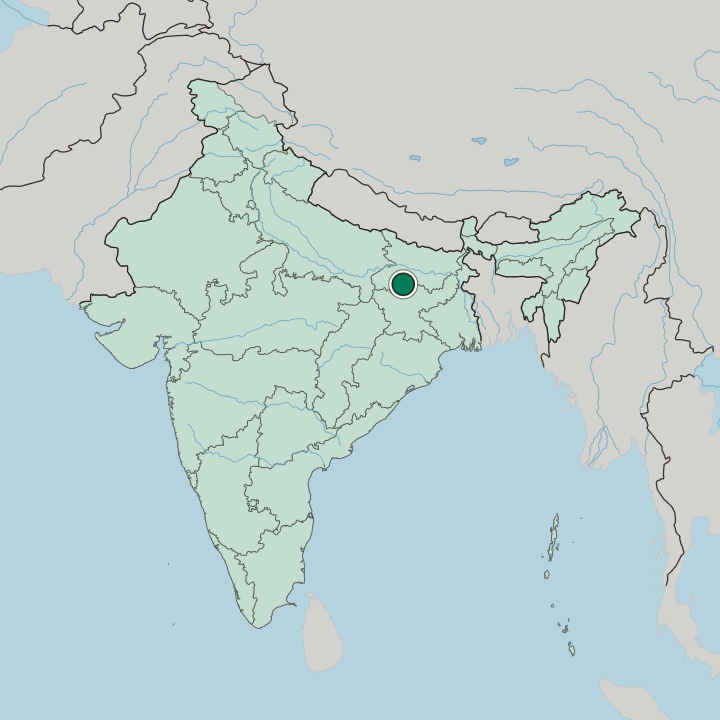
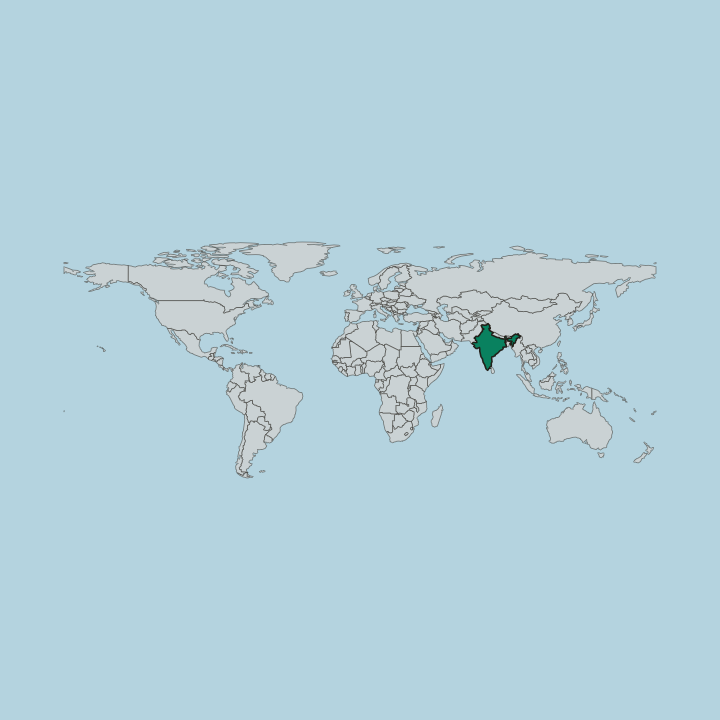
Gaya lies in the south of Bihar in eastern India, on the Falgu river. The city sits on a plain of low rocky hills where the Falgu runs down from the Chota Nagpur uplands, in a dry land of fields and outcrops, with the hills rising south and the Ganges plain spreading north. The river runs dry half the year.
Rocky hills break the plain.
What is the climate of Gaya?
Gaya has a hot, dry monsoon climate. Blazing summers and mild winters cross the plain, with fierce heat before the rains and a heavy monsoon in the late summer. Heat lies heavy in summer.
Winter days turn cool and clear.
How do you get to Gaya?
Gaya lies in southern Bihar in eastern India, on the road and rail from Patna. Trains run to it down from Patna, and an airport brings Buddhist pilgrims from across Asia. Pilgrims fill the temple town.
Patna lies north up the line.
Common questions
What is the best area to stay in Gaya?
The town: Pilgrims here for the Hindu rites. Bodh Gaya: Stays wanting the Mahabodhi temple.
Good for
More cities in State of Bihar
Updated September 2026