Italy · Lombardia
Where to Stay in Brescia, Lombardia
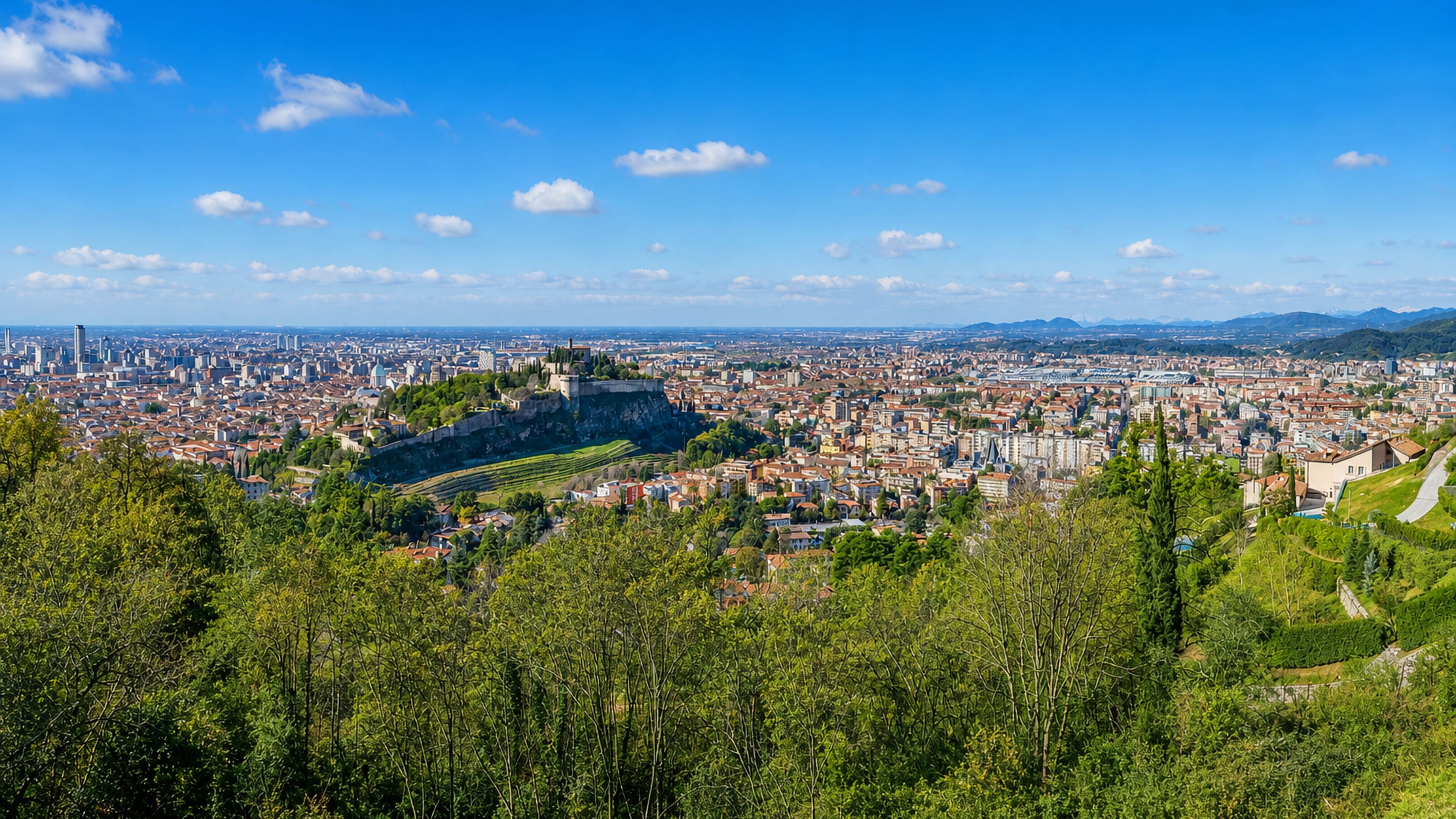
Two cathedrals share one square. Brescia keeps the Duomo Nuovo beside the Duomo vecchio, with the Capitolium and the Roman forum in the same centre.
Hotel links are affiliate links: booking through them may earn us a commission, at no extra cost to you. It never affects how places are ranked. How this works


Where to stay in Brescia
How the choice of base plays out on the ground.
The old centre holds most beds. Rooms near the Duomo Nuovo and the Duomo vecchio leave the Capitolium, the Roman forum and the Museo di Santa Giulia inside a walk that never needs a map for long. The Castle of Brescia sits above.
A stay under it means a climb for the view and an easy drop back into the streets around Santa Maria dei Miracoli and the Church of Saints Faustinus and Jovita. Pallata Tower marks another corner of the same core. Lakes change the plan.
Garda and Iseo lie a few kilometres out, so a room in Brescia can serve days on the water as easily as days among the Roman rooms of the Museo di Santa Giulia. Val Trompia runs the other way, into the foothills of the Alps, and a bed on that side suits anyone whose week is built on the valley rather than the city. Racing weeks are different.
The Museo Mille Miglia and the start of the race pull demand towards particular streets, and rooms anywhere near the Tosio Martinengo Gallery or the Church of Saint Francis go early on those dates. Franciacorta is the other draw.
Find hotels in Brescia
Direct booking searches for these neighbourhoods.
Between the Duomo Nuovo and the Duomo vecchio
The Duomo Nuovo and the Duomo vecchio stand together, and the Capitolium and the Roman forum lie in the same part of the old centreFind hotels in Between the Duomo Nuovo and the Duomo vecchiomorning climbs above the Roman quarterBelow the Castle of Brescia
The Castle of Brescia rises over these streets, with Santa Maria dei Miracoli and the Church of Saints Faustinus and Jovita on the ground beneath itFind hotels in Below the Castle of Bresciadays given to the Monastery of Santa Giulia and the Roman theatreAround the Museo di Santa Giulia
The Museo di Santa Giulia, the Monastery of Santa Giulia and the Roman Theatre of Brescia belong to the same corner of the old city. Few places to stay nearby — book ahead.Find hotels in Around the Museo di Santa Giuliaweeks built on the valley and the Alpine foothillsTowards Val Trompia
Val Trompia runs up from Brescia into the foothills of the Alps, away from the Mille Miglia streets and the Duomo Nuovo. Lodging is scarce in this area; reserve in advance.Find hotels in Towards Val TrompiaHotel links are affiliate links: booking through them may earn us a commission, at no extra cost to you. It never affects how places are ranked. How this works
Things to do in Brescia
Ranked by global recognition; descriptions from Wikidata (CC0).
Museums & Galleries
2- Museo di Santa Giulia Heritage
- Tosio Martinengo Gallery Heritage
Churches & Religious Sites
8- Duomo vecchio Heritage
- Duomo Nuovo Heritage
- San Salvatore, Brescia Heritage
- Monastery of Santa Giulia Heritage
- Church of Saints Faustinus and Jovita Heritage
Show 3 more →
- Church of Saints Nazarius and Celsus Heritage
- Church of Saint Francis Heritage
- Church of Santa Maria della Carità Heritage
Castles & Historic Sites
3- Capitolium Heritage
- Castle of Brescia Heritage
- Roman forum
Landmarks & Notable Places
2- Torrione INA Heritage
- Pallata Tower, Brescia Heritage
worth knowingacross 4 categories in Brescia
About Brescia
The Mille Miglia starts here.
What is Brescia known for?
The race begins and finishes in Brescia, and the Museo Mille Miglia keeps the cars and the record between runnings, which is why vintage car followers arrive in a city better known for industry. Rome left the rest. The Capitolium, the Roman forum and the Roman Theatre of Brescia sit in the middle of the modern street plan, and the Museo di Santa Giulia holds what came out of them.
What are the main landmarks in Brescia?
Rome is still visible. The Capitolium, the Roman forum and the Roman Theatre of Brescia stand within the modern city, and the Museo di Santa Giulia sets out what those sites produced. Two cathedrals follow, the Duomo Nuovo and the Duomo vecchio, with San Salvatore and the Monastery of Santa Giulia carrying the monastic side.
Towers hold the skyline. Pallata Tower, the Torrione INA and the Castle of Brescia stand for three different kinds of building.
What is the history of Brescia?
The Romans built first. The Capitolium and the Roman forum fixed the centre of the ancient town, and the Roman Theatre of Brescia stood beside them, which is why the modern street plan still bends around that ground. Then the monasteries.
San Salvatore and the Monastery of Santa Giulia gathered the religious life of the early medieval city, and the Museo di Santa Giulia now holds the record of both. Churches multiplied from there, among them the Church of Saints Nazarius and Celsus, the Church of Sant'Afra and Church Santa Maria in Calchera. Defence and display followed.
Pallata Tower and the Castle of Brescia belong to the fortified centuries, and the Duomo vecchio was standing long before the Duomo Nuovo took the space beside it. Factories shaped everything after that. Brescia grew into a wealthy manufacturing centre and the administrative capital of the Province of Brescia, second in Lombardia behind Milan, and the Torrione INA belongs to that later building age.
The Mille Miglia brought a different kind of visitor, and the Museo Mille Miglia keeps that history where the Tosio Martinengo Gallery keeps the painting. Franciacorta wine belongs to the same country.
Where is Brescia?
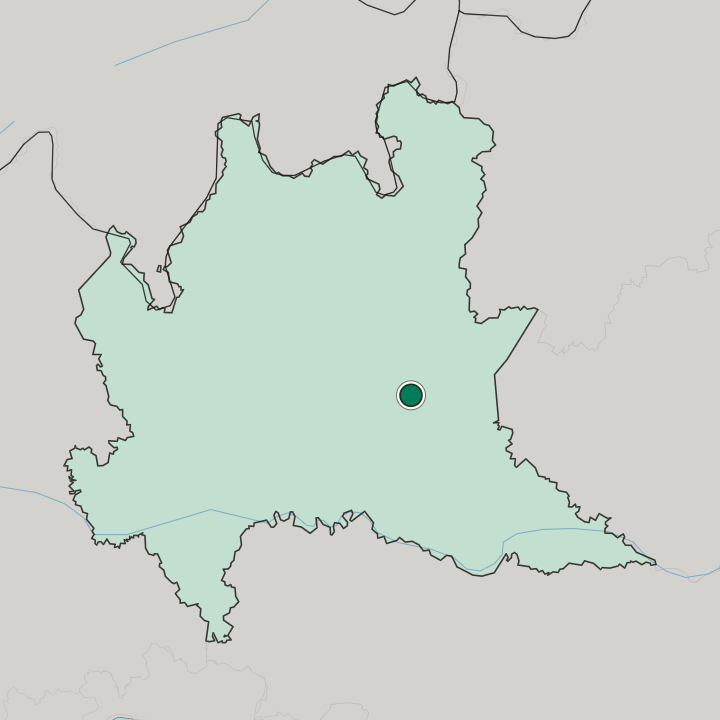
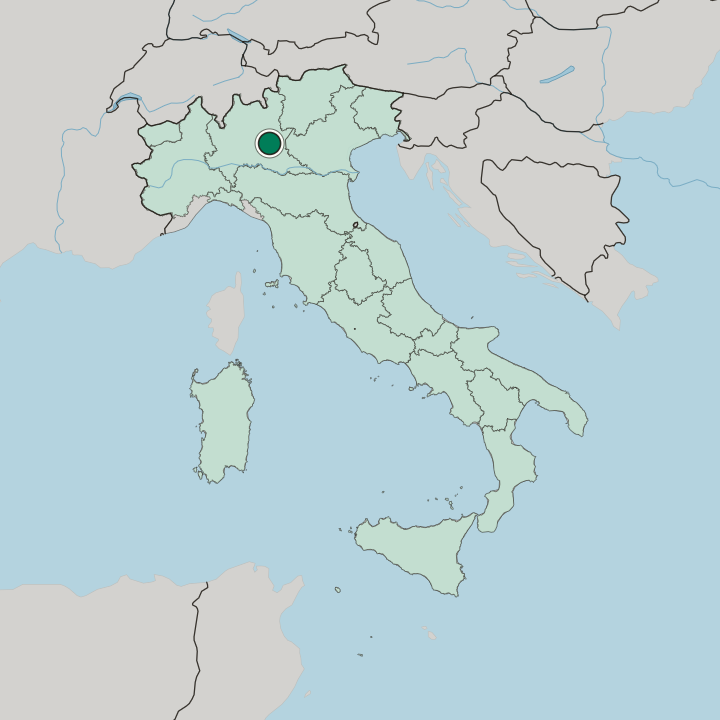
Brescia stands at the foot of the Alps. Lake Garda and Lake Iseo lie a few kilometres out, Val Trompia opens into the foothills, and the city itself covers 90 square kilometres about a hundred kilometres east of Milan. Water is close on two sides.
The old centre sits under the Castle of Brescia, and the ground between the Capitolium and the Duomo Nuovo is flat enough to cross without thinking about it.
What is the climate of Brescia?
Garda works on the air here. A lake that size holds heat into the autumn, and with the Alps standing behind the city the seasons arrive with the mountains in them as much as the water. Val Trompia is colder.
Anyone visiting for the Mille Miglia or the Franciacorta country should expect the difference between the lake shore and the valley to show inside a single day.
How do you get to Brescia?
Brescia lies about a hundred kilometres east of Milan. That distance puts the city within an ordinary day's reach of the lakes it sits between, and Garda and Iseo are both a few kilometres from the built-up edge. Walking covers the middle.
The Duomo Nuovo, the Capitolium, the Museo di Santa Giulia and the Roman Theatre of Brescia all stand close together, so arrivals rarely need transport once they are in. Val Trompia and the Mille Miglia route need wheels.
Common questions
What is the best area to stay in Brescia?
Between the Duomo Nuovo and the Duomo vecchio: a first stay with the Capitolium a short walk off. Below the Castle of Brescia: morning climbs above the Roman quarter. Around the Museo di Santa Giulia: days given to the Monastery of Santa Giulia and the Roman theatre. Towards Val Trompia: weeks built on the valley and the Alpine foothills.
Good for
More cities in Lombardia
Updated October 2026