Italy · Lombardia
Where to Stay in Pavia, Lombardia
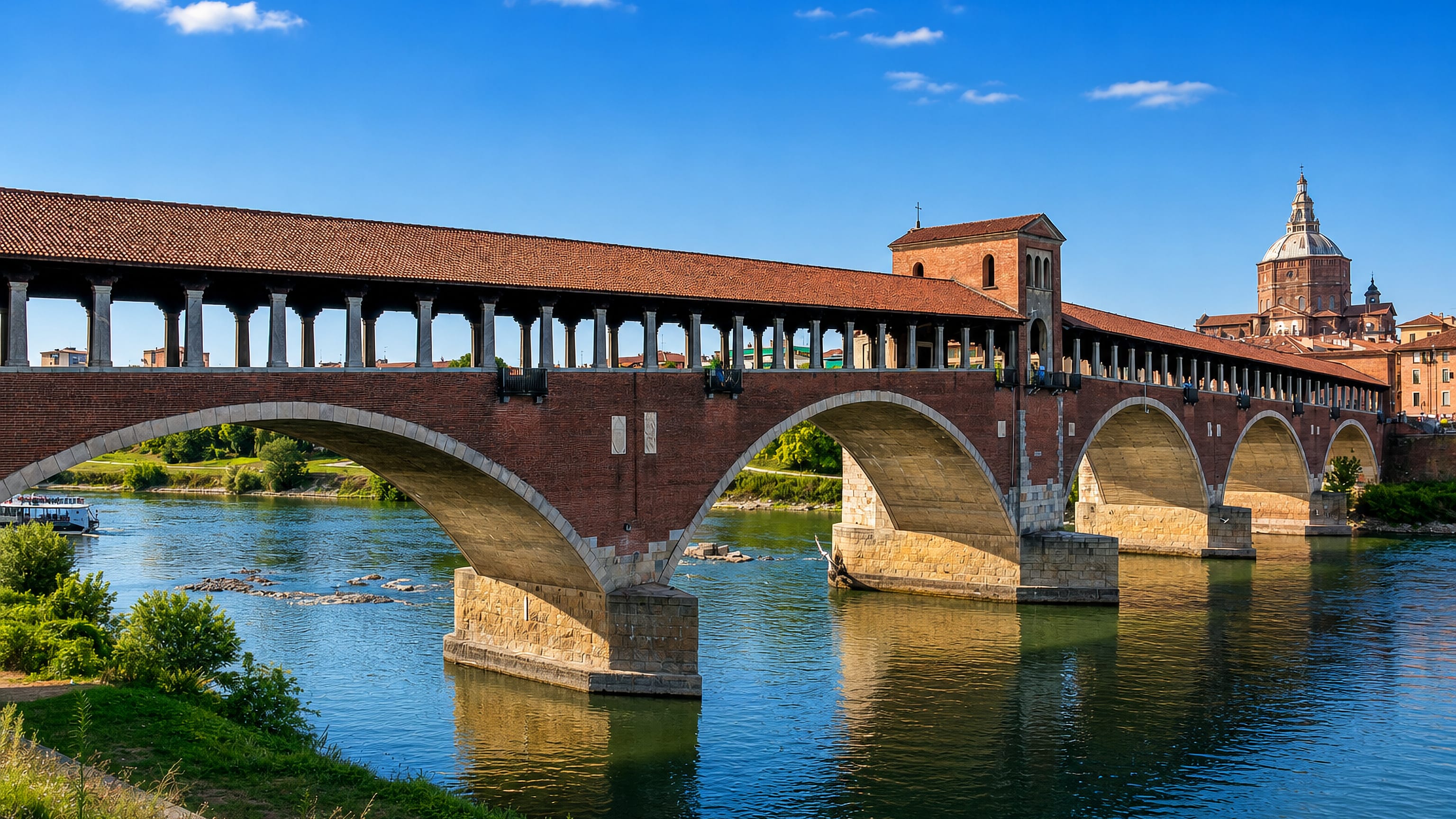
Pavia is a university city in Lombardia, packed with Romanesque churches, museum collections and the brick bulk of the Visconti Castle.
Hotel links are affiliate links: booking through them may earn us a commission, at no extra cost to you. It never affects how places are ranked. How this works



Where to stay in Pavia
The practical side of choosing where to sleep.
Pavia is small enough that the choice narrows to a few blocks. Ground around Pavia Cathedral is the obvious base, with San Teodoro, Church Santa Maria Gualtieri and the Diocesan Museum of Pavia a few minutes away on foot, though rooms in that quarter sit in old buildings with narrow stairs. Students fill the streets by the University of Pavia.
Its Museum of Natural History, University History Museum and Museum of Archeology stand among cheap kitchens and late bars, which suits some travellers and puts others off entirely. Quieter ground opens near the Visconti Castle. The streets widen there, parking becomes possible and Pavia City Museums sit at the door, which makes it the practical choice for anyone arriving by car.
Romanesque churches are the other organising principle. The lanes between San Michele Maggiore and Santa Maria del Carmine are close-packed and largely free of traffic, and San Pietro in Ciel d'Oro stands a few streets beyond. San Lanfranco Church marks the outer edge of the useful area.
Past it the town thins out.
Find hotels in Pavia
Direct booking searches for these neighbourhoods.
Around Pavia Cathedral
Old buildings ring Pavia Cathedral, and Church Santa Maria Gualtieri, San Teodoro and the Diocesan Museum of Pavia all stand within a few minutes of the door.Find hotels in Around Pavia CathedralTravellers who want the University of Pavia museums and late kitchens next doorUniversity quarter
The Museum of Natural History, the University History Museum and the Museum of Archeology sit among student bars that stay open long after the churches close.Find hotels in University quarterArrivals by car who need parking beside the Visconti CastleVisconti Castle side
Wider streets and open ground around the Visconti Castle make parking realistic, with Pavia City Museums immediately at hand.Find hotels in Visconti Castle sideVisitors here for San Michele Maggiore and the Romanesque churchesSan Michele Maggiore lanes
Close-packed lanes between San Michele Maggiore and Santa Maria del Carmine carry little traffic and leave San Pietro in Ciel d'Oro a few streets away.Find hotels in San Michele Maggiore lanesHotel links are affiliate links: booking through them may earn us a commission, at no extra cost to you. It never affects how places are ranked. How this works
Things to do in Pavia
Ranked by global recognition; descriptions from Wikidata (CC0).
Museums & Galleries
3- Pavia City Museums Heritage
- University History Museum, University of Pavia Heritage
- Museum of Archeology of the University of Pavia
Churches & Religious Sites
8- San Pietro in Ciel d'Oro Heritage
- San Michele Maggiore Heritage
- Pavia Cathedral Heritage
- San Teodoro, Pavia Heritage
- Santa Maria del Carmine, Pavia Heritage
Show 3 more →
- San Lanfranco Church Heritage
- San Francesco d'Assisi Heritage
- San Giovanni Domnarum Heritage
Castles & Historic Sites
2- Visconti Castle Heritage
- Mirabello Castle Heritage
Landmarks & Notable Places
2- Civic Tower Heritage
- Casa degli Eustachi Heritage
worth knowingacross 4 categories in Pavia
About Pavia
Students give Pavia its rhythm.
What is Pavia known for?
The University of Pavia keeps its collections open through the Museum of Natural History, the University History Museum and the Museum of Archeology, an academic quarter stitched straight into the medieval street grid. Pavia Cathedral anchors the old centre. Stonework is the other draw, above all at San Michele Maggiore and San Teodoro, two churches that have held their ground while the town changed around them.
Pavia City Museums gather the civic collections.
What are the main landmarks in Pavia?
San Michele Maggiore comes first for most visitors, a Romanesque church of worn stone whose carved front repays the time it takes to read the detail across it. Pavia Cathedral is the other fixed point. San Pietro in Ciel d'Oro, San Teodoro and San Giovanni Domnarum fill out the older layer, while Santa Maria del Carmine and San Francesco d'Assisi speak for the friars who came later.
The Visconti Castle is the great secular monument. Pavia City Museums and the Diocesan Museum of Pavia hold what the churches let go.
What is the history of Pavia?
Churches record Pavia's past more plainly than any archive. San Michele Maggiore, San Pietro in Ciel d'Oro and San Giovanni Domnarum belong to its oldest visible layer, buildings repaired and re-roofed and re-dedicated across centuries rather than cleared away, so that each holds several ages of work in the same walls. Santi Primo e Feliciano and Church Santi Gervasio e Protasio carry dedications of the same early kind.
The pattern held across town. San Teodoro, Church Santa Maria Gualtieri and San Lanfranco Church each grew from a parish that long outlasted the reason it was founded, and Santa Maria in Betlem belongs to the same slow accumulation. Power built in brick.
The Visconti Castle went up as the residence and stronghold of a ruling house, Mirabello Castle shares that lineage of fortified building, and Pavia Cathedral rose over generations as the seat of a diocese whose treasures are kept by the Diocesan Museum of Pavia. Learning proved the most durable inheritance. The University of Pavia drew scholars into the same narrow streets, and its Museum of Natural History, University History Museum and Museum of Archeology still hold the specimens, instruments and finds that those centuries accumulated.
Merchant families left houses of their own, among them Casa degli Eustachi. Later building added Santa Maria del Carmine, San Francesco d'Assisi and Church of San Tommaso. Pavia City Museums gather much of what survives.
Where is Pavia?
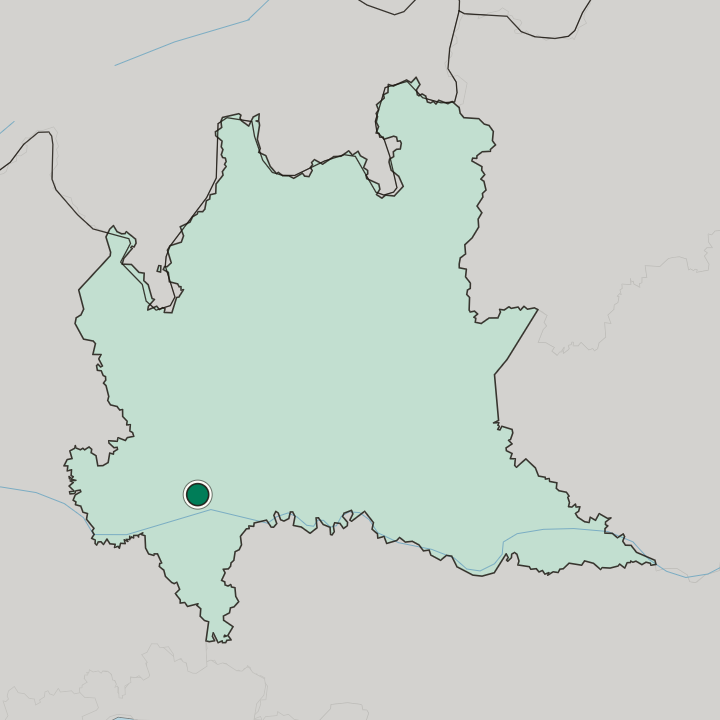
Pavia covers a compact stretch of Lombardia, roughly sixty square kilometres of streets, courtyards and farmland at the fringes, so most of what a visitor comes for sits inside one walkable centre. San Michele Maggiore, San Teodoro and Church Santa Maria Gualtieri occupy the same tight grid of lanes. The Visconti Castle keeps a broad footprint.
Fields start beyond it.
What is the climate of Pavia?
Winters across Lombardia turn damp and grey, and Pavia takes the same weather: still air, low cloud, and a chill that settles into the brick of San Michele Maggiore and the cathedral square. Summer runs hot. The old lanes hold shade through the worst of the afternoon, while the museum rooms of the University of Pavia stay cool when the streets do not.
Spring and autumn are the kinder halves of the year.
How do you get to Pavia?
Rail is the simple way in. Trains from across Lombardia run into the town station, and Pavia Cathedral stands close enough to the forecourt that most arrivals never need a bus, a taxi or anything beyond a pair of shoes. Roads converge on the same centre.
Drivers do better leaving the car near the Visconti Castle than threading the lanes around San Michele Maggiore, which were never cut for cars.
Common questions
What is the best area to stay in Pavia?
Around Pavia Cathedral: First stays wanting San Teodoro, the Diocesan Museum of Pavia and the cathedral square on foot. University quarter: Travellers who want the University of Pavia museums and late kitchens next door. Visconti Castle side: Arrivals by car who need parking beside the Visconti Castle. San Michele Maggiore lanes: Visitors here for San Michele Maggiore and the Romanesque churches.
Good for
More cities in Lombardia
Updated October 2026