Italy · Lombardia
Where to Stay in Cremona, Lombardia
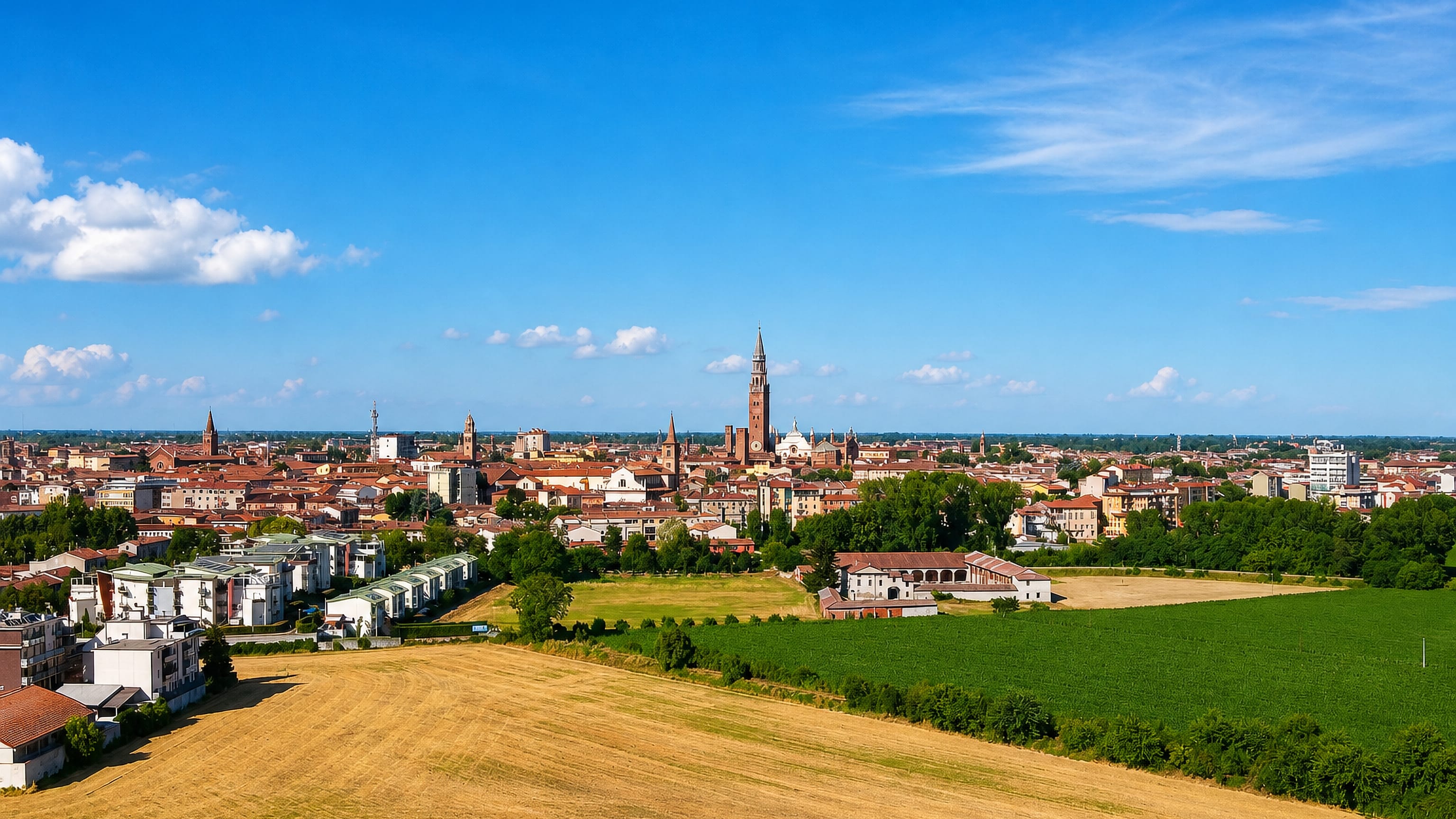
Violins made this city's name. Cremona stands on the left bank of the Po, capital of its province and the address of the Museo del Violino.
Hotel links are affiliate links: booking through them may earn us a commission, at no extra cost to you. It never affects how places are ranked. How this works


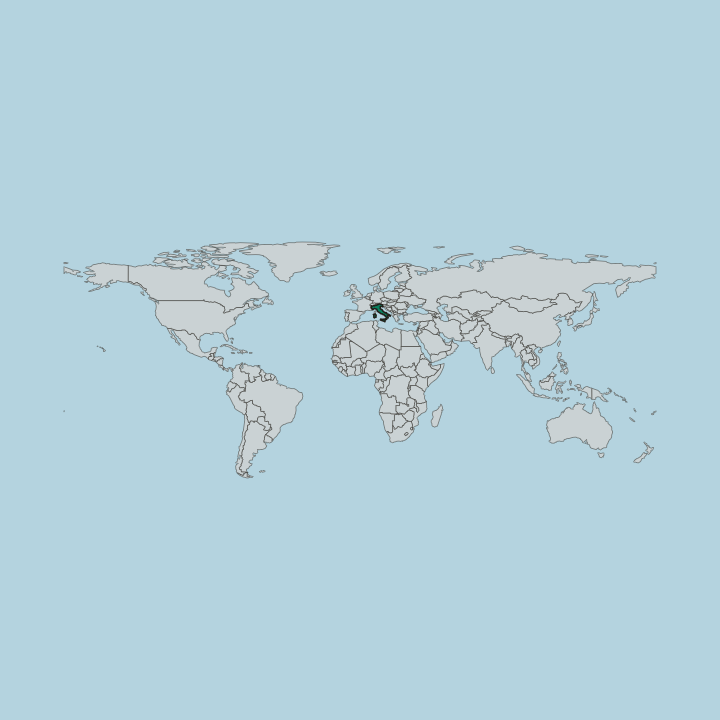
Where to stay in Cremona
The practical side of choosing where to sleep.
The main piazza settles most of it. Cremona Cathedral and the town hall stand around that square, with the Torre Civica among them, and a room inside the medieval centre puts the Museo del Violino and the Museo Civico Ala Ponzone in the same morning's walk. Cathedral to violin museum takes a few minutes on foot.
Streets beyond it open out across a comune of about seventy square kilometres, much of it the flat ground of the Po Valley rather than city. The river gives a second option. San Pietro al Po Church carries the river in its name, and stays on that side trade the piazza for a quieter grid, with the Church of Sant'Abbondio and Sante Margherita e Pelagia church for company.
Castello di Santa Croce marks the outer edge. Anyone driving will find the approach easier on that side, and the Palasport Mario Radi and the Museo della civiltà contadina are the reasons to be out there at all. Finding a room in Cremona is the harder part.
If you want a choice inside the medieval centre, book early, because the pool of rooms in those streets is genuinely small compared with the ring of streets outside.
Find hotels in Cremona
Direct booking searches for these neighbourhoods.
The cathedral piazza
Cremona Cathedral, the town hall and the Torre Civica ring the main square of the medieval centre, with the Museo del Violino close by.Find hotels in The cathedral piazzaplayers and makers here for the instrument collectionAround the Museo del Violino
The Museo del Violino and the Museo Civico Ala Ponzone put the violin record and the picture gallery on the same short walk.Find hotels in Around the Museo del Violinoa quieter grid on the river side of CremonaThe San Pietro al Po quarter
San Pietro al Po Church, the Church of Sant'Abbondio and Sante Margherita e Pelagia church stand on the side of the city that takes its name from the Po. Beds are limited here, so book early.Find hotels in The San Pietro al Po quarterarrivals by car who want the edge instead of the centreOut by Castello di Santa Croce
Castello di Santa Croce, the Palasport Mario Radi and the Museo della civiltà contadina lie away from the medieval streets, on the outer part of the comune. Beds are limited here, so book early.Find hotels in Out by Castello di Santa CroceHotel links are affiliate links: booking through them may earn us a commission, at no extra cost to you. It never affects how places are ranked. How this works
Things to do in Cremona
Ranked by global recognition; descriptions from Wikidata (CC0).
Museums & Galleries
3- Museo Civico Ala Ponzone Heritage
- Archaeological Museum "San Lorenzo" Heritage
- Museo del Violino
Churches & Religious Sites
8- Cremona Cathedral Heritage
- San Sigismondo Heritage
- Sant'Agostino, Cremona Heritage
- San Michele Heritage
- San Pietro al Po Church Heritage
Show 3 more →
- Church of Sant'Abbondio Heritage
- Santa Maria Maddalena (Cremona) Heritage
- Santi Clemente e Imerio, Cremona Heritage
Castles & Historic Sites
1- Castello di Santa Croce
Stadiums & Sports
1- Palasport Mario Radi
Landmarks & Notable Places
3- Torre Civica Heritage
- Casa Anselmi (già) Heritage
- Torre del capitano Heritage
worth knowingacross 5 categories in Cremona
About Cremona
Stradivari worked here.
What is Cremona known for?
The Museo del Violino keeps the instrument at the centre of the city's reputation, and the seventeenth century that produced Antonio Stradivari, Giuseppe Guarneri, Francesco Rugeri and the Amati family is why the name travels. Music is not the only claim. Cremona Cathedral and the town hall range around the main piazza of a preserved medieval centre, and Claudio Monteverdi, composer of L'Orfeo, was born in the same city.
What are the main landmarks in Cremona?
Cremona Cathedral anchors the square. The Torre Civica, the former San Lorenzo cathedral, San Sigismondo, San Michele and Sant'Agata stand among fourteen churches in the comune, and the Museo del Violino carries the name the city is known by. Four museums split the rest.
The Museo Civico Ala Ponzone, the Museo diocesano di Cremona, the Museo della civiltà contadina and Il territorio come ecomuseo divide the collections, while Castello di Santa Croce, the Torre del capitano and Casa Anselmi stand apart from all of them.
What is the history of Cremona?
The medieval centre is the record. No founding year is attached to Cremona, but the preserved streets around the main piazza, with Cremona Cathedral and the town hall ranged along it, describe the city that existed before any violin was cut. Towers survive too.
The Torre Civica and the Torre del capitano belong to that same fabric, and Castello di Santa Croce, the former San Lorenzo cathedral and San Sigismondo carry the older names further out. The seventeenth century changed the city's business. Cremona became famous for its violins, and the workshops of Antonio Stradivari, Giuseppe Guarneri, Francesco Rugeri, Vincenzo Rugeri and several members of the Amati family put the town into every account of how the instrument was made.
One museum holds that story. The Museo del Violino gathers it, and the Museo Civico Ala Ponzone and the Museo diocesano di Cremona keep the painting and the church record beside it. Music came earlier as well.
Claudio Monteverdi was born in Cremona and wrote L'Orfeo, which places the city in the history of opera alongside its history of instrument making. The province carries the name. Cremona is the capital of the province of Cremona and the seat of both city and province governments, on the left bank of the Po.
Where is Cremona?
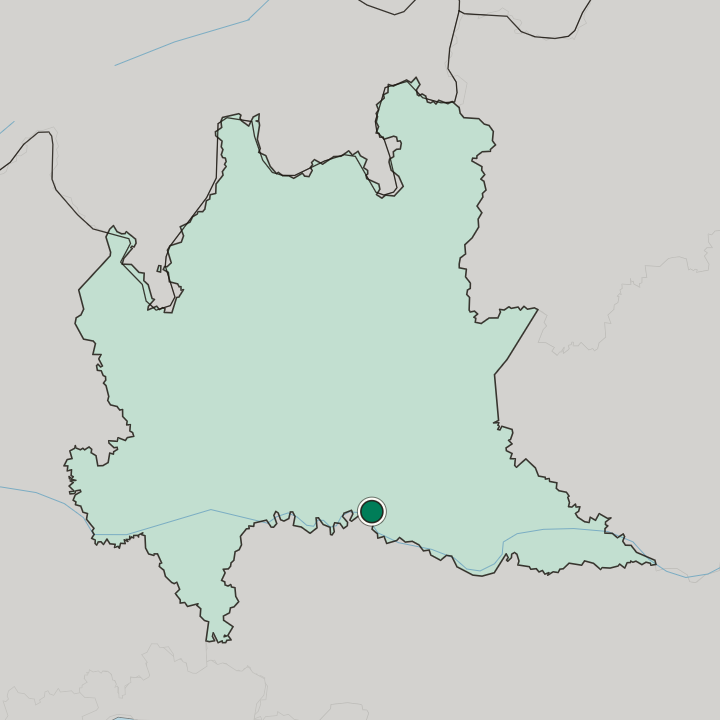
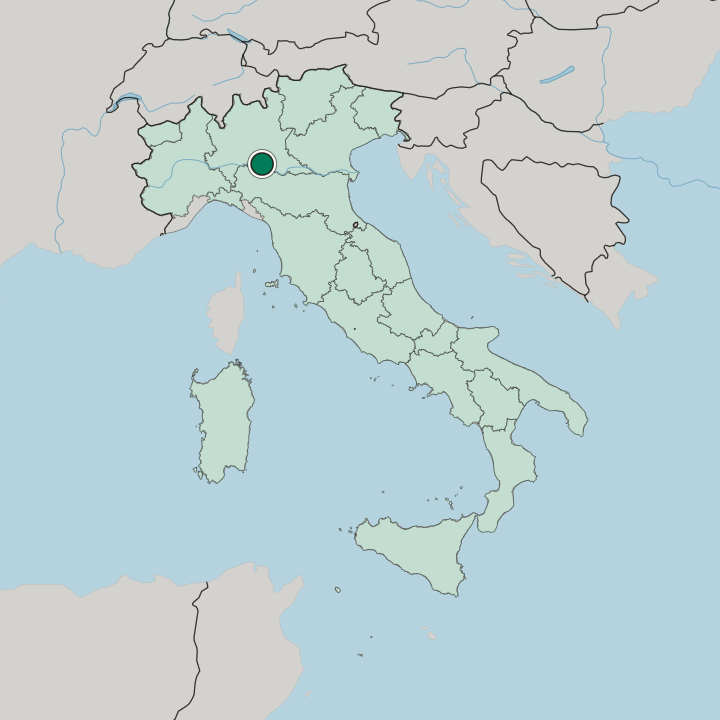
The Po runs along one side. Cremona occupies the left bank of the river in the middle of the Po Valley, which gives the comune about seventy square kilometres of flat ground and no relief to speak of. Lombardy frames the rest.
The city is the capital of the province of Cremona, and San Pietro al Po Church, Castello di Santa Croce and the Museo della civiltà contadina mark the ground between the medieval centre and the fields.
What is the climate of Cremona?
The Po Valley sets the terms. Flat ground on the left bank of the river gives the air little to move it, so the valley tends to feel colder in winter and closer in summer than the temperate band alone suggests. Still mornings are common.
The Museo del Violino, the Museo Civico Ala Ponzone and Cremona Cathedral cover those hours, and the main piazza is better in the long light of spring.
How do you get to Cremona?
The valley does the connecting. Cremona sits in the middle of the Po Valley on the left bank of the river, which is flat enough that every approach arrives at the same medieval centre without a climb. The river is the older road.
Crossings of the Po set the historic lines of travel, and the modern ones still converge on the capital of the province of Cremona, a short walk from Cremona Cathedral and the Museo del Violino.
Common questions
What is the best area to stay in Cremona?
The cathedral piazza: mornings that start at Cremona Cathedral and the town hall. Around the Museo del Violino: players and makers here for the instrument collection. The San Pietro al Po quarter: a quieter grid on the river side of Cremona. Out by Castello di Santa Croce: arrivals by car who want the edge instead of the centre.
Good for
More cities in Lombardia
Updated October 2026