Italy
Lombardia, Italy — Towns & Travel Guide
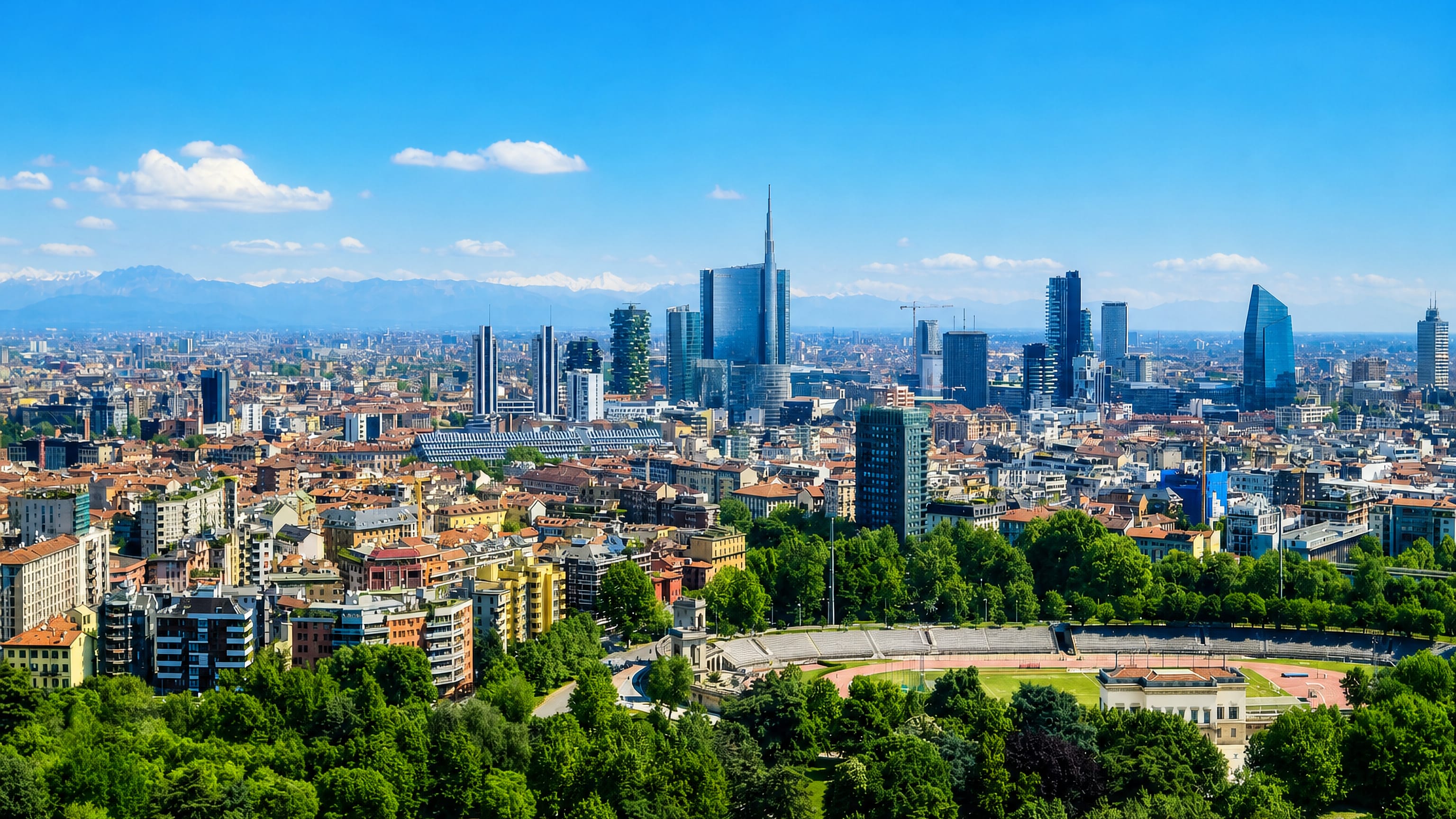
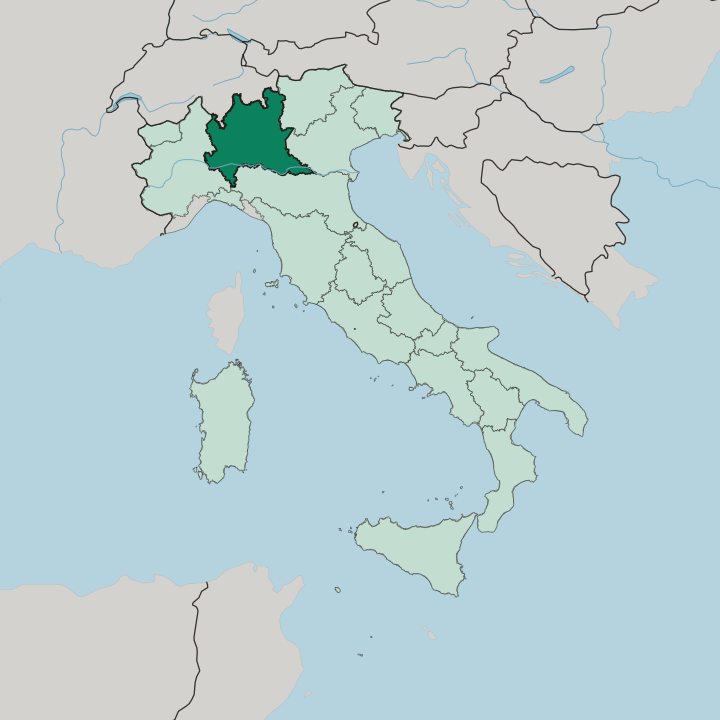
Lombardy is the wealthy region of northern Italy that runs from the Alps and the lakes down to the river Po, with Milan as its capital.
Hotel links are affiliate links: booking through them may earn us a commission, at no extra cost to you. It never affects how places are ranked. How this works


Towns & cities in Lombardia
Pick a town or city — each links to where to stay.
 Italy
Italy
Milan
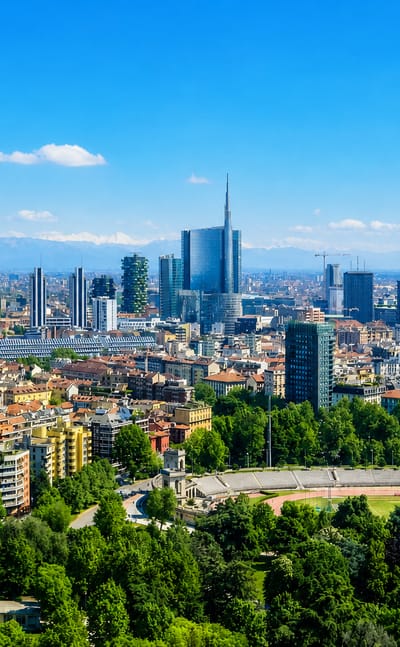
Pale marble spires crown the Duomo at Milan, a city in northern Italy and capital of Lombardia, known for fashion, opera and the Sforza Castle.Where to stay →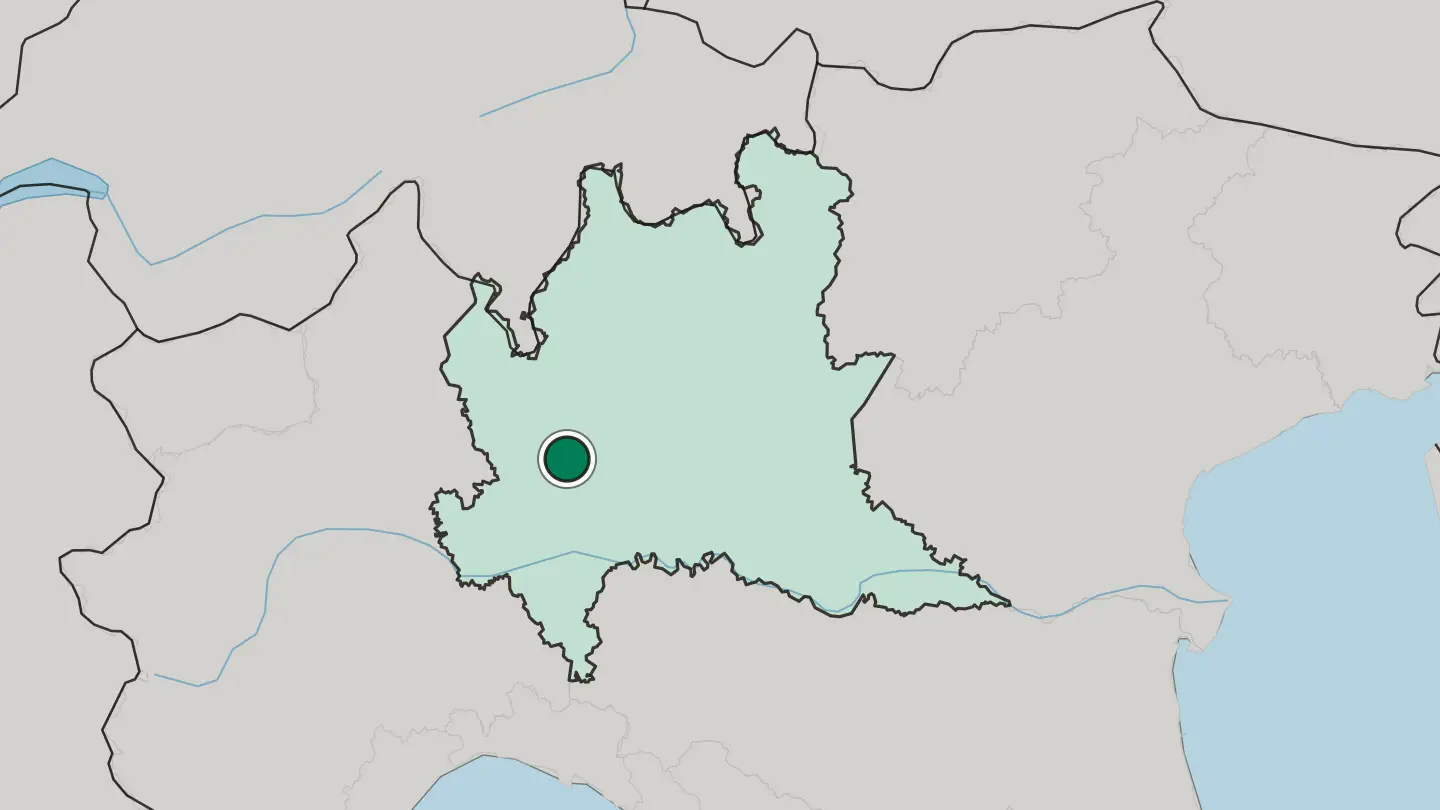
 Italy
Italy
Brescia
Two cathedrals share one square. Brescia keeps the Duomo Nuovo beside the Duomo vecchio, with the Capitolium and the Roman forum in the same centre.Where to stay →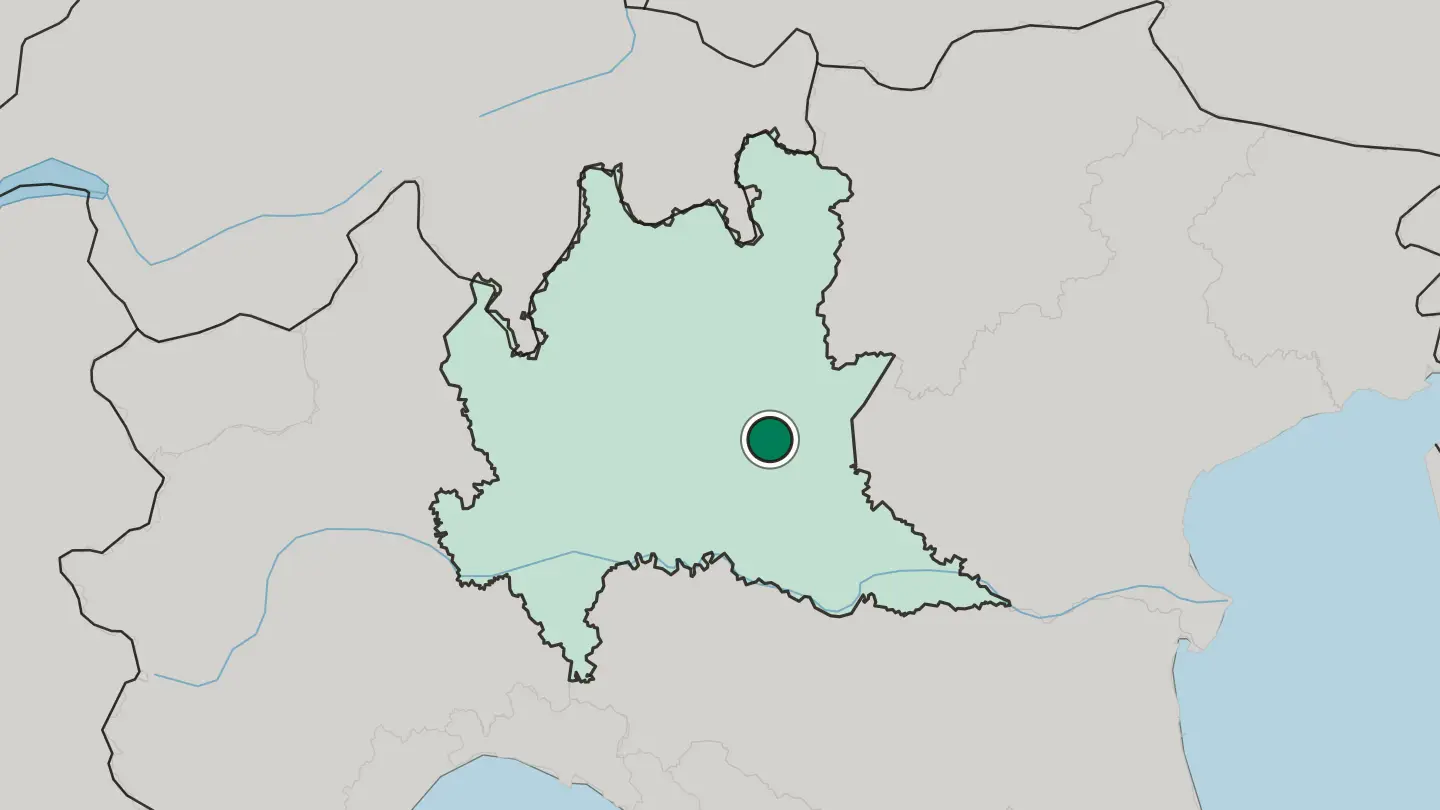 Italy
Italy
Monza
The Grand Prix comes here. Monza stands on the Lambro north-east of Milan, capital of the Province of Monza and Brianza.Where to stay →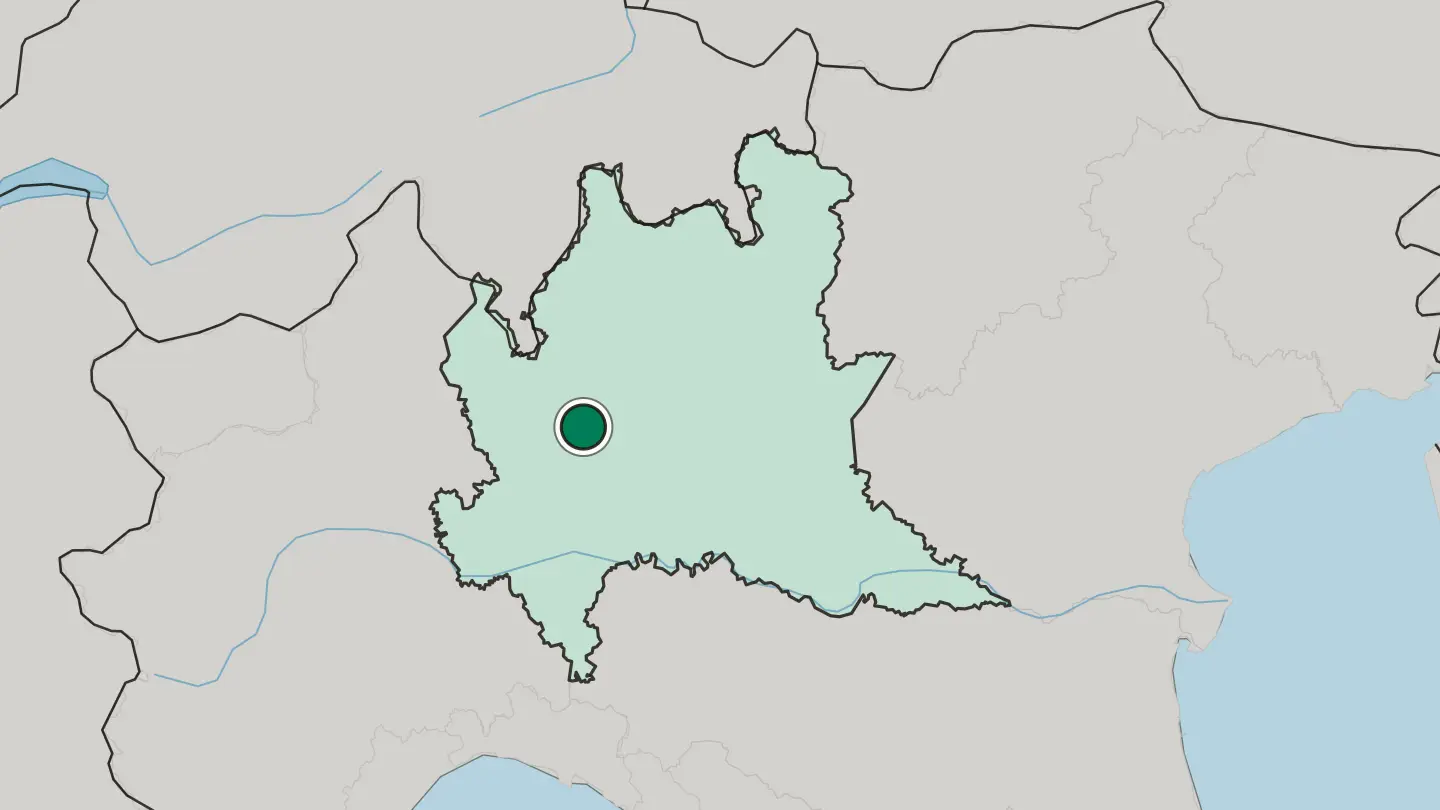
 Italy
Italy
Bergamo
Bergamo climbs a steep hill. The Bergamo Alps stand immediately north, and the Campanone, the Rocca and Bergamo Cathedral crown the upper town.Where to stay →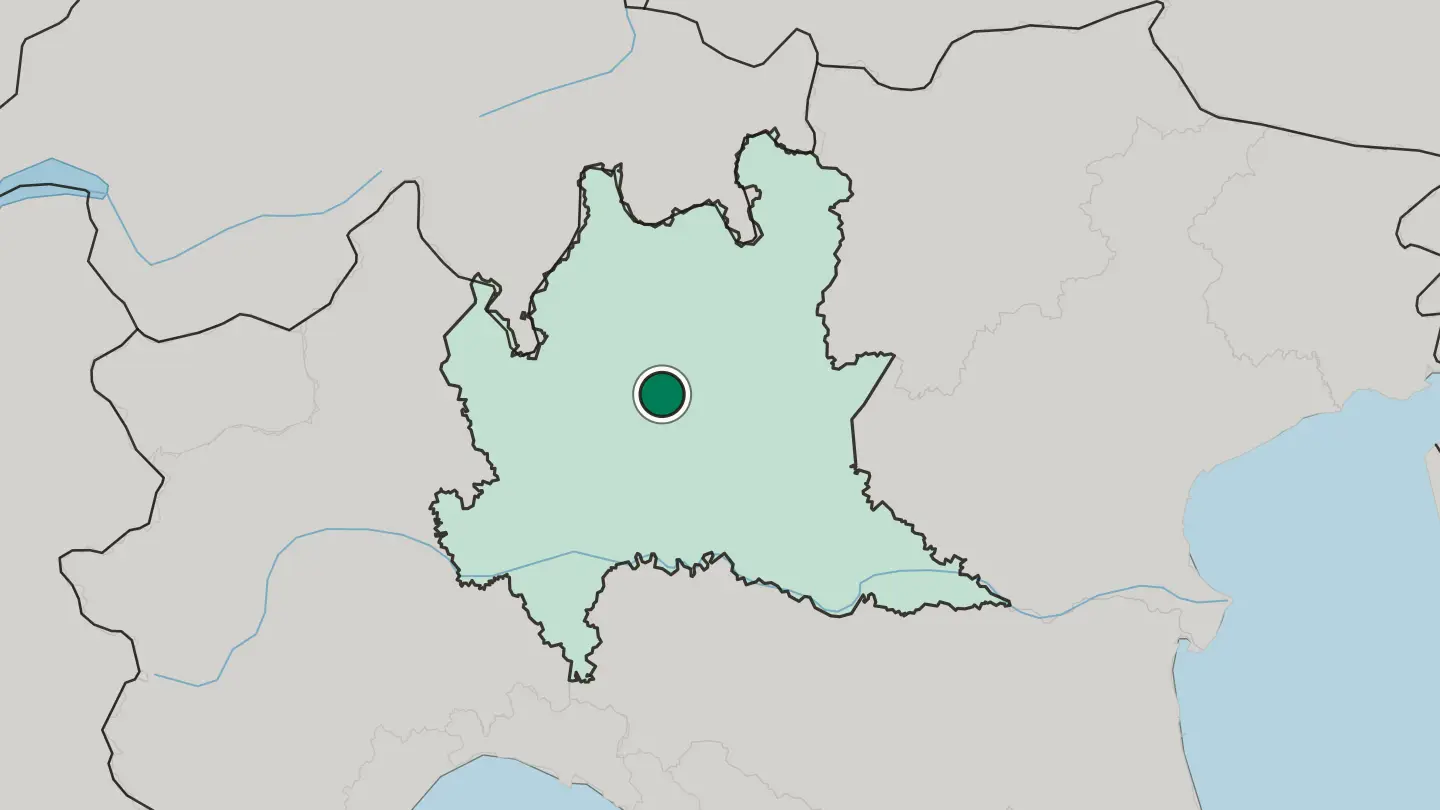
 Italy
Italy
Como
The lake ends at the city. Como sits at the southern tip of Lake Como in Lombardy, administrative capital of the Province of Como.Where to stay →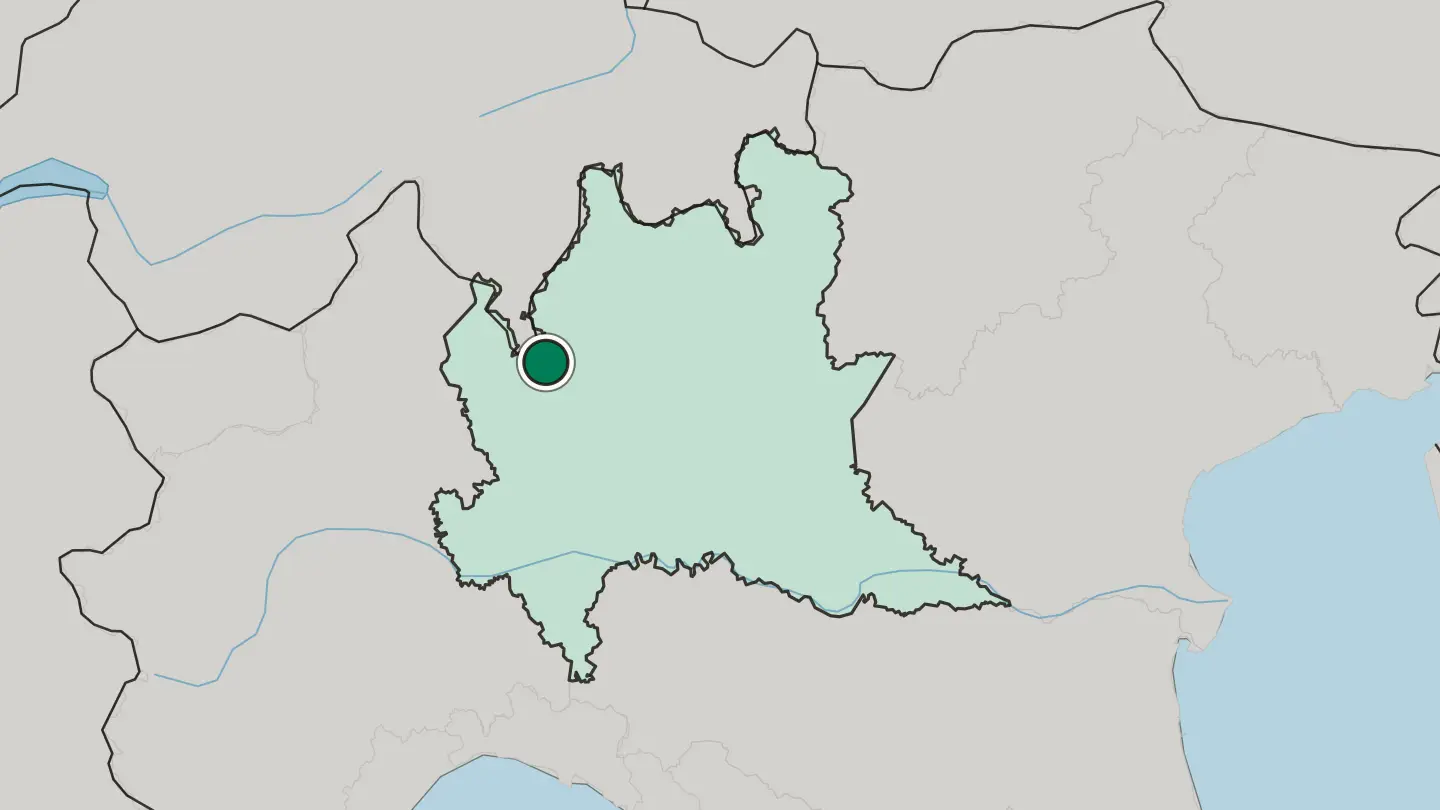
 Italy
Italy
Busto Arsizio
Textiles have a museum here. Busto Arsizio holds 30 square kilometres of the province of Varese, north of Milan.Where to stay →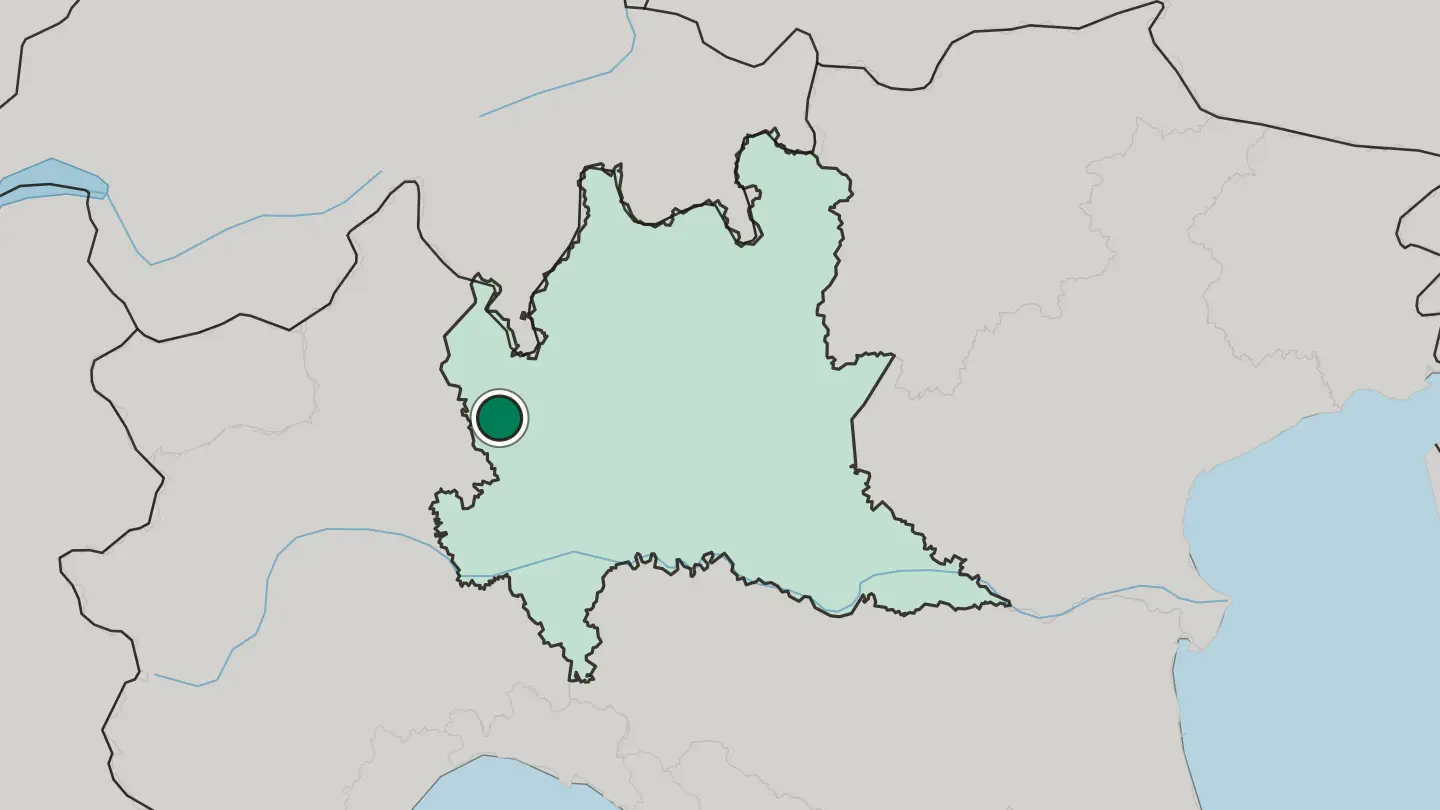
 Italy
Italy
Sesto San Giovanni
Sesto San Giovanni is a factory city in the Metropolitan City of Milan, with preserved industrial machinery and the art halls of HangarBicocca.Where to stay →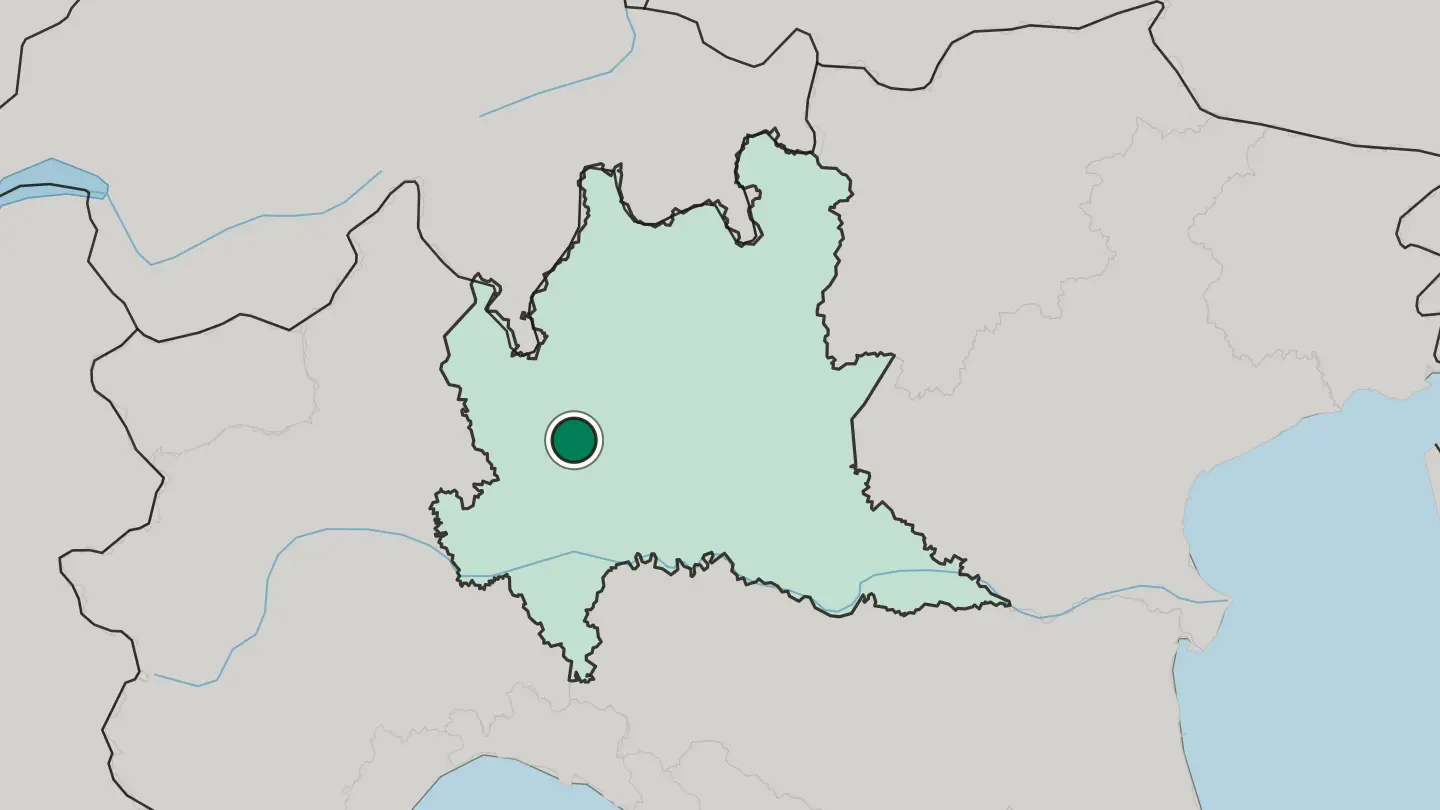
 Italy
Italy
Varese
Varese is a hillside city in Lombardia, a short way from the Swiss border, with villa gardens, castles and the Basilica di San Vittore.Where to stay →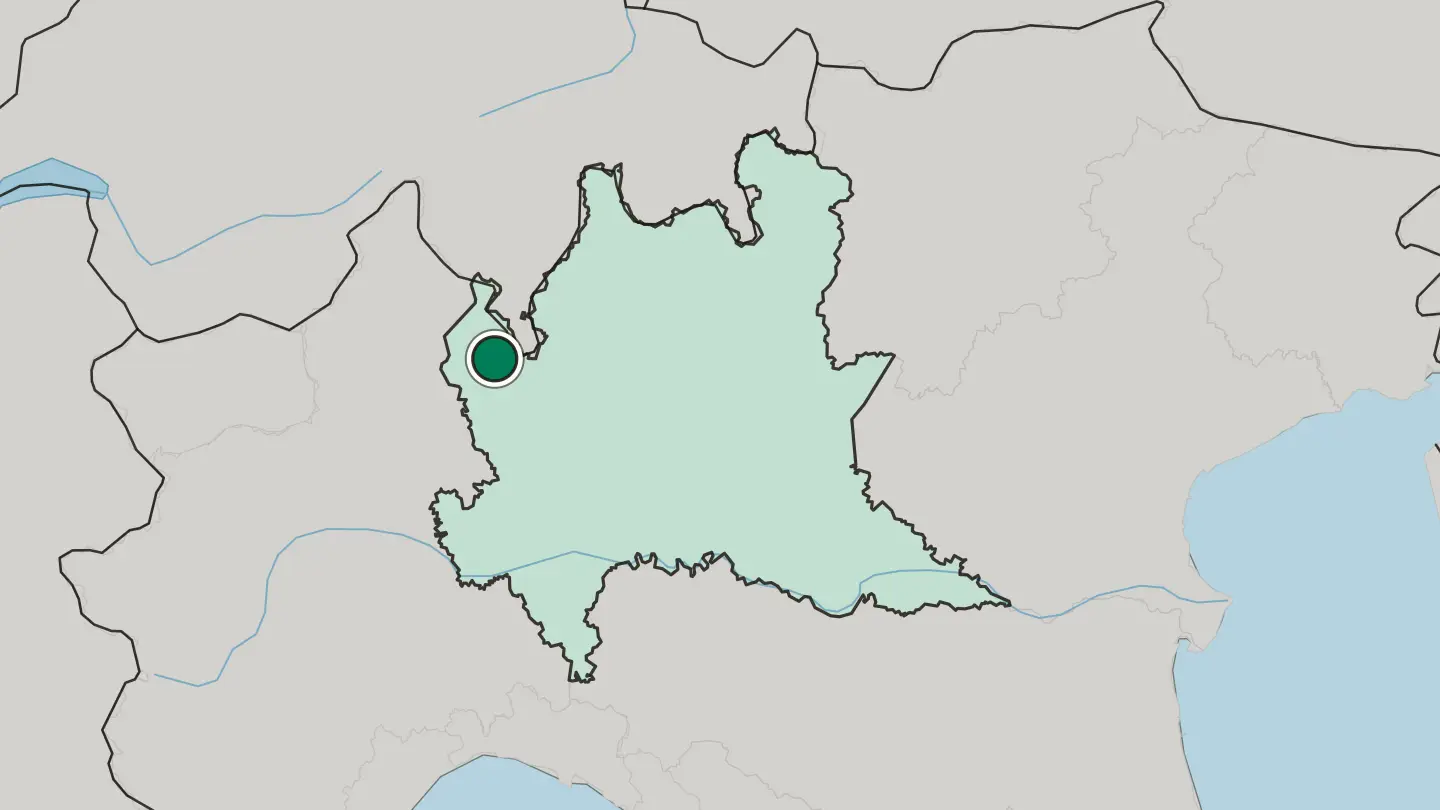
All towns & cities (14)
 Italy
Italy
Cinisello Balsamo
Photography and factories share the ground. Cinisello Balsamo is a comune of the Metropolitan City of Milan, ten kilometres northeast of the city itself.Where to stay →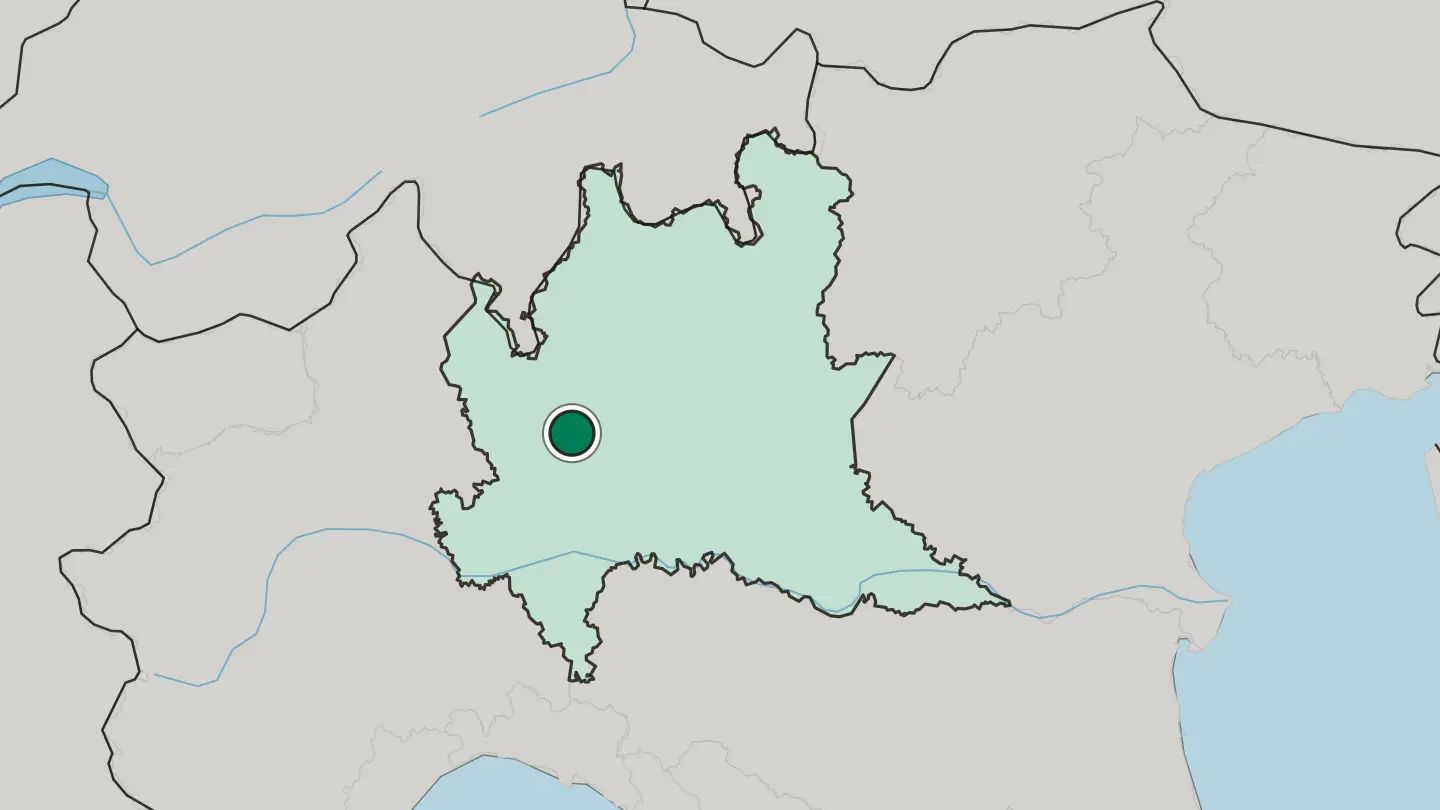
 Italy
Italy
Cremona
Violins made this city's name. Cremona stands on the left bank of the Po, capital of its province and the address of the Museo del Violino.Where to stay →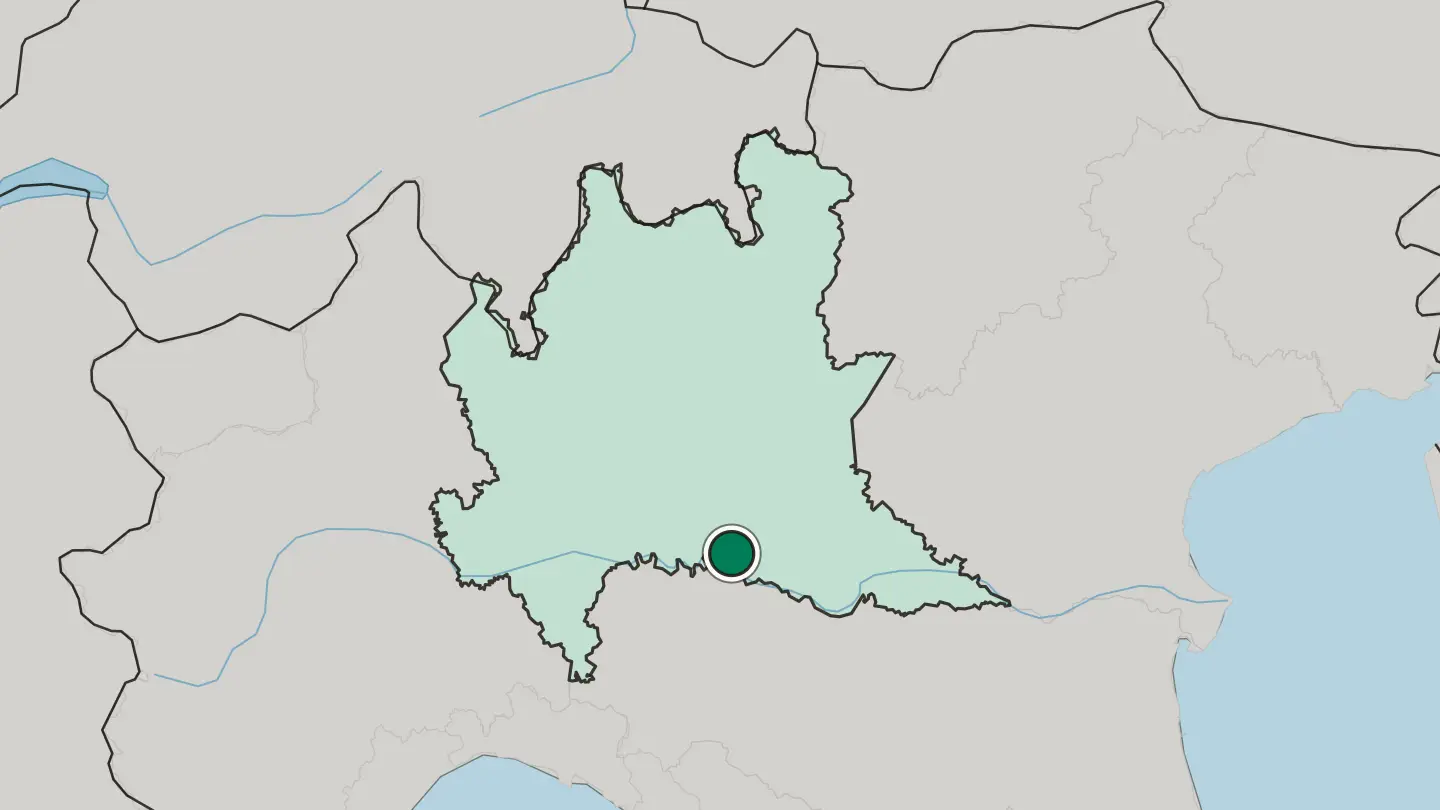
 Italy
Italy
Pavia
Pavia is a university city in Lombardia, packed with Romanesque churches, museum collections and the brick bulk of the Visconti Castle.Where to stay →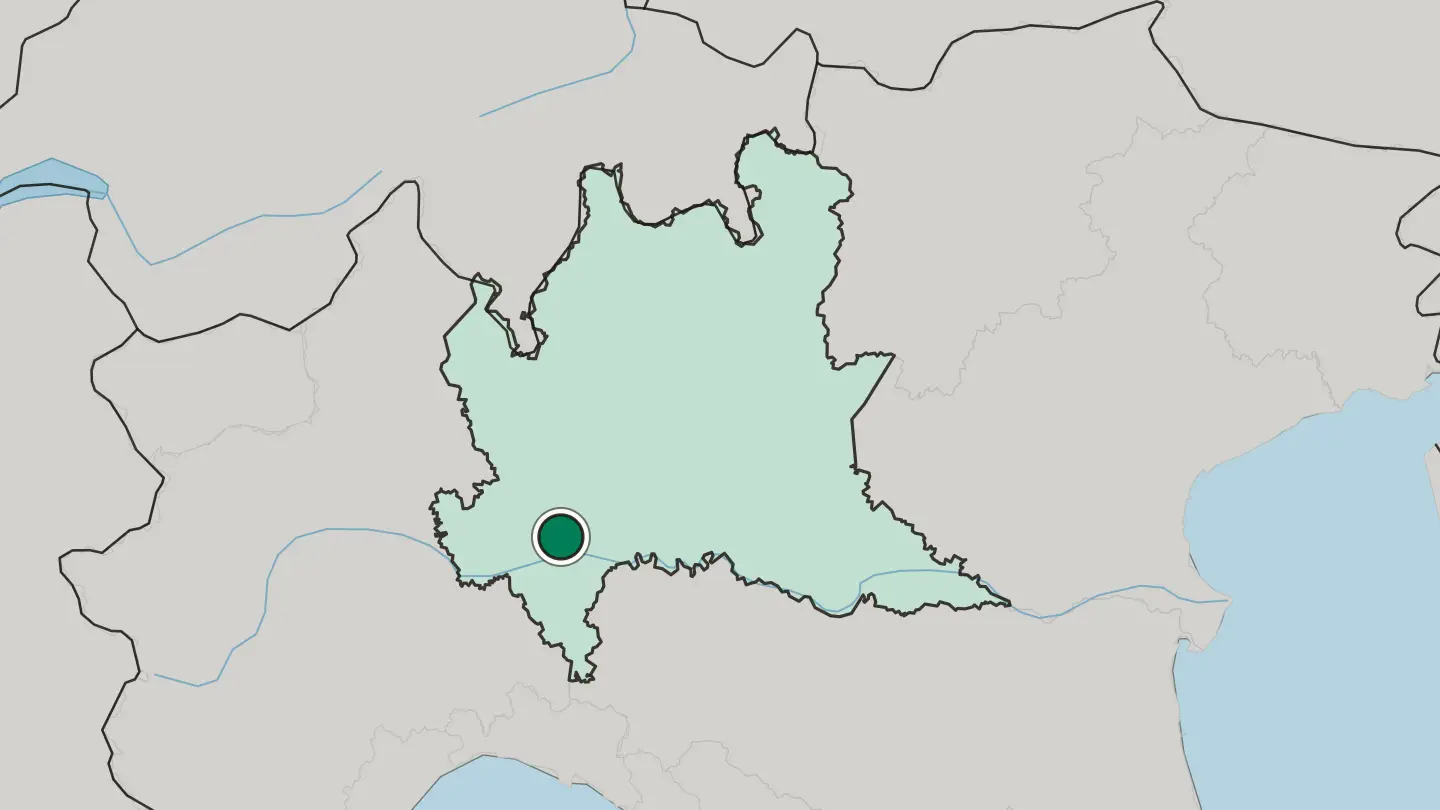
 Italy
Italy
Vigevano
Vigevano centres on the Renaissance Piazza Ducale, a Lombardia shoemaking town with the Bramante Tower and a Sforza castle above the square.Where to stay →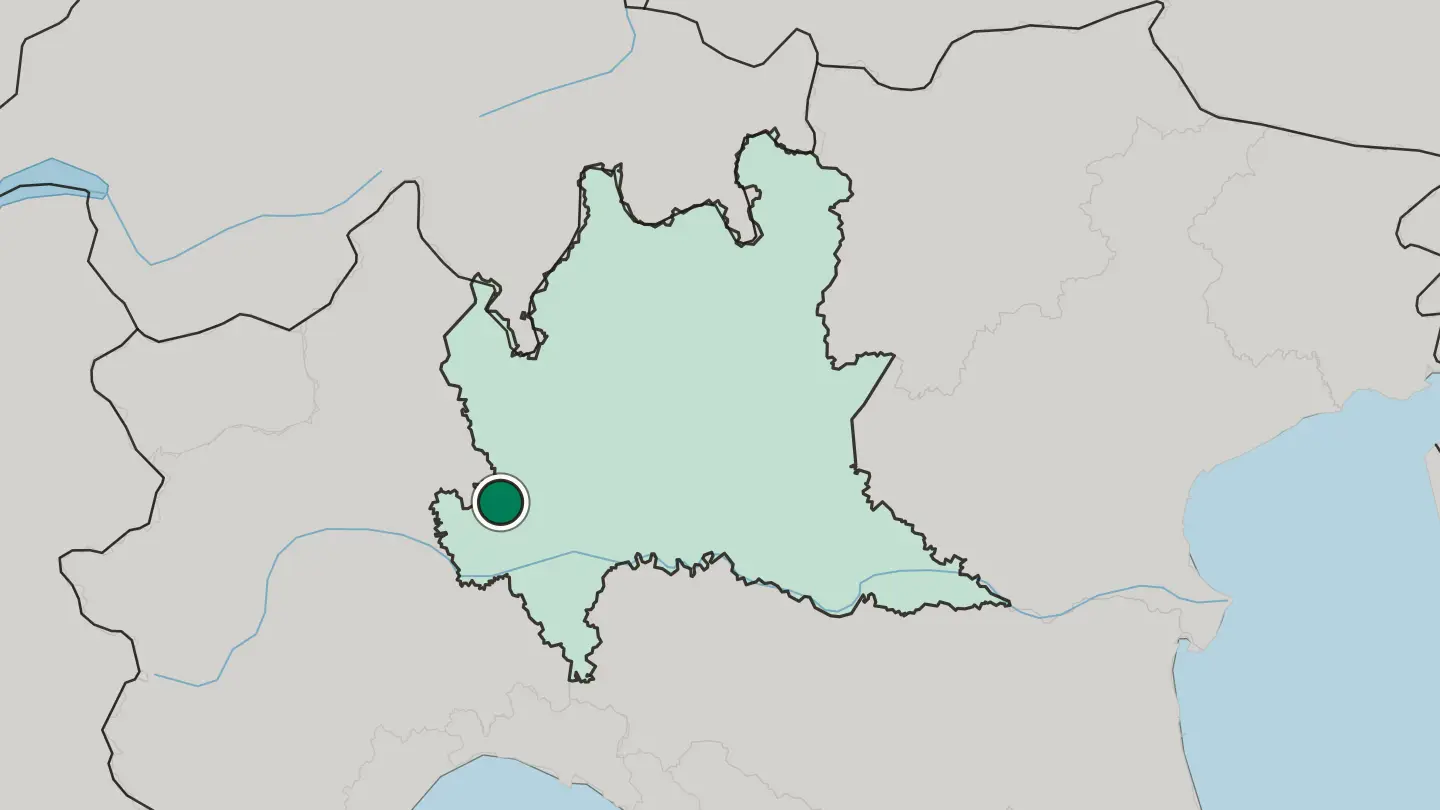
 Italy
Italy
Legnano
Eighteen churches, one castle. Legnano is a city of Lombardy, holding the Castle of Legnano and the Monument to the Warrior of Legnano.Where to stay →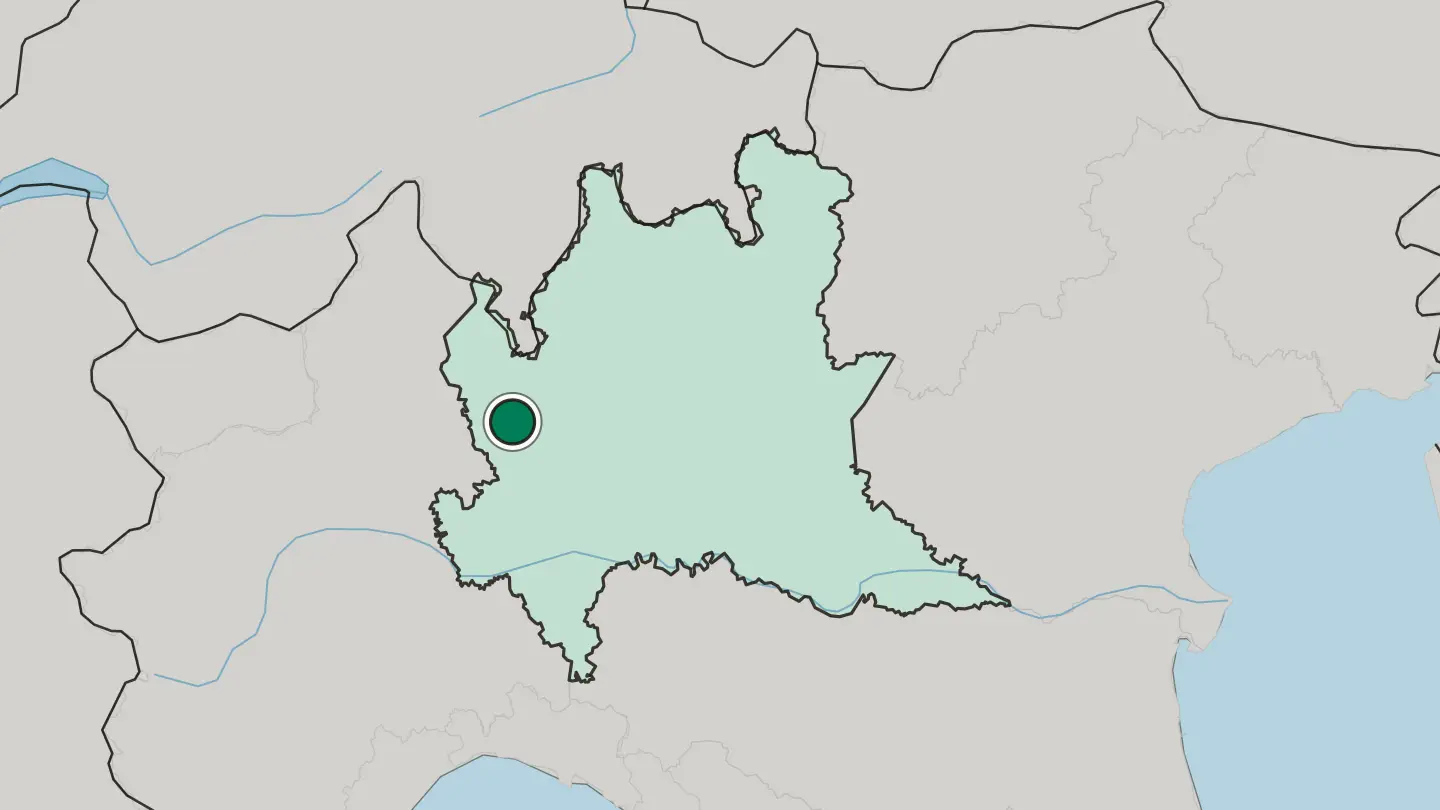 Italy
Italy
Gallarate
Castles and an art museum. Gallarate belongs to the Province of Varese and the Alto Milanese, inside the Milan metropolitan area of Lombardy.Where to stay →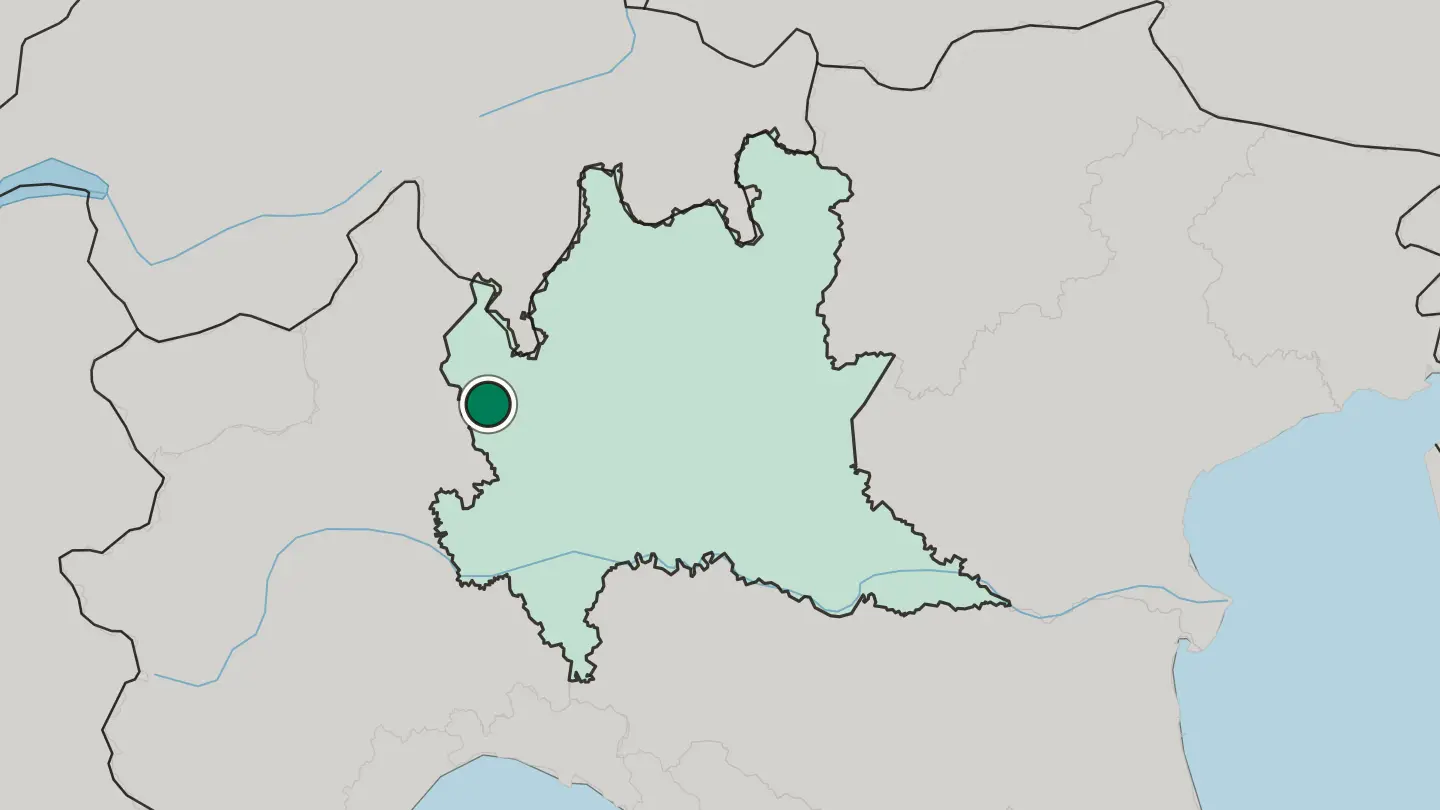
Hotel links are affiliate links: booking through them may earn us a commission, at no extra cost to you. It never affects how places are ranked. How this works
About Lombardia
Lombardy packs in the extremes.
What is Lombardia known for?
Within one region sit Milan, the country's business and fashion capital, the glacial lakes of Como and Garda strung below the Alps, and the art cities of Mantua and Cremona out on the Po plain. Ski resorts crown the northern valleys near the Swiss border. Vineyards and rice paddies cover the south.
Of Italy's twenty regions, this is the wealthiest, and the one that trades Alpine snow for lake water in a single drive.
Where is Lombardia?
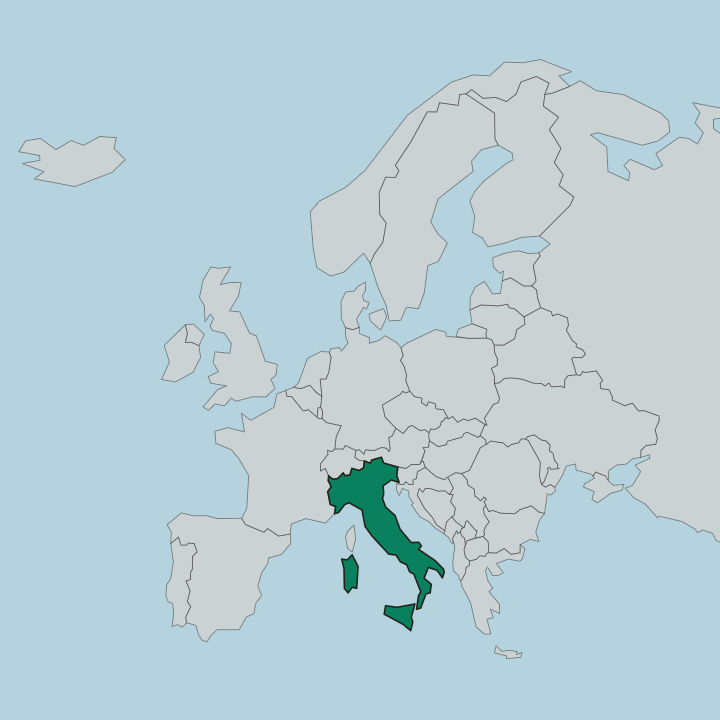
Lombardy fills the centre of northern Italy, wedged between Switzerland and the river Po. The land falls in three broad steps. Highest in the north stand the Alps, their glacial valleys running up to the Swiss border, where the Bernina range tops four thousand metres.
Below them the slopes ease into a belt of lakes gouged out by old ice, Como and Maggiore and Garda among them, each ringed by resort towns and villas. South of the lakes the ground flattens into the Po plain, the flat farmland of rice fields and dairy pasture that stretches to the great river marking the region's southern edge. Rivers thread the whole descent.
The Ticino, the Adda, and the Oglio all drain south off the mountains to feed the Po. Milan sits near the centre of the plain, the largest city and the regional capital, roughly halfway between the peaks and the river. Nothing in Lombardy lies far apart.
A traveller can wake to Alpine snow and reach the warm shore of Garda the same afternoon, crossing lake country and open farmland on the way down. That vertical sweep from glacier to paddy field shapes the region more than any one landmark.
What is Lombardia like?
Lombardy's culture bends toward the city and the workshop. Milan sets the tone. The capital drives Italian fashion and design, and holds Leonardo da Vinci's Last Supper on a refectory wall in Santa Maria delle Grazie.
Wealth built here in the Renaissance, when the Duchy of Milan ranked among the richest states in Europe and drew painters, architects, and engineers to its court. Cremona kept a narrower craft alive. The town has made violins since the workshops of Stradivari, and luthiers still cut and varnish instruments in its old lanes.
Mantua guards the frescoed palaces of the Gonzaga dukes out on the plain. Italian is the working language across the region, spoken from the Alpine valleys down to the Po. Cooking shifts with the ground underfoot, from the butter, rice, and saffron of Milanese kitchens to the lake fish of the north and the pumpkin pasta of the Mantuan flatland.
A short drive changes the dialect and the dish. The mountains, the lakes, and the industrial plain each guard a distinct way of life, loosely tied under one regional name.
What is the history of Lombardia?
Lombardy carries a Germanic name. The region takes it from the Lombards, the people who ruled much of northern Italy after the fall of Rome and left their mark on its towns. Through the Middle Ages and the Renaissance the Duchy of Milan governed the heart of the region, one of the wealthiest states of its age.
Spanish and then Austrian rule followed, before unification folded Lombardy into the Kingdom of Italy. The modern region gained its elected council in 1970, when Italy devolved power to its ordinary regions.
What is the climate of Lombardia?
The plain sets the regional pattern, and it swings hard between the seasons. Summers on the Po flatland turn hot and muggy, with thunderstorms breaking the humidity, while winters run cold and grey under fog that once smothered the fields for days. Milan sits in the thick of it.
The lakes soften their own shores, where Garda holds enough warmth for olives and lemons to grow well inland from any sea. Up in the Alps the cold deepens with height, and heavy snow feeds the ski season through the northern valleys.
How do you get to Lombardia?
Most visitors fly into Milan. Malpensa, north-west of the city, handles the long-haul traffic, while Bergamo's airport to the east feeds the low-cost routes across Europe. From either, trains and motorways run out across the plain to Como, Brescia, and the lake resorts, and north into the Alpine valleys.
High-speed rail links Milan south to the rest of Italy in a couple of hours. The lakes and mountains sit within a short ride of the capital.
Good for
More regions in Italy
Updated September 2026