Italy · Lombardia
Where to Stay in Milan, Lombardia
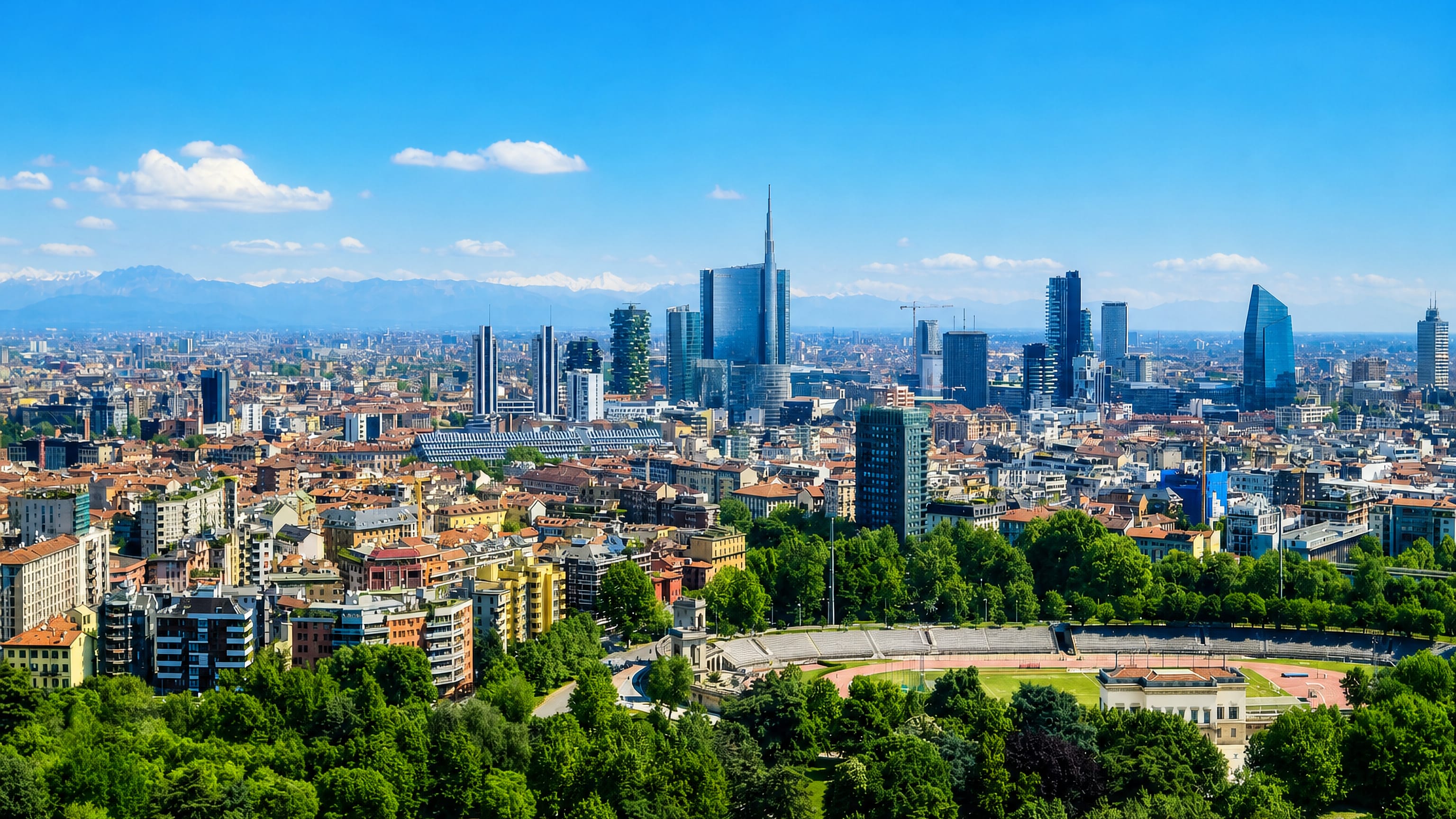
Pale marble spires crown the Duomo at Milan, a city in northern Italy and capital of Lombardia, known for fashion, opera and the Sforza Castle.
Hotel links are affiliate links: booking through them may earn us a commission, at no extra cost to you. It never affects how places are ranked. How this works


Where to stay in Milan
Each area has its own feel; here's who each one suits.

 MilanItalyArt lovers wanting galleries within walking distance
Brera
Lanes wrapped around the Pinacoteca di Brera and the Brera Astronomical Observatory, a calmer quarter of small hotels and studios.Brera →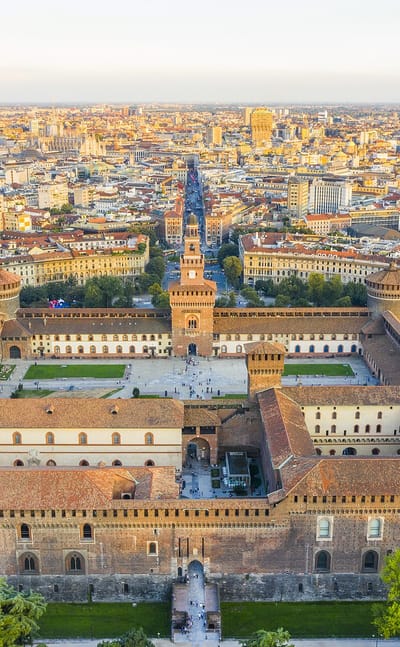 MilanItaly
Municipio 1
Municipio 1 is the innermost of Milan's nine districts, wrapping the historic core around Milan Cathedral: Sforza Castle, the Royal Palace of Milan, Brera.Where to stay →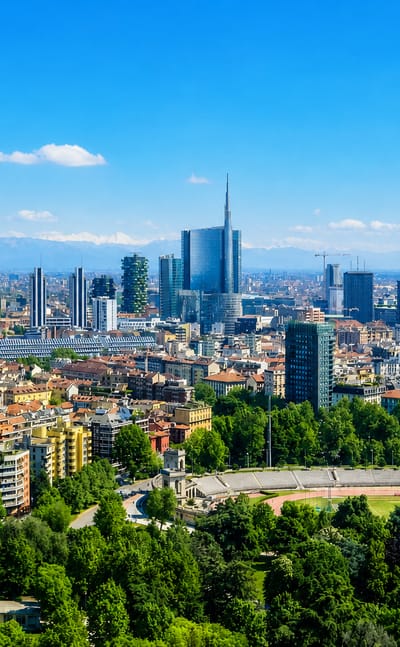 MilanItaly
Quadrilatero della moda
The Quadrilatero della moda is Milan's fashion strip by the Duomo: Via Monte Napoleone, Via Manzoni, Via della Spiga, Corso Venezia, Museo Poldi Pezzoli.Where to stay →MilanItalyChinatown
Chinatown is the Paolo Sarpi commercial quarter of Milan, the oldest and largest Chinese community in Italy.Where to stay →MilanItalyIsola
Isola is a quarter of Milan north of Porta Garibaldi, grown from a roadside borgo of the early 19th century and cut off from the city by the railway.Where to stay →MilanItalyCalvairate
Calvairate is a quartiere of southeast Milan, Lombardia, built up as public housing beyond the old walls. Milan Cathedral and Porta Vittoria lie northwest.Where to stay → MilanItaly
CityLife
CityLife is a 36.6-hectare residential, business, and shopping district of Milan, built on the old Fiera Milano grounds after the fair moved to Rho.Where to stay → MilanItaly
San Siro
San Siro is a district of Milan in Municipio 7, home to the Giuseppe Meazza stadium of Inter and Milan and to the city's racecourses.Where to stay → MilanItaly
Lambrate
Lambrate is a district of eastern Milan, in Lombardia, named for the river Lambro, its old village around Saint Martin in Lambrate next to Città Studi.Where to stay → MilanItaly
Quartiere Otto
Quartiere Otto, also written QT8, is a district of Milan whose markers include Villa Fossati and the Peoples and Cultures Museum.Where to stay →MilanItalyGratosoglio
Gratosoglio is a quartiere at Milan's southern edge, in Zone 5, bordering Rozzano with the Lambro through it. San Barnaba in Gratosoglio is its landmark.Where to stay → MilanItaly
Quarto Oggiaro
Quarto Oggiaro sits in northwest Milan's Zone 8, a working quarter by railway yards, Garegnano and Bovisasca. The Garegnano Charterhouse lies southwest.Where to stay →MilanItalyAdriano
Adriano is a quarter of the city of Milan; the name is the Italian form of the Latin Hadrianus, and the record adds little else.Where to stay → MilanItaly
Baggio
Baggio is a district on the western edge of Milan, in the Lombardia plain, its old core at Saint George Church. Muggiano falls in the same quarter.Where to stay →Hotel links are affiliate links: booking through them may earn us a commission, at no extra cost to you. It never affects how places are ranked. How this works
Find hotels in Milan
Direct booking searches for these neighbourhoods.
Duomo
The historic core around the Duomo and the Royal Palace of Milan, with the Galleria's glass arcades and the smart shops a few steps away.Find hotels in DuomoNight owls after the evening drink and the long dinnerNavigli
Bars and trattorie line the old canal towpaths south of the centre, filling at dusk with a younger crowd.Find hotels in NavigliHotel links are affiliate links: booking through them may earn us a commission, at no extra cost to you. It never affects how places are ranked. How this works
Things to do in Milan
Ranked by global recognition; descriptions from Wikidata (CC0).
Museums & Galleries
8- Pinacoteca di Brera Heritage
- Museo della Scienza e della Tecnologia "Leonardo da Vinci" Heritage
- Triennale di Milano Heritage
- Museo Poldi Pezzoli Heritage
- Galleria d'arte moderna di Milano Heritage
Show 3 more →
- Archaeological Museum of Milan Heritage
- Museo Teatrale alla Scala Heritage
- Gallerie d'Italia – Milano Heritage
Churches & Religious Sites
8- Santa Maria delle Grazie UNESCO
- Milan Cathedral Heritage
- Santa Maria presso San Satiro Heritage
- San Bernardino alle Ossa Heritage
- Basilica of San Lorenzo Heritage
Show 3 more →
- San Maurizio al Monastero Maggiore Heritage
- Basilica of San Simpliciano Heritage
- San Nazaro in Brolo Heritage
Castles & Historic Sites
3- Sforza Castle Heritage
- Royal Palace of Milan Heritage
- Castello Visconteo di Cassino Scanasio Heritage
Stadiums & Sports
2- Velodromo Vigorelli Heritage
- Poligono di Tiro a segno Heritage
Landmarks & Notable Places
6- Torre Velasca Heritage
- Torre Branca Heritage
- Casa Galimberti Heritage
- Casa Guazzoni Heritage
- Casa Barni Heritage
Show 1 more →
- Casa Bonora Heritage
worth knowingacross 5 categories in Milan
About Milan
What is Milan known for?
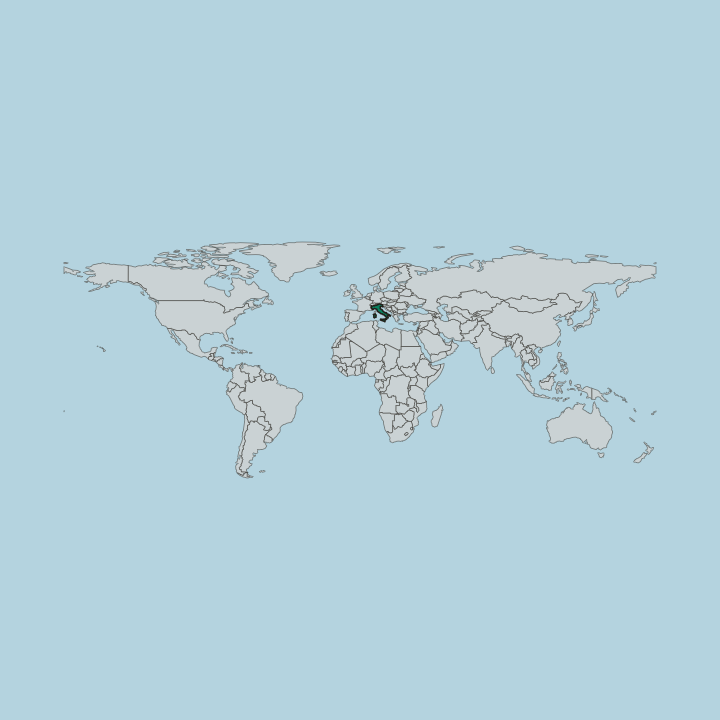
Milan is Italy's financial and fashion capital, a working northern city better known for its trades than its skyline. Fashion aficionados and international paparazzi fill it for the spring and autumn fairs. The Borsa Italiana keeps the money moving.
Opera lives at La Scala, football at the great clubs, design at the Triennale di Milano. Milan is the second-most populous city in Italy after Rome, and sits at the centre of the country's largest metropolitan area, yet its pleasures are worldly rather than monumental: shopping, the opera season, the long ritual of the evening drink.
What are the main landmarks in Milan?
Milan Cathedral crowns the city with its forest of marble pinnacles. It is the one sight no visitor skips. A short walk away, Santa Maria delle Grazie holds Leonardo's Last Supper on its refectory wall, drawing a booked-out queue year round.
The brick Sforza Castle guards the old core. Its courtyards open onto museums and parkland. Quieter marvels wait in the frescoed walls of San Maurizio al Monastero Maggiore, the bone-lined chapel of San Bernardino alle Ossa, and the paleochristian columns of the Basilica of San Lorenzo, a heritage far older than the fashion houses.
What is the history of Milan?
Milan grew up on the Lombard plain of northern Italy as a marketplace and a seat of power, and its churches carry that long past in stone. The Basilica of San Lorenzo still stands on Roman-era columns, while Santa Maria delle Grazie and the great Milan Cathedral rose across the medieval and Renaissance centuries as dukes and archbishops competed to build. Power settled at the Sforza Castle, whose ruling houses drew artists to the city.
Leonardo among them. The modern city was scarred hard by the Second World War, when bomb raids destroyed much of the old fabric. Milan rebuilt itself into a business capital rather than a museum, and the postwar decades gave it the Torre Velasca and the collections of the Museo del Novecento.
Trade, banking and fashion filled the space that war had cleared. What survived the bombs, the churches and the castle, now stands among the offices and the fashion houses as the older layer of a working city, and the Basilica of San Lorenzo remains its oldest visible root.
Where is Milan?
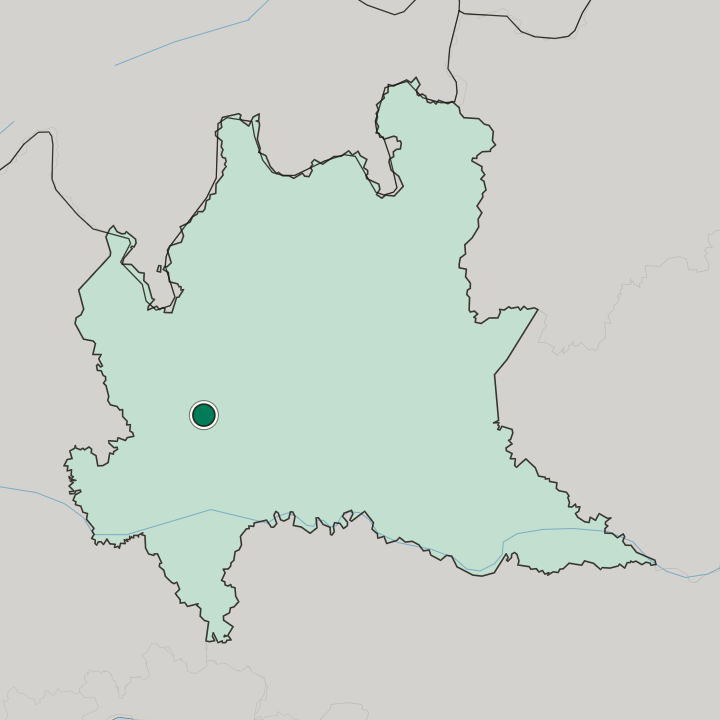
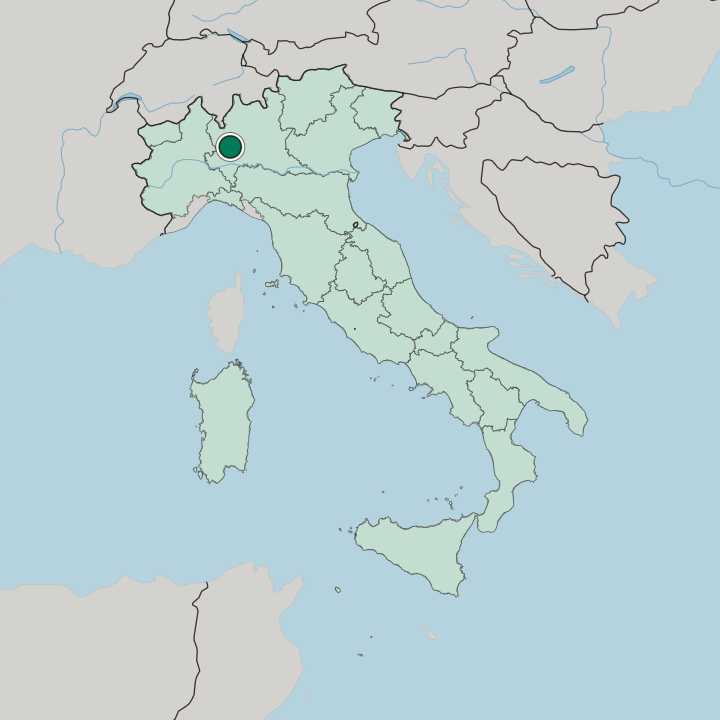
Milan sits on the broad Lombard plain of northern Italy. As capital of Lombardia, it stands at the centre of the region's dense web of towns and rail lines rather than on any coast or great river, the flat farmland spreading south from the Alps toward the Po. No sea, no ridge.
The old canals, the Navigli, once linked the landlocked city to the waterways of the plain and still trace its southern quarters. Flat ground let it grow outward in rings from the Duomo.
What is the climate of Milan?
Milan has the humid climate of the Lombard plain, hemmed in by the Alps to the north, where damp fog settles over the flat land in the cold months and hangs low around the rooftops of the Duomo. Winters are grey. Summers turn hot and heavy, the still air of the plain trapping the heat between the tall blocks.
Spring and autumn run milder and shorter, the seasons that carry the great fashion fairs. Rain comes all year, keeping the parks around the Sforza Castle green.
How do you get to Milan?
Milan is the transport hub of northern Italy, the point where the country's rail and motorway lines knot together. Fast trains reach it from Rome and the other Italian cities, sliding into the grand halls of the central station. Two airports serve the area.
A smaller one sits close to the city for regional flights, while a larger one out on the plain handles the long-haul and European routes that make Milan a common first stop in the country. From the station, the metro and tram carry you to the Duomo and the Sforza Castle in minutes.
Common questions
What is the best area to stay in Milan?
Duomo: First-time visitors who want the cathedral and the shops at the door. Brera: Art lovers wanting galleries within walking distance. Navigli: Night owls after the evening drink and the long dinner.
Good for
More cities in Lombardia
Updated October 2026