Italy · Lombardia
Where to Stay in Varese, Lombardia
Varese is a hillside city in Lombardia, a short way from the Swiss border, with villa gardens, castles and the Basilica di San Vittore.
Hotel links are affiliate links: booking through them may earn us a commission, at no extra cost to you. It never affects how places are ranked. How this works


Where to stay in Varese
The practical side of choosing where to sleep.
The centre is compact and worth the walk. Rooms around Basilica di San Vittore and the San Vittore Bell Tower put the Baptistry, the shopping streets and the bus stops within a couple of minutes, and that convenience counts for more here than in flatter cities, because Varese asks a climb of anyone crossing it on foot. Hills tire the legs fast.
Ippodromo Le Bettole and the ACinque ICE Arena sit out from the centre, so anyone here for a race meeting or a match should check the distance before settling on a base. Masnago offers the alternative. Its streets run above the centre near Masnago Castle, green and quiet, with easier parking than the old lanes allow.
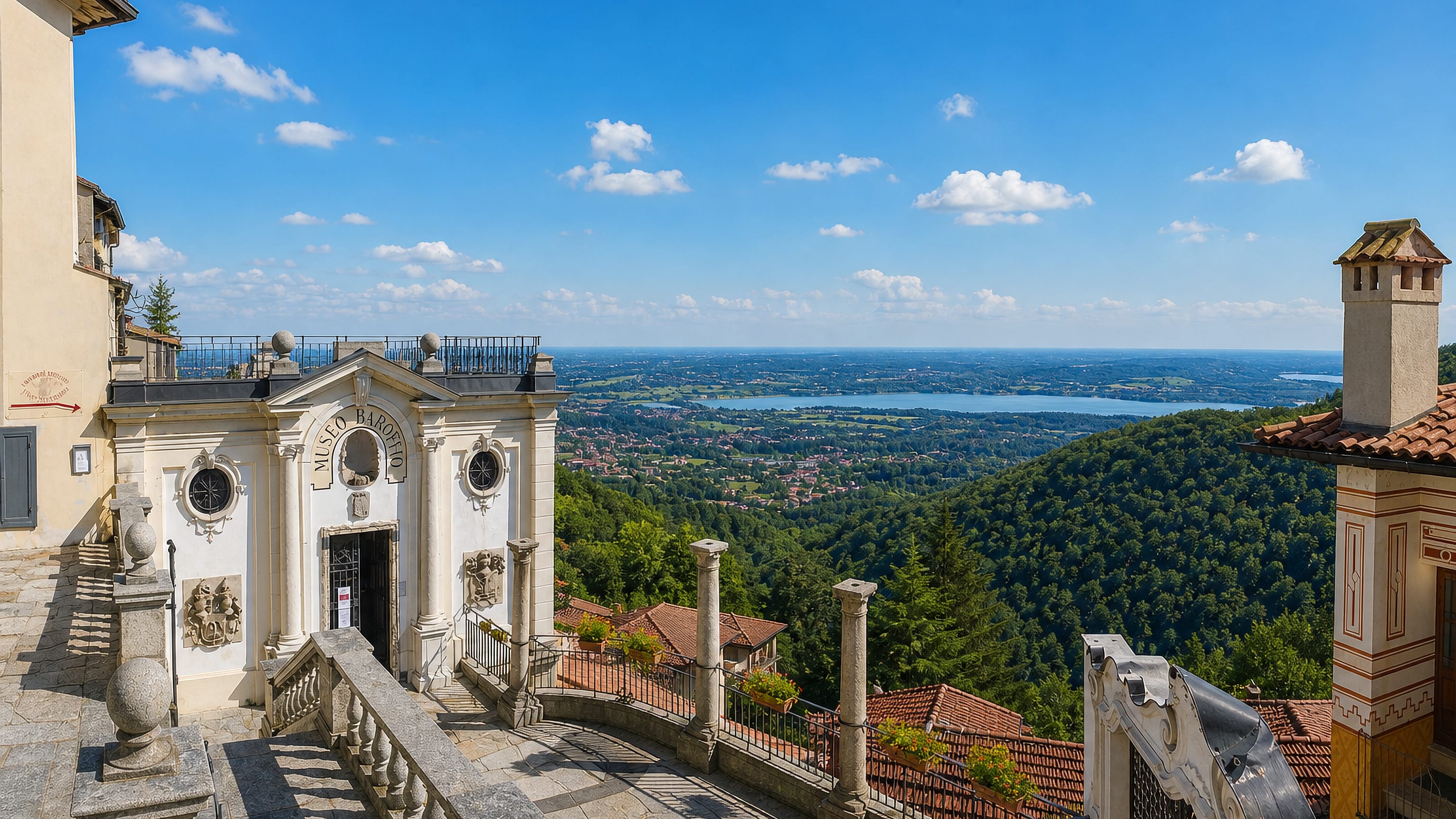
Art visitors often prefer the slope below Villa Menafoglio Litta Panza, where the outlook carries over the lake to the Alps and the evenings stay still. The Swiss border is close enough that some travellers base themselves here and cross by day. Wherever the room ends up, the Civic Tower of Varese gives a reliable point to steer back towards, and the walk downhill at the end of an evening is easier than the walk up.
Find hotels in Varese
Direct booking searches for these neighbourhoods.
Basilica di San Vittore quarter
The old centre wraps around Basilica di San Vittore and the San Vittore Bell Tower, leaving the Baptistry and the bus stops a couple of minutes off.Find hotels in Basilica di San Vittore quarterStays pairing Masnago Castle with quiet residential streets and simple parkingMasnago
Masnago Castle and its museum stand above the centre in a green quarter where the streets are calm and a car is no burden. Rooms are few around here — worth securing early.Find hotels in MasnagoArt visitors basing themselves below Villa Menafoglio Litta PanzaVilla Panza slope
The slope under Villa Menafoglio Litta Panza looks over the lake towards the Alps, a short climb from the centre and quieter once the gallery shuts. Few places to stay nearby — book ahead.Find hotels in Villa Panza slopeHotel links are affiliate links: booking through them may earn us a commission, at no extra cost to you. It never affects how places are ranked. How this works
Things to do in Varese
Ranked by global recognition; descriptions from Wikidata (CC0).
Museums & Galleries
3- Villa Menafoglio Litta Panza Heritage
- Museo civico archeologico di Villa Mirabello Heritage
- Sala Veratti
Churches & Religious Sites
4- Basilica di San Vittore Heritage
- Sant'Antonio alla Motta Heritage
- Baptistry Heritage
- Santo Stefano Heritage
Castles & Historic Sites
4- Masnago Castle Heritage
- Castello di Frascarolo Heritage
- Castello di Belforte Heritage
- Castello di Bizzozero Heritage
Stadiums & Sports
3- ACinque ICE Arena
- Ippodromo Le Bettole
- Palestra XXV Aprile
Landmarks & Notable Places
1- Villa via Carcano 5A Heritage
worth knowingacross 5 categories in Varese
About Varese
Views do the work here.
What is Varese known for?
Varese climbs its hills a short drive from the Swiss border, and the ground rises steeply enough that the Alps and the lake below both appear from ordinary residential streets. Villa Menafoglio Litta Panza holds contemporary art in a garden setting. Sport matters too.
Ippodromo Le Bettole and the ACinque ICE Arena keep a calendar running through the year.
What are the main landmarks in Varese?
Basilica di San Vittore anchors the old centre, with the San Vittore Bell Tower and the Baptistry beside it, a group that repays a slow circuit before the shopping streets fill up. Masnago Castle keeps a museum. Villa Menafoglio Litta Panza is the headline stop for most visitors, while the Museum of modern and contemporary art of Varese and the Museo civico archeologico di Villa Mirabello divide the remaining collections between them.
Sala Veratti hosts smaller shows.
What is the history of Varese?
Castles came first. Castello di Belforte, Castello di Bizzozero, Castello di Frascarolo and Masnago Castle each hold a separate rise around the modern city, the clearest surviving sign of how many small settlements were later gathered into one town. The Baptistry belongs to that same early stretch.
Basilica di San Vittore and its later San Vittore Bell Tower grew where the population concentrated, while Santo Stefano and Sant'Antonio alla Motta served outlying parishes. Wealth arrived with the villas. Villa Menafoglio Litta Panza and Villa Mirabello were built for families who wanted the hillside air and the outlook down to the lake, and both now serve the public, one as a gallery of modern and contemporary art and the other as the Museo civico archeologico di Villa Mirabello.
Varese became the capital of the Province of Varese, which brought it courts, offices and an administrative weight its neighbours lack. Its hinterland took the name Varesotto. Later decades added the sporting fabric of Ippodromo Le Bettole, the ACinque ICE Arena and Palestra XXV Aprile.
The Civic Tower of Varese still fixes the centre for anyone walking up from the station.
Where is Varese?
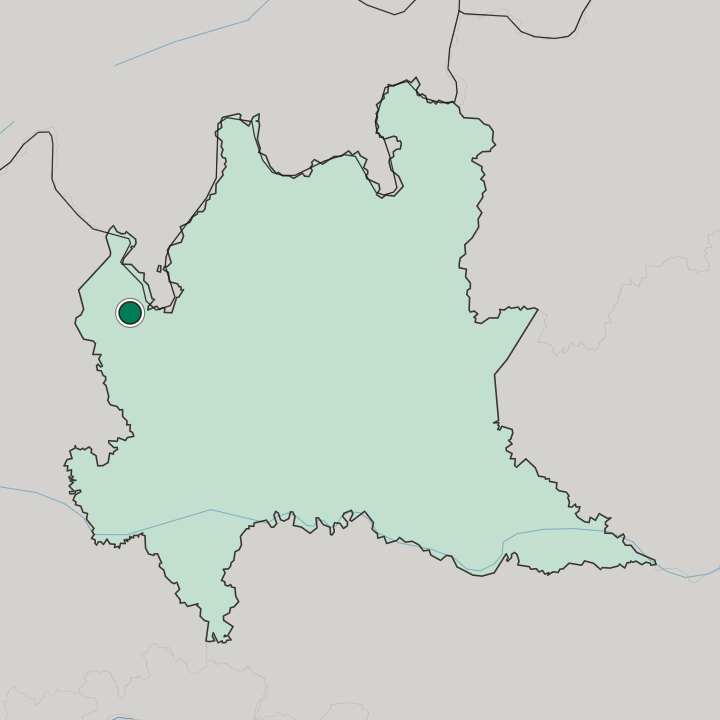
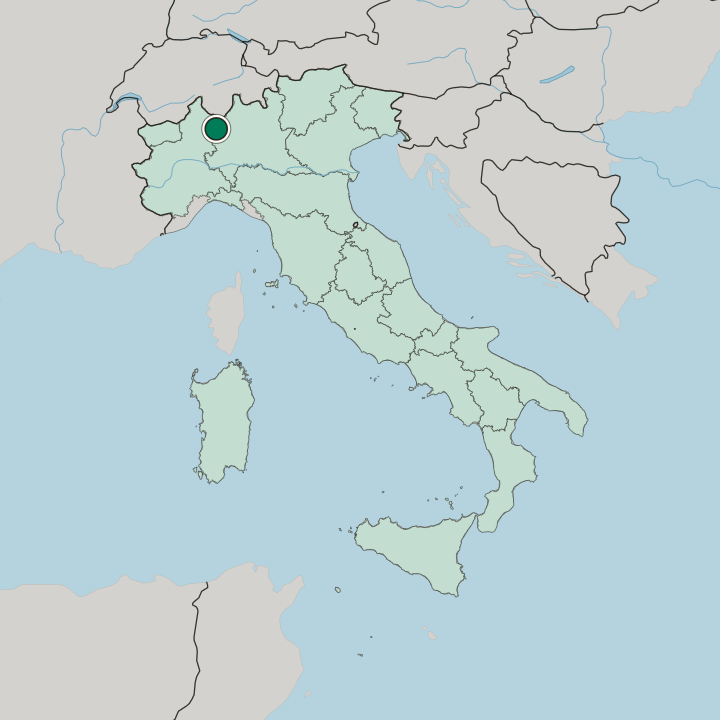
Hills define the shape of Varese. The city occupies about fifty-five square kilometres of slope and terrace, dropping from wooded ridges towards the lake that carries its name, so the streets change level constantly and few of them run straight for long. Varese stands north-west of Milan.
The Swiss border is closer still, and the Alps close the horizon on clear days.
What is the climate of Varese?
The Alps keep Varese wetter than the flat country below, and storms building over the ridges break here first, which is why the hillside gardens stay green through summers that dry out the land further south. Rain is frequent. Winters bring cold air down off the mountains, though the lake takes the edge off the worst of it.
Snow reaches the higher streets more often than the centre.
How do you get to Varese?
Most arrivals come up from Milan. Trains run north-west out of that city and climb gradually into the hills, and the ride is short enough that Varese works as a day trip for anyone based on the plain. Everything else comes by road.
The Swiss border crossings are only a few kilometres on, which makes the city a common first or last stop for drivers moving between the two countries. Buses fill in from the Varesotto.
Common questions
What is the best area to stay in Varese?
Basilica di San Vittore quarter: Walkers wanting Basilica di San Vittore, the Baptistry and the shopping streets at the door. Masnago: Stays pairing Masnago Castle with quiet residential streets and simple parking. Villa Panza slope: Art visitors basing themselves below Villa Menafoglio Litta Panza.
Good for
More cities in Lombardia
Updated October 2026