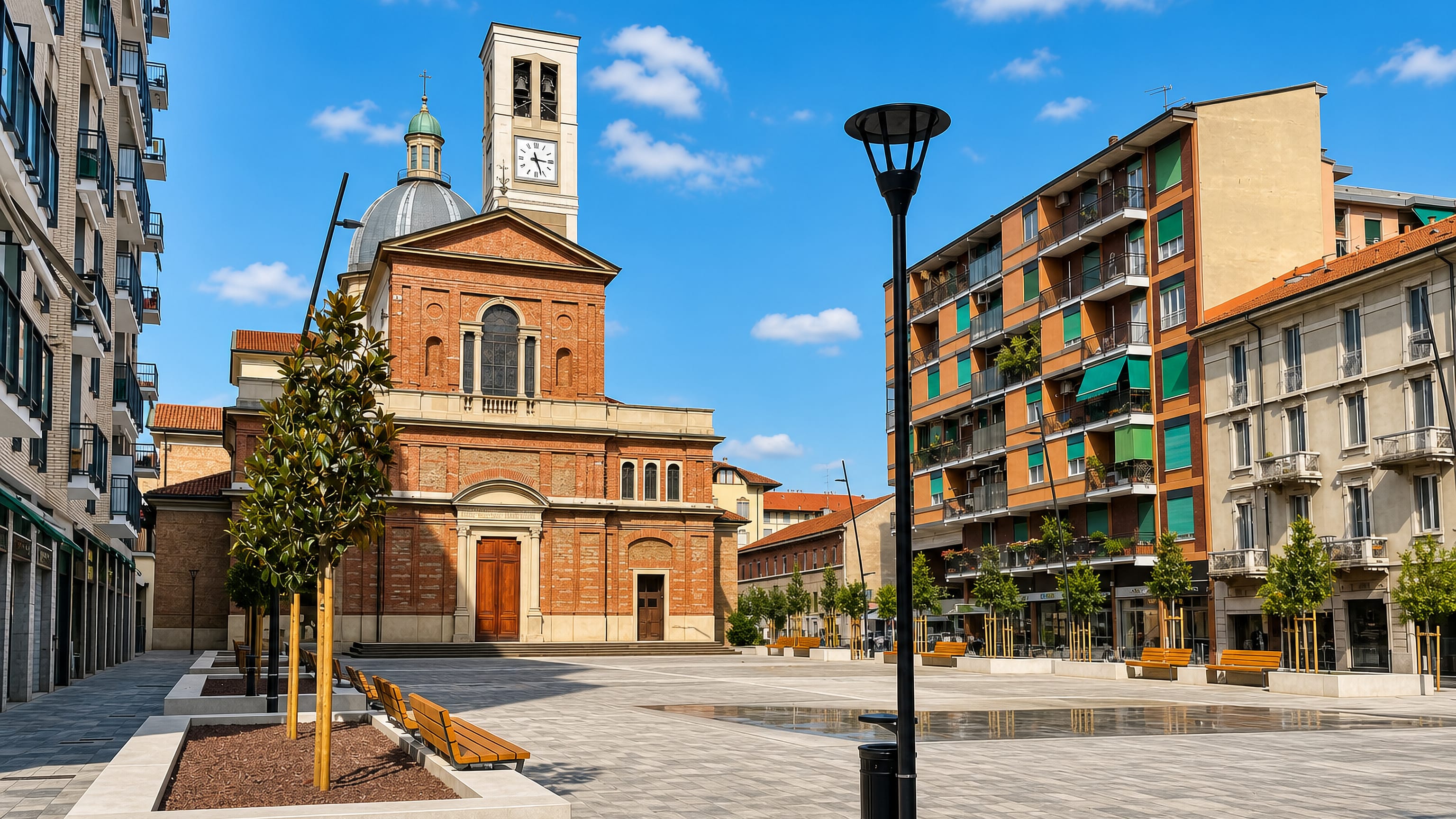
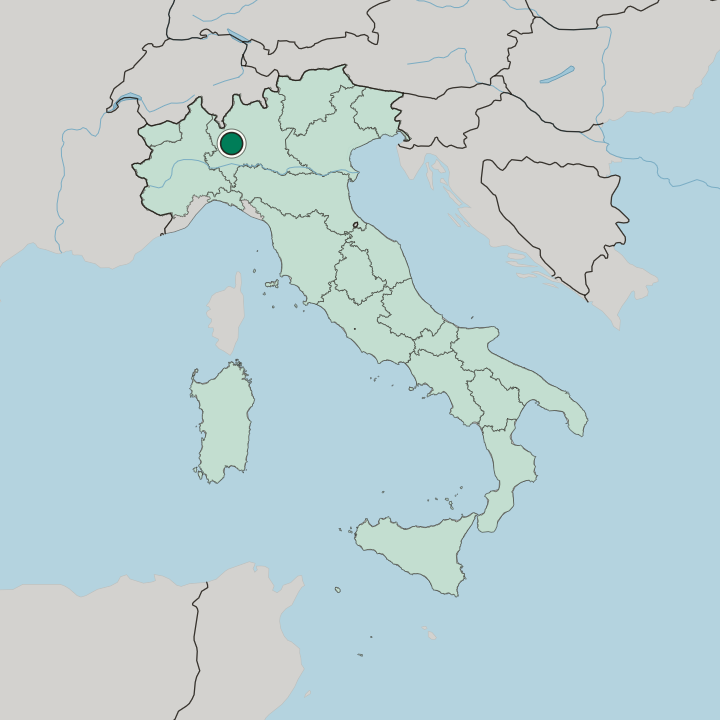
Italy · Lombardia
Where to Stay in Sesto San Giovanni, Lombardia
Sesto San Giovanni is a factory city in the Metropolitan City of Milan, with preserved industrial machinery and the art halls of HangarBicocca.
Hotel links are affiliate links: booking through them may earn us a commission, at no extra cost to you. It never affects how places are ranked. How this works


Where to stay in Sesto San Giovanni
One neighbourhood here has its own guide — here's what it is best for.

 Sesto San GiovanniItaly
Milano Due
Milano Due is a district of Sesto San Giovanni founded in 1970, with the Santissimo Crocefisso Church among its three churches.Where to stay →Hotel links are affiliate links: booking through them may earn us a commission, at no extra cost to you. It never affects how places are ranked. How this works
Find hotels in Sesto San Giovanni
Direct booking searches for these neighbourhoods.
City Hall blocks
Modern business hotels stand within a few streets of Sesto San Giovanni City Hall, with San Martino Church nearby and the metro stops on the same run of pavement.Find hotels in City Hall blocksArt visitors who want HangarBicocca within walking distanceHangarBicocca side
Rebuilt works land beside HangarBicocca now carries offices and hotels, quiet after dark and close to the trains into Milan.Find hotels in HangarBicocca sideQuieter nights near San Martino Sanctuary, off the through roadsSan Martino Sanctuary streets
Residential streets around San Martino Sanctuary keep traffic light, and the Museum of Contemporary Photography stays within reach on foot. Beds are limited here, so book early.Find hotels in San Martino Sanctuary streetsHotel links are affiliate links: booking through them may earn us a commission, at no extra cost to you. It never affects how places are ranked. How this works
Things to do in Sesto San Giovanni
Ranked by global recognition; descriptions from Wikidata (CC0).
Museums & Galleries
1- Museo Zambon
Churches & Religious Sites
4- Our Lady of Lourdes Sanctuary Heritage
- Santissimo Crocefisso Church Heritage
- Santa Maria Nascente Church Heritage
- chiesa di Santa Maria Ausiliatrice Heritage
Castles & Historic Sites
1- Monumento alla Resistenza Heritage
Landmarks & Notable Places
1- Sesto San Giovanni City Hall Heritage
worth knowingacross 4 categories in Sesto San Giovanni
About Sesto San Giovanni
Factories made this place.
What is Sesto San Giovanni known for?
The Milling machine BREDA stands in the open as a monument to the works that once filled Sesto San Giovanni, an unusual thing for a town to put on a plinth, and it sets the tone for everything else here. HangarBicocca gives over old shed space to art on a large scale. Galleria Campari keeps a company archive.
The Museum of Contemporary Photography rounds out an unlikely trio.
What are the main landmarks in Sesto San Giovanni?
HangarBicocca is the reason most outsiders come. Its halls take work at a scale few galleries can handle. The Museum of Contemporary Photography and Galleria Campari sit at the other end of the register, one showing pictures and the other the archive of a drinks company that grew up alongside the works.
Churches hold the older ground: San Martino Church, Santi Re Magi Church and Saint Alexander church. A monument to the Piccoli Martiri of Gorla rounds out the list.
What is the history of Sesto San Giovanni?
Before the works came, this was farmland with parish churches on it. San Martino Church, Saint Mary the Red Church and Santi Re Magi Church all predate the industry that swallowed the fields, and Saint Ambrose Church carries a dedication tying the settlement to the wider Metropolitan City of Milan. San Martino Sanctuary marks the older devotion.
Then the factories arrived. Works and workers' housing covered the open ground within a generation or two, and Sesto San Giovanni turned from a village into one of the busiest manufacturing towns of Lombardia. War left its marks next.
The Monument to the Piccoli Martiri of Gorla, Monumento ai Caduti di Niguarda and the Monumento ai Caduti della prima e seconda guerra mondiale together record what the twentieth century cost this stretch of Lombardia. Monumento alla Resistenza speaks for the resistance years, and the memorial to Salvo d'Acquisto keeps one name in public view. Industry itself became heritage once the plants closed.
The Milling machine BREDA was set up as a monument, HangarBicocca took over shed space for art, and Galleria Campari and Museo Zambon turned company history into collections open to visitors. The monument to Luigi Buffoli belongs to the same civic instinct. Sesto San Giovanni City Hall still runs the town from the middle of it.
Where is Sesto San Giovanni?
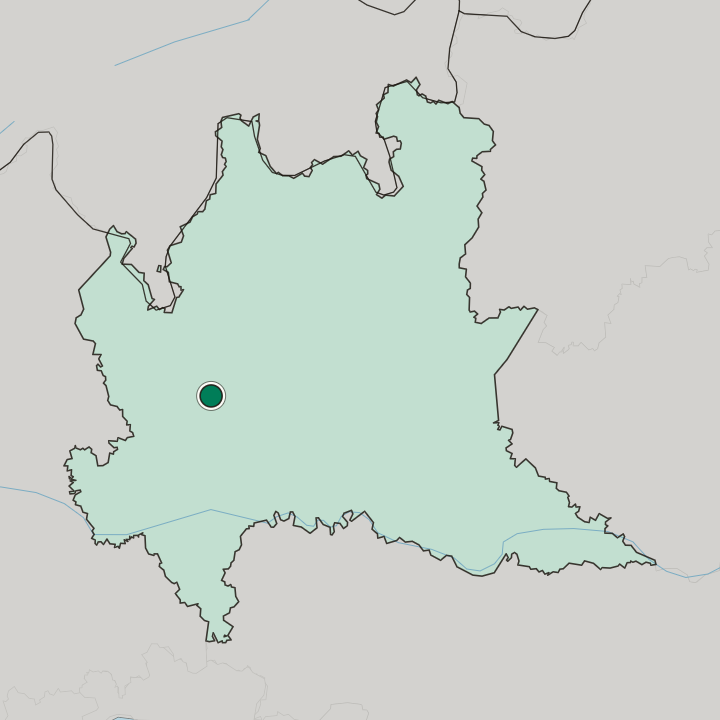
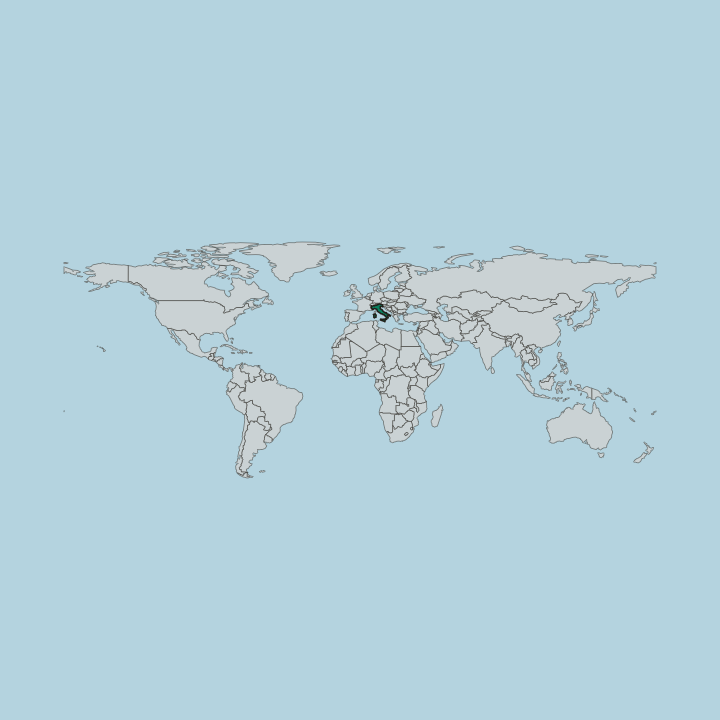
Sesto San Giovanni packs itself into under twelve square kilometres inside the Metropolitan City of Milan, which makes it a densely built piece of Lombardia rather than a town with countryside attached. Little of it is open ground. San Martino Church, Santa Maria Nascente Church and Sesto San Giovanni City Hall stand within the same grid of streets, and the old works sites interrupt that grid with blocks far larger than any house.
What is the climate of Sesto San Giovanni?
Fog is the local signature in the cold months, drifting between the blocks and softening the outline of Sesto San Giovanni City Hall until the traffic sounds louder than it looks. Heat replaces it by July. Brick, asphalt and the surviving industrial sheds hold that warmth well past sunset, which makes the shaded streets around San Martino Sanctuary worth knowing.
Rain arrives in spring and autumn.
How do you get to Sesto San Giovanni?
Getting in is a city errand, not a journey. Sesto San Giovanni sits inside the Metropolitan City of Milan, tied to it by suburban rail and the metro rather than by any long-distance route of its own, so arrivals usually pass through Milan first. That final leg hardly counts as travel.
Roads from the surrounding municipalities feed straight into the grid around Sesto San Giovanni City Hall, and HangarBicocca stands close enough to the transit stops that no car is needed.
Common questions
What is the best area to stay in Sesto San Giovanni?
City Hall blocks: Short weekday stays wanting Sesto San Giovanni City Hall and the transit stops outside. HangarBicocca side: Art visitors who want HangarBicocca within walking distance. San Martino Sanctuary streets: Quieter nights near San Martino Sanctuary, off the through roads.
Good for
More cities in Lombardia
Updated October 2026