Italy · Lombardia
Where to Stay in Como, Lombardia
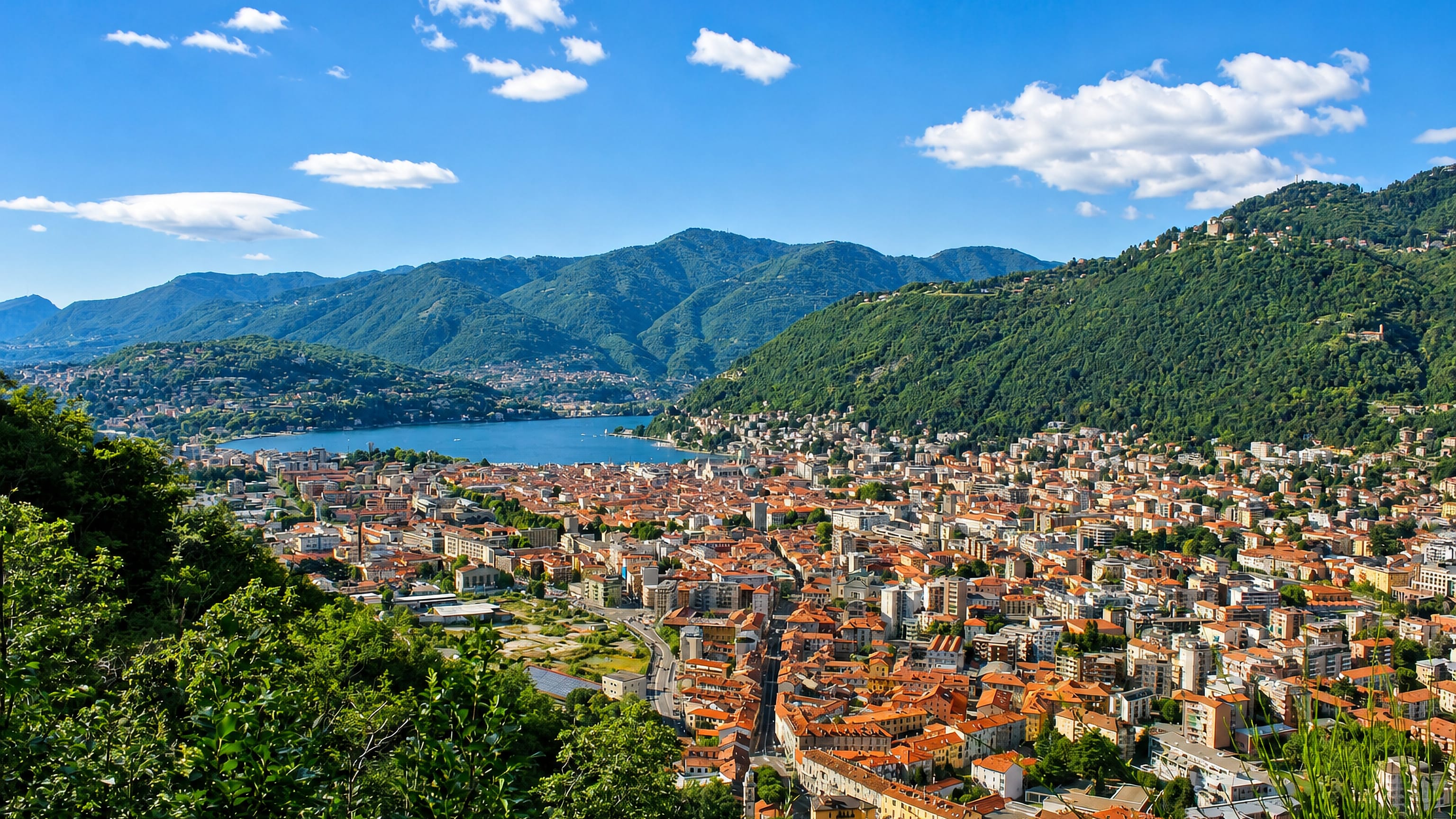
The lake ends at the city. Como sits at the southern tip of Lake Como in Lombardy, administrative capital of the Province of Como.
Hotel links are affiliate links: booking through them may earn us a commission, at no extra cost to you. It never affects how places are ranked. How this works


Where to stay in Como
Where you base yourself shapes the visit — here's the character of each area.

 ComoItaly
Monte Olimpino
Monte Olimpino is a quarter of Como on a hill northwest of the centre, on the road toward Switzerland, first named in the record in 1180.Where to stay → ComoItaly
Sagnino
Sagnino is a district of Como, and the Lake Como Poetry Way, Sant'Ambrogio and the chiesa dell'Addolorata are the names attached to it.Where to stay →Hotel links are affiliate links: booking through them may earn us a commission, at no extra cost to you. It never affects how places are ranked. How this works
Find hotels in Como
Direct booking searches for these neighbourhoods.
The Lake Como waterfront
The Tempio Voltiano, Life Electric and the Como Civic Art Gallery all belong to this end of the city, where the lake meets the built-up streets.Find hotels in The Lake Como waterfrontsilk-museum visitors who want streets rather than shorelineAround the Basilica of Sant'Abbondio
The Basilica of Sant'Abbondio, Sant'Agostino and the Museo della seta di Como sit back from the water on the inland side of Como.Find hotels in Around the Basilica of Sant'Abbondioa base on the landward side, with the castle for the afternoonToward Castello Baradello
Castello Baradello names this side of the comune, the landward end rather than the shore of Lake Como. Rooms are few around here — worth securing early.Find hotels in Toward Castello Baradellotravellers crossing into Switzerland the same dayThe Swiss-border end
The border with Switzerland runs at the northwestern end of Como, which makes this the shortest side of the city for a crossing. Beds are limited here, so book early.Find hotels in The Swiss-border endgrounds and a lake outlook instead of a street doorThe villa addresses
Villa Bernasconi and Villa Cattaneo stand for the villa stock of Como, a much smaller pool of rooms than the waterfront or the inland streets. Few places to stay nearby — book ahead.Find hotels in The villa addressesHotel links are affiliate links: booking through them may earn us a commission, at no extra cost to you. It never affects how places are ranked. How this works
Things to do in Como
Ranked by global recognition; descriptions from Wikidata (CC0).
Museums & Galleries
3- Como Civic Art Gallery Heritage
- Museo archeologico Giovio Heritage
- Museo della seta di Como Heritage
Churches & Religious Sites
8- Basilica of Sant'Abbondio Heritage
- Sant'Agostino Heritage
- San Donnino Church Heritage
- church San Giuliano Heritage
- San Vincenzo shrine Heritage
Show 3 more →
- chiesa del Santissimo Redentore Heritage
- Santuario dei Santi Fermo e Lorenzo Heritage
- chiesa dei Santi Vito e Modesto Heritage
Castles & Historic Sites
5- Casa del Fascio (Como) Heritage
- Tempio Voltiano Heritage
- Castello Baradello Heritage
- War memorial in Como Heritage
- Life Electric Heritage
Landmarks & Notable Places
1- Villa Cattaneo Heritage
worth knowingacross 4 categories in Como
About Como
Silk made the reputation.
What is Como known for?
The Museo della seta di Como keeps that record, the Museo archeologico Giovio and the Museo storico Giuseppe Garibaldi hold the older and the newer collections, and the Tempio Voltiano and Life Electric complete the shortlist. Lake Como closes the view. Castello Baradello and the Basilica of Sant'Abbondio anchor the oldest fabric, while Casa del Fascio and the Como Civic Art Gallery belong to a different century of building.
What are the main landmarks in Como?
The Tempio Voltiano heads the list. Life Electric, the Como Civic Art Gallery, the Museo della seta di Como, the Museo archeologico Giovio and the Museo storico Giuseppe Garibaldi divide the rest of the visiting between them, and Casa del Fascio and Castello Baradello sit at opposite ends of what the city built. Churches number thirteen.
The Basilica of Sant'Abbondio, Sant'Andrea Apostolo, Sant'Agostino, Santo Stefano church and bell tower, San Donnino Church and the Santuario dei Santi Fermo e Lorenzo are among them.
What is the history of Como?
Como's start date never entered the register. What Como keeps instead is a sequence of buildings: Castello Baradello and the Basilica of Sant'Abbondio at the old end, then parish churches, Sant'Andrea Apostolo, Santo Stefano church and bell tower, chiesa di San Salvatore, chiesa di San Gordiano and chiesa dei Santi Vito e Modesto among thirteen of them. Archaeology covers what the buildings cannot.
The Museo archeologico Giovio holds the material record of the ground itself, which reaches back past anything still standing. San Vincenzo shrine and the Santuario dei Santi Fermo e Lorenzo belong to the same devotional layer, and the church of Santa Cecilia, San Donnino Church and church San Giuliano complete the count. Silk shows up as a museum.
The Museo della seta di Como preserves the industry the city is best known for, and Villa Bernasconi and Villa Cattaneo carry the villa-building that went on alongside it. Conflict left its markers. The War memorial in Como and the Monumento alla Resistenza europea record two of them, while Casa del Fascio stands from the years between.
Its name reaches the province too. Como is the administrative capital of the Province of Como, and the Museo storico Giuseppe Garibaldi and the Tempio Voltiano attach two further names to it.
Where is Como?
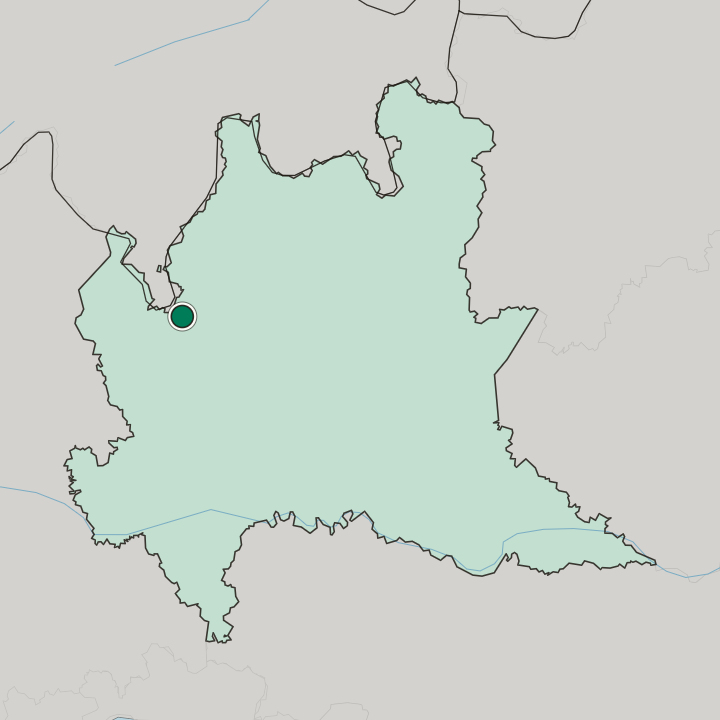
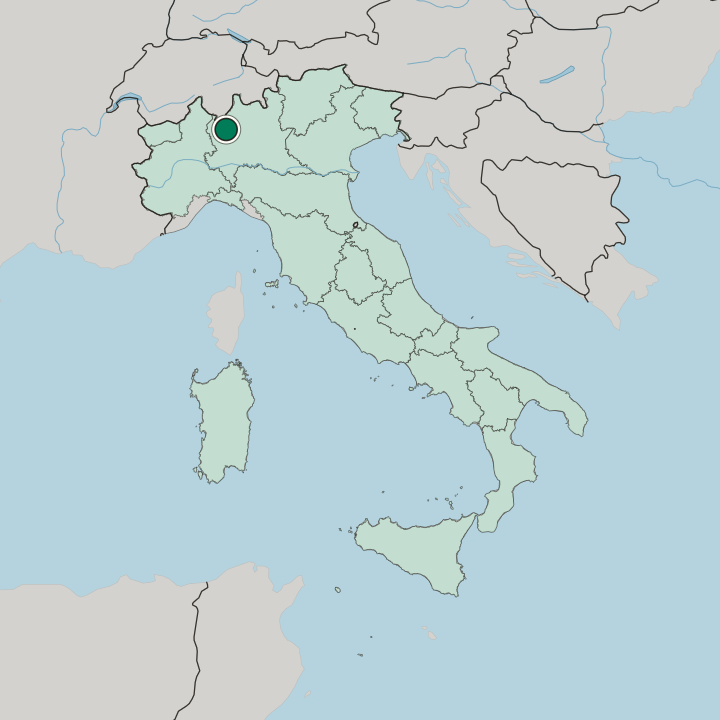
Lake Como ends where the city begins. Como spreads across about thirty-seven square kilometres at the southern end of the water, and the frontier with Switzerland runs along the northwestern edge of the same city. Lombardy surrounds the rest.
The city heads the Province of Como, with Castello Baradello, the Basilica of Sant'Abbondio and the Museo della seta di Como all inside one comune.
What is the climate of Como?
The lake does the moderating. A body of water the size of Lake Como evens out the extremes either side of a temperate year, so the city at its southern end sits milder than places of the same temperate band away from water. Some days stay grey.
The Museo della seta di Como, the Museo archeologico Giovio and the Como Civic Art Gallery cover those, while Castello Baradello and the lakeside want better weather.
How do you get to Como?
Switzerland is at the far end of town. The border sits at the northwestern end of Como, which makes the city the first or last Italian stop for anyone crossing between the two countries on this route. The lake is the other approach.
Como occupies the southern end of Lake Como, so anything travelling down the water ends at the city, and Lombardy carries the landward connections in from the Province of Como.
Common questions
What is the best area to stay in Como?
The Lake Como waterfront: waking up at the southern tip of Lake Como. Around the Basilica of Sant'Abbondio: silk-museum visitors who want streets rather than shoreline. Toward Castello Baradello: a base on the landward side, with the castle for the afternoon. The Swiss-border end: travellers crossing into Switzerland the same day. The villa addresses: grounds and a lake outlook instead of a street door.
Good for
More cities in Lombardia
Updated October 2026