Italy · Lombardia
Where to Stay in Vigevano, Lombardia
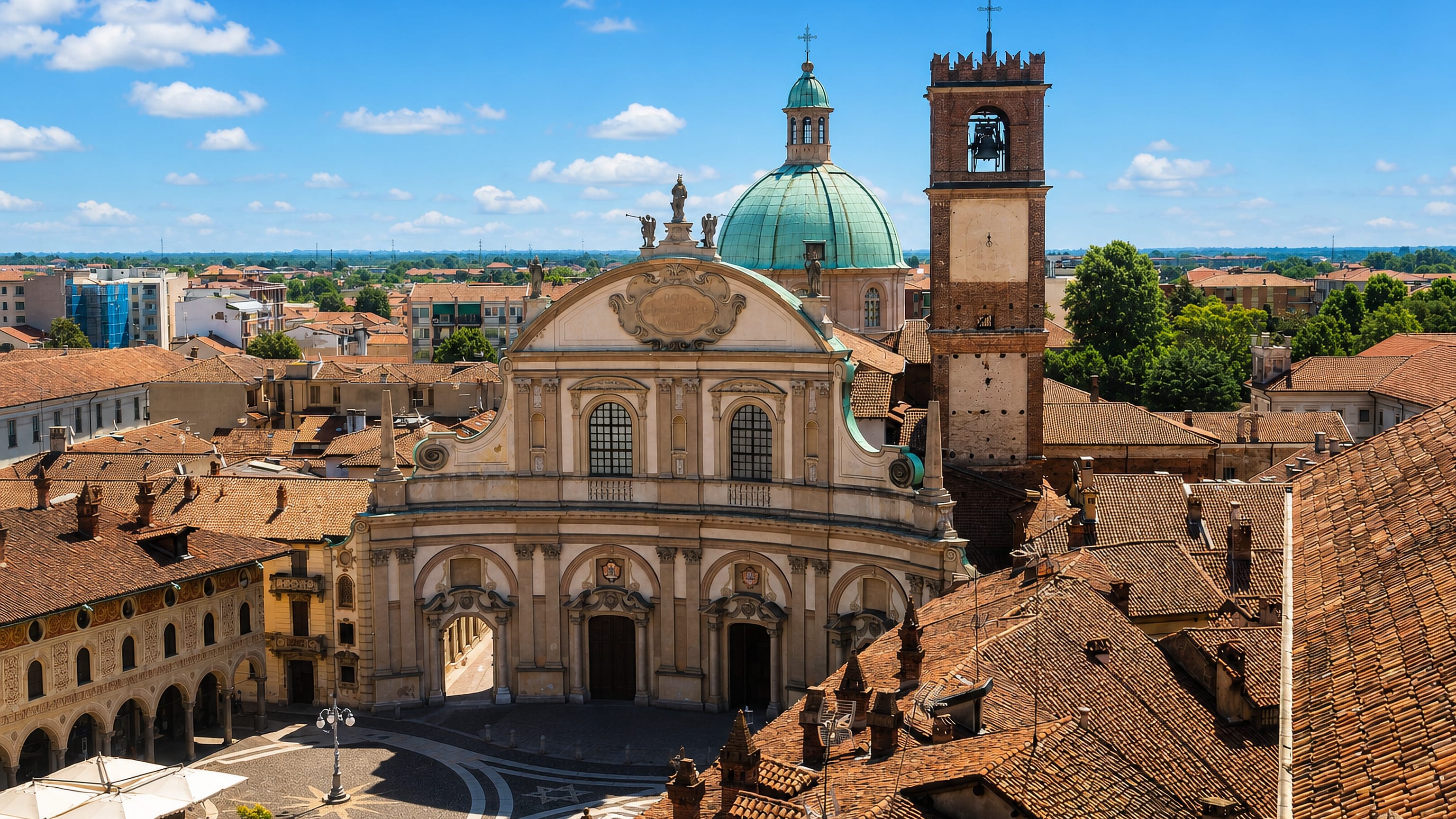
Vigevano centres on the Renaissance Piazza Ducale, a Lombardia shoemaking town with the Bramante Tower and a Sforza castle above the square.
Hotel links are affiliate links: booking through them may earn us a commission, at no extra cost to you. It never affects how places are ranked. How this works


Where to stay in Vigevano
The practical side of choosing where to sleep.
Vigevano is a small town with one great room in it. Beds above the arcades of Piazza Ducale look straight onto the paving, which is worth doing once even at the cost of some noise from the cafés below, since few Italian squares repay a window seat so well. The square empties late.
Anyone wanting silence should climb the ramp towards Castello Sforzesco instead, where small guesthouses stand within two minutes of the arcades. Practical stays gather near the station and the ring road. Modern blocks there trade the atmosphere of the centre for parking and a level walk, and the Museo internazionale della calzatura falls on the way in, which suits anyone driving on into Lomellina afterwards.
Little else is far. Vigevano Cathedral, San Francesco Church and the Pinacoteca Civica di Vigevano all stand inside the same few streets, so the decision comes down to noise and parking rather than distance. PalaBasletta pulls a crowd on match nights.
Find hotels in Vigevano
Direct booking searches for these neighbourhoods.
Piazza Ducale arcades
Rooms above the arcades of Piazza Ducale open onto the paving itself, with Vigevano Cathedral closing one end and the ramp to Castello Sforzesco behind.Find hotels in Piazza Ducale arcadesQuiet nights on the climb to Castello Sforzesco, two minutes off the squareCastello Sforzesco ramp
Small guesthouses line the streets rising to Castello Sforzesco, out of range of the café noise but close enough to walk back in minutes. Rooms are few around here — worth securing early.Find hotels in Castello Sforzesco rampDrivers who need parking and a level walk past the Museo internazionale della calzaturaStation and ring road
Modern blocks near the station give up the atmosphere of the arcades in exchange for parking, with the Museo internazionale della calzatura on the way into town.Find hotels in Station and ring roadHotel links are affiliate links: booking through them may earn us a commission, at no extra cost to you. It never affects how places are ranked. How this works
Things to do in Vigevano
Ranked by global recognition; descriptions from Wikidata (CC0).
Museums & Galleries
3- National Archaeological Museum of Lomellina Heritage
- Musei civici "Luigi Barni" Heritage
- Museo del tesoro del Duomo di Vigevano Heritage
Churches & Religious Sites
8- Vigevano Cathedral Heritage
- San Pietro Martire, Vigevano Heritage
- San Francesco Church Heritage
- Madonna della Neve Church Heritage
- Santa Maria del Popolo Heritage
Show 3 more →
- San Dionigi Church Heritage
- San Giorgio in Strata Church Heritage
- Santa Maria intus vineas Church Heritage
Castles & Historic Sites
2- Castello Sforzesco (Vigevano) Heritage
- Monumento al Calzolaio d'Italia
Stadiums & Sports
2- PalaBasletta
- PalaElachem
Landmarks & Notable Places
1- Bramante Tower Heritage
worth knowingacross 5 categories in Vigevano
About Vigevano
Shoes and a square.
What is Vigevano known for?
Piazza Ducale gives Vigevano the finest set piece in this corner of Lombardia, a long arcaded rectangle opening towards the castle, which the town has never had reason to alter. The Museo internazionale della calzatura tells the other story, one of lasts, patterns and factory work. Monumento al Calzolaio d'Italia stands for the trade in bronze.
Rassegna Litteraria di Vigevano brings writers in each year.
What are the main landmarks in Vigevano?
Piazza Ducale is the reason to come. Arcades run the length of three sides, and the paving opens ahead of Vigevano Cathedral in a way that photographs poorly and works perfectly in person. Castello Sforzesco looms behind.
Its ramparts and courtyards are large enough to swallow an afternoon, while the Bramante Tower gives the climb that fixes the town in the memory afterwards. San Francesco Church and Santa Maria del Popolo are quieter stops.
What is the history of Vigevano?
The Sforza made this town. Castello Sforzesco stands over the centre as their work, and Piazza Ducale was laid out below it in the Renaissance manner, an arcaded rectangle that gave the fortress a public face. The Bramante Tower rises at one corner.
Duke Francis II Sforza granted Vigevano the honorary title of city by decree on 2 February 1532, a date the place has never let go of, and Vigevano Cathedral eventually gave the square its fourth side. Shoes came later and lasted longer. Vigevano turned itself into one of the main shoemaking centres of the country, and the Museo internazionale della calzatura keeps the lasts, machines and finished pairs that record the trade, while Monumento al Calzolaio d'Italia honours the workers themselves.
Farming never stopped either. Lomellina grew rice around the town, Mulino di Mora Bassa worked the water, and the National Archaeological Museum of Lomellina now holds what earlier centuries left in that same ground. Churches mark the older parishes, among them San Pietro Martire, San Dionigi Church and Santa Maria intus vineas Church.
Pinacoteca Civica di Vigevano and the Museo del tesoro del Duomo di Vigevano hold the paintings and the church treasure.
Where is Vigevano?
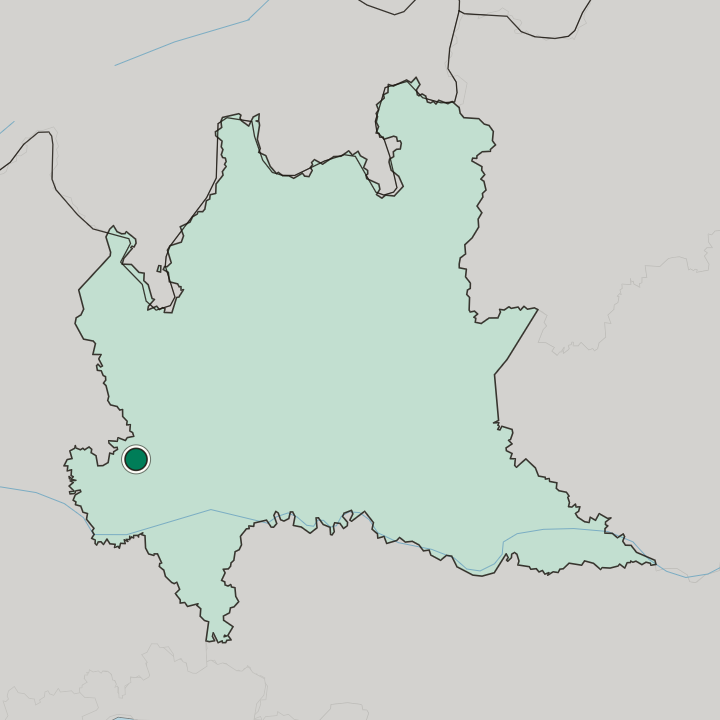
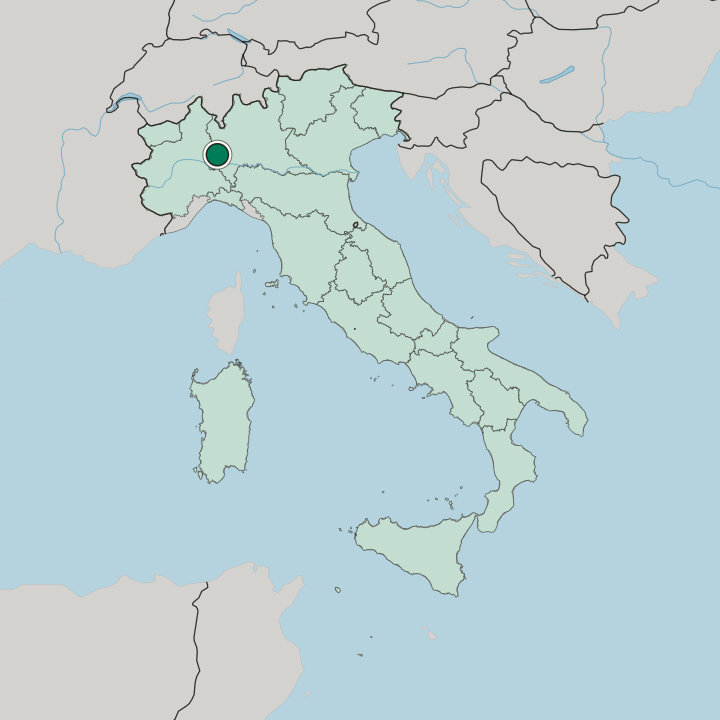
Rice country begins at the edge of town. Vigevano sits in Lomellina, a farming district of paddies and canals within the province of Pavia, and its eighty-odd square kilometres take in as much irrigated field as street. The land is flat throughout.
Mulino di Mora Bassa survives from the water system that made those fields work.
What is the climate of Vigevano?
Damp rises off the Lomellina paddies from October onward, and the fog that follows can sit over Piazza Ducale until the middle of the morning. Summer is humid and heavy. Water in the fields keeps the air thick, the arcades of the square give reliable shade, and the warmth holds long after dark.
Winters are cold and still.
How do you get to Vigevano?
Rail arrives from the province of Pavia. Trains run in across the Lomellina flats, a slow and level approach through rice fields that announces the country well before the platform appears. The station sits apart.
A short walk over cobbles brings arrivals to Piazza Ducale, and drivers do better on the ring roads than in the lanes behind Vigevano Cathedral.
Common questions
What is the best area to stay in Vigevano?
Piazza Ducale arcades: First stays wanting Piazza Ducale and Vigevano Cathedral outside the window. Castello Sforzesco ramp: Quiet nights on the climb to Castello Sforzesco, two minutes off the square. Station and ring road: Drivers who need parking and a level walk past the Museo internazionale della calzatura.
Good for
More cities in Lombardia
Updated October 2026