Italy · Puglia
Where to Stay in Andria, Puglia
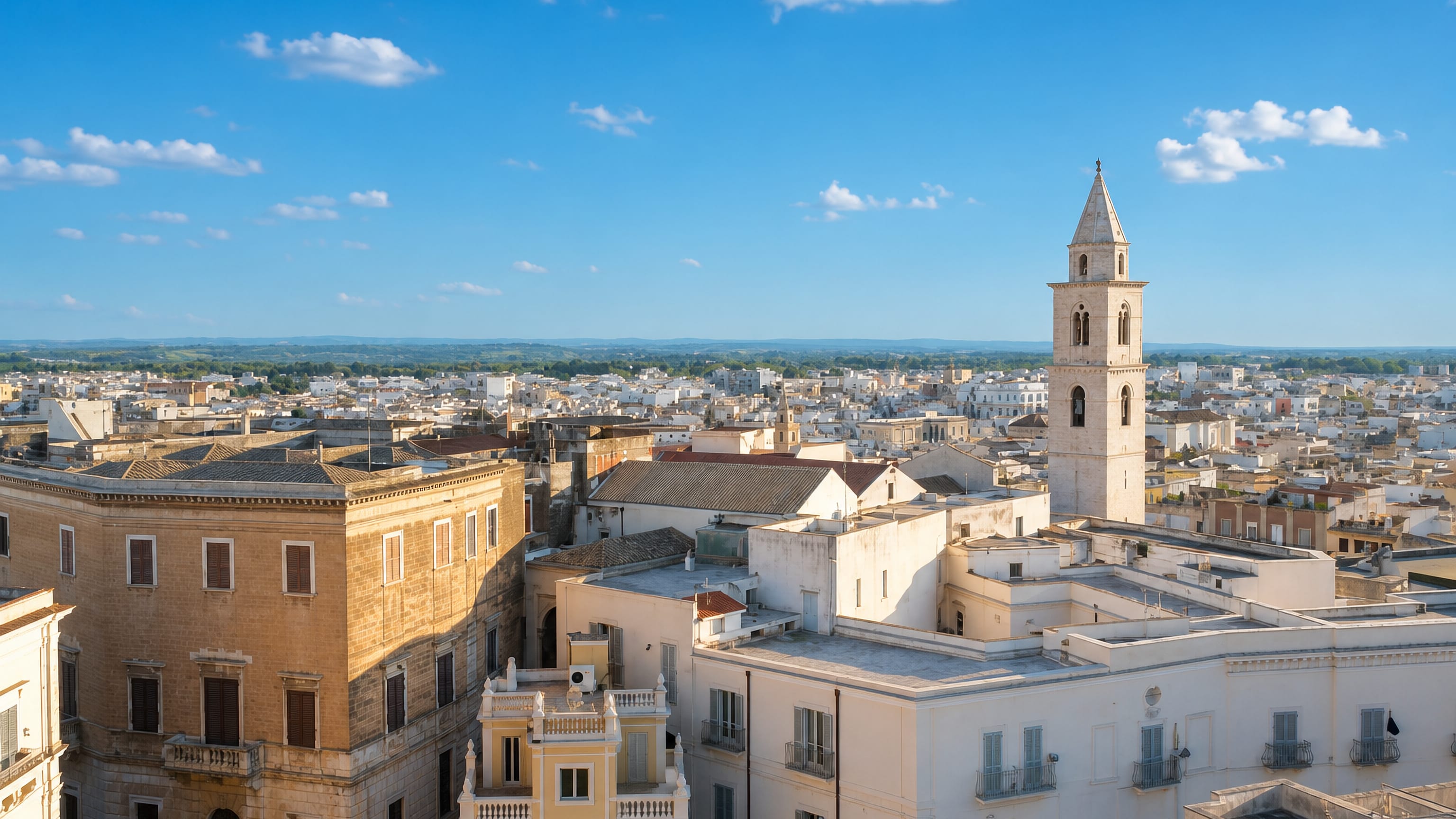
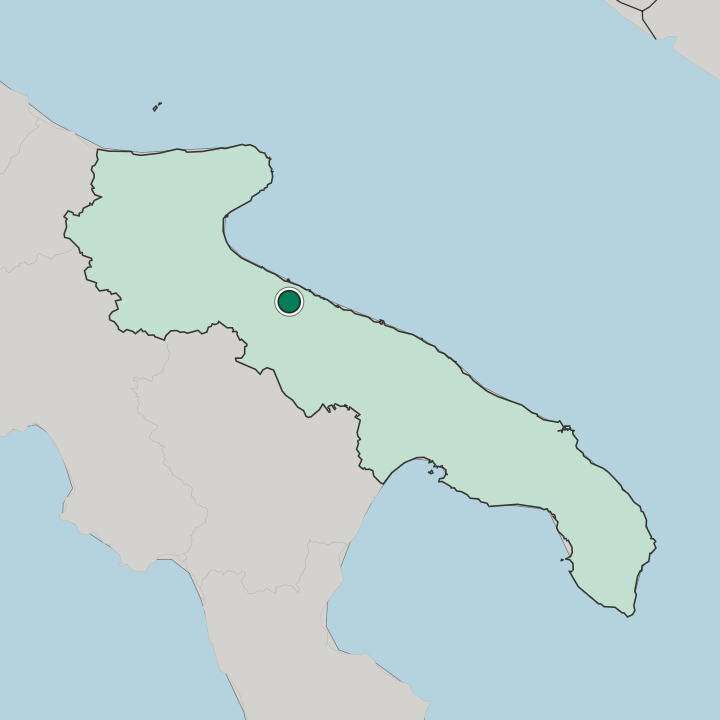
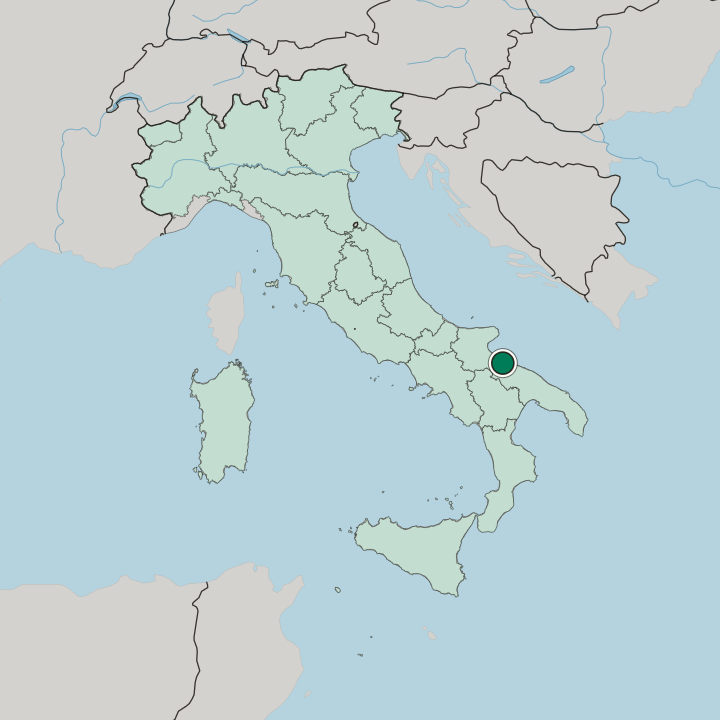
Andria is a city in Puglia, the fourth-largest municipality in the region, known for the 13th-century Castel del Monte.
Hotel links are affiliate links: booking through them may earn us a commission, at no extra cost to you. It never affects how places are ranked. How this works


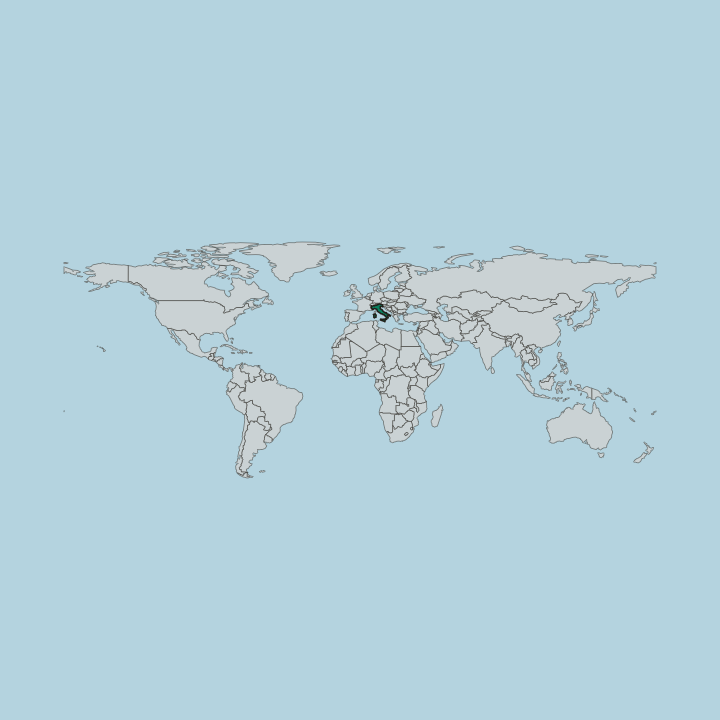
Where to stay in Andria
How the choice of base plays out on the ground.
Andria's rooms cluster in the town centre. Rooms around Andria Cathedral leave the Diocesan Museum "San Riccardo", San Domenico and the chiesa e chiostro di San Francesco inside a short walk, which covers most of what the town lists. The sanctuaries pull differently.
A bed near the santuario di Santa Maria dei Miracoli sits beside the building that brings its own visitors, while the Santuario della Madonna dell'Altomare answers to a different dedication and a different rhythm again. Both are inside the town. The comune is the complication.
Four hundred square kilometres belong to Andria, so a room described as being in the town may sit well outside the streets where Andria Cathedral, the chiesa del Carmine and Sant'Agostino stand together, with the drive to prove it. That distinction is worth checking. Museo del Confetto and the chiesa di Santa Maria di Porta Santa are both central, and anyone whose stay is built around them will not need transport at any point in the day.
San Riccardo gives the diocesan museum its name, and a room near it puts the whole religious core, sanctuaries excepted, inside one loop on foot.
Find hotels in Andria
Direct booking searches for these neighbourhoods.
Around Andria Cathedral
Andria Cathedral and the Diocesan Museum "San Riccardo" share the historic core, with San Domenico and the chiesa e chiostro di San Francesco in the streets nearby.Find hotels in Around Andria Cathedralarrivals following the sanctuary rather than the cathedral squareBy the santuario di Santa Maria dei Miracoli
The santuario di Santa Maria dei Miracoli carries a dedication of its own and its own flow of visitors, separate from the traffic Andria Cathedral takes. Few places to stay nearby — book ahead.Find hotels in By the santuario di Santa Maria dei Miracolitravellers with a car, and those heading for Castel del Monte in the Alta Murgia National ParkOut in the wider comune
Andria's comune runs far past its built-up core, so a bed out here sits a drive from Andria Cathedral and the Museo del Confetto rather than a walk. Beds are limited here, so book early.Find hotels in Out in the wider comunevisitors here for the confetto rather than the church listNear the Museo del Confetto
Museo del Confetto is the one secular collection Andria names, and the chiesa del Carmine and Sant'Agostino stand within the same walkable part of town.Find hotels in Near the Museo del ConfettoHotel links are affiliate links: booking through them may earn us a commission, at no extra cost to you. It never affects how places are ranked. How this works
Things to do in Andria
Ranked by global recognition; descriptions from Wikidata (CC0).
Museums & Galleries
1- Diocesan Museum "San Riccardo"
Churches & Religious Sites
5- santuario di Santa Maria dei Miracoli Heritage
- Santuario della Madonna dell'Altomare Heritage
- chiesa del Carmine Heritage
- chiesa di Santa Maria di Porta Santa Heritage
- chiesa e chiostro di San Francesco Heritage
worth knowingacross 2 categories in Andria
About Andria
The confetto has its own museum.
What is Andria known for?
Museo del Confetto sets out a single local product in a town whose other institutions are almost entirely religious, which makes it the odd entry on any list of what Andria keeps. Two sanctuaries balance it. The santuario di Santa Maria dei Miracoli and the Santuario della Madonna dell'Altomare both draw people who are not simply passing, and Andria Cathedral holds the centre between them.
What are the main landmarks in Andria?
Andria Cathedral is the anchor. The Diocesan Museum "San Riccardo" holds what the diocese kept, and San Domenico, Sant'Agostino and the chiesa e chiostro di San Francesco divide the older streets between them. Two sanctuaries stand apart from that group.
The santuario di Santa Maria dei Miracoli and the Santuario della Madonna dell'Altomare each carry a dedication of their own, while the chiesa del Carmine and the chiesa di Santa Maria di Porta Santa complete the church list. Museo del Confetto is the exception.
What is the history of Andria?
Andria's territory was settled in the Neolithic, and the Greek city of Netium later arose nearby. Early medieval hamlets grew up near its ruins, and a document of 915 names Andria as a village dependent on Trani. In 1046 Peter the Norman took it from Byzantine rule and made it a fortified city with twelve towers and three gates.
Andria stayed loyal to the Swabians. Frederick II lived here in the 13th century and had Castel del Monte built nearby. His son Conrad IV was born here in 1228.
Conrad's mother, Yolanda of Brienne, lies in the cathedral crypt. In 1438 the lost body of the patron saint, Saint Richard of England, was found again. The Fiera d'Aprile, held each April, still marks it.
Where is Andria?
The comune is unusually wide. Roughly four hundred square kilometres carry Andria's name, and the built-up part where Andria Cathedral and the chiesa del Carmine stand occupies a small share of that ground. The rest lies outside the streets.
Everything the town lists, from Andria Cathedral to the Museo del Confetto, sits inside that territory in Puglia, and the distances between the named buildings are far smaller than the comune itself.
What is the climate of Andria?
Andria has a hot-summer Mediterranean climate. Under the Köppen classification it borders on a cool semi-arid and a humid subtropical climate. Stone helps indoors.
The santuario di Santa Maria dei Miracoli, the chiesa e chiostro di San Francesco and Sant'Agostino all hold cooler air than the streets outside them, which is what heavy masonry does in a warm season.
How do you get to Andria?
Andria has no obvious front door. The city lies 10 km from Barletta, and the part that matters is the compact core where Andria Cathedral, the Diocesan Museum "San Riccardo" and San Domenico stand within a few streets of each other. The rest is distance.
Reaching the Santuario della Madonna dell'Altomare or the santuario di Santa Maria dei Miracoli may add a leg to the day, and Museo del Confetto is the one stop that needs no planning at all.
Common questions
What is the best area to stay in Andria?
Around Andria Cathedral: a stay inside the religious core with the San Riccardo collection at hand. By the santuario di Santa Maria dei Miracoli: arrivals following the sanctuary rather than the cathedral square. Out in the wider comune: travellers with a car, and those heading for Castel del Monte in the Alta Murgia National Park. Near the Museo del Confetto: visitors here for the confetto rather than the church list.
Good for
More cities in Puglia
Updated October 2026