Italy · Puglia
Where to Stay in Lecce, Puglia
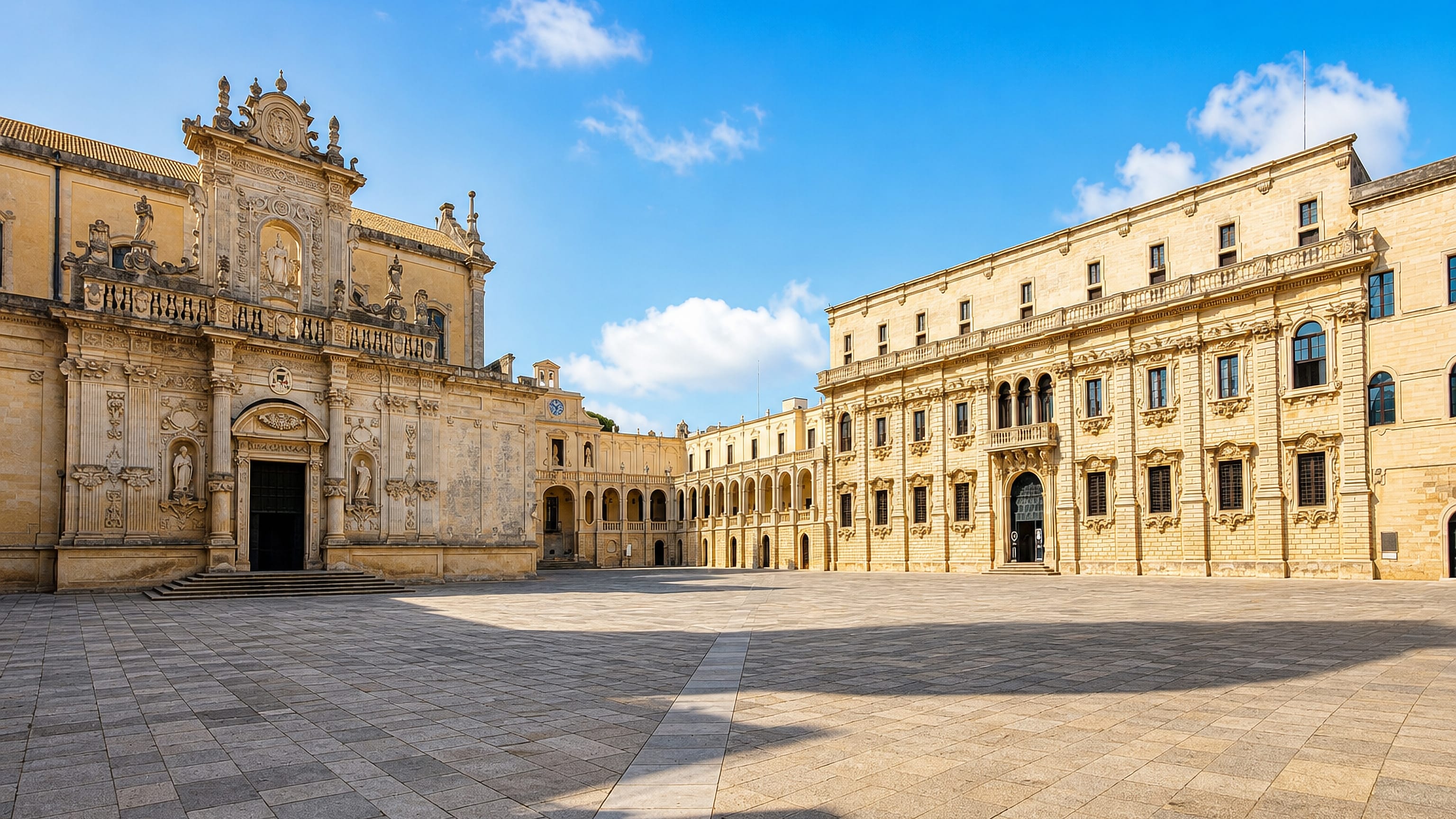
Lecce is the baroque capital of the Salentine Peninsula, a Puglia city of elaborate façades, Roman ruins and a cathedral square.
Hotel links are affiliate links: booking through them may earn us a commission, at no extra cost to you. It never affects how places are ranked. How this works


Where to stay in Lecce
How the choice of base plays out on the ground.
The old centre is the only base that makes sense for a first visit, since Lecce Cathedral, Santa Chiara, Sant'Anna church and the Roman amphitheatre of Lecce are all inside a walkable ring of baroque streets. Rooms there fill fastest. Converted palazzi and small hotels take up the buildings the baroque left behind, which is part of the appeal and also the reason numbers are limited.
Outside the ring, the city is ordinary and cheaper. A room out there trades the evening walk past Sant'Irene and the Castle of Charles V for a longer approach each morning. Beaches pull people out.
The beach towns of the Salento peninsula are close enough that Lecce works as a base for them, and plenty of trips through the peninsula use it that way. Staying inside the old centre suits anyone who wants the buildings themselves, with the Museo provinciale Sigismondo Castromediano, the Museo Archeologico Faggiano and MUST Museo Storico di Lecce all reachable on foot. Summer nights are the busiest.
Torre del Parco and Torre di Belloluogo mark the older edge of the city, and a room near either keeps the centre in walking range without sitting in the middle of it.
Find hotels in Lecce
Direct booking searches for these neighbourhoods.
Baroque centre
The carved core, with the Roman amphitheatre of Lecce a few steps from the cathedral square.Find hotels in Baroque centrea room at the fortified end of the old cityCastle of Charles V side
Beside the castle and the amphitheatre, still walkable to Sant'Anna church and the museums.Find hotels in Castle of Charles V sidequieter nights a walk out from the carved streetsTorre del Parco edge
Around the towers of Torre del Parco and Torre di Belloluogo, off the circuit most visitors keep to.Find hotels in Torre del Parco edgecoast days with Lecce as the trip inlandSalento beach towns
The beach towns of the Salento peninsula, close enough to treat the baroque city as an evening out.Find hotels in Salento beach townsHotel links are affiliate links: booking through them may earn us a commission, at no extra cost to you. It never affects how places are ranked. How this works
Things to do in Lecce
Ranked by global recognition; descriptions from Wikidata (CC0).
Museums & Galleries
3- Museo provinciale Sigismondo Castromediano Heritage
- MUSA - Museo storico archeologico Heritage
- Museo Archeologico Faggiano
Churches & Religious Sites
4- Sant’Irene Heritage
- Santi Niccolò e Cataldo church Heritage
- Sant'Anna church Heritage
- San Marco Heritage
Castles & Historic Sites
3- Castle of Charles V Heritage
- Monument to the Fallen (Lecce) Heritage
- Rudiae
Stadiums & Sports
1- Palasport San Giuseppe da Copertino
Landmarks & Notable Places
2- Torre di Belloluogo Heritage
- Torre del Parco
worth knowingacross 5 categories in Lecce
About Lecce
Baroque is the reason to come.
What is Lecce known for?
The city has been dubbed the Florence of the south, and Lecce Cathedral, Santa Chiara and Sant'Irene are where its elaborate baroque style is at its most concentrated. The Roman amphitheatre of Lecce sits in the middle of it all. Rudiae, the older settlement, lies within the same municipality.
What are the main landmarks in Lecce?
Lecce Cathedral holds its square. Around it the baroque churches come thick: Santa Chiara, Sant'Irene, San Matteo, Sant'Anna church and Santi Niccolò e Cataldo church, each carved in the same elaborate manner. The Roman amphitheatre of Lecce and Rudiae carry the classical layer, and the Castle of Charles V, Torre del Parco and Torre di Belloluogo carry the military one.
Between them sit the museums. The Museo provinciale Sigismondo Castromediano, the Museo del Teatro Romano and the Museo Ferroviario della Puglia divide the collections between archaeology, the Roman theatre and the railways.
What is the history of Lecce?
Rudiae came first. The site lies within the modern municipality, and the Roman amphitheatre of Lecce is the other half of that classical record, standing in the middle of the city. Medieval Lecce left towers.
Torre del Parco and Torre di Belloluogo are the towers that mark it, and Santi Niccolò e Cataldo church stands with them among the older buildings. The Castle of Charles V names its own century. Then came the baroque.
Lecce Cathedral, Santa Chiara, Sant'Irene, San Matteo and Sant'Anna church were built or rebuilt in the elaborate style that gave the city the label Florence of the south, and the monasteries are part of the same dense inheritance, with the Monastero degli Olivetani, the monastero dei Carmelitani and the monastero dei Teatini among them. The city became a provincial capital. Lecce administers the province that carries its name and is the largest city in it, out at the heel of the Italian Peninsula.
Museums came last. The Museo provinciale Sigismondo Castromediano, the Museo Archeologico Faggiano, MUST Museo Storico di Lecce and the Museo Ferroviario della Puglia now hold the archaeology, the city's own story and the railway record. The Monument to the Fallen closes the list.
Where is Lecce?
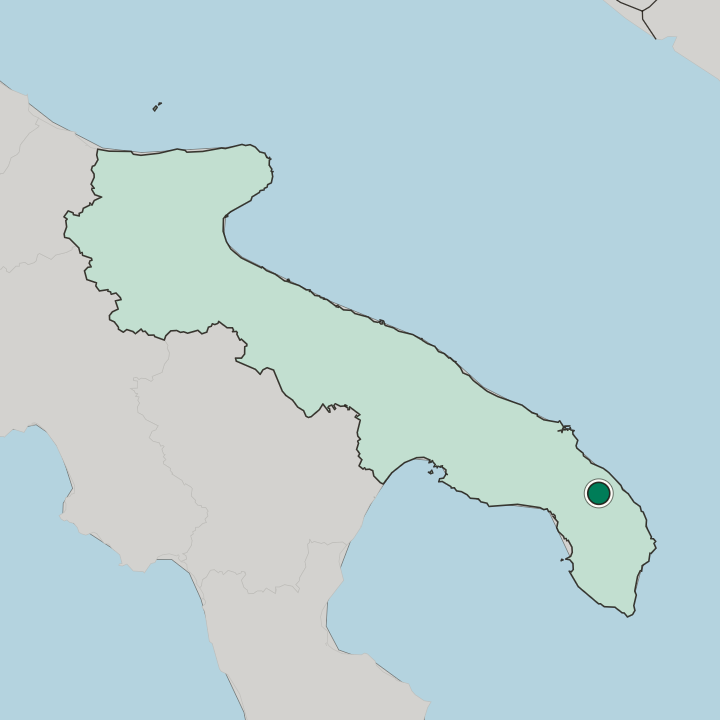
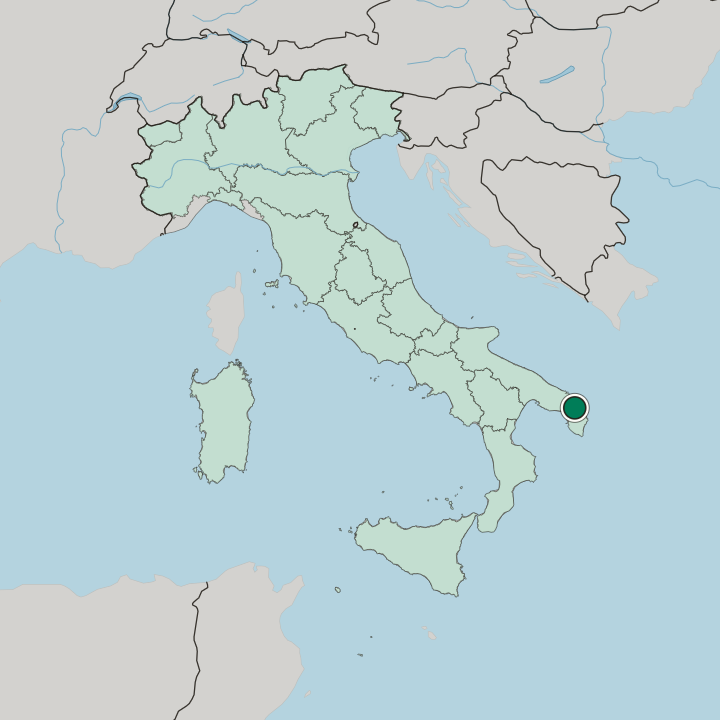
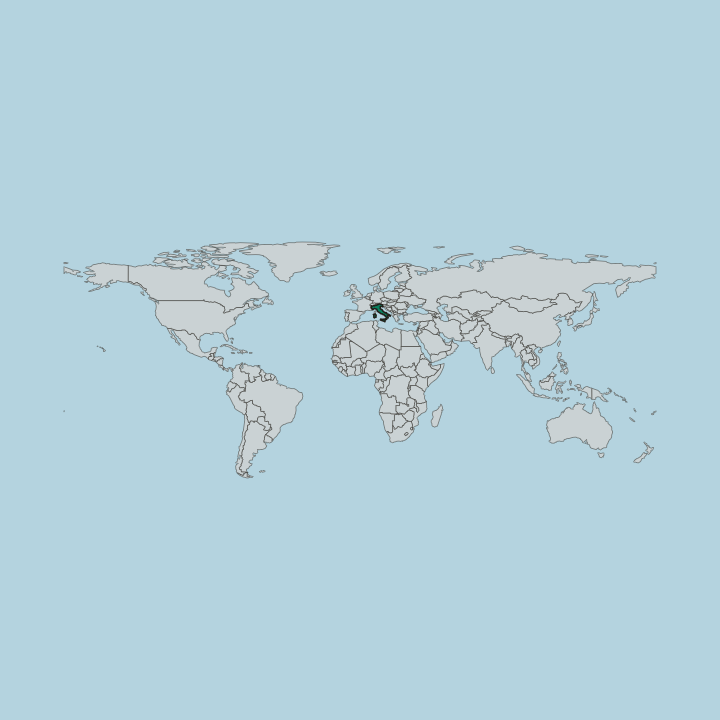
Lecce stands on the Salentine Peninsula, the heel of the Italian Peninsula, a short way inland from the beach towns that line the Salento coast. The city is the largest in its province. Its centre is compact, ringed by the Castle of Charles V, Torre del Parco and Torre di Belloluogo, with the newer city spreading beyond them.
Rudiae lies outside the built-up area.
What is the climate of Lecce?
Sea air reaches Lecce from the coast on either side of the Salentine Peninsula. Summers are hot and dry. The heat is what sends visitors out to the beach towns of Salento in August, and it is what makes the shade of the baroque streets around Lecce Cathedral useful in the middle of the day.
Winters stay mild and damp, and rain concentrates in the months when the coast empties out.
How do you get to Lecce?
The city is the hub of its own province. Lecce is the largest city on the Salentine Peninsula and the capital of its province, which is why most trips through Salento pass through it. Railways matter enough here that the Museo Ferroviario della Puglia keeps their record in the city.
Inside the centre, walk. Lecce Cathedral, the Roman amphitheatre of Lecce and the Castle of Charles V are minutes apart, and cars are more trouble than help among the baroque streets.
Common questions
What is the best area to stay in Lecce?
Baroque centre: evening walks between Lecce Cathedral, Santa Chiara and Sant’Irene. Castle of Charles V side: a room at the fortified end of the old city. Torre del Parco edge: quieter nights a walk out from the carved streets. Salento beach towns: coast days with Lecce as the trip inland.
Good for
More cities in Puglia
Updated October 2026