Italy · Puglia
Where to Stay in Foggia, Puglia
Foggia is the chief city of the Capitanata plain in Puglia, southern Italy, once a favourite seat of the emperor Frederick II on the great wheat plain.
Hotel links are affiliate links: booking through them may earn us a commission, at no extra cost to you. It never affects how places are ranked. How this works


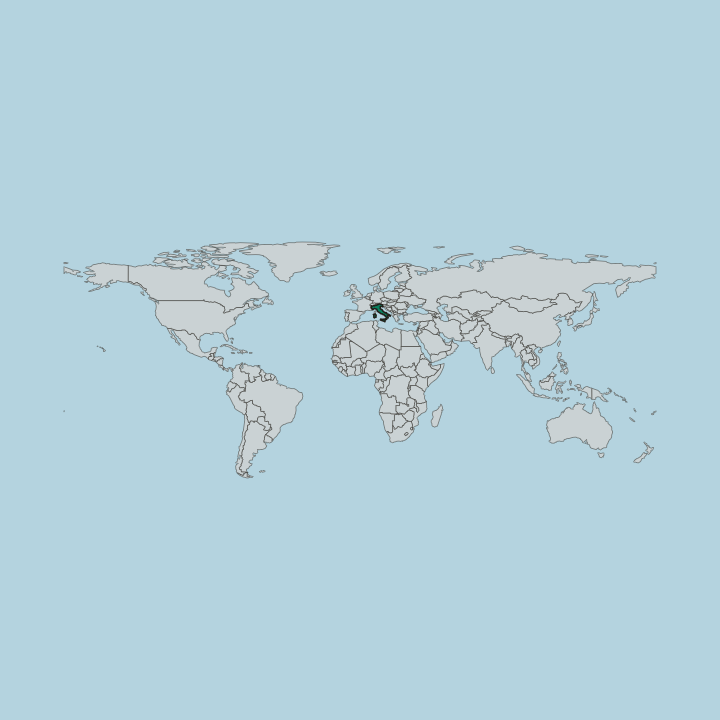
Where to stay in Foggia
How the choice of base plays out on the ground.
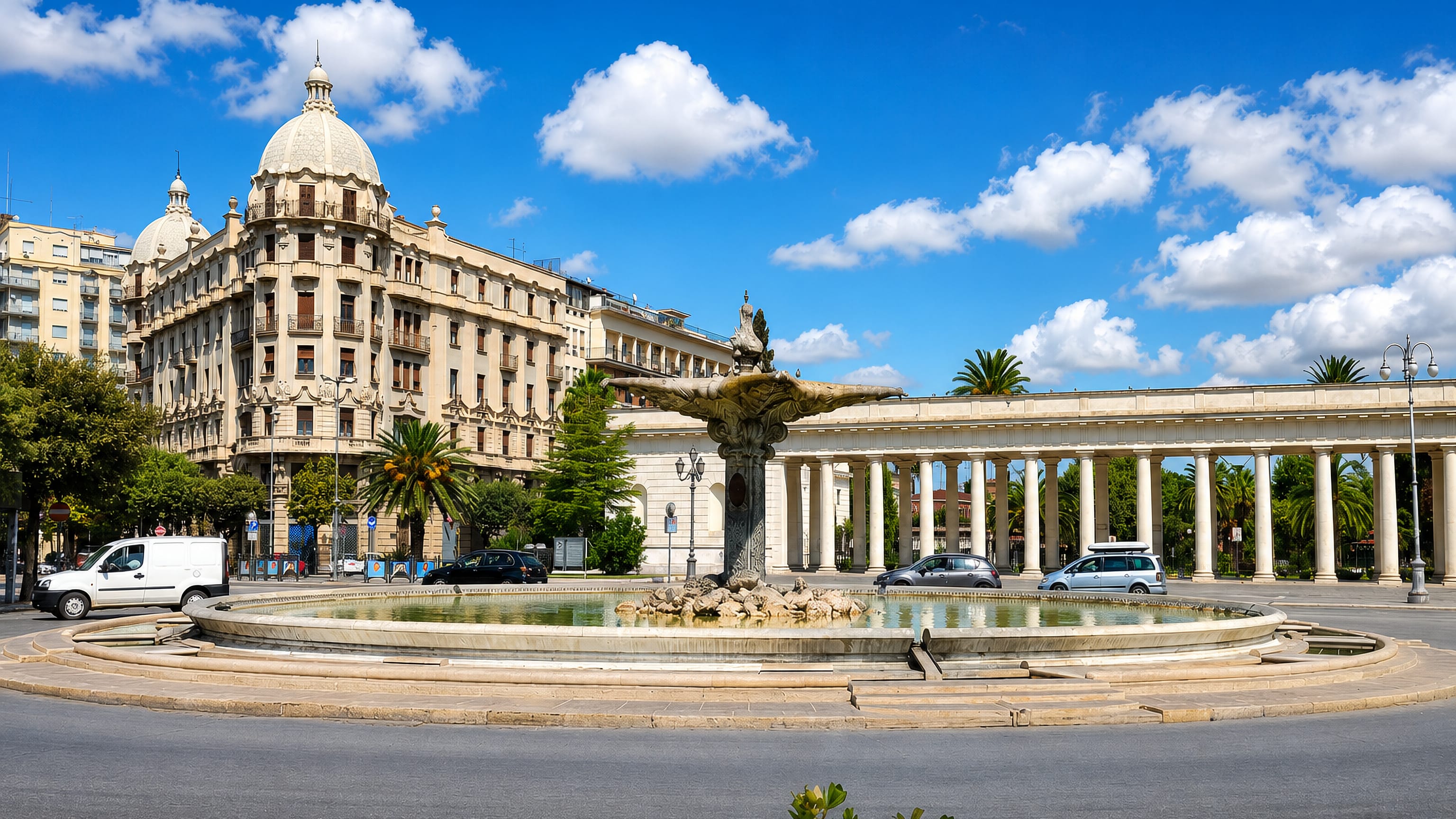
Where you stay in Foggia turns on the old centre or the newer town. The streets around the cathedral keep the arch, the museums, and the market within a walk, and staying downtown suits anyone here for the old city. The cathedral rises over the lanes.
Markets fill the squares. Out toward the plain and the Gargano, the town gives way to wheat fields, farm roads, and the far hills. A room out of town trades the streets for the open plain, the droving roads, and the road up to the Gargano.
Wheat runs flat to the sky. Stay downtown for the cathedral, or out for the plain. From the wheat fields it is a short drive in to the cathedral square.
Find hotels in Foggia
Direct booking searches for these neighbourhoods.
The old centre
Around the Romanesque cathedralFind hotels in The old centreStays wanting the countryside and hill tripsThe plain and Gargano
Out toward the wheat fieldsFind hotels in The plain and GarganoHotel links are affiliate links: booking through them may earn us a commission, at no extra cost to you. It never affects how places are ranked. How this works
Things to do in Foggia
Ranked by global recognition; descriptions from Wikidata (CC0).
Museums & Galleries
3- Civic Museum of Foggia Heritage
- Galleria provinciale d'arte moderna e contemporanea Heritage
- Museo della religiosità popolare di Foggia Heritage
Churches & Religious Sites
3- Chiesa delle Croci
- San Francesco Saverio
- Sant'Anna Church
Castles & Historic Sites
2- Epitaffio Heritage
- Arpi
worth knowingacross 3 categories in Foggia
About Foggia
Foggia is the wheat city of the Tavoliere.
What is Foggia known for?
On the great flat plain of northern Puglia, the granary of the south, it was a favourite residence of the emperor Frederick II, and it keeps the ruined arch of his imperial palace, a broad Romanesque cathedral rebuilt after earthquakes, the old droving roads of the shepherds crossing the plain, and the wide fields of grain around. The plain runs flat and wide. Mountains rise off to the north.
What are the main landmarks in Foggia?
The imperial arch is the relic of Frederick's Foggia. The lone stone archway left from the palace of the emperor Frederick II, standing among the streets, marks where his court once shone, the emblem of the old city, in the town. A cathedral rises nearby.
The broad cathedral, Romanesque below and rebuilt above after the earthquakes, holds an ancient icon, while the old droving roads, the civic museum, and the wheat fields mark the country around Foggia.
What is the history of Foggia?
Foggia rose on the great sheep plain. Where the ancient Daunians had their city of Arpi, a town grew in the middle ages on the wheat and wool of the Tavoliere, at a crossing of the droving roads down which shepherds drove their flocks. The emperor loved the plain.
Frederick II, the Hohenstaufen ruler of the south, made Foggia a favourite seat and built an imperial palace here, holding his brilliant court on the wheat plain. Earthquake and war struck the town. A great earthquake in the eighteenth century threw down much of Foggia, and bombing in the last war ruined more, so that little of the old city was left standing.
The plain kept the city alive. Through every blow Foggia rose again on the wealth of its wheat and its sheep, rebuilding its cathedral and growing into the busy market city of the Capitanata. The wheat plain still feeds the town.
Foggia keeps its cathedral and its plain in the heart of Puglia.
Where is Foggia?
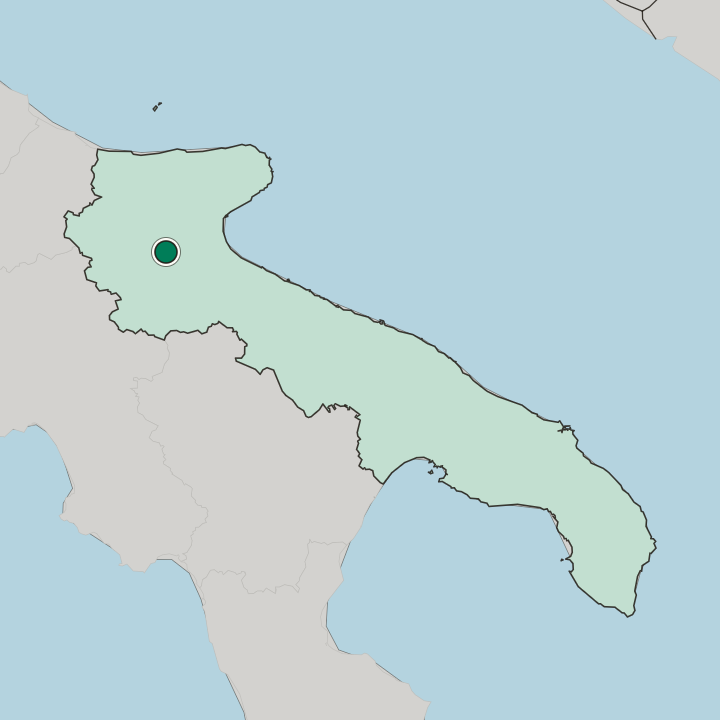
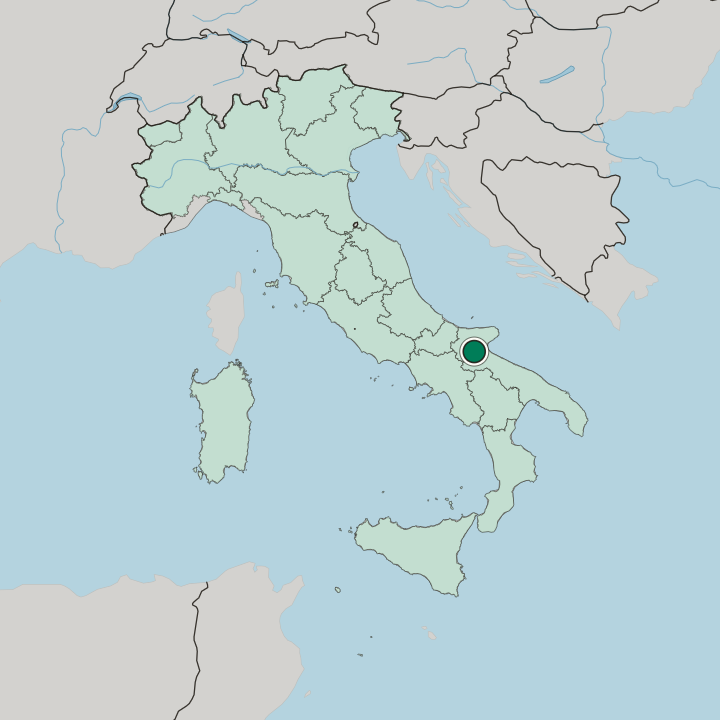
Foggia lies in the north of Puglia in southern Italy, in the middle of the great Tavoliere plain. The city stands on the flat wheat plain of the Capitanata, the largest lowland of the Italian south, with the Gargano promontory rising to the northeast and the Apennines away to the west. Wheat fields spread to the sky.
The plain runs dry in summer.
What is the climate of Foggia?
Foggia has a hot, dry Mediterranean climate. Very hot summers and mild winters cross the open plain, with scorching heat and little rain in the long summer and cool damp spells in winter. The summer bakes the wheat plain.
Winter brings some rain and mist.
How do you get to Foggia?
Foggia lies on the Tavoliere plain, a great rail junction of the Italian south. Trains and the motorway run to it across the plain from Naples and Bari, and roads climb to the Gargano hills. Lanes cross the flat plain.
Bari lies south down the coast road.
Common questions
What is the best area to stay in Foggia?
The old centre: Visitors here for the cathedral and arch. The plain and Gargano: Stays wanting the countryside and hill trips.
Good for
More cities in Puglia
Updated September 2026