Italy · Puglia
Where to Stay in Brindisi, Puglia
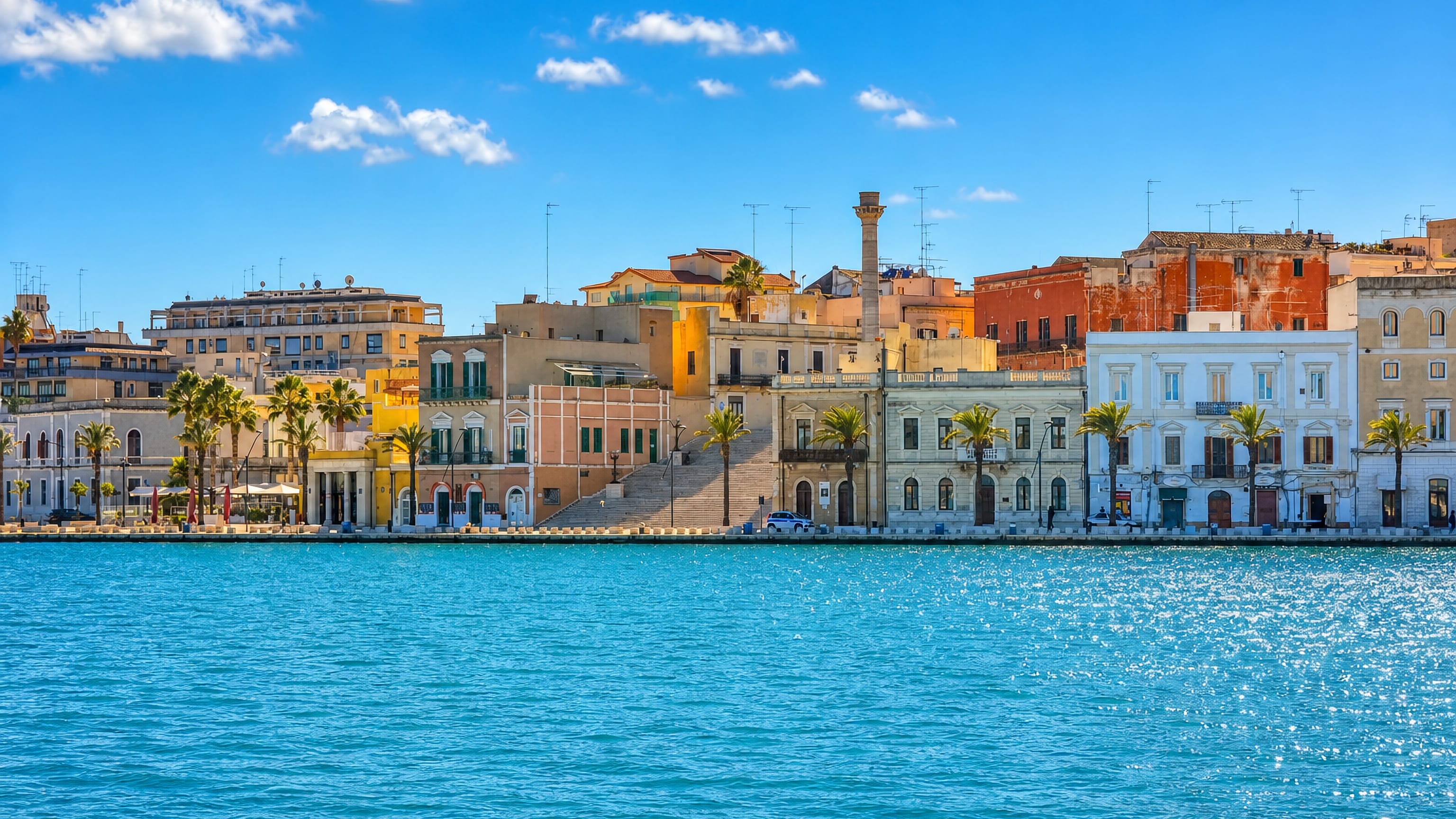
Brindisi is a working Adriatic port and provincial capital in Puglia, where the Via Appia Antica ran out of road at the sea.
Hotel links are affiliate links: booking through them may earn us a commission, at no extra cost to you. It never affects how places are ranked. How this works


Where to stay in Brindisi
Where visitors usually base themselves, and why.
The choice is harbour or old town, and in Brindisi they are barely separated: the quays, Brindisi cathedral and the Area Archeologica di San Pietro degli Schiavoni sit within the same short grid of streets. That compactness is the argument for staying central. Port traffic runs through the harbour day and night, so rooms facing the water suit an early departure more than they suit silence.
Inland streets are quieter. Beds are more plentiful than in the smaller towns of the province of Brindisi, since this is the provincial capital and a port that has always handled arrivals. A central base earns its keep here.
San Giovanni al Sepolcro, the chiesa del Cristo, Santa Maria degli Angeli and the Museo diocesano Giovanni Tarantini are all in the city itself, which means a stay of two days can be done without driving anywhere. Santa Maria del Casale, the PalaPentassuglia and the Museo etnico della civiltà salentina widen the list for a longer stay. The Salento Peninsula begins here.
Rooms in Brindisi work as a first or last night for a trip further into it, and the province of Brindisi carries on around the city.
Find hotels in Brindisi
Direct booking searches for these neighbourhoods.
Cathedral grid
The dense old streets, with the Museo archeologico provinciale and San Giovanni al Sepolcro a few corners apart.Find hotels in Cathedral gridan early departure from the Adriatic quaysHarbour front
Facing the natural inlet that made Brindisi a port, busy at odd hours and closest to the water.Find hotels in Harbour fronta calmer room within reach of Castello SvevoCastello Svevo side
The fortified side of the city, set back from the busiest working quays. Beds are limited here, so book early.Find hotels in Castello Svevo sideHotel links are affiliate links: booking through them may earn us a commission, at no extra cost to you. It never affects how places are ranked. How this works
Things to do in Brindisi
Ranked by global recognition; descriptions from Wikidata (CC0).
Museums & Galleries
4- Museo archeologico provinciale Heritage
- Museo diocesano Giovanni Tarantini Heritage
- Museo archeologico Fondazione S. Faldetta Heritage
- area archeologica "S. Pietro degli Schiavoni" Heritage
Churches & Religious Sites
5- Brindisi cathedral Heritage
- San Giovanni al Sepolcro Heritage
- Santa Maria del Casale Heritage
- chiesa del Cristo Heritage
- Santa Maria degli Angeli Heritage
Castles & Historic Sites
4- end of the Via Appia Antica Heritage
- Castello Svevo Heritage
- Castello alfonsino Heritage
- Area Archeologica di San Pietro degli Schiavoni Heritage
Stadiums & Sports
1- PalaPentassuglia
worth knowingacross 4 categories in Brindisi
About Brindisi
The port comes first.
What is Brindisi known for?
Brindisi holds one of the busiest harbours on the Adriatic Sea, a natural inlet that has moved cargo and passengers toward the Balkan Peninsula, Greece and the Middle East for as long as the record runs. Two castles carry the defensive record, Castello Svevo and Castello alfonsino. The Via Appia Antica ended here, and the Monument to Virgil stands in the same streets as the Museo archeologico provinciale.
What are the main landmarks in Brindisi?
Brindisi cathedral anchors the centre. Below and around it lie the layers: the Area Archeologica di San Pietro degli Schiavoni, the Museo archeologico provinciale and Brundisium, the name the Roman town carries in the record. San Giovanni al Sepolcro, Santa Maria del Casale, the chiesa della Pietà and Santa Maria degli Angeli spread the church-building wider.
The Museo etnico della civiltà salentina takes a different subject, the folk life of Salento.
What is the history of Brindisi?
Brundisium is where the record starts. The Roman town sat at the end of the Via Appia Antica, which made its natural inlet the point where the road handed traffic to the sea, and the archaeological area of San Pietro degli Schiavoni still shows that layer under the modern streets. Trade never stopped.
Cargo and crossings toward the Balkan Peninsula, Greece and the Middle East kept the port in use long after the empire that built the road had gone. The port's business was never only local, and the traffic it handled tied the Salento Peninsula to ports across the water. Castles and churches record what came next.
Castello Svevo and Castello alfonsino belong to the centuries when the harbour had to be defended, and Brindisi cathedral, San Giovanni al Sepolcro and Santa Maria del Casale mark the same period from the religious side. Industry arrived later, and agriculture, chemical works and electricity generation now sit alongside the port in the city's working life. Brindisi is the capital of its province.
The Museo archeologico provinciale, the Museo diocesano Giovanni Tarantini and the Museo etnico della civiltà salentina between them hold the Roman, the ecclesiastical and the folk records of the Salento Peninsula.
Where is Brindisi?
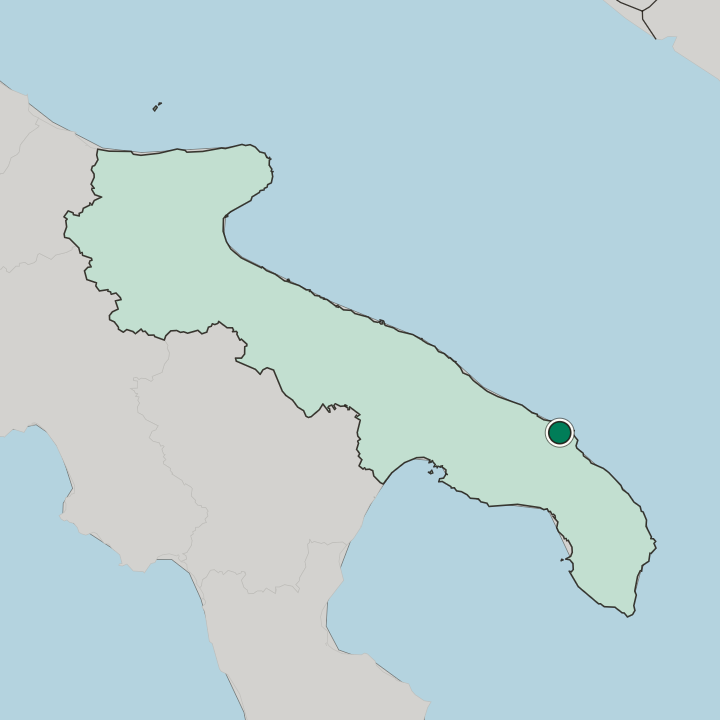
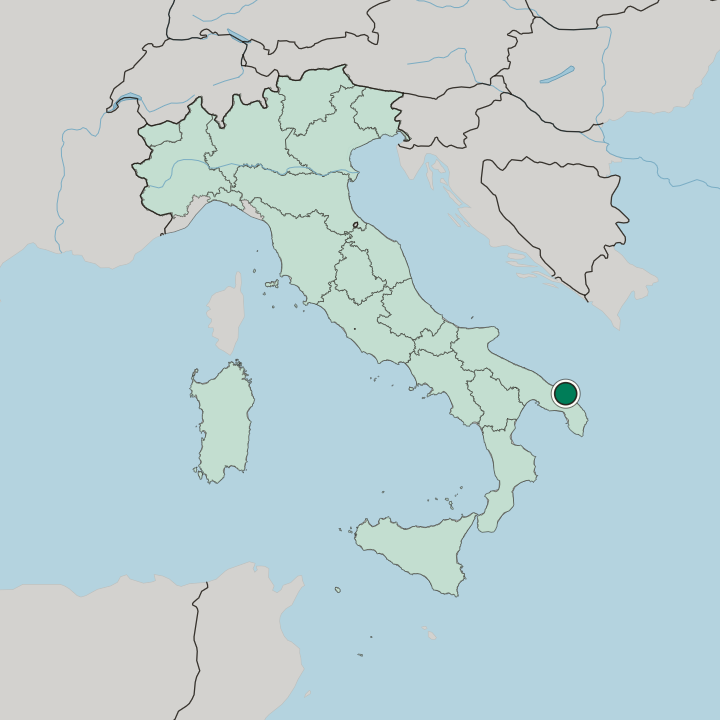
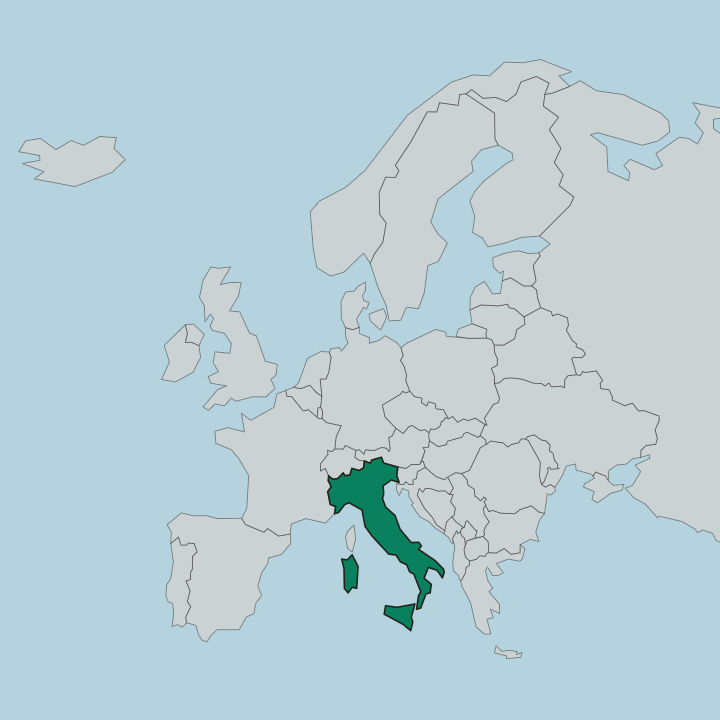
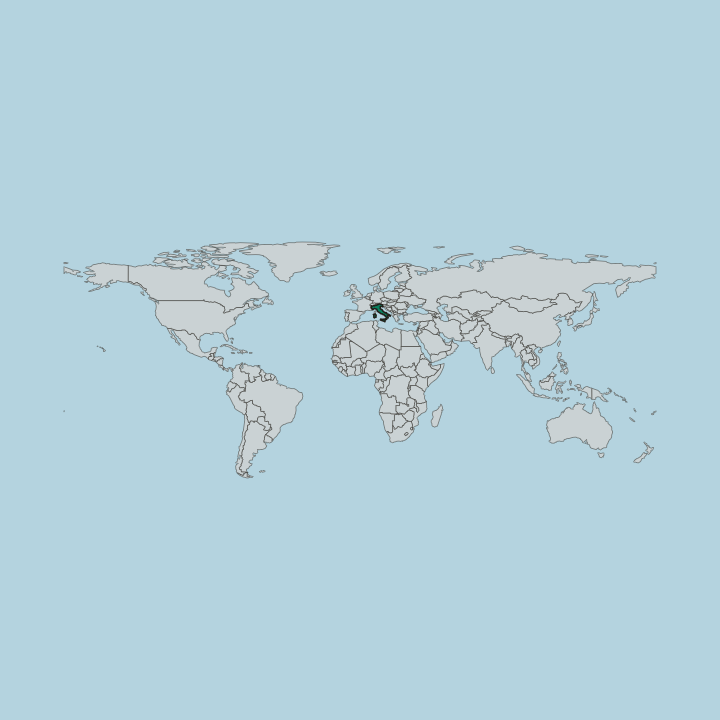
The city sits on the Adriatic Sea, at a natural inlet deep enough to have carried shipping since Roman times. Brindisi belongs to the Salento Peninsula, the heel of the Italian Peninsula, and its own province takes in the farmland behind the coast. Its harbour dictates the shape.
The quays face it directly, while the old streets and Brindisi cathedral stand back from the working edge of the port.
What is the climate of Brindisi?
The Adriatic Sea moderates the year here. Summers turn hot and dry across the Salento Peninsula, though the water beside Brindisi keeps the harbour air moving through the worst of the afternoon heat. Winters are wet and short.
Rain arrives mostly outside the summer, and the temperate band this coast belongs to keeps hard frost out of the picture.
How do you get to Brindisi?
The port is the obvious door. Brindisi handles cargo and crossings toward Greece, the Balkan Peninsula and the Middle East, so arriving by water is not a novelty here but the oldest working habit the city has. By land, the Via Appia Antica once ran in to the harbour from the interior, and the city still faces the same two directions.
The centre walks in ten minutes.
Common questions
What is the best area to stay in Brindisi?
Cathedral grid: walking between Brindisi cathedral and the San Pietro degli Schiavoni excavation. Harbour front: an early departure from the Adriatic quays. Castello Svevo side: a calmer room within reach of Castello Svevo.
Good for
More cities in Puglia
Updated October 2026