Italy · Puglia
Where to Stay in Bari, Puglia
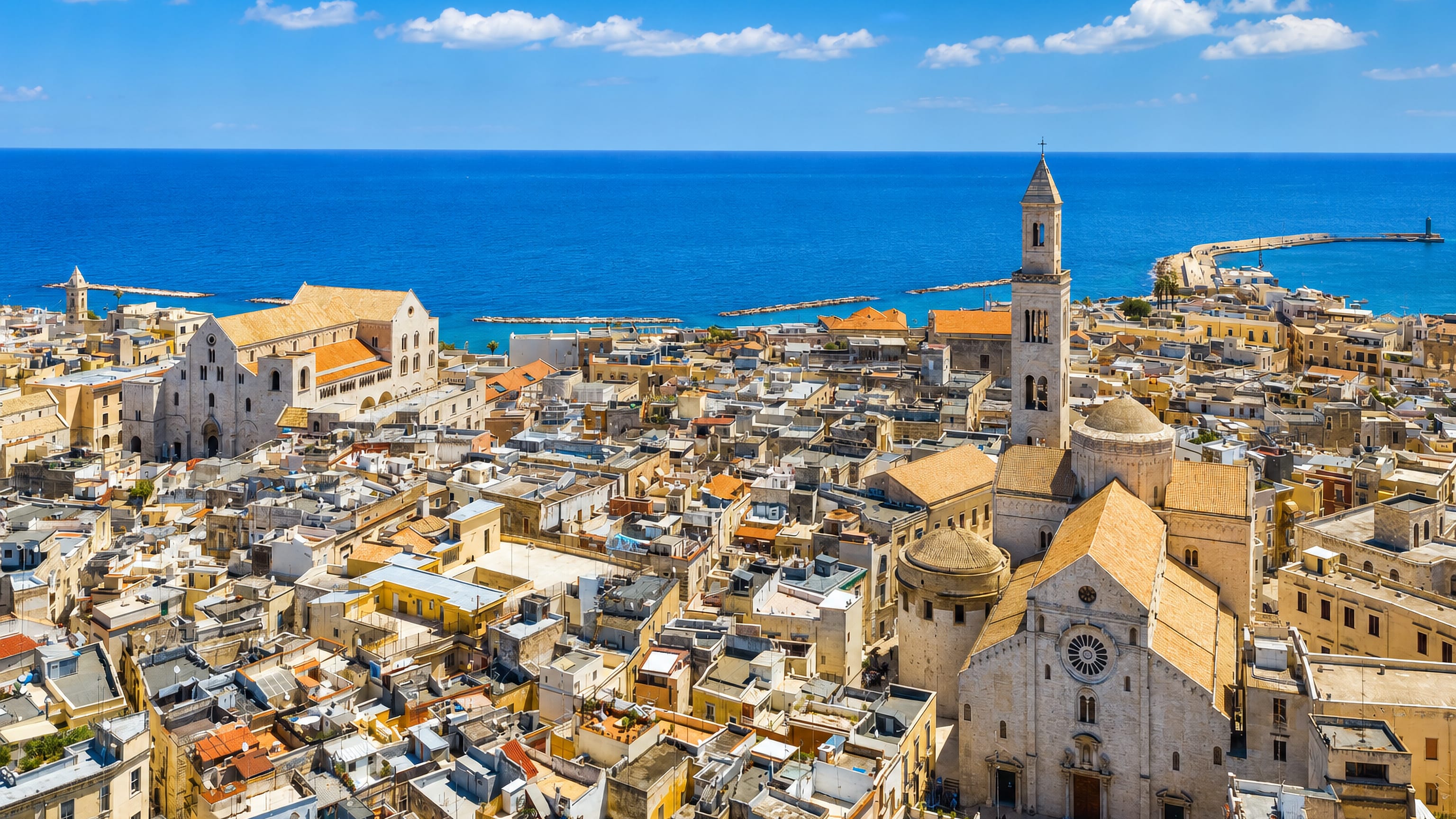
Bari turns a wall of old stone to the Adriatic, capital of Puglia and a ferry port, known for the Basilica of Saint Nicholas and Bari Vecchia.
Hotel links are affiliate links: booking through them may earn us a commission, at no extra cost to you. It never affects how places are ranked. How this works


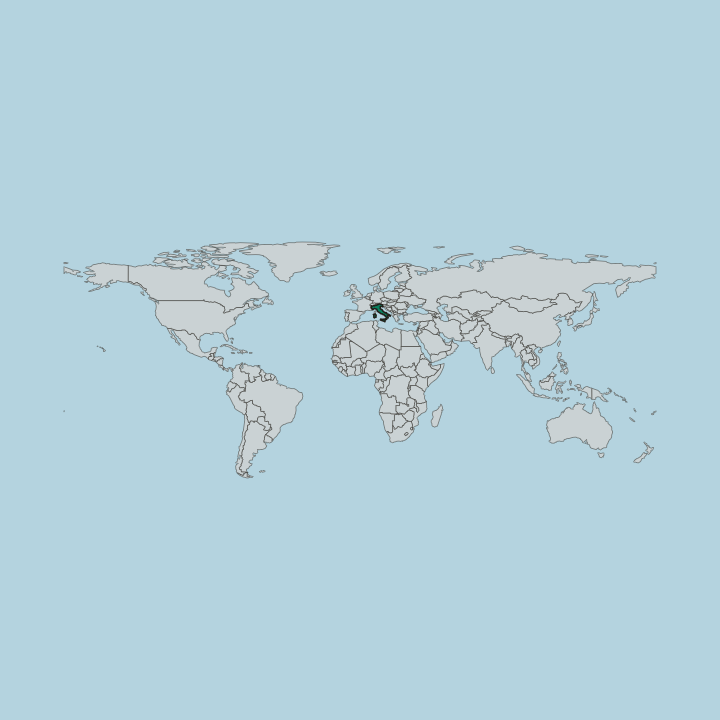
Where to stay in Bari
Each area has its own feel; here's who each one suits.

 BariItalyDrivers who want a working fishing harbour and a swim before breakfast
Torre a Mare
A small rock harbour at the southern edge of Bari, with the boats still going out of itTorre a Mare →BariItalyMurat
Murat is central Bari's grid quarter, laid between the railway and the coast, and the modern half of the city centre beside the Città vecchia.Where to stay →BariItalyMadonnella
Madonnella takes its name from a Madonna set in a niche above the fields at Largo Francesco Carabellese, on Bari's seafront.Where to stay →BariItalySan Nicola
San Nicola is the walled old quarter of Bari in Italy, known to its own as Bari Vecchia and gathered around the Basilica of Saint Nicholas.Where to stay →BariItalyLibertà
Libertà runs west from Piazza Garibaldi to via Brigata Regina along Bari's seafront, a district built out in the first thirty years of the 1900s.Where to stay →BariItalyCarrassi
Carrassi lies just outside Bari's centre and takes its name from the family that once owned the land between Via Re David and Via Picone.Where to stay →BariItalySan Pasquale
San Pasquale is named for a chapel to San Pasquale Baylon, a Bari quartiere lying under a kilometre from the centre.Where to stay →BariItalyPicone
Picone takes its name from a vanished torrent, a quartiere of Bari behind the station tracks, holding the Policlinico and the Piccinni conservatory.Where to stay →BariItalyMarconi - San Girolamo - Fesca
The Faro di Punta San Cataldo stands over Marconi - San Girolamo - Fesca, a quartiere of Bari holding the Fiera del Levante fairground.Where to stay →BariItalyStanic
Stanic carries the name of the refinery it grew around, a quartiere in the north-west of Bari whose houses began as the Villaggio del Lavoratore.Where to stay →BariItalyJapigia
Japigia is a quarter on the south-eastern edge of Bari named after the Iapigi, the people the Greeks placed across almost all of what is now Puglia.Where to stay →BariItalyCarbonara di Bari
Carbonara di Bari is a quarter of Bari in the IV municipio, an autonomous commune until 1928, about five kilometres south of the city centre.Where to stay →All neighbourhoods (18)
BariItalyCeglie del Campo
Ceglie del Campo, a quartiere in Bari's southern periphery, grew on the plateau of Peucetian Caelia around the eleventh-century Castello di Ceglie.Where to stay →BariItalySan Paolo
San Paolo is a quartiere on the western side of Bari, dated to 1970 in the city's record and set under the III municipio since 2014.Where to stay →BariItalySan Giorgio
Public beach and a cove at Cala San Giorgio mark the shore of San Giorgio, a quartiere that a 1934 law took from Triggiano and gave to Bari.Where to stay →BariItalyPalese - Macchie
Palese - Macchie is a district of Bari in Italy, a quarter of parish churches and the Torre della Bella Mora.Where to stay →BariItalyLoseto
Farm tracks run out of Loseto into open country, a quartiere on Bari's south-western edge holding a castle, a monumental gate, and the Sedile.Where to stay →BariItalySanto Spirito
Santo Spirito is a quartiere on the north-western edge of Bari, paired with Palese Macchie in Municipio V and dated to 1970.Where to stay →Hotel links are affiliate links: booking through them may earn us a commission, at no extra cost to you. It never affects how places are ranked. How this works
Find hotels in Bari
Direct booking searches for these neighbourhoods.
Bari Vecchia
Inside the walled headland, among alleys where orecchiette dry on tables put out at the doorstepFind hotels in Bari VecchiaShopping along Via Sparano with Bari Centrale a short walk offMurat quarter
The straight nineteenth-century grid between Piazza del Ferrarese and the station, where most of the hotel stock sitsFind hotels in Murat quarterA balcony over the Adriatic still within walking distance of the old townMadonnella and the Lungomare
The seafront blocks behind Lungomare Nazario Sauro and Teatro Margherita, quieter than the centre and still on foot from itFind hotels in Madonnella and the LungomareHotel links are affiliate links: booking through them may earn us a commission, at no extra cost to you. It never affects how places are ranked. How this works
Things to do in Bari
Ranked by global recognition; descriptions from Wikidata (CC0).
Museums & Galleries
6- Teatro Margherita Heritage
- Pinacoteca metropolitana di Bari Heritage
- Museo archeologico di Santa Scolastica Heritage
- Museo Nicolaiano Heritage
- Museo Civico di Bari Heritage
Show 1 more →
- Museo Collezione di Fisica Heritage
Churches & Religious Sites
8- Basilica of Saint Nicholas Heritage
- Santa Teresa dei Maschi Heritage
- San Marco dei Veneziani Heritage
- Santa Chiara Heritage
- Saint Anne Church Heritage
Show 3 more →
- chiesa di San Martino Heritage
- San Gregorio Heritage
- Sant'Antonio Heritage
Castles & Historic Sites
8- Colonna Infame Heritage
- Palazzo Simi Heritage
- Statue of Saint Nicholas Heritage
- Monument to Armando Diaz Heritage
- Scultura di Re Umberto I a cavallo Heritage
Show 3 more →
- fountain of Aldo Moro square Heritage
- Fisherman’s monument Heritage
- Sculpture to the paratroopers Heritage
Stadiums & Sports
1- Palaflorio
Landmarks & Notable Places
2- Torre Pelosa Heritage
- Torre della Bella Mora
worth knowingacross 5 categories in Bari
About Bari
What is Bari known for?
Bari is the port capital of Puglia and the city of Saint Nicholas. Sailors brought the saint's bones from Myra in 1087, and the Basilica of Saint Nicholas has drawn Orthodox and Catholic pilgrims down the same lanes ever since. Ferries leave for Greece and Albania.
Women roll orecchiette on tables put out in the street of Bari Vecchia, and the Murat grid behind the old town runs on shopping streets and coffee.
What are the main landmarks in Bari?
Bari keeps its monuments on the headland. The Basilica of Saint Nicholas, raised over the stolen relics in the eleventh century, set the pattern every Puglian Romanesque church copied afterwards. The Cathedral of Santa Maria Assunta stands a few streets away.
Castello Normanno-Svevo guards the landward side, rebuilt by Frederick II and later held by Bona Sforza, and the Museo archeologico di Santa Scolastica sits on the seaward wall above the port. Teatro Margherita stands on piles in the water.
What is the history of Bari?
Bari began as Barium, a Peucetian harbour on the Adriatic that the Romans took over. Byzantium made it the seat of the catapan who governed southern Italy, and for two centuries the orders for Apulia and Calabria went out from this rock. Then sailors changed everything.
In 1087 a crew from Bari carried the bones of Saint Nicholas out of Myra, and the basilica built to hold them turned a trading port into a shrine that Rome and Constantinople both honoured. The Normans took the city, and William the Bad levelled it in 1156. Frederick II rebuilt the castle.
Bona Sforza, duchess of Bari and queen of Poland, held the city in the sixteenth century and lies under a marble monument in the Basilica of Saint Nicholas. Joachim Murat ordered a new town in 1813, and the straight streets below the old walls gave Bari its shops and its theatres. War found the port in 1943, when a German raid on the harbour sank the ships and released the mustard gas one of them carried.
The ferries and the fairs came back.
Where is Bari?
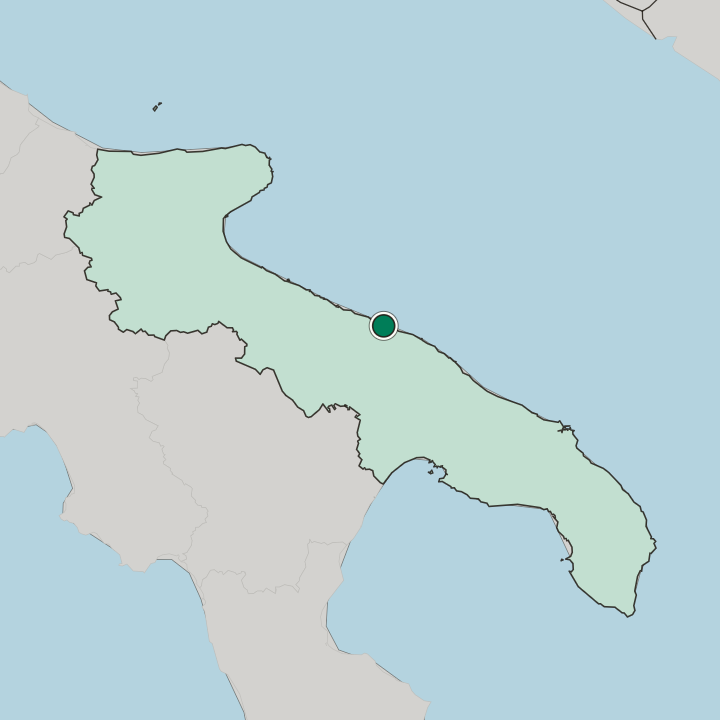
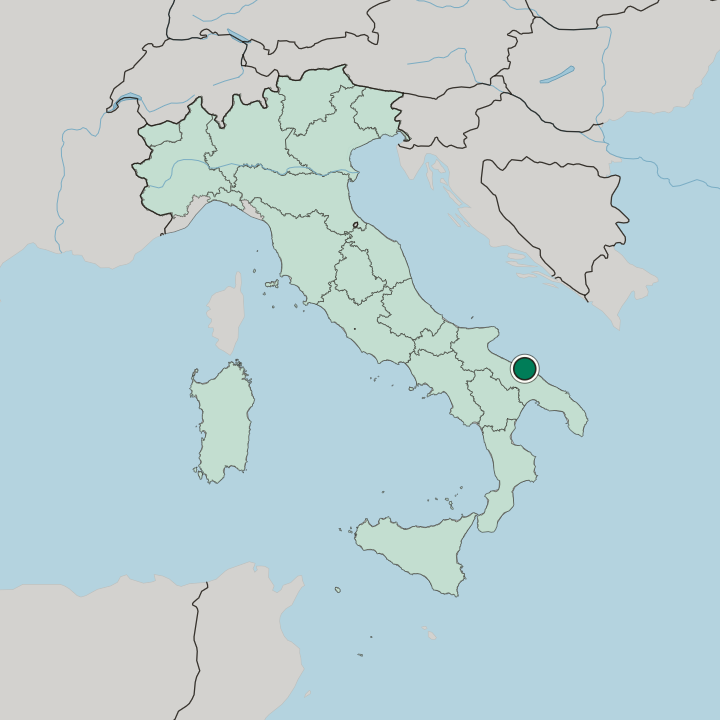
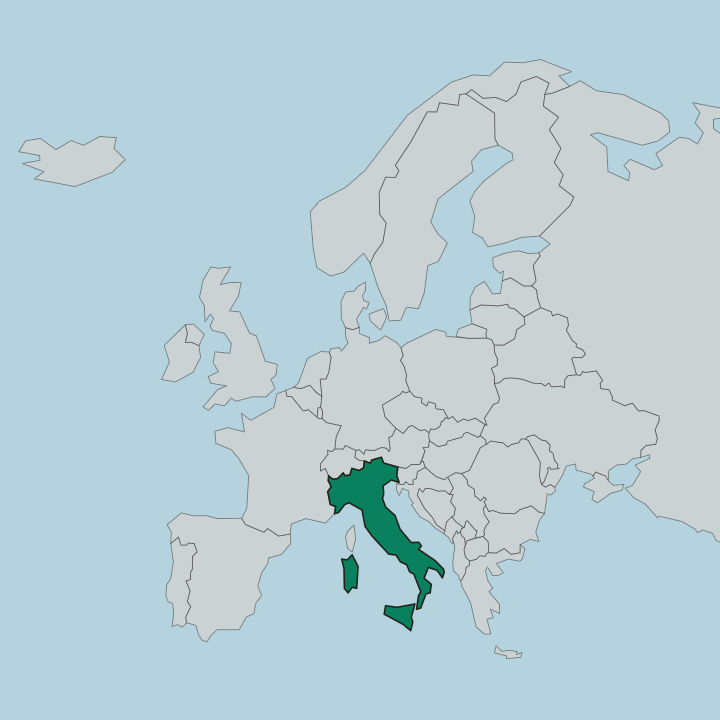
Bari lies on the Adriatic coast of southern Italy, on a low limestone shelf below the Murge. No river reaches the sea here. Rain sinks into the karst and runs underground, which is why the plain behind the city carries olive groves and vines rather than water meadows, and why the coast is rock instead of sand.
The old town stands on a blunt headland between two harbours, with the working port to the north and the fishing basin to the south. Alta Murgia rises inland.
What is the climate of Bari?
Bari lives off the Adriatic in every season. Summer is long, dry and bright, and the sea breeze that comes up in the afternoon is the only relief on the seafront. Winter is mild but raw when the north wind crosses the Adriatic from the Balkans and pushes the waves over Lungomare Nazario Sauro.
Snow is a rumour. The scirocco arrives from Africa in spring and autumn, hauling warm grit up from the sea and greying the limestone.
How do you get to Bari?
Bari sits on the Adriatic main line between Bologna and Lecce. Fast trains run down the coast to Bari Centrale, the regional lines of the Ferrovie Appulo Lucane climb inland toward Matera, and a shuttle service links the station to Bari Karol Wojtyła airport at Palese. The port does the rest.
Ferries cross to Igoumenitsa and Patras in Greece, to Durrës in Albania and to Dubrovnik, and the terminal sits within sight of the old town. The A14 autostrada runs past on its way to Taranto.
Common questions
What is the best area to stay in Bari?
Bari Vecchia: Pilgrims and anyone who wants the basilica crypt two minutes from the door. Murat quarter: Shopping along Via Sparano with Bari Centrale a short walk off. Madonnella and the Lungomare: A balcony over the Adriatic still within walking distance of the old town. Torre a Mare: Drivers who want a working fishing harbour and a swim before breakfast.
Good for
More cities in Puglia
Updated October 2026