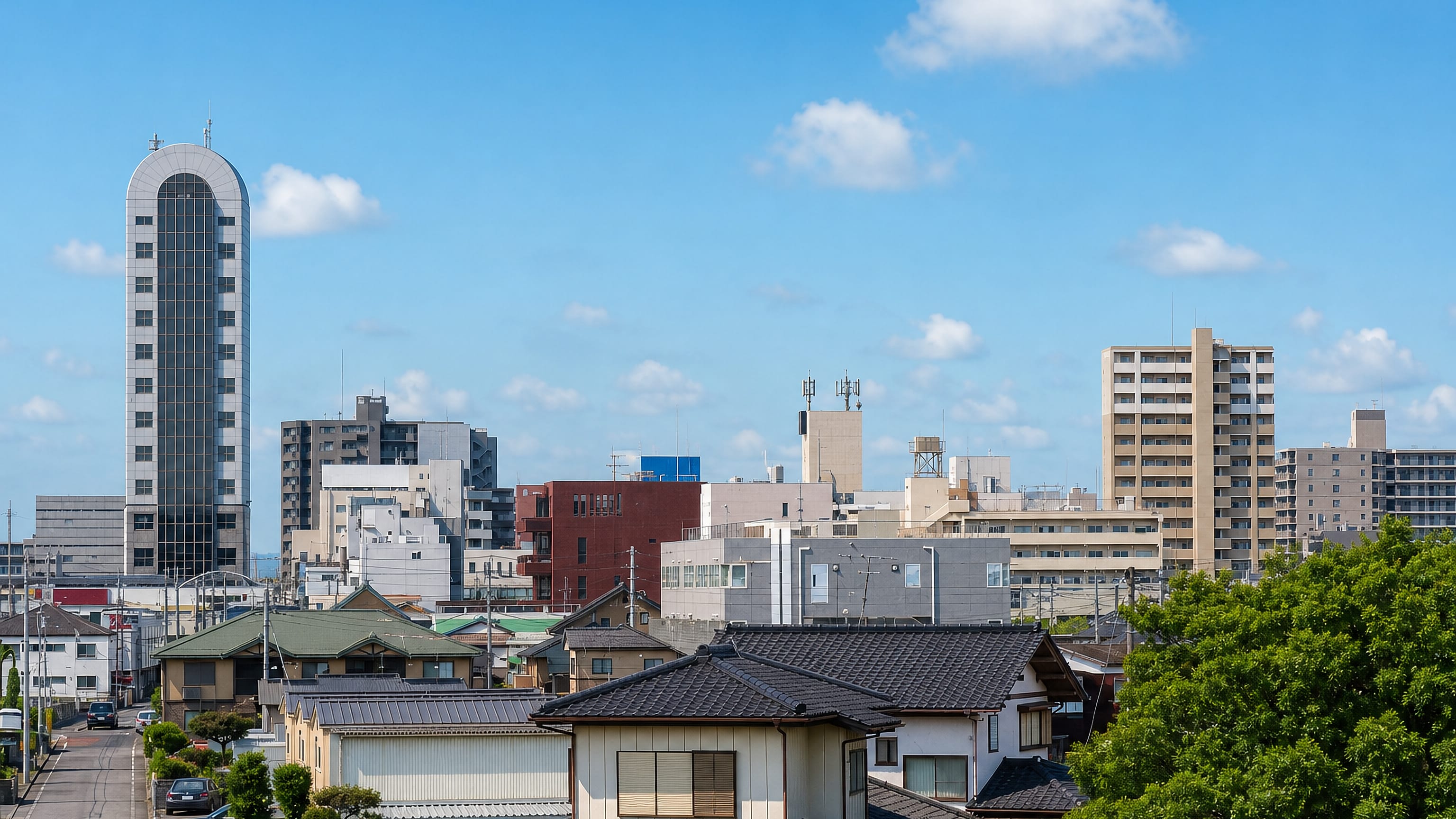
Japan · Chiba-ken
Where to Stay in Ichihara, Chiba-ken
Ichihara is a wide Chiba Prefecture city inside the Greater Tokyo Area, holding Kazusa Kokubun-ji Temple and eight small railway stations.
Hotel links are affiliate links: booking through them may earn us a commission, at no extra cost to you. It never affects how places are ranked. How this works


Where to stay in Ichihara
The practical side of choosing where to sleep.
The railway decides this. Ichihara covers a great deal of ground, and the practical difference between one base and another is which of its stations, Kazusa-Tsurumai Station, Satomi Station, Takataki Station, a visitor expects to use most. Kazusa Kokubun-ji Temple anchors the older half of the city, with Kazusa Kokubun-niji beside it and the Ichihara History Museum keeping the record that both belong to.
A room on that side suits the temple half. The rural end is different. Yōrōkeikoku Station, Umatate Station and Tsukizaki Station belong to the open stretch, and a day spent out there runs long enough that the return matters more than the outward trip.
Amaariki Station and Kazusa-Ushiku Station add two more options. The Ichihara Lakeside Museum makes the case for a base out of the centre, since a lake-edge museum is not a thing that gets built where the streets are dense. Football fills rooms on match days.
JEF United draws its crowd from Ichihara and the city of Chiba together, so a fixture weekend tightens the supply across both, and the Greater Tokyo Area is close enough to absorb the overflow. Iigaoka Hachimangū, Saigan-ji Temple and Hōrai-ji Temple are all short detours from one line or another.
Find hotels in Ichihara
Direct booking searches for these neighbourhoods.
The Kazusa Kokubun-ji quarter
The paired provincial foundations of Kazusa stand on this side of IchiharaFind hotels in The Kazusa Kokubun-ji quarterTravellers riding out to Yōrōkeikoku Station and Takataki StationThe line towards Yōrōkeikoku Station
The rural stops of Ichihara string out along this stretch of track. Beds are limited here, so book early.Find hotels in The line towards Yōrōkeikoku StationVisitors making a half day of the Ichihara Lakeside MuseumThe Ichihara Lakeside Museum side
The Ichihara Lakeside Museum stands by open water, well out of the dense streets. Rooms are few around here — worth securing early.Find hotels in The Ichihara Lakeside Museum sideHotel links are affiliate links: booking through them may earn us a commission, at no extra cost to you. It never affects how places are ranked. How this works
About Ichihara
Two things, far apart in age.
What is Ichihara known for?
Kazusa Kokubun-ji Temple and Kazusa Kokubun-niji carry the name of the old province this ground belonged to, and eight country railway stations thread what is otherwise a very large municipal area. Football counts too. Ichihara shares the JEF United club with the city of Chiba, and the whole municipality falls inside the Greater Tokyo Area.
What are the main landmarks in Ichihara?
Half the list is railway stations. Kazusa-Tsurumai Station, Amaariki Station, Kazusa-Ushiku Station, Satomi Station, Takataki Station, Tsukizaki Station, Umatate Station and Yōrōkeikoku Station make eight small stops in one municipality, which says something about how much country the city contains. The temples answer the other half.
Kazusa Kokubun-ji Temple and Kazusa Kokubun-niji, Saigan-ji Temple, Hōrai-ji Temple, Iigaoka Hachimangū and the Nara Daibutsu carry the religious record, and the Ichihara History Museum and the Ichihara Lakeside Museum keep the rest.
What is the history of Ichihara?
The province came first. Kazusa Kokubun-ji Temple and Kazusa Kokubun-niji preserve a paired foundation, a temple and a nunnery under the name of the Kazusa province this ground once belonged to. Other foundations followed.
Saigan-ji Temple, Hōrai-ji Temple and Iigaoka Hachimangū spread the religious record across a municipality large enough to keep them well apart, and the Nara Daibutsu sits on the same list. City status came in 1963. Ichihara took its modern shape late, and the wide area inside its boundary is the reason the railway matters here more than in a compact town, with Kazusa-Tsurumai Station, Umatate Station and Yōrōkeikoku Station all inside the same municipality.
Tokyo did the rest. The whole city falls inside the Greater Tokyo Area, and the JEF United football club it shares with the city of Chiba belongs to the same modern chapter. Amaariki Station, Satomi Station, Takataki Station and Tsukizaki Station fill in the rest of the line, and they remain the practical skeleton of a city too large to walk.
Two museums carry the account: the Ichihara History Museum sets the sequence out, and the Ichihara Lakeside Museum belongs to the modern city as well.
Where is Ichihara?
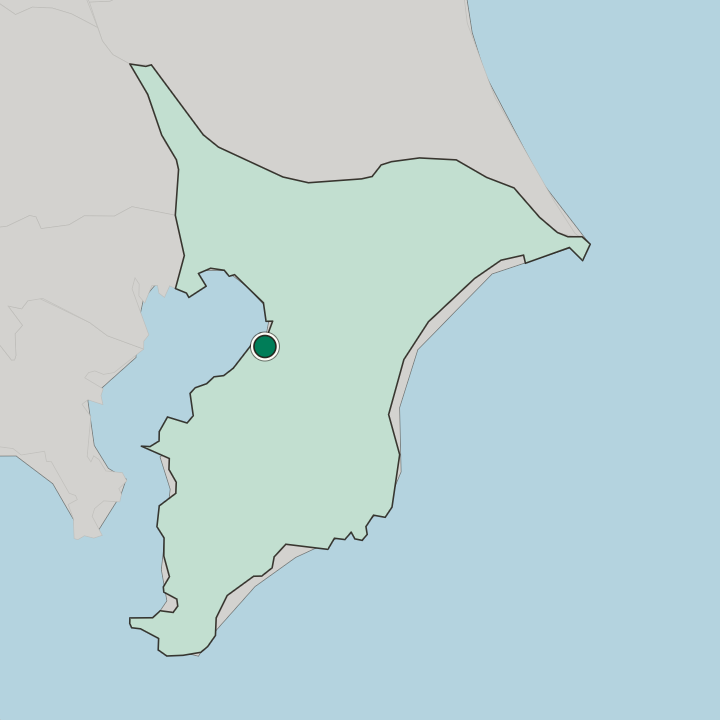
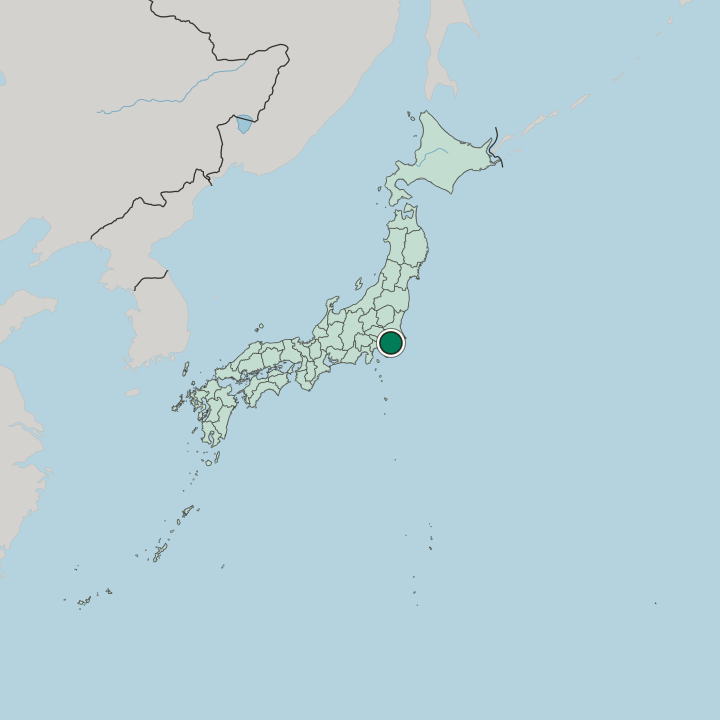
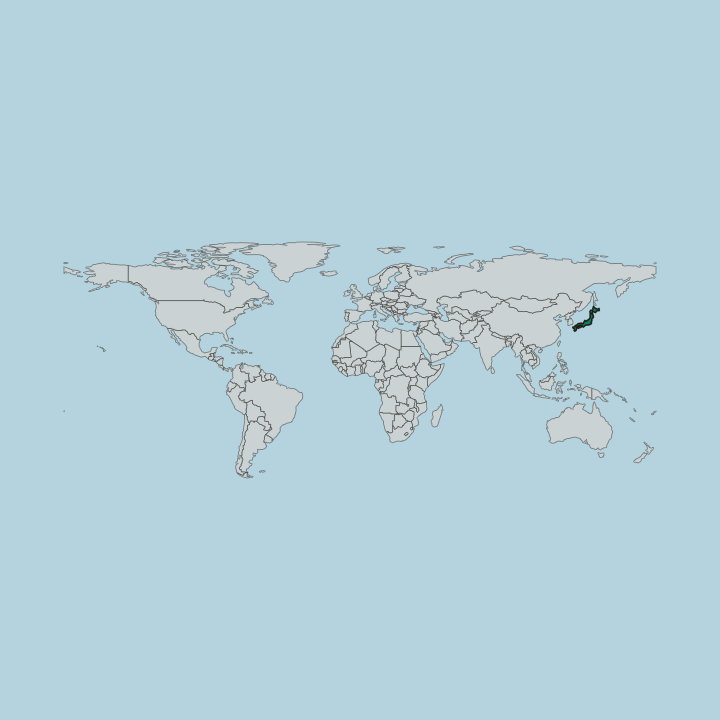
Ichihara is mostly not city. The municipal area runs to hundreds of square kilometres of country inside a single boundary, which is why eight railway stations fit within it and why the Ichihara Lakeside Museum can stand by open water. Chiba Prefecture holds it all.
The Greater Tokyo Area reaches this far, which is the strange part: a place with Yōrōkeikoku Station at one end sits inside the same conurbation as the capital.
What is the climate of Ichihara?
The temperate band sets it. Ichihara takes four separated seasons, and the difference between them is felt hardest out along the line at Takataki Station and Yōrōkeikoku Station, where the country is open and the walk from the platform is part of the day. Temples are indifferent to it.
Kazusa Kokubun-ji Temple, Saigan-ji Temple and the Ichihara History Museum work in any month, which makes them the fallback when the weather rules out the rural half of the city.
How do you get to Ichihara?
Eight stations serve one city. Kazusa-Tsurumai Station, Kazusa-Ushiku Station, Amaariki Station, Satomi Station, Takataki Station, Tsukizaki Station, Umatate Station and Yōrōkeikoku Station are the practical way into Ichihara, since the distances inside the boundary defeat walking and most of the interest lies away from the built-up part. The Greater Tokyo Area is on the doorstep.
The city of Chiba lies close enough to share a football club, and the conurbation around both makes Ichihara an easy place to reach and a harder one to cross.
Common questions
What is the best area to stay in Ichihara?
The Kazusa Kokubun-ji quarter: Days given to Kazusa Kokubun-ji Temple and the Ichihara History Museum. The line towards Yōrōkeikoku Station: Travellers riding out to Yōrōkeikoku Station and Takataki Station. The Ichihara Lakeside Museum side: Visitors making a half day of the Ichihara Lakeside Museum.
Good for
More cities in Chiba-ken
Updated October 2026