Japan · Chiba-ken
Where to Stay in Narashino, Chiba-ken
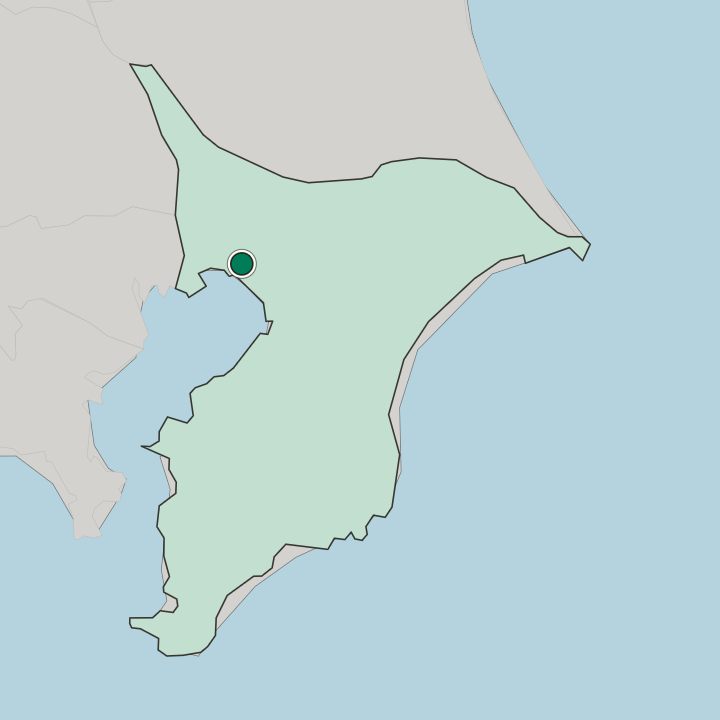
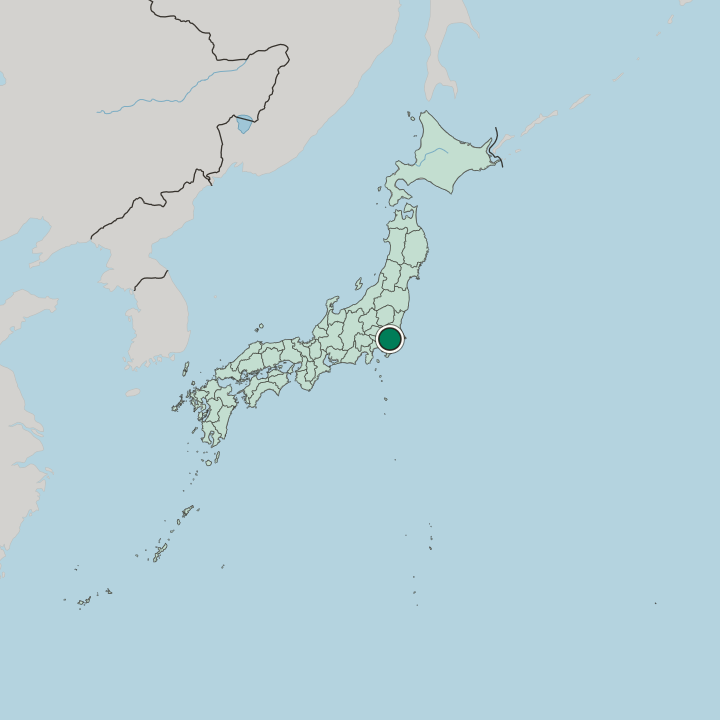
Narashino is a small, closely built city of Chiba Prefecture, Japan, packed onto twenty square kilometres along the Sobu Line.
Hotel links are affiliate links: booking through them may earn us a commission, at no extra cost to you. It never affects how places are ranked. How this works


Where to stay in Narashino
Where you base yourself shapes the visit — here's the character of each area.
 NarashinoJapan
Tsudanuma
Tsudanuma is a district of Narashino in Chiba Prefecture, running from 1-chōme to 7-chōme around Tsudanuma Station.Where to stay →NarashinoJapanFujisaki
Fujisaki is one of two districts Narashino lists in Chiba-ken, and the record attaches no landmark, no founding year and no station to the name.Where to stay →Hotel links are affiliate links: booking through them may earn us a commission, at no extra cost to you. It never affects how places are ranked. How this works
Find hotels in Narashino
Direct booking searches for these neighbourhoods.
Beside the Sobu Line
Rooms on the Sobu Line, the axis the whole of Narashino is arranged alongFind hotels in Beside the Sobu LineMornings that begin out at Yatsu-higataThe Yatsu-higata edge
The quiet side of the city nearest the open ground of Yatsu-higata. Rooms are few around here — worth securing early.Find hotels in The Yatsu-higata edgeHotel links are affiliate links: booking through them may earn us a commission, at no extra cost to you. It never affects how places are ranked. How this works
Things to do in Narashino
Ranked by global recognition; descriptions from Wikidata (CC0).
Museums & Galleries
3- Chiba City Museum of Art
- Chiba Prefectural Museum of Art
- Kūtei-kan
Castles & Historic Sites
2- 明治天皇駐蹕之処の碑
- Kotehashi Shell Mound
Nature & Outdoors
1- Chiba Zoological Park
Stadiums & Sports
1- ZOZOPARK HONDA FOOTBALL AREA
Parks & Gardens
2- Daikeien
- カンドゥー幕張新都心
worth knowingacross 5 categories in Narashino
About Narashino
What is Narashino known for?
Twenty square kilometres hold the whole of Narashino, which is why the city behaves less like a destination in its own right than like a dense stretch of the Sobu Line carrying a name of its own. Yatsu-higata is the exception. That ground holds people who would otherwise pass straight through, and Kūtei-kan and Daikeien supply a second and third stop.
The region does the rest of the work: Chiba City Museum of Art, Chiba Port Tower, and Funabashi H. C. Andersen Park all lie within one short journey.
What are the main landmarks in Narashino?
Yatsu-higata heads the list. Kūtei-kan and Daikeien follow it, and Monument to Emperor Meiji's Halting Place, a stone recording an imperial halt, fixes a moment of the Meiji years to a spot in a city that keeps very little else of that age above ground. Museums arrive from next door.
Chiba City Museum of Art, the Chiba Prefectural Museum of Art, Chiba Zoological Park, and the Funabashi City Local Collection Museum all belong to neighbouring municipalities, near enough to count as part of a visit.
What is the history of Narashino?
The year on the record is 1889. That is when the municipality entered the register, under the name Tsudanuma Village, which the official record still carries beside Narashino and which is the single oldest thing about the city that a visitor can check. Villages came before the register.
What they left lies mostly in the ground rather than on it, and the archaeology of this stretch of Chiba Prefecture is shown a short way off at the Tobinodai Historic Site Park Museum, the Onitaka Site, and the Kotehashi Shell Mound. The Meiji years left a marker of their own. Monument to Emperor Meiji's Halting Place records an imperial halt, one of the few things in Narashino that pins a date to a place, while Kūtei-kan and Daikeien add two further entries to a list that is short by the standards of the cities around.
Most of what stands here is recent. Building filled nearly all of the twenty square kilometres as the city grew along the Sobu Line, which left Yatsu-higata as the one large piece of open ground with a name of its own and left the deeper record of the area to the museums of Funabashi, Ichikawa, Urayasu, and Yachiyo. A visitor after older material crosses a boundary to find it.
Where is Narashino?
Narashino covers twenty square kilometres, almost all of it built up, with Yatsu-higata as the notable piece of ground that is not. The Sobu Line crosses the middle. Past the boundary the map fills with institutions belonging to other municipalities, Chiba City, Funabashi, Ichikawa, Urayasu, and Yachiyo among them, which is what settlement of this density looks like across a whole corner of Chiba Prefecture.
Space is the scarce thing.
What is the climate of Narashino?
Narashino keeps to the temperate northern year. Cold weeks fall at the start of the calendar and heat through the middle of it, leaving the milder spells on either side of summer as the stretch that suits a morning at Yatsu-higata better than either extreme does. Roofs are never far.
The Chiba City Museum of Science and the Funabashi City Local Collection Museum are one train ride away, so a wet day rearranges a plan instead of ending it.
How do you get to Narashino?
Everything here begins with the Sobu Line. Narashino stands on it, and the line is how nearly everyone arrives, leaves, and crosses between the parts of a city whose twenty square kilometres of continuous building give few reasons to drive. Yatsu-higata is a walk from the rails.
Chiba Port Tower, the Chiba Museum of Science and Industry, and Funabashi H. C. Andersen Park each sit at the far end of a short ride, which is the usual shape of a day out from here.
Common questions
What is the best area to stay in Narashino?
Beside the Sobu Line: Nights that need a station more than a view. The Yatsu-higata edge: Mornings that begin out at Yatsu-higata.
Good for
More cities in Chiba-ken
Updated October 2026