Japan · Chiba-ken
Where to Stay in Sakura, Chiba-ken
Sakura keeps the National Museum of Japanese History, a tulip season and an unusual link to the Netherlands inside one Chiba city.
Hotel links are affiliate links: booking through them may earn us a commission, at no extra cost to you. It never affects how places are ranked. How this works


Where to stay in Sakura
Where the beds are, and what that means for the visit.
A bed near the National Museum of Japanese History answers the reason most people come, because that collection swallows a full day on its own and leaves the Sakura City Museum of Art or the Tsukamoto Museum as an evening afterthought rather than a second expedition. Give it the whole day. Nobody works through a national museum in ninety minutes, and former Hirai Family Residence makes a better second stop the following morning than a rushed hour on the same afternoon.
The commuter half of Sakura serves a different traveller. Train links towards Chiba, Tokyo and Narita Airport turned this into a bedroom community for all three, and beds on that side suit anyone treating the city as a base for the wider prefecture or as the last stop before a flight. Narita Airport changes the maths.
A night here before an early departure costs nothing in convenience and buys a morning among the tulip beds or at the Kabosu Monument, which is a better use of the time than an airport hotel. Spring pushes demand. The tulip season is the one stretch of the year when a room in Sakura wants booking properly in advance, and the Sports Museum, the Tsukamoto Museum and former Hirai Family Residence all sit close enough to that draw to be folded into the same visit.
Otherwise the city stays quiet. Chiba Prefecture offers larger alternatives within easy reach, so a single night is often the right allocation for a place whose main collection, however good, is still one building.
Find hotels in Sakura
Direct booking searches for these neighbourhoods.
By the National Museum of Japanese History
The national collection fills a day, leaving the Sakura City Museum of Art for the eveningFind hotels in By the National Museum of Japanese HistoryLast nights before an early departure from Narita AirportThe commuter side towards Narita Airport
Train links to Chiba, Tokyo and Narita Airport make this the practical half of SakuraFind hotels in The commuter side towards Narita AirportHotel links are affiliate links: booking through them may earn us a commission, at no extra cost to you. It never affects how places are ranked. How this works
Things to do in Sakura
Ranked by global recognition; descriptions from Wikidata (CC0).
Museums & Galleries
3- National Museum of Japanese History
- Sakura City Museum of Art
- Sports Museum
Castles & Historic Sites
2- カンカンムロ横穴群
- Kabosu Monument
Landmarks & Notable Places
1- 旧平井家住宅
worth knowingacross 3 categories in Sakura
About Sakura
The history museum is the headline.
What is Sakura known for?
A national collection of this size gives Sakura a draw out of all proportion to the municipality around it, and the Sakura City Museum of Art with the Tsukamoto Museum extend that argument on a much smaller scale. Tulips come round each spring. An unusual thread also ties this part of Chiba Prefecture to the Netherlands, while former Hirai Family Residence stands for the domestic end of a long local record.
The Sports Museum and the Kabosu Monument round the list out.
What are the main landmarks in Sakura?
One heavyweight, then a scatter of smaller things. The National Museum of Japanese History dominates any list of what Sakura holds, and the Sakura City Museum of Art, the Tsukamoto Museum and the Sports Museum divide the remaining museum-going between them. former Hirai Family Residence is the old house. Kankanmuro Cave Tomb Group and the Kabosu Monument complete a set that mixes cut ground with commemorative stone.
What is the history of Sakura?
Sakura is the name underneath. Sakura carries a long record for a municipality of its size, and the buildings that record left behind are the reason a visitor finds something older here than the commuter housing that arrived with the trains. Kankanmuro Cave Tomb Group belongs to the earliest layer.
Ground cut into for burial outlasts almost everything raised on top of it, which is why a site of that kind survives while the settlements around it were rebuilt many times over. former Hirai Family Residence speaks for the household order that followed. A house kept whole tells more about ordinary life than any list of rulers, and the Hirai name attached to it is the sort of detail that only survives where a community decided a building was worth keeping. Then there is the Netherlands.
An unusual connection ties Sakura to that country, an inheritance rare enough in Chiba Prefecture that it still marks the city out from its neighbours. 1954 fixed the modern shape. City status came in that year, and the National Museum of Japanese History later gave Sakura a national role that a bedroom community for Chiba, Tokyo and Narita Airport would not otherwise have acquired. Museums multiplied after it.
The Sakura City Museum of Art, the Tsukamoto Museum and the Sports Museum each took a slice of what the big collection could not cover, while the Kabosu Monument marks the more recent habit of commemorating in stone.
Where is Sakura?
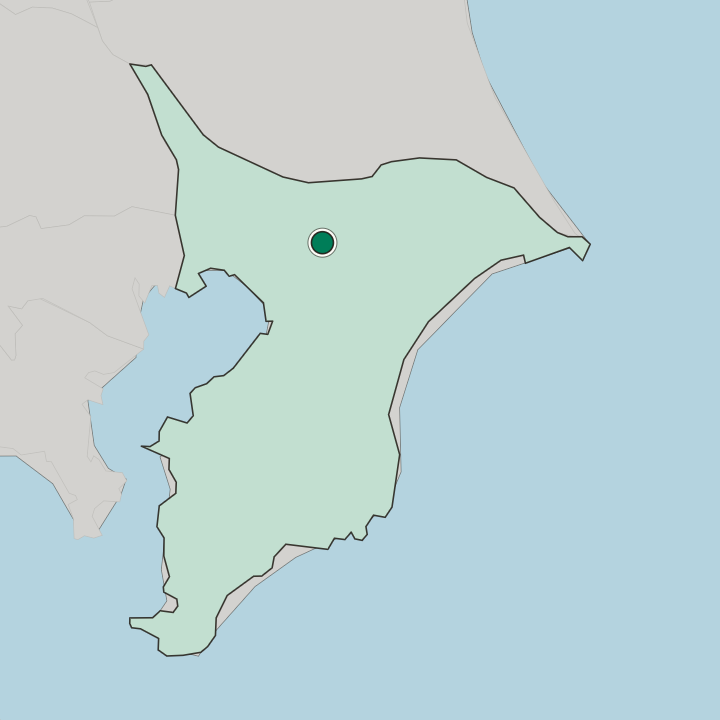
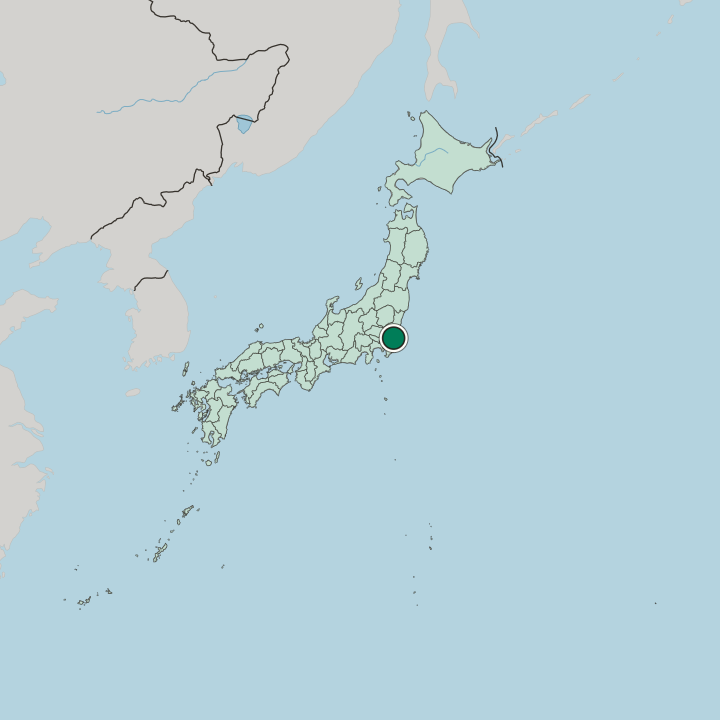
Sakura covers a shade over a hundred square kilometres of Chiba Prefecture, close enough to Chiba, Tokyo and Narita Airport for the daily traffic to run outward in three directions at once. The museums sit apart from that flow. former Hirai Family Residence and Kankanmuro Cave Tomb Group belong to older ground, further from the rail corridor than the National Museum of Japanese History. Distances stay walkable in places, driveable elsewhere.
What is the climate of Sakura?
Tulip season sets the calendar. The temperate band over this stretch of Chiba Prefecture delivers a spring mild enough for the flowering display and a summer humid enough to turn the approach to the National Museum of Japanese History into hard work by mid-afternoon. Cold weather passes quickly.
Indoor days are simple to arrange when the Sakura City Museum of Art and the Tsukamoto Museum are both waiting.
How do you get to Sakura?
Rail brings almost everyone here. Sakura's connections run towards Chiba, Tokyo and Narita Airport, which is why the city serves as a bedroom community for all three and why a visitor almost never needs a car to arrive. Narita Airport is the useful one.
An arrival or a departure through it absorbs a night in Sakura and a morning at the National Museum of Japanese History without adding a detour to anyone's route.
Common questions
What is the best area to stay in Sakura?
By the National Museum of Japanese History: A full uninterrupted day inside the National Museum of Japanese History. The commuter side towards Narita Airport: Last nights before an early departure from Narita Airport.
Good for
More cities in Chiba-ken
Updated October 2026