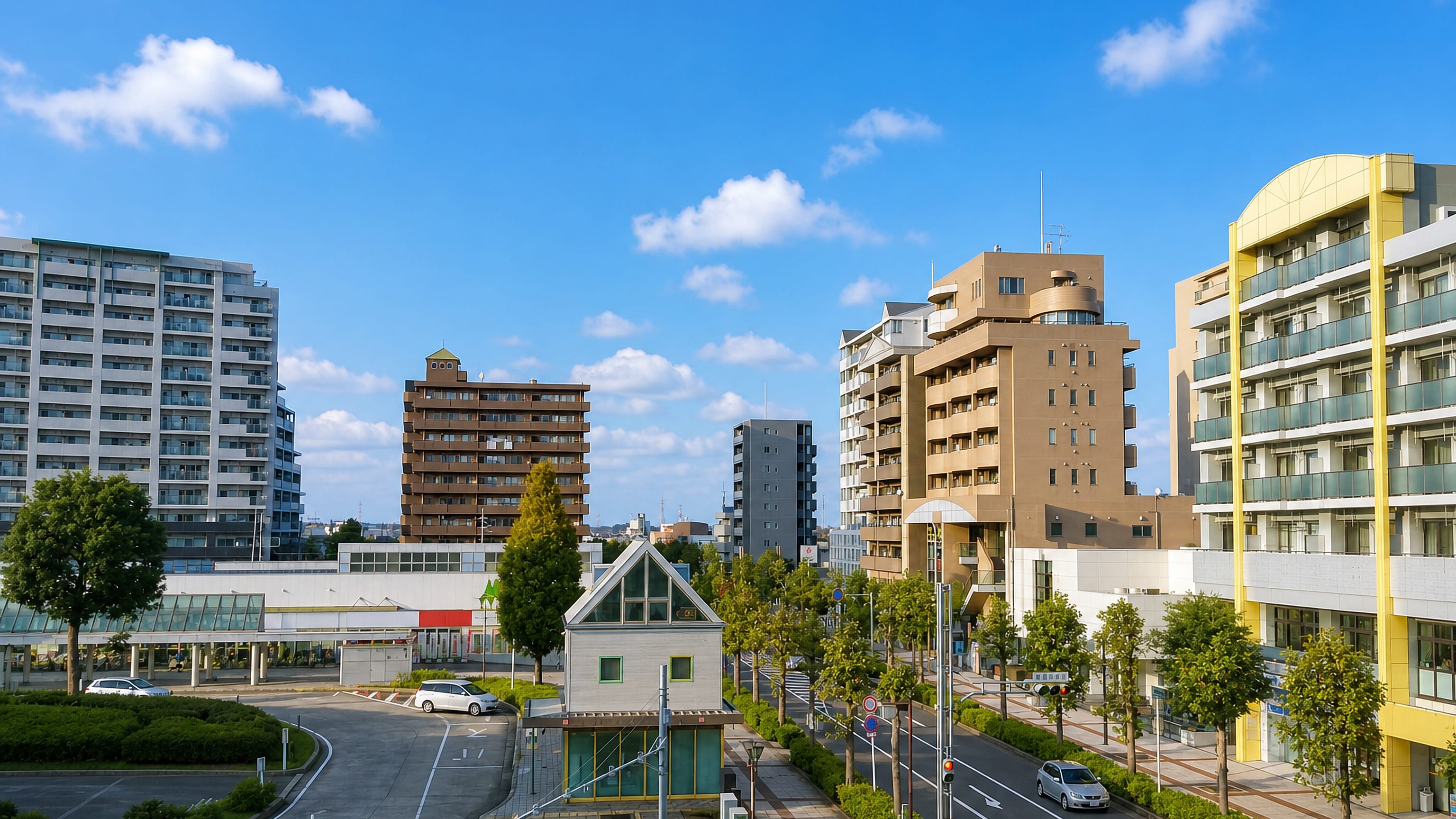
Japan · Chiba-ken
Where to Stay in Yachiyo, Chiba-ken
Yachiyo builds its short list from two shell mounds, a municipal folk museum and the collections of neighbouring Chiba Prefecture towns.
Hotel links are affiliate links: booking through them may earn us a commission, at no extra cost to you. It never affects how places are ranked. How this works


Where to stay in Yachiyo
The practical side of choosing where to sleep.
Yachiyo asks a family question first. Anyone travelling with children will find the Chiba Zoological Park and Kandu Makuhari Shintoshin within reach of a base here, and that combination does more for a weekend than the city's own museum can manage on its own. Adults get a different list.
The Yachiyo Municipal Folk Museum, the Funabashi City Local Collection Museum and Kamagaya City Local History Museum divide the local record between them across the surrounding towns. Sport is the other pull. ZOZOPARK HONDA FOOTBALL AREA and the Sports Museum answer a weekend built around a fixture rather than a collection, and a room chosen with that in mind saves an awkward cross-district run on the morning of a match.
Kūtei-kan sits in the same specialist category. Nobody arrives at it by accident, and that is precisely its appeal for a traveller who has already done the obvious things in Chiba Prefecture. Old ground rewards an early start.
The Arayashiki Shell Mound, the Kotehashi Shell Mound and the Tobinodai Historic Site Park Museum work best as a single morning circuit, because each one asks less than an hour and none of them justifies a separate day. Fifty-one square kilometres is not much. Whatever a stay in Yachiyo is built around, the National Museum of Japanese History and the Sakura City Museum of Art stay close enough to absorb an afternoon when the weather turns.
Find hotels in Yachiyo
Direct booking searches for these neighbourhoods.
Near the Yachiyo Municipal Folk Museum
The folk museum explains the shell mounds a visitor would otherwise read nothing aboutFind hotels in Near the Yachiyo Municipal Folk MuseumMatch weekends at ZOZOPARK HONDA FOOTBALL AREAThe ZOZOPARK side
A fixture at ZOZOPARK HONDA FOOTBALL AREA is far easier from this side than from the museum streets. Beds are limited here, so book early.Find hotels in The ZOZOPARK sideFamily weekends splitting the Chiba Zoological Park and Kandu Makuhari ShintoshinTowards the Chiba Zoological Park
Both child-facing attractions lie on the same flank of the wider districtFind hotels in Towards the Chiba Zoological ParkHotel links are affiliate links: booking through them may earn us a commission, at no extra cost to you. It never affects how places are ranked. How this works
Things to do in Yachiyo
Ranked by global recognition; descriptions from Wikidata (CC0).
Museums & Galleries
3- National Museum of Japanese History
- Kūtei-kan
- 鎌ヶ谷市郷土資料館
Castles & Historic Sites
3- 明治天皇駐蹕之処の碑
- Arayashiki Shell Mound
- Kotehashi Shell Mound
Nature & Outdoors
1- Chiba Zoological Park
Stadiums & Sports
1- ZOZOPARK HONDA FOOTBALL AREA
Parks & Gardens
1- カンドゥー幕張新都心
worth knowingacross 5 categories in Yachiyo
About Yachiyo
Shell mounds come first here.
What is Yachiyo known for?
The Arayashiki Shell Mound and the Kotehashi Shell Mound both belong to the record this district keeps of very early occupation, and the Yachiyo Municipal Folk Museum is where that record gets set out for anyone who asks. Neighbours supply the rest. The National Museum of Japanese History, the Chiba Zoological Park and the Tobinodai Historic Site Park Museum all lie within reach of a city covering barely fifty square kilometres.
What are the main landmarks in Yachiyo?
Two shell mounds and one folk museum. That is the core of what Yachiyo keeps for itself, and the Tobinodai Historic Site Park Museum, Inage Memorial Hall and Monument to Emperor Meiji's Halting Place extend the same historical register across the district around it. The wider ring runs broader still.
The Chiba Zoological Park, the Inzai City Museum of Inba History & Folklore, the Chiba Keizai University Regional Economy Museum and the Tsukamoto Museum all fall within reach, alongside former Hirai Family Residence and the Kabosu Monument.
What is the history of Yachiyo?
Shells date the first chapter. The Arayashiki Shell Mound and the Kotehashi Shell Mound record people eating and working on this ground in a period that left nothing written down, and both survived precisely because a refuse heap is harder to erase than a building. Everything after that is comparatively recent.
The Tobinodai Historic Site Park Museum sets out a similar story for the neighbouring district, which is why the two read as parts of one inheritance rather than as competing attractions. Yachiyo Town named the modern place. That village name carried into the city taking shape from 1954 onward, and Chiba Prefecture has administered it under the same heading ever since, which is the frame within which the Yachiyo Municipal Folk Museum was eventually assembled.
One monument fixes a single day. Monument to Emperor Meiji's Halting Place is a stone marking an imperial halt, the sort of commemoration that pins one afternoon in a district where the rest of the record is measured in centuries. Museums arrived last, and in numbers.
Inage Memorial Hall, the Funabashi City Local Collection Museum, Kamagaya City Local History Museum and the Inzai City Museum of Inba History & Folklore each keep one municipality's memory, which together leave this corner of Chiba Prefecture unusually well documented at the local level. Kūtei-kan is the outlier. A specialist collection of that kind belongs to a different tradition of keeping things, and it sits oddly but usefully beside the shell mounds and the folk museums.
Where is Yachiyo?
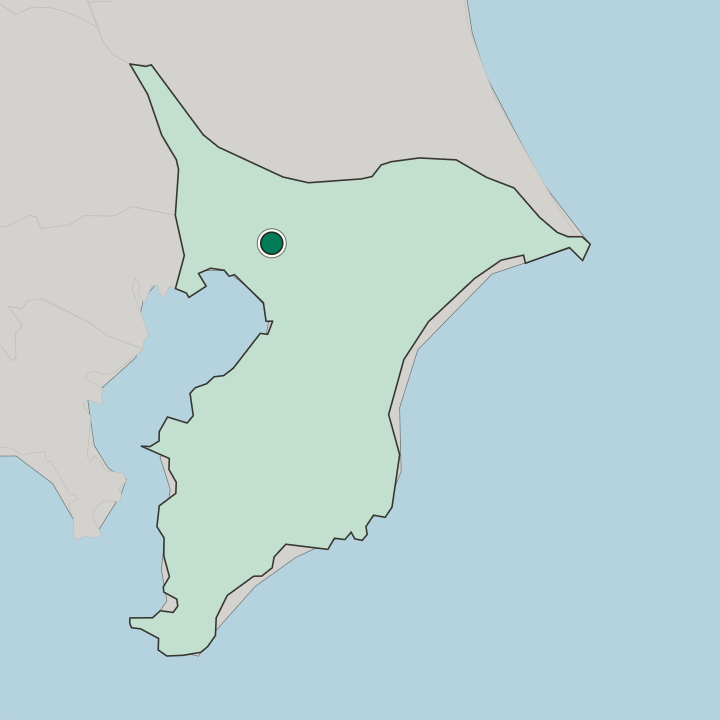
Fifty-one square kilometres of Chiba Prefecture, and not a wide frame. That compactness is why so many of the collections a visitor ends up seeing, the Chiba Zoological Park, the National Museum of Japanese History, former Hirai Family Residence, carry other municipalities' names rather than Yachiyo's own. The shell mounds are the exception.
Arayashiki and Kotehashi belong to the ground itself, which does not move when a boundary is redrawn.
What is the climate of Yachiyo?
Outdoor days need planning. A summer afternoon at the Chiba Zoological Park or on the open ground of the Arayashiki Shell Mound is a humid business in this part of Chiba Prefecture, and the indoor collections exist as much for the weather as for their subjects. Winter runs drier and easier.
Clear cold days suit the Kotehashi Shell Mound and the walk around Tobinodai far better than August ever does.
How do you get to Yachiyo?
Yachiyo is reached from the district around it rather than approached in its own right, and most visitors arrive already holding a plan that takes in at least one neighbouring municipality's museum. Nowhere in Yachiyo is far from anywhere else. Fifty-one square kilometres puts the Yachiyo Municipal Folk Museum, ZOZOPARK HONDA FOOTBALL AREA and both shell mounds inside a radius that one day of driving covers comfortably.
Plan the wider ring separately.
Common questions
What is the best area to stay in Yachiyo?
Near the Yachiyo Municipal Folk Museum: Morning circuits taking in the Arayashiki Shell Mound before the museum opens. The ZOZOPARK side: Match weekends at ZOZOPARK HONDA FOOTBALL AREA. Towards the Chiba Zoological Park: Family weekends splitting the Chiba Zoological Park and Kandu Makuhari Shintoshin.
Good for
More cities in Chiba-ken
Updated October 2026