Japan · Chiba-ken
Where to Stay in Noda, Chiba-ken
Noda occupies northwestern Chiba, and its record runs from the Yamazaki Shell Mound to the galleries of the Mogi-Honke Museum of Art.
Hotel links are affiliate links: booking through them may earn us a commission, at no extra cost to you. It never affects how places are ranked. How this works


Where to stay in Noda
Where visitors usually base themselves, and why.
Noda gives a visitor two plausible bases, and the Noda City Museum side is the one that puts the most within walking distance, since the Mogi-Honke Museum of Art and the Former Hananoi Family House fall inside the same loop. Start there. A morning among the collections and an afternoon at Takanashi Gardens uses the daylight well, and neither leg asks anything of a car.
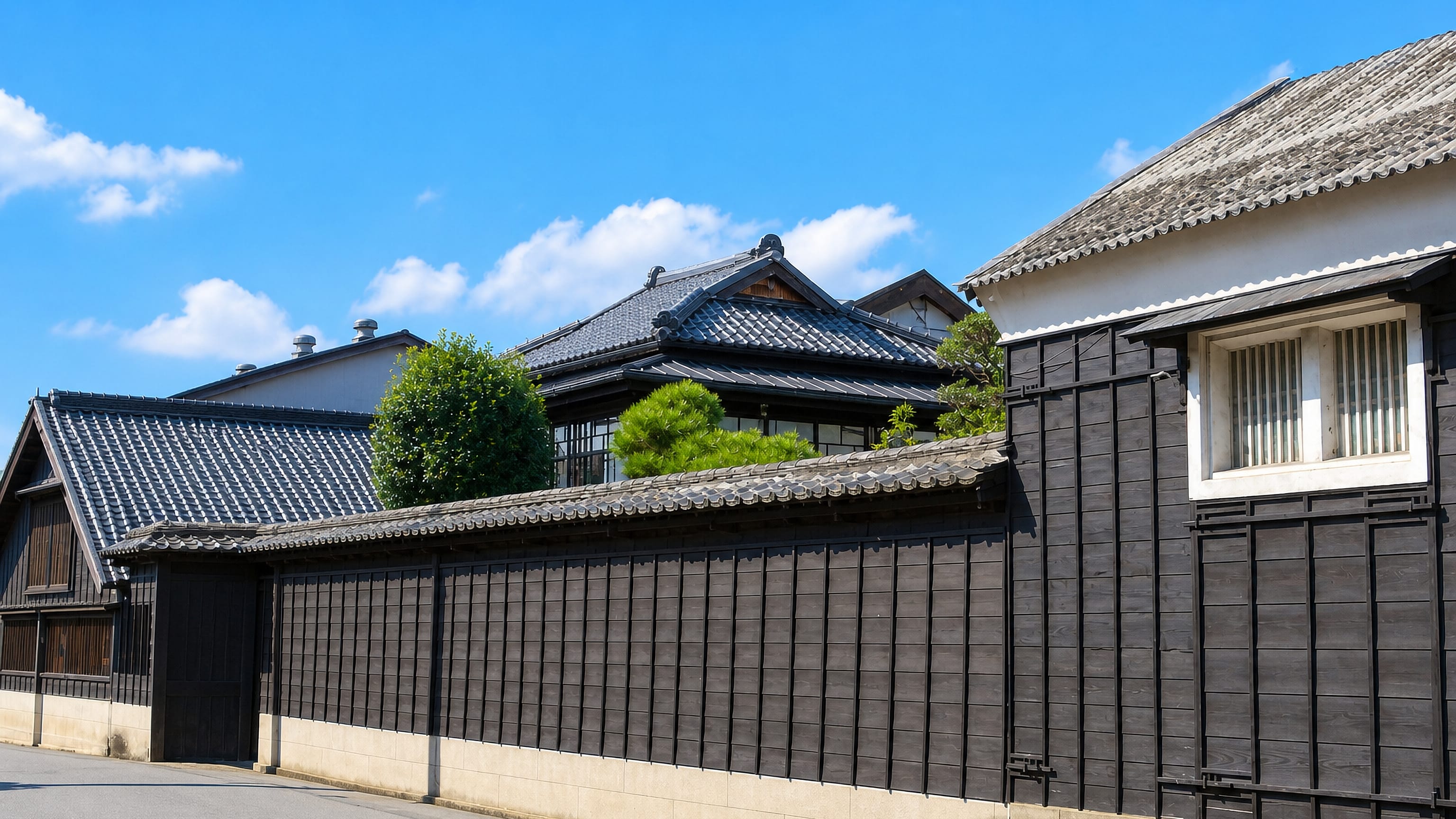
The Former Hananoi Family House rewards a slow visit. A surviving household building says more about how this part of Chiba lived than any display case can, so it deserves more than the fifteen minutes most visitors give it. Sekiyado-jō is the other pull.
Basing towards the Chiba Prefectural Sekiyado-jō Museum suits anyone who came for that name specifically, and it trades shopfronts and evening options for a shorter approach in the morning. Kamihanawa belongs on the same trip. The Kamihanawa Institute, Koufu Hall and the Noda City Civic Hall are named buildings rather than ticketed attractions, and a stay that includes them will spend more time in transit between points than inside any single one of them.
Chiba supplies the bigger beds. One night in Noda sits comfortably inside a longer route through the prefecture, because the Yamazaki Shell Mound, Takanashi Gardens and all three museums can be covered between an early start and dinner.
Find hotels in Noda
Direct booking searches for these neighbourhoods.
The Noda City Museum side
The Mogi-Honke Museum of Art and the Former Hananoi Family House sit inside one loopFind hotels in The Noda City Museum sideTrips built around the Chiba Prefectural Sekiyado-jō MuseumTowards Sekiyado-jō
Ground out by the Sekiyado-jō museum keeps its distance from Noda's collection streets. Lodging is scarce in this area; reserve in advance.Find hotels in Towards Sekiyado-jōHotel links are affiliate links: booking through them may earn us a commission, at no extra cost to you. It never affects how places are ranked. How this works
About Noda
Three museums, one garden.
What is Noda known for?
The Chiba Prefectural Sekiyado-jō Museum, the Mogi-Honke Museum of Art and the Noda City Museum give this corner of Chiba a heritage list that leans towards collections kept indoors rather than towards any single monument. Takanashi Gardens supplies the outdoor half. Older ground survives as well, at the Yamazaki Shell Mound, where discarded shells record people working this land long before any of those collections were assembled.
The Former Hananoi Family House keeps one household of the old order intact.
What are the main landmarks in Noda?
Nine entries, none of them vast. The Chiba Prefectural Sekiyado-jō Museum anchors one end of the list, the Noda City Museum and the Mogi-Honke Museum of Art hold the collections, and Takanashi Gardens with the Former Hananoi Family House and the Kamihanawa Institute cover the ground where families lived and planted. Koufu Hall and the Noda City Civic Hall add the civic pair.
Then comes the Yamazaki Shell Mound, older than everything else here by a very long way.
What is the history of Noda?
Shells came first. The Yamazaki Shell Mound holds what was thrown away after meals eaten on this ground in a period that left behind no documents at all, and every later thing in Noda has been built around that deposit rather than through it. Names arrived with the written record.
Three of them recur across the list of what survives, Mogi, Hananoi, Takanashi, and their houses and grounds are the reason there is anything old here to walk into. The Former Hananoi Family House is the clearest survival of that order. Domestic buildings of any age are a scarcer inheritance than public monuments, because a household rebuilds far more readily than an institution does, which makes the survival of one whole house more instructive than a row of plaques.
Takanashi Gardens carries a second family name into the present, and the Kamihanawa Institute a third strand of the same local memory. 1950 changed the frame. Noda took city status in that year and Chiba has administered it under that heading ever since, which is the point at which civic building, Koufu Hall, the Noda City Civic Hall, starts to appear alongside the older private houses. Museums came last of all.
The Noda City Museum and the Mogi-Honke Museum of Art turned an inheritance that had been private and scattered into something a visitor can be shown in an afternoon, and the Chiba Prefectural Sekiyado-jō Museum extended the same treatment to the far side of the municipality.
Where is Noda?
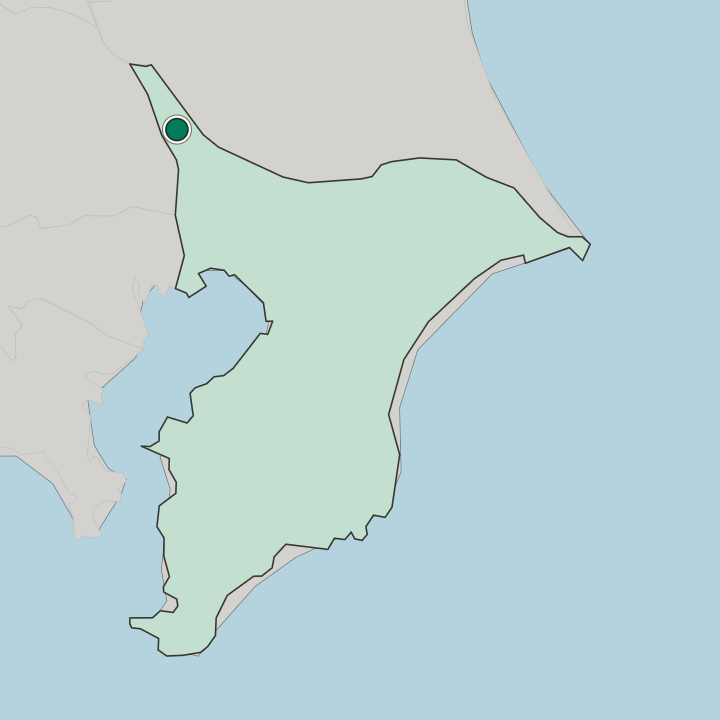
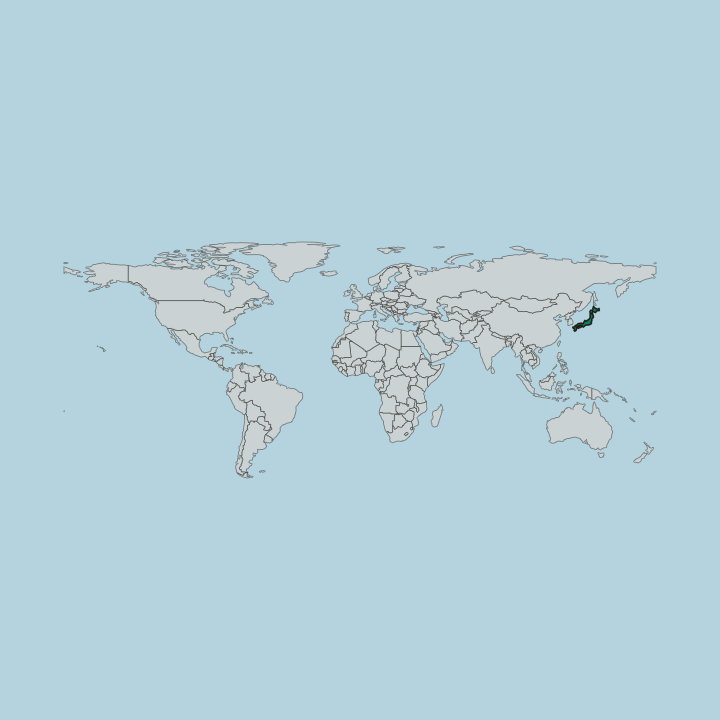
Just over a hundred square kilometres of northwestern Chiba. That is a wide frame for nine listed sites, which is why the Chiba Prefectural Sekiyado-jō Museum and the Noda City Museum are not sensibly attempted within the same hour of a visit. Takanashi Gardens is the green one.
Everything else on Noda's list is a building, apart from the Yamazaki Shell Mound, which is a patch of worked ground rather than a structure.
What is the climate of Noda?
Chiba's temperate band sets the terms. Summer afternoons turn heavy enough that the stretch between Takanashi Gardens and the Former Hananoi Family House becomes work rather than pleasure, while winter days run short without ever turning severe, so the Noda City Museum absorbs the coldest hours. Spring and autumn win.
Both are seasons in which a garden and a shell mound repay the effort of reaching them.
How do you get to Noda?
Noda works as a stop inside a wider Chiba itinerary rather than as a destination filling a week, and most arrivals come with other towns of the prefecture already on the plan. Give Sekiyado-jō its own slot. The Noda City Museum, the Mogi-Honke Museum of Art and the Former Hananoi Family House cluster closely enough to be walked as one circuit.
Takanashi Gardens can join that circuit or take an afternoon of its own.
Common questions
What is the best area to stay in Noda?
The Noda City Museum side: Walking days linking the Noda City Museum with Takanashi Gardens. Towards Sekiyado-jō: Trips built around the Chiba Prefectural Sekiyado-jō Museum.
Good for
More cities in Chiba-ken
Updated October 2026