Japan · Hiroshima-ken
Where to Stay in Fuchū, Hiroshima-ken
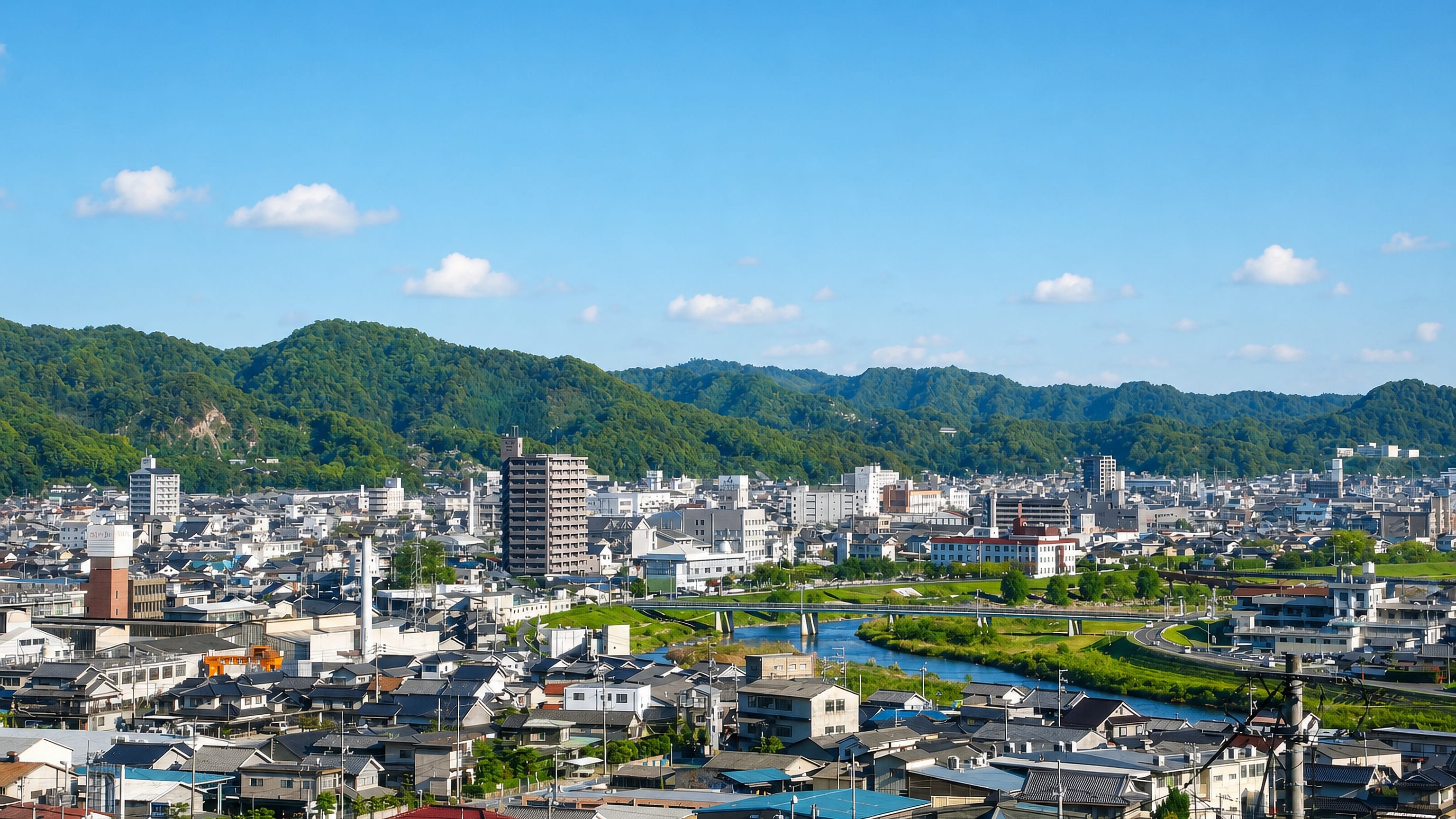
Woodwork has its own museum here. Fuchū, a city since 1954, sets furniture-making beside the old ground of Bingo Kokufu in Hiroshima Prefecture.
Hotel links are affiliate links: booking through them may earn us a commission, at no extra cost to you. It never affects how places are ranked. How this works


Where to stay in Fuchū
The practical side of choosing where to sleep.
Central Fuchū holds what beds there are. The Fuchū City History and Folklore Museum and the Fuchū Furniture Woodworking Museum both stand within that core, so a single base covers the two reasons most visitors come, and nothing else in the municipality competes on convenience. Options are genuinely limited.
A small city of this size supports a modest number of rooms rather than a choice of districts, and travellers who want variety usually solve the problem by looking to the neighbours instead. Fukuyama is the obvious fallback. Its zoo and its Shinichi museum already appear on Fuchū's landmark list, which is a fair measure of how close the larger city sits, and rooms there come in far greater number. Bingo Kokufu rewards an early start.
Anyone drawn to the old provincial ground should base themselves centrally and walk out to it before the day warms, since the site is quiet and reads better without a crowd. If you are travelling with children, the run to the Fukuyama City Zoo will shape the day more than anything within Fuchū itself. The Fukuyama City Shinichi History and Folk Culture Museum makes a natural pairing on that same outing.
Bingo country is small-scale and unhurried, and a stay here works best for someone content to treat one town as a base and the rest as short excursions.
Find hotels in Fuchū
Direct booking searches for these neighbourhoods.
Central Fuchū
The Fuchū City History and Folklore Museum and the Fuchū Furniture Woodworking Museum both stand in this core. Lodging is scarce in this area; reserve in advance.Find hotels in Central Fuchūearly walks over the old provincial groundBingo Kokufu
The Bingo Kokufu site is the deepest layer on this map, and it reads best before the day warms. Lodging is scarce in this area; reserve in advance.Find hotels in Bingo Kokufufamilies combining the Fukuyama City Zoo with a museum afternoonFukuyama side
The Fukuyama City Zoo and the Fukuyama City Shinichi History and Folk Culture Museum sit close enough to appear on Fuchū's own landmark list.Find hotels in Fukuyama sideHotel links are affiliate links: booking through them may earn us a commission, at no extra cost to you. It never affects how places are ranked. How this works
About Fuchū
Timber work heads the list.
What is Fuchū known for?
The Fuchū Furniture Woodworking Museum sets out the trade that gives this small city its clearest identity, and the Fuchū City History and Folklore Museum places that craft inside a longer local record. Bingo Kokufu supplies the other half. Named for the old province of Bingo, it is the deepest layer on the map, older by far than the workshops or the museums that explain them.
What are the main landmarks in Fuchū?
Bingo Kokufu is the oldest of them. The site carries the name of the old province of Bingo and belongs to a layer of the map that the museums here spend much of their space explaining. Two of those museums are municipal.
The Fuchū City History and Folklore Museum handles the general record, while the Fuchū Furniture Woodworking Museum narrows to a single trade. Beyond the boundary, the Fukuyama City Zoo and the Fukuyama City Shinichi History and Folk Culture Museum round out what a visitor here can reasonably reach.
What is the history of Fuchū?
Administration came first. Bingo Kokufu marks the ground where the old province of Bingo was governed, and that early importance explains why a place of this size carries a name tied to provincial business rather than to any lord or river. Later centuries were quieter.
The record of them sits in the Fuchū City History and Folklore Museum, which gathers the ordinary material of a country district that produced things rather than decisions. Woodworking became the trade that stuck. The Fuchū Furniture Woodworking Museum exists because furniture-making grew into the local industry, substantial enough to warrant a museum of its own in a city this small.
Municipal status arrived in 1954. That charter drew the modern boundaries around a settlement whose centre of gravity had already shifted from the Kokufu ground to the workshops. Fukuyama grew larger alongside, and its Shinichi district kept a parallel folk record now held in the Fukuyama City Shinichi History and Folk Culture Museum.
The Fukuyama City Zoo belongs to a much more recent chapter again. Bingo, as a name, outlasts every one of these arrangements.
Where is Fuchū?
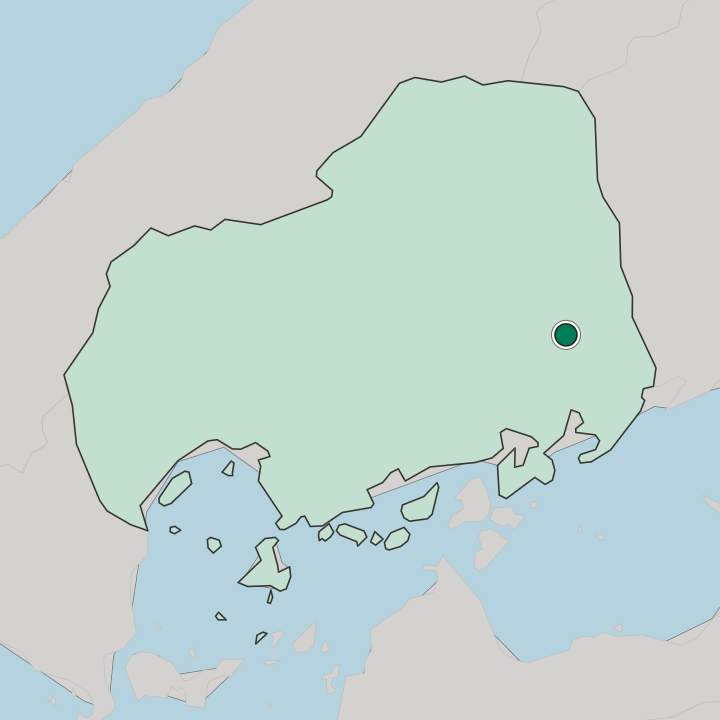
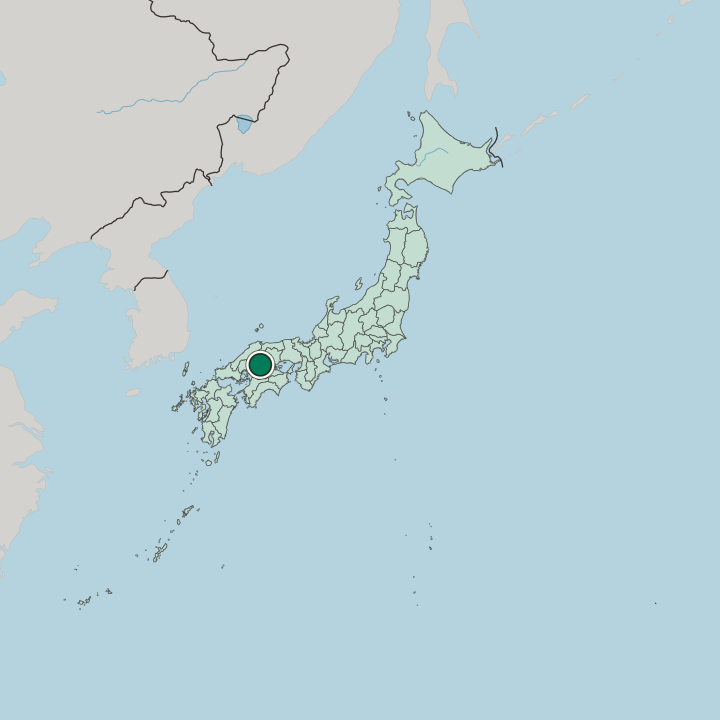
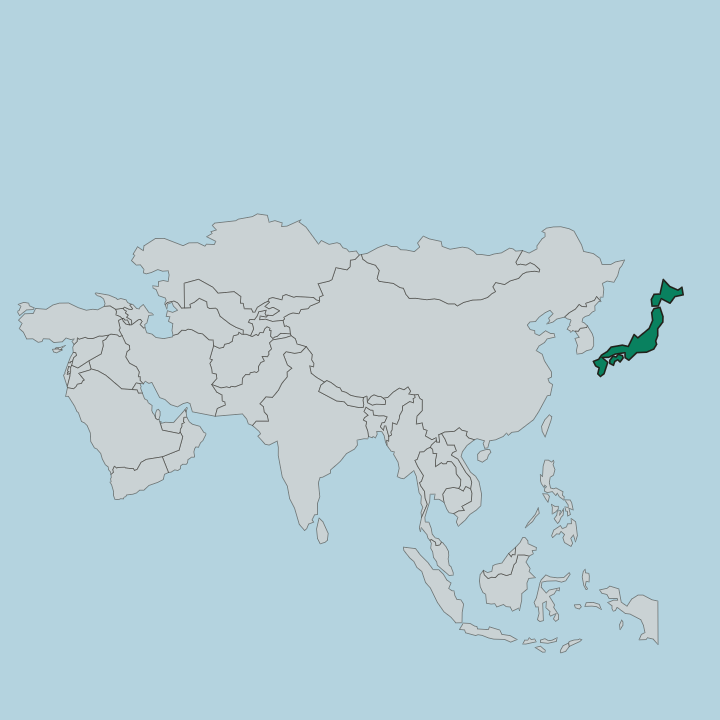
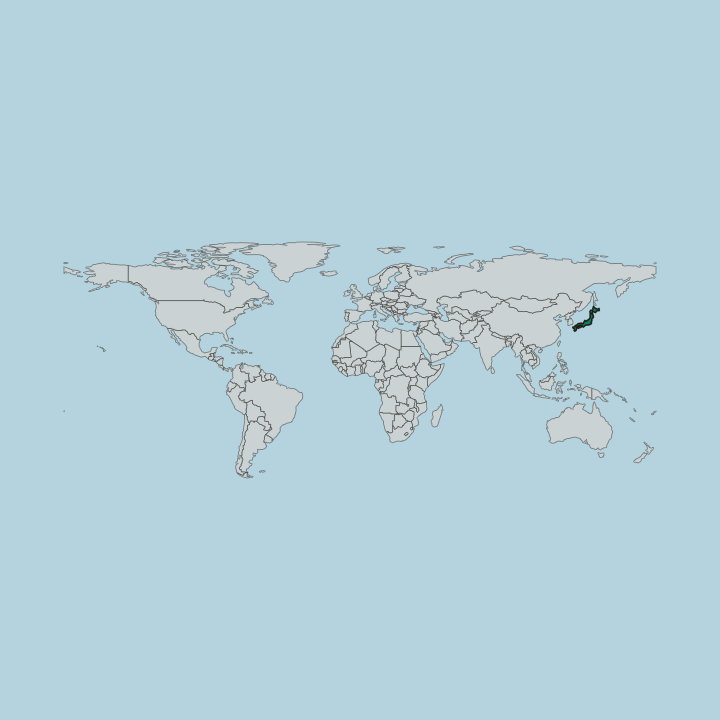
Fuchū occupies a broad, thinly built piece of Hiroshima Prefecture, one of the smaller cities in this part of Japan. Its municipal area covers a great deal more country than its compact centre suggests, with the built-up part gathered around the two museums and the rest given over to open ground toward the Bingo Kokufu site. Fukuyama lies close by.
That neighbour is the larger settlement of the pair, and its institutions appear on this city's landmark list because the boundary between them counts for little in practice.
What is the climate of Fuchū?
Warmth rules the calendar in Fuchū. The subtropical band covers this part of Hiroshima Prefecture, so warm weather runs long and the wettest months land heavily enough to reorganise a day, which is when the Fuchū City History and Folklore Museum becomes the sensible afternoon. Winters stay brief.
Spring and autumn carry the walking weather, and Bingo Kokufu is best seen in one of them.
How do you get to Fuchū?
Roads carry nearly everything here. Fukuyama is the larger neighbour and the practical reference point, close enough that the Fukuyama City Zoo and the Fukuyama City Shinichi History and Folk Culture Museum are counted among the sites a visitor to Fuchū can reach. Fuchū asks little of the legs.
A car opens the Bingo Kokufu ground and the outlying country, while the two museums in the centre stay within walking range of one another.
Common questions
What is the best area to stay in Fuchū?
Central Fuchū: a base between the two Fuchū museums. Bingo Kokufu: early walks over the old provincial ground. Fukuyama side: families combining the Fukuyama City Zoo with a museum afternoon.
Good for
More cities in Hiroshima-ken
Updated October 2026