Japan · Hiroshima-ken
Where to Stay in Fukuyama, Hiroshima-ken
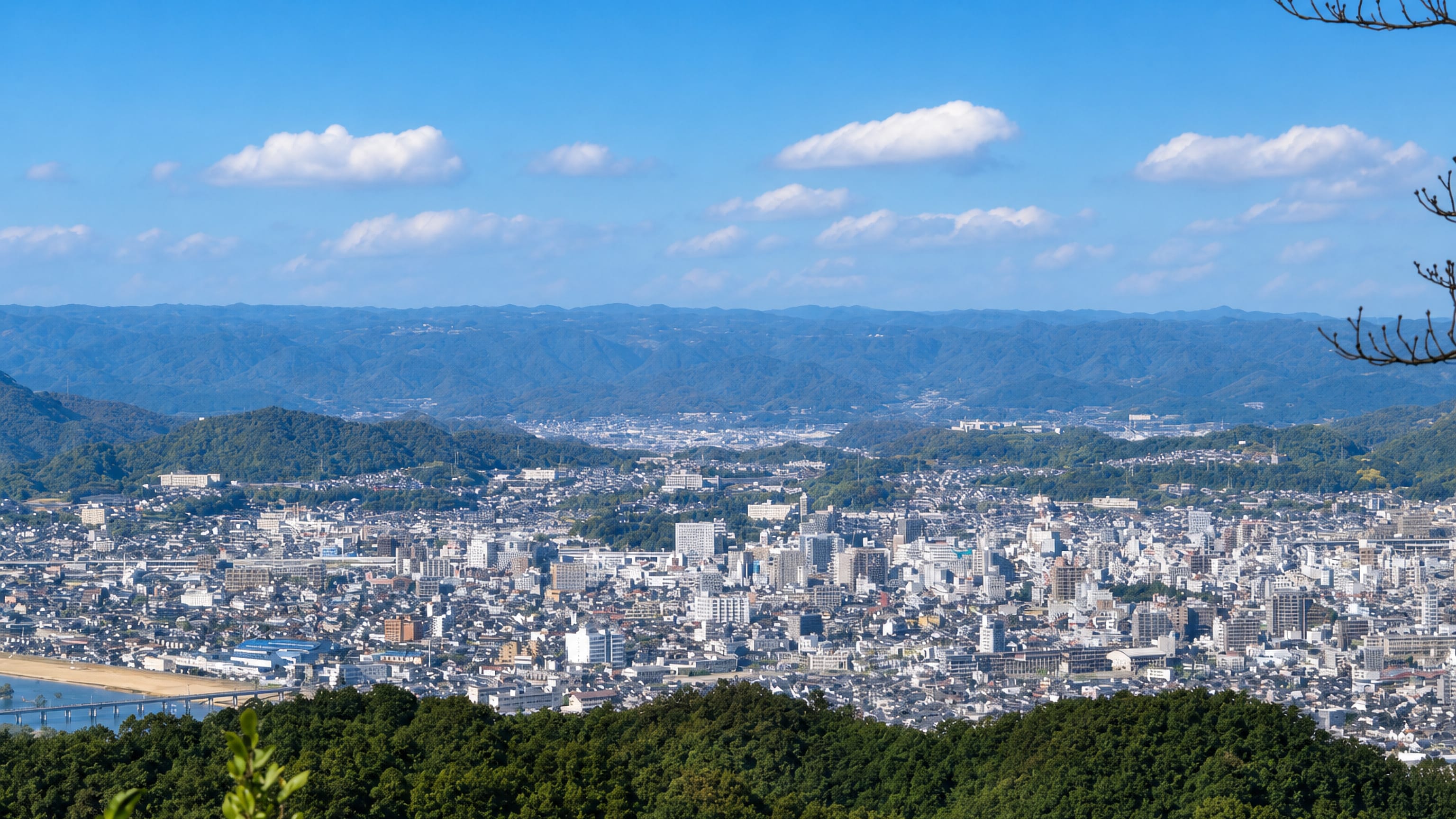
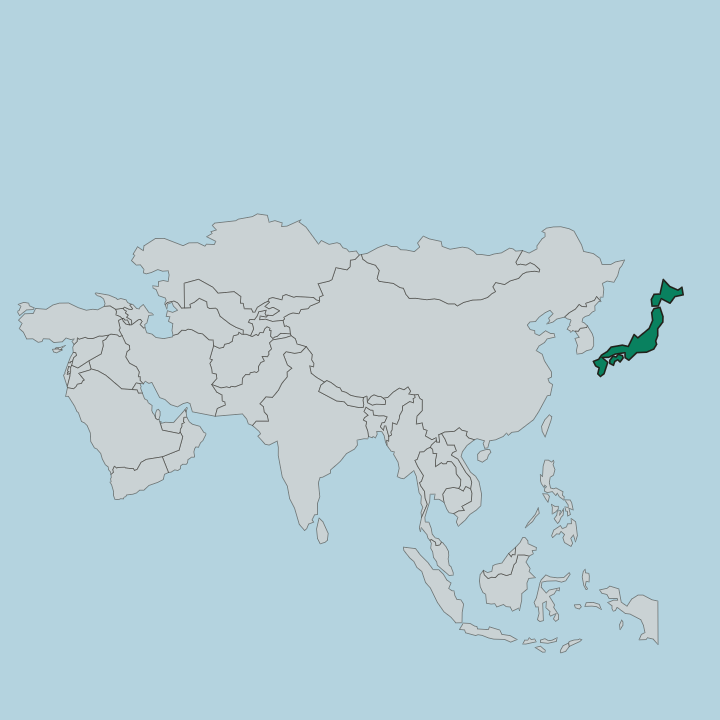
Fukuyama is a castle city of western Japan on the Seto Inland Sea, a town of roses below its rebuilt keep, with an old port at Tomonoura on the coast.
Hotel links are affiliate links: booking through them may earn us a commission, at no extra cost to you. It never affects how places are ranked. How this works


Where to stay in Fukuyama
Where visitors usually base themselves, and why.
Where you stay in Fukuyama turns on the castle town or the coast. The streets around the station keep the castle, the museums, and the rose parks within a walk, and staying downtown suits anyone here for the city. The keep rises white above.
Trains halt below the keep. Out down the coast toward Tomonoura, the town gives way to the old fishing port, the tidal harbour, and the island sea. A room by the sea trades the streets for the lantern-tower quay, the old wooden houses, and the calm island views.
The tide fills the old port. Stay downtown for the castle, or on the coast for the port. The castle and the station are a quick hop back inland from the coast.
Find hotels in Fukuyama
Direct booking searches for these neighbourhoods.
The castle town
Around the stationFind hotels in The castle townStays wanting the old port and island seaTomonoura
Down the coastFind hotels in TomonouraHotel links are affiliate links: booking through them may earn us a commission, at no extra cost to you. It never affects how places are ranked. How this works
About Fukuyama
Fukuyama is the castle town of the Seto Inland Sea.
What is Fukuyama known for?
On the coast of western Japan between Hiroshima and Okayama, it grew around a great feudal castle, and it keeps the white keep rebuilt above the station, the roses that fill its parks and give the town its name, the old tidal port of Tomonoura down the coast, and the deep-blue denim woven in the country around. The calm sea lies close by. The castle stands white above.
What are the main landmarks in Fukuyama?
Fukuyama Castle is the pride of the town. The white keep, rebuilt on its hill right above the railway station, looks out over the city, the emblem of Fukuyama, on the height. An old port lies down the coast.
The tidal harbour of Tomonoura, with its stone lantern-tower and old streets, keeps the past by the sea, while the rose gardens, the history museum, and the Inland Sea views mark the country around Fukuyama.
What is the history of Fukuyama?
Fukuyama began with a castle. In the peace of the shogun's early years a lord raised a great castle on the shore, and a town grew below it that lived by salt, cotton, and the rush for tatami mats. The port was older still.
Down the coast the tidal harbour of Tomonoura had sheltered ships waiting for the turn of the sea since ancient days, its lantern-tower guiding them in. War and roses marked the modern town. The old castle was lost in the last war and later rebuilt, and to lift its spirit the town planted roses by the thousand, taking the flower for its own.
Cloth kept it busy. The looms of the country wove the deep-blue denim carried across the world, and Fukuyama grew into a busy industrial city on the Inland Sea, keeping its castle, its roses, and its old port. The keep still stands by the station.
Fukuyama keeps its castle and its roses on the Seto Inland Sea.
Where is Fukuyama?
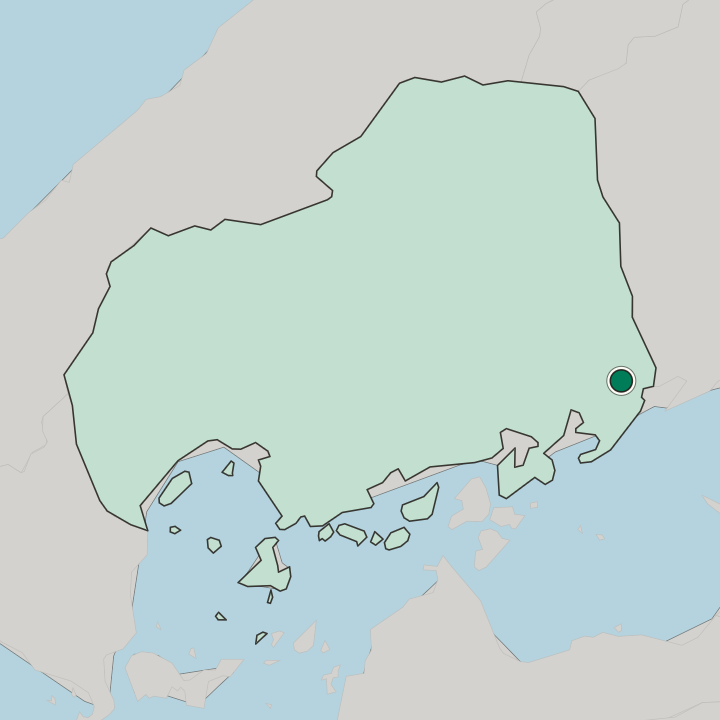
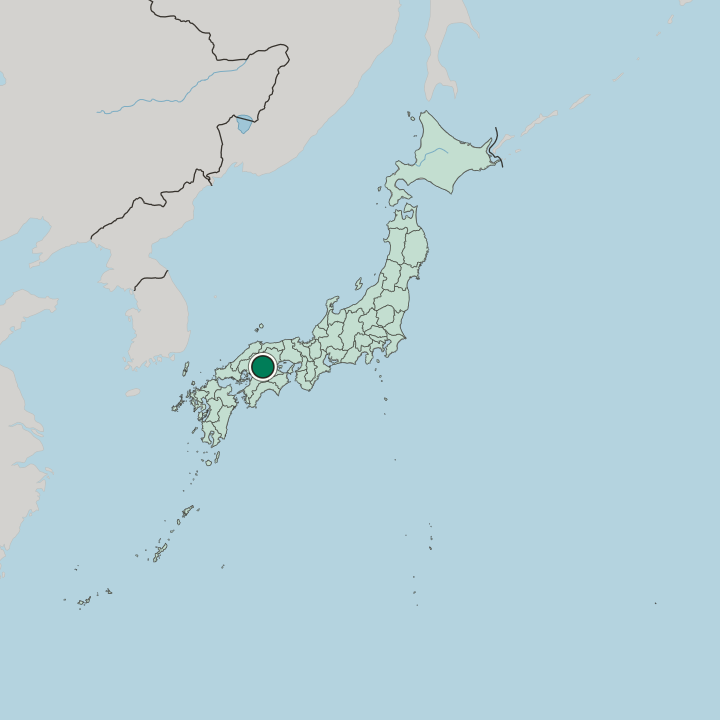
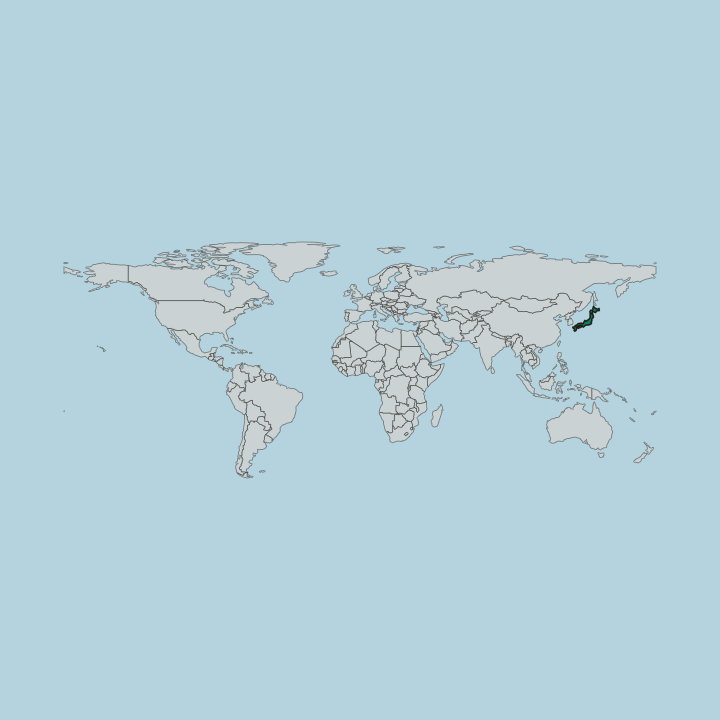
Fukuyama lies in the far east of Hiroshima in western Japan, on the shore of the Seto Inland Sea. The city spreads over a delta plain at the mouth of the Ashida river, ringed by low green hills, with the calm island-dotted sea to the south and rice country inland. The sea lies flat and calm.
Wooded ridges stand round the edge of the delta.
What is the climate of Fukuyama?
Fukuyama has a mild, dry temperate climate. Warm summers and cool winters cross the coast, with the Inland Sea keeping the weather gentle and the rain light through much of the year. Summer over Fukuyama runs warm and full of light.
Winter stays mild and dry.
How do you get to Fukuyama?
Fukuyama sits on the Seto Inland Sea in western Japan. The bullet train stops right by the castle, and roads run down the coast to the old port. Boats cross to the isles.
Hiroshima lies west down the line.
Common questions
What is the best area to stay in Fukuyama?
The castle town: Visitors here for the castle and museums. Tomonoura: Stays wanting the old port and island sea.
Good for
More cities in Hiroshima-ken
Updated September 2026