Japan · Hiroshima-ken
Where to Stay in Fuchūchō, Hiroshima-ken
The Mazda Museum stands here. Fuchūchō is a compact town in Aki District, pressed against the edge of Hiroshima.
Hotel links are affiliate links: booking through them may earn us a commission, at no extra cost to you. It never affects how places are ranked. How this works


Where to stay in Fuchūchō
Where the beds are, and what that means for the visit.
Beds are scarce inside the town itself. Fuchūchō covers a small area, most of it built for work and housing rather than for visitors, so the practical decision is usually whether to stay near the Mazda Museum or to accept a short approach from outside the boundary. The town is walkable throughout.
Anyone whose trip turns on a single factory visit will find that a room close to the museum saves a morning, and that is the strongest argument for staying within Aki District at all. Hiroshima solves everything else. The larger city holds the Hiroshima Prefectural Art Museum, the Hiroshima City Museum of Contemporary Art, and Okonomi-mura, and its range of rooms is beyond anything the town can offer, which is why most itineraries treat Fuchūchō as a destination for part of a day.
The Shimookada Kanga ruins sit quietly on the other side of the equation. That early administrative ground rewards a slow visit, and it pairs naturally with the Hiroshima University Institute of History of Medicine and the Hiroshima Teishin Hospital Former Outpatients Ward Exhibition Room, both of which reward more time than a passing look. If you want a base that puts industry, art, and archaeology inside one short radius, take a room on the Hiroshima edge nearest the town and work outward from there.
Find hotels in Fuchūchō
Direct booking searches for these neighbourhoods.
Mazda Museum quarter
A room beside the Mazda Museum saves the morning approach into a town built mainly for work. Beds are limited here, so book early.Find hotels in Mazda Museum quarterslow hours at the Shimookada Kanga ruinsShimookada
The Shimookada Kanga ruins are the oldest ground in the town, and almost nothing commercial surrounds them. Lodging is scarce in this area; reserve in advance.Find hotels in Shimookadaart days at the Hiroshima Prefectural Art MuseumHiroshima edge
The Hiroshima City Museum of Contemporary Art, the Hiroshima Prefectural Art Museum, and Okonomi-mura all sit on this side.Find hotels in Hiroshima edgeHotel links are affiliate links: booking through them may earn us a commission, at no extra cost to you. It never affects how places are ranked. How this works
About Fuchūchō
Industry gives the town its name recognition.
What is Fuchūchō known for?
The Mazda Museum is the single landmark most visitors arrive for, and it sits inside a municipality small enough that one institution can define the whole place. Art belongs to the neighbours. The Hiroshima Prefectural Art Museum and the Hiroshima City Museum of Contemporary Art fall within easy reach, as does Okonomi-mura, which draws a hungrier sort of visitor entirely.
What are the main landmarks in Fuchūchō?
One museum dominates. The Mazda Museum is the fixed point of any visit, and the Shimookada Kanga ruins provide the counterweight, an early administrative site that predates every factory and every road serving it. Two art collections stand close by.
The Hiroshima Prefectural Art Museum and the Hiroshima City Museum of Contemporary Art hold the region's fine-art weight, while the Hiroshima Teishin Hospital Former Outpatients Ward Exhibition Room preserves a hospital building as an exhibition space. Okonomi-mura and the Hiroshima University Institute of History of Medicine complete the list.
What is the history of Fuchūchō?
Officialdom left the first mark. The Shimookada Kanga ruins record an administrative ground occupied long before any modern boundary was drawn, which places this small town among the older inhabited corners of Aki District. Fuchūchō was established in 1937.
The name entered the municipal register then as Fuchū-mura, a village designation that reads oddly beside the industrial town the place became. Manufacturing rewrote the century. The Mazda Museum stands as the public face of that change, and it explains why a municipality of this size carries a reputation out of all proportion to its area.
Institutions gathered on the Hiroshima side. The Hiroshima Teishin Hospital Former Outpatients Ward Exhibition Room keeps a preserved ward open to visitors, the Hiroshima University Institute of History of Medicine holds the scholarly record of the field, and both belong to the same closely built stretch as the town. Art arrived later still, in the Hiroshima Prefectural Art Museum and the Hiroshima City Museum of Contemporary Art.
Okonomi-mura is a more recent institution again. Fuchūchō itself has stayed small throughout, its boundaries fixed while the city beside it grew.
Where is Fuchūchō?
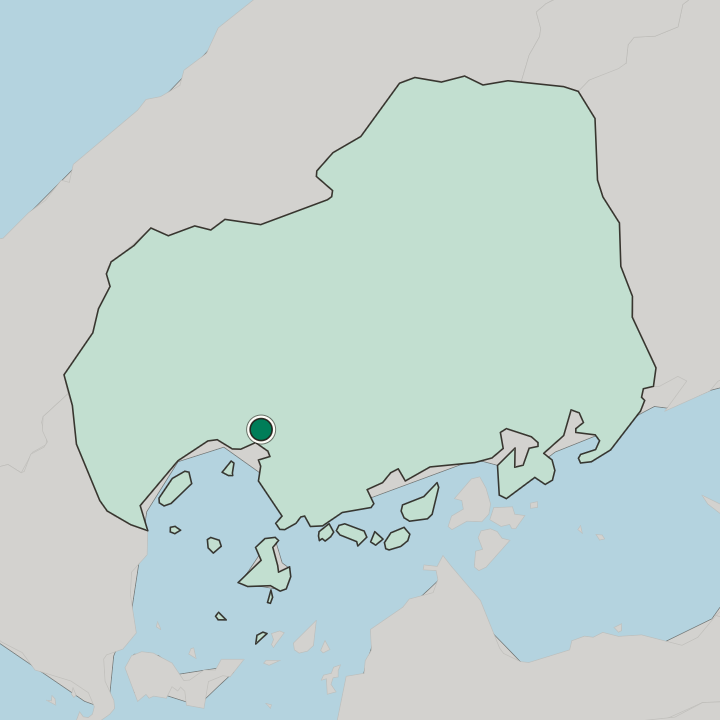
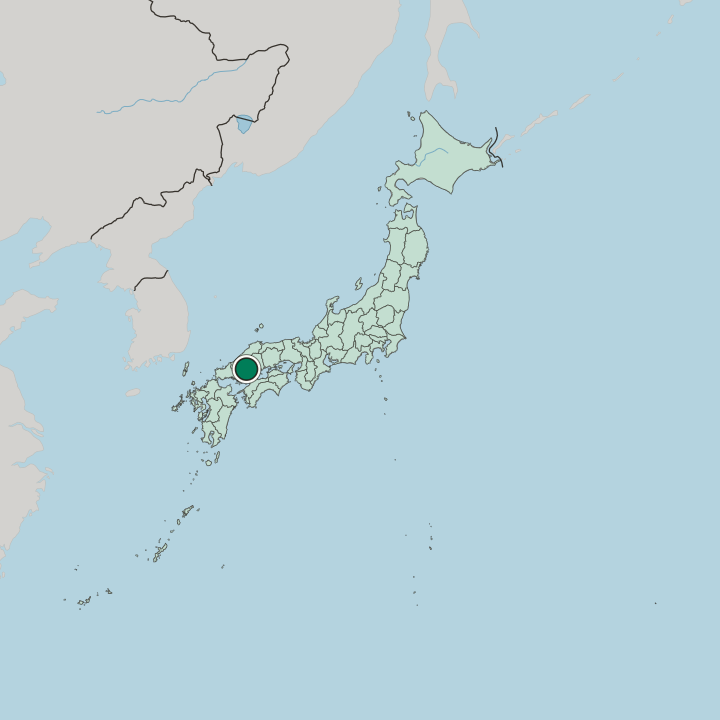
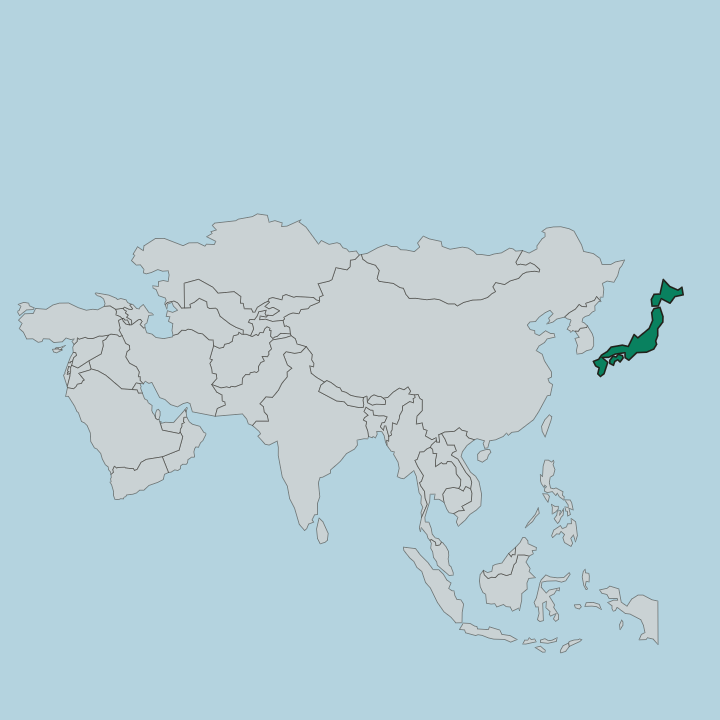
Fuchūchō is one of the smallest municipalities in Hiroshima Prefecture, Japan. It belongs to Aki District, and its boundary runs so tight against Hiroshima that the built-up ground continues without interruption from one into the other, which is why the town's landmark list reads like the city's. Everything here is close.
The Mazda Museum, the Shimookada Kanga ruins, and the housing between them all fall inside a very short span.
What is the climate of Fuchūchō?
Close, heavy summers set the pattern. The subtropical band covers Aki District, and the months in the middle of the year turn humid enough that an indoor plan stops being a compromise and becomes the better use of an afternoon. The Hiroshima Prefectural Art Museum absorbs those hours.
Cold weather is brief. Spring and autumn are when the Shimookada Kanga ruins are worth the walk.
How do you get to Fuchūchō?
Approaches run through Hiroshima. The town shares an unbroken built-up edge with the city, so arrivals reach Aki District as a continuation of an urban journey rather than as a trip into the countryside, and the transition is easy to miss. The Mazda Museum is the usual destination.
Anyone combining it with Okonomi-mura or the Hiroshima City Museum of Contemporary Art should plan the day around the city and treat Fuchūchō as one stop on it.
Common questions
What is the best area to stay in Fuchūchō?
Mazda Museum quarter: visitors booked in for the Mazda Museum. Shimookada: slow hours at the Shimookada Kanga ruins. Hiroshima edge: art days at the Hiroshima Prefectural Art Museum.
Good for
More cities in Hiroshima-ken
Updated October 2026