Japan · Hiroshima-ken
Where to Stay in Kure, Hiroshima-ken
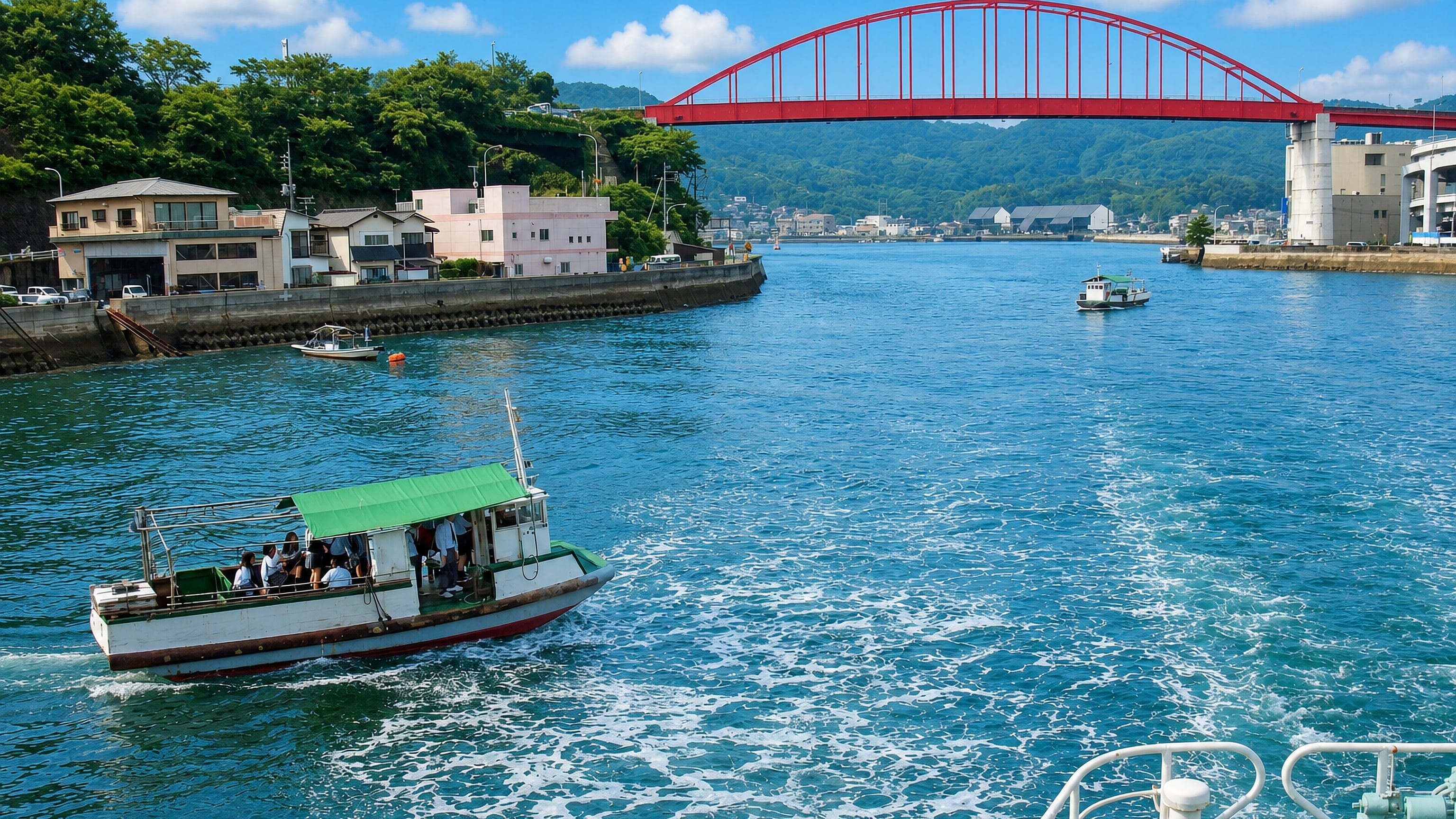
Warships built this port. Kure keeps the Yamato Museum, the JMSDF Kure Museum and Japan's second-oldest naval dockyard in Hiroshima Prefecture.
Hotel links are affiliate links: booking through them may earn us a commission, at no extra cost to you. It never affects how places are ranked. How this works


Where to stay in Kure
How the choice of base plays out on the ground.
Beds follow the museums. A room near the Yamato Museum and the JMSDF Kure Museum puts a visitor inside the waterfront cluster that most people travel for, and the Japan Coast Guard Museum belongs to the same short circuit. That settles most trips.
The naval half of Kure can be covered on foot across a single day, which is unusual in a municipality carrying more than 350 square kilometres. Back from the water is the other option. The Irifuneyama Memorial Museum stands away from the harbour and suits anyone who wants a quieter street at night, with the Kure Municipal Museum of Art adding an indoor hour on that same side of the city.
Ships still work here. The Japan Maritime Self-Defense Force keeps this a functioning base rather than a preserved one, so the harbour is a place of movement and a room facing it is not automatically the calm choice. Timing deserves a thought.
Kure ranks third in Hiroshima Prefecture behind Hiroshima and Fukuyama, and that ranking is worth remembering when a weekend fills. Book ahead of the crowd. A day that packs the Yamato Museum empties the waterfront rooms first and leaves the streets around the Irifuneyama Memorial Museum as what is left.
Find hotels in Kure
Direct booking searches for these neighbourhoods.
Kure waterfront
The Yamato Museum, the JMSDF Kure Museum and the Japan Coast Guard Museum stand close enough together that the naval side of Kure needs no vehicle at all.Find hotels in Kure waterfrontQuieter nights back from the Kure dockyardAround the Irifuneyama Memorial Museum
Streets by the Irifuneyama Memorial Museum sit away from a working harbour, and the Kure Municipal Museum of Art is an easy walk from the same beds.Find hotels in Around the Irifuneyama Memorial MuseumDrivers spreading a stay across the wider Kure municipalityOuter Kure wards
Rooms out in the 350 square kilometres beyond the harbour buy parking and space, at the cost of an evening walk to the Yamato Museum. Few places to stay nearby — book ahead.Find hotels in Outer Kure wardsHotel links are affiliate links: booking through them may earn us a commission, at no extra cost to you. It never affects how places are ranked. How this works
About Kure
The navy is the throughline.
What is Kure known for?
Kure holds the second-oldest naval dockyard in Japan and remains a working base for the Japan Maritime Self-Defense Force, which is why so much of what a visitor sees here is steel rather than timber. Museums do the explaining. The Yamato Museum and the JMSDF Kure Museum stand at the front of that account, and the Japan Coast Guard Museum adds the service that patrols the same water.
What are the main landmarks in Kure?
Five museums, mostly one subject. The Yamato Museum and the JMSDF Kure Museum divide the naval record between them, while the Japan Coast Guard Museum covers the service that works the same water without a warship. Two step aside.
The Irifuneyama Memorial Museum takes the city's older civic thread and the Kure Municipal Museum of Art holds the paintings, which between them give a day in Kure something beyond hulls and guns.
What is the history of Kure?
The dockyard came before the city. Kure holds the second-oldest naval yard in Japan, while the municipality around it was constituted only in 1902, which puts the industry ahead of the administration in the order of events. Steel shaped everything after.
Housing, industry and the working shoreline followed a naval requirement rather than the reverse, and that inheritance is still legible in how the harbour front is arranged. The Yamato Museum carries the heaviest part of the record. Its subject is the ship work done on this water, the JMSDF Kure Museum continues the account into the service operating from the port, and the Japan Coast Guard Museum sits alongside for the civil maritime half.
Not all of it is naval. The Irifuneyama Memorial Museum keeps the older civic thread and the Kure Municipal Museum of Art proves that a city built on industry did not stop at industry. Kure is written with a single character.
Under that name the port grew into the third largest city in Hiroshima Prefecture, behind Hiroshima and Fukuyama, and the modern arrangement of museums along the water with a Japan Maritime Self-Defense Force base beyond them is one more turn of a very old function.
Where is Kure?
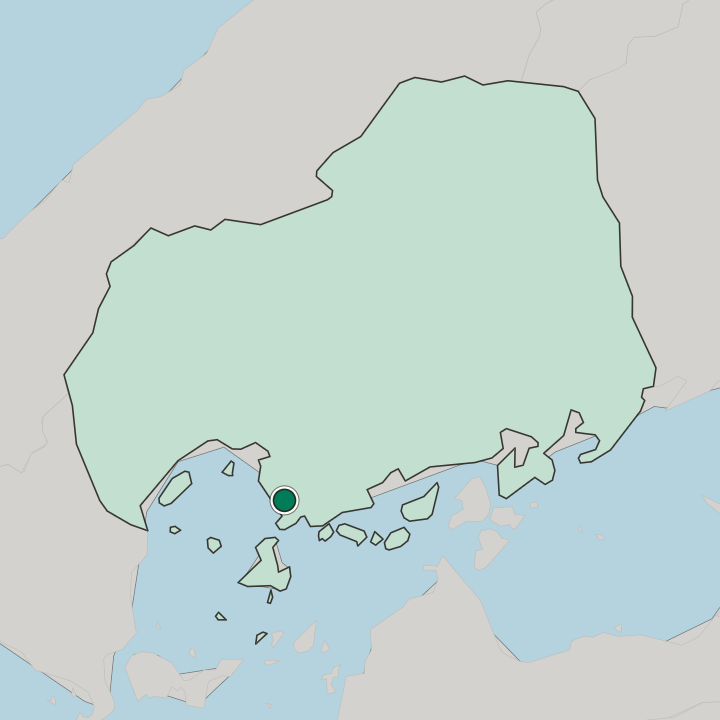
Water settles the plan. Kure works as a port city in Hiroshima Prefecture, its harbour and museums drawn along the shoreline while the rest of the built-up ground stands back from the quays. The municipality is bigger than it looks.
More than 350 square kilometres carry the name Kure, so the outer wards hold most of the area even though the naval waterfront around the Yamato Museum holds most of the interest.
What is the climate of Kure?
The harbour is the moderating agent. Kure sits in the subtropical band, so the warm season runs long and heavy, and the air moving off the water around the Yamato Museum matters when choosing which hours to spend outside. Cold months here rarely bite.
Indoor time is easy to fill, since the JMSDF Kure Museum, the Japan Coast Guard Museum and the Kure Municipal Museum of Art all wait under roofs within the same city.
How do you get to Kure?
Approaches run through Hiroshima Prefecture. Hiroshima and Fukuyama are the two cities that outrank Kure inside it, and traffic from the wider prefecture delivers a traveller to the harbour side where nearly every museum stands. Walking takes over from there.
The Yamato Museum, the JMSDF Kure Museum and the Japan Coast Guard Museum need no vehicle after arrival, whereas the outer wards of a municipality of 350 square kilometres certainly do.
Common questions
What is the best area to stay in Kure?
Kure waterfront: Ship-led days between the Yamato Museum and the JMSDF Kure Museum. Around the Irifuneyama Memorial Museum: Quieter nights back from the Kure dockyard. Outer Kure wards: Drivers spreading a stay across the wider Kure municipality.
Good for
More cities in Hiroshima-ken
Updated September 2026