Japan · Hiroshima-ken
Where to Stay in Higashihiroshima, Hiroshima-ken
Sake made Saijo's name. Higashihiroshima holds that brewery district, Aki Kokubun-ji Temple and Hiroshima University Museum inside Hiroshima Prefecture.
Hotel links are affiliate links: booking through them may earn us a commission, at no extra cost to you. It never affects how places are ranked. How this works


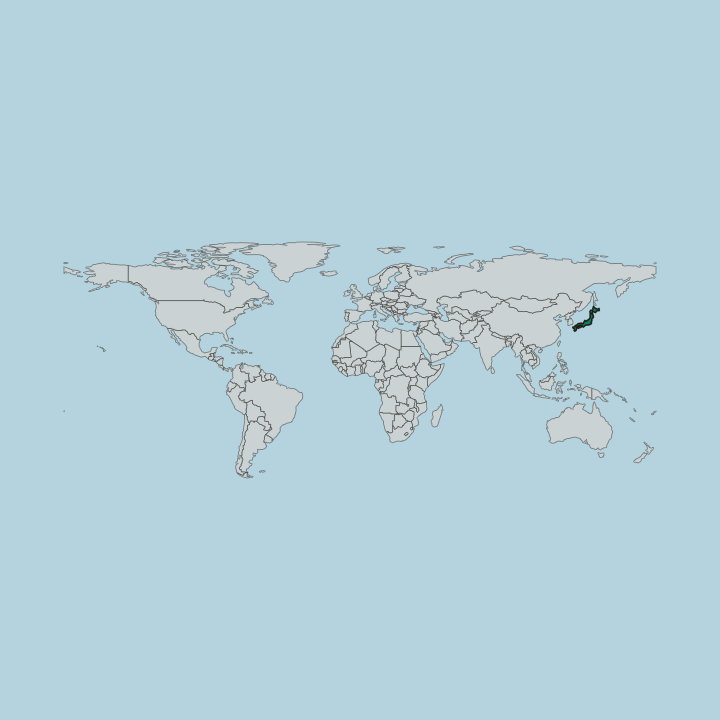
Where to stay in Higashihiroshima
Where visitors usually base themselves, and why.
Saijo is the anchor. A room among the Saijo breweries puts a visitor inside the one stretch of Higashihiroshima that rewards walking, with the tasting rooms, the food and the everyday services all within the same few streets. The rest is wide.
Hiroshima Prefecture gave this city 635 square kilometres of ground, so a bed picked for Aki Kokubun-ji Temple is a different holiday from a bed picked for sake. Museum days sit apart. Hiroshima University Museum and the Higashihiroshima City Museum of Art suit a slower schedule, and a room near either of them trades brewery evenings for a quieter street and an easier start in the morning.
Book Saijo early. The breweries concentrate demand into one district, and a late search can push a visitor out to the edges of the municipality with a drive back in every day of the stay. The old houses need a car. former Kihara Family Residence and Former Ishii Residence are preserved buildings out in the wider municipality, so an itinerary built around them wants wheels and a start well before the afternoon heat.
First visit? Take Saijo. Nothing else in Higashihiroshima gathers the reason most people came, the beds and the food into one walkable district, and the temple and the two houses can be picked up from there by road.
Find hotels in Higashihiroshima
Direct booking searches for these neighbourhoods.
Saijo
The Saijo breweries, the food and the daily services share one stretch of street, which is why this district works for a car-free stay in Higashihiroshima.Find hotels in SaijoQuiet nights within reach of Hiroshima University MuseumBy Hiroshima University Museum
A bed on the university side keeps Hiroshima University Museum and the Higashihiroshima City Museum of Art close and leaves the brewery streets a short ride off.Find hotels in By Hiroshima University MuseumDrivers whose morning starts at Aki Kokubun-ji TempleOut towards Aki Kokubun-ji Temple
Rooms out here are thin on the ground, and the payoff is reaching Aki Kokubun-ji Temple or Former Ishii Residence before anyone else has driven out from Saijo. Lodging is scarce in this area; reserve in advance.Find hotels in Out towards Aki Kokubun-ji TempleHotel links are affiliate links: booking through them may earn us a commission, at no extra cost to you. It never affects how places are ranked. How this works
About Higashihiroshima
Sake is the reason many people come.
What is Higashihiroshima known for?
The Saijo district lines up brewery after brewery, and that one district carries the name of Higashihiroshima further than anything else the city has put its label on. Two collections balance it. The Higashihiroshima City Museum of Art holds the art side, while Hiroshima University Museum keeps a university's own material in the same city and gives a wet afternoon somewhere useful to go.
What are the main landmarks in Higashihiroshima?
Higashihiroshima's landmark list runs to five names. Aki Kokubun-ji Temple is the single temple on the list, and the two preserved houses, former Kihara Family Residence and Former Ishii Residence, keep their Japanese names on the register rather than translated ones. Two collections follow.
Hiroshima University Museum and the Higashihiroshima City Museum of Art hold the indoor half, and neither of them sits in Saijo, where the breweries do their own kind of showing.
What is the history of Higashihiroshima?
Old ground, young city. Aki Kokubun-ji Temple stands for the long occupation of this corner of Hiroshima Prefecture, and the two preserved houses record how people built and lived here well before any modern boundary was drawn around them. The city dates from 1974.
That date is recent, and it explains why the identity of Higashihiroshima rests on a district's brewing name and on a pair of museums rather than on a castle or a single old core. Saijo's reputation is not a product of that boundary. Sake belongs to the district itself, and the 1974 city took the brewing name in along with 635 square kilometres of surrounding country, which is a different thing from having invented it.
The order matters. A visitor who reads the city as the sum of its administration will miss the fact that the part everyone has heard of is older and smaller than the municipality that now contains it. The modern layer is institutional.
Hiroshima University Museum and the Higashihiroshima City Museum of Art give the young municipality its indoor holdings, both of them additions to a landscape that already had Aki Kokubun-ji Temple, former Kihara Family Residence and Former Ishii Residence standing on it. Three layers, one map. The temple, the timber houses and the museums are read in that order by anyone who wants the sequence rather than the street plan.
Where is Higashihiroshima?
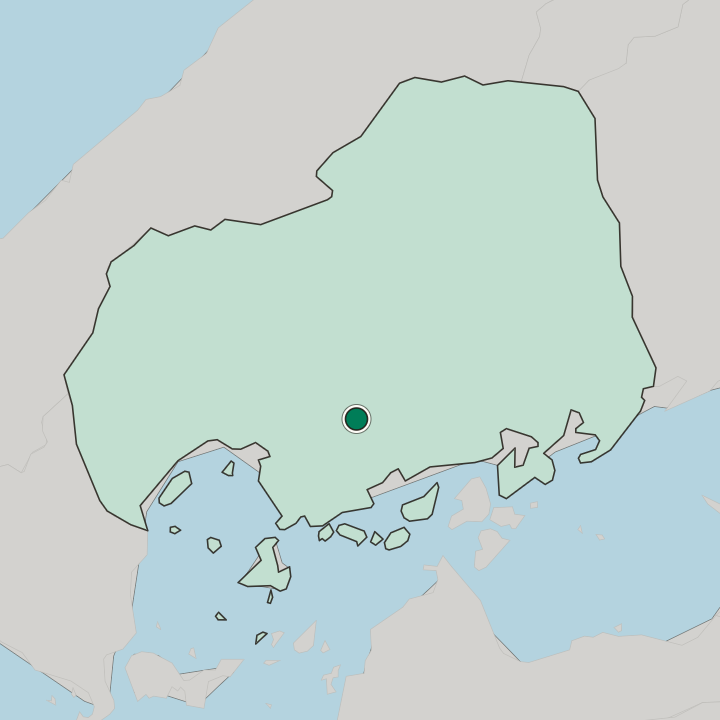
635 square kilometres is a large footprint. Higashihiroshima spreads that much of Hiroshima Prefecture, and the Saijo district with its breweries occupies only a modest share of it, with open country taking up most of the remainder. The named places lie apart.
Aki Kokubun-ji Temple, former Kihara Family Residence and Former Ishii Residence make no walkable cluster with Hiroshima University Museum or the Higashihiroshima City Museum of Art, which is the first thing to plan around.
What is the climate of Higashihiroshima?
Weather here answers to the subtropical zone. Higashihiroshima sits inside it, which stretches the warm part of the year at both ends and makes the middle of a summer day the wrong hour to walk the grounds of Aki Kokubun-ji Temple. Indoors solves it.
Hiroshima University Museum and the Higashihiroshima City Museum of Art absorb the hottest stretch, and the Saijo breweries make their own case for an afternoon spent under a roof.
How do you get to Higashihiroshima?
Approaches run through Hiroshima Prefecture. Saijo is where arrivals concentrate, because the brewery district doubles as the part of Higashihiroshima a traveller without a car can genuinely use for a day or two. The rest assumes wheels.
Aki Kokubun-ji Temple, former Kihara Family Residence and Former Ishii Residence lie out in 635 square kilometres of municipality, far enough from Hiroshima University Museum and the Higashihiroshima City Museum of Art to make a rental the difference between two stops and five.
Common questions
What is the best area to stay in Higashihiroshima?
Saijo: Brewery days walked between the Saijo sake houses. By Hiroshima University Museum: Quiet nights within reach of Hiroshima University Museum. Out towards Aki Kokubun-ji Temple: Drivers whose morning starts at Aki Kokubun-ji Temple.
Good for
More cities in Hiroshima-ken
Updated September 2026