Japan · Hiroshima-ken
Where to Stay in Mihara, Hiroshima-ken
Mihara is a city in Hiroshima Prefecture, Japan, incorporated in 1936, with Mihara Castle and Buttsū-ji Temple on its register.
Hotel links are affiliate links: booking through them may earn us a commission, at no extra cost to you. It never affects how places are ranked. How this works


Where to stay in Mihara
Where the beds are, and what that means for the visit.
Mihara Castle sits at the centre of the city that took its name, and a bed near it puts the Nakata Museum and Buttsū-ji Temple within one day's reach. Ferries matter as much. Innoshima Suigun Castle answers to island water rather than the mainland, and the ferry lines are what make it a day out from a Mihara bed.
Inland, the natural spots are the quiet counterweight to the island views. Hiroshima Prefecture frames the choice. A museum-led stay reads the city differently, because the Nakata Museum, the Onomichi City Museum of Art, the Hirayama Ikuo Museum of Art, and the Kōsan-ji Museum are four bookings rather than one.
A stay chosen for Mihara Castle is not a stay chosen for the islands. Onomichi names crowd the register. The Onomichi Historical Museum, Onomichi Castle, and the Onomichi Chamber of Commerce Memorial Hall all carry it, as does Onomichi Hayashi Fumiko Memorial Hall.
Niitakayama Castle and Takayama Castle complete the fortified names. If temples suit you better than water, Buttsū-ji Temple is the one to book around. City status dates from 1936.
Every one of these names answers to Hiroshima Prefecture, and the register mixes castle ground, temple ground, and museum floors without a single dominant quarter.
Find hotels in Mihara
Direct booking searches for these neighbourhoods.
Mihara Castle
Mihara Castle stands on the ground the city was named for, and the Nakata Museum falls inside the same day's walking.Find hotels in Mihara Castleinland days at Buttsū-ji TempleButtsū-ji Temple
Buttsū-ji Temple pulls away from the ferry berths and towards the inland spots Mihara is known for. Lodging is scarce in this area; reserve in advance.Find hotels in Buttsū-ji Templeisland trips taken on Mihara's ferry linesInnoshima Suigun Castle
Innoshima Suigun Castle belongs to island water, and the ferry lines out of Mihara are the way to reach it. Lodging is scarce in this area; reserve in advance.Find hotels in Innoshima Suigun Castlemuseum runs through the Onomichi collectionsOnomichi City Museum of Art
The Onomichi City Museum of Art, the Onomichi Historical Museum, and the Kōsan-ji Museum share one name and one circuit. Lodging is scarce in this area; reserve in advance.Find hotels in Onomichi City Museum of Artcastle-first visits that skip Mihara CastleNiitakayama Castle
Niitakayama Castle and Takayama Castle are the two fortified names on the register that carry neither the Mihara nor the Onomichi name. Beds are limited here, so book early.Find hotels in Niitakayama CastleHotel links are affiliate links: booking through them may earn us a commission, at no extra cost to you. It never affects how places are ranked. How this works
About Mihara
Castles account for much here.
What is Mihara known for?
Mihara Castle carries the city name, while Niitakayama Castle, Takayama Castle, and Innoshima Suigun Castle add three more fortified sites to a register that also runs heavily to museums. The Nakata Museum and the Hirayama Ikuo Museum of Art hold art. Buttsū-ji Temple is the religious entry, and the Onomichi Historical Museum and Kōsan-ji Museum carry the Onomichi names on the list.
Hiroshima Prefecture holds every one of them.
What are the main landmarks in Mihara?
Thirteen names carry the list. Five of them are castles: Mihara Castle, Onomichi Castle, Niitakayama Castle, Takayama Castle, and Innoshima Suigun Castle, a spread that puts fortified ground on both the mainland and the island side. Museums match them in number.
The Nakata Museum, the Onomichi City Museum of Art, the Hirayama Ikuo Museum of Art, the Kōsan-ji Museum, and the Onomichi Historical Museum are five collections. Buttsū-ji Temple, Onomichi Hayashi Fumiko Memorial Hall, and the Onomichi Chamber of Commerce Memorial Hall finish it.
What is the history of Mihara?
1936 is the municipal date. Before the city took that form, the ground already carried Mihara Castle, Onomichi Castle, Niitakayama Castle, Takayama Castle, and Innoshima Suigun Castle, five fortified names that no single administrative boundary invented. Buttsū-ji Temple belongs to that older layer too.
What 1936 did was draw one civic name around a spread of ground in Hiroshima Prefecture that had been accumulating castles, temples, and halls under separate names for a long time. The Onomichi names sit on that same ground. Recording came later.
The Onomichi Historical Museum and the Onomichi Chamber of Commerce Memorial Hall are institutions of the modern era, built to hold a record rather than to make one, and Onomichi Hayashi Fumiko Memorial Hall works the same way. Art arrived on its own terms. The Nakata Museum, the Onomichi City Museum of Art, the Hirayama Ikuo Museum of Art, and the Kōsan-ji Museum are four separate collections gathered under one city.
Hiroshima Prefecture has held the whole sequence throughout. The register keeps both eras side by side, castles and temple on one hand, museums and memorial halls on the other, with 1936 as the only date that belongs to the city itself.
Where is Mihara?
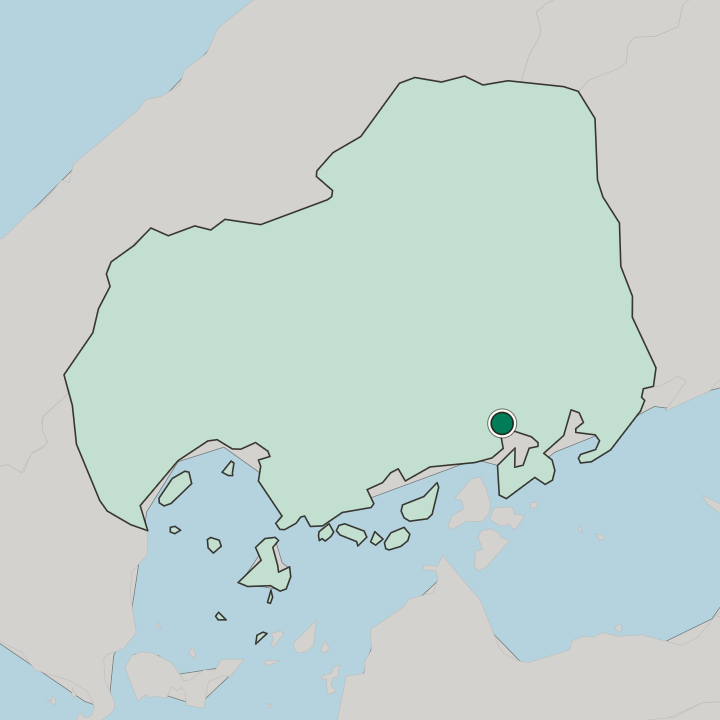
Water and islands set the terms. Mihara looks out over the islands, and the same city reaches inland to natural spots that have nothing to do with the coast, so its ground runs in two directions at once. Innoshima Suigun Castle stands for the island half.
Buttsū-ji Temple and the inland spots stand for everything the water does not. Hiroshima Prefecture, in Japan, holds both.
What is the climate of Mihara?
The water does the moderating. Mihara sits in the subtropical band, and the channel water between the mainland and the islands is what shapes its year of heavy summer humidity and short winters. Ferry days depend on it.
Buttsū-ji Temple, back from the water, takes a sharper version of the same year. The Nakata Museum and the Onomichi City Museum of Art carry the wet days.
How do you get to Mihara?
Trains and ferries both serve it. Several train lines run through Mihara, and several ferry lines leave from it, which is what makes the city a base for the wider region of Hiroshima Prefecture rather than only a stop on the way. Innoshima Suigun Castle is a boat trip.
The main city keeps most of its eating and drinking within walking distance of itself, so an arrival without a car is workable. Buttsū-ji Temple and the inland spots take longer.
Common questions
What is the best area to stay in Mihara?
Mihara Castle: stays built around Mihara Castle and the Nakata Museum. Buttsū-ji Temple: inland days at Buttsū-ji Temple. Innoshima Suigun Castle: island trips taken on Mihara's ferry lines. Onomichi City Museum of Art: museum runs through the Onomichi collections. Niitakayama Castle: castle-first visits that skip Mihara Castle.
Good for
More cities in Hiroshima-ken
Updated September 2026