Japan · Hiroshima-ken
Where to Stay in Miyoshi, Hiroshima-ken
Burial mounds and dolls. Miyoshi puts Yadani Kofun and the Jusaburo Tsujimura Doll Museum inside one wide Hiroshima Prefecture municipality.
Hotel links are affiliate links: booking through them may earn us a commission, at no extra cost to you. It never affects how places are ranked. How this works


Where to stay in Miyoshi
Where visitors usually base themselves, and why.
Space is the problem here. Miyoshi covers 778 square kilometres of Hiroshima Prefecture while its built-up part takes only a fraction of that, so the gap between a well-placed room and a badly placed one is measured in driving time rather than street corners. Stay in the centre first.
The Miyoshi Mononoke Museum and the Jusaburo Tsujimura Doll Museum sit within reach of the same beds, which makes the first night an easy decision. Art-led stays work differently. A room near the Okuda Genso Sayume Art Museum buys quiet and surrenders most evening choice, and the Kyodo Ningyokan Yorimichibokko fits neatly into the following morning from there.
The old ground is scattered. Yadani Kofun, the Jōrakuji-Nanatsuzuka Kofun Cluster and the Hanazono Site lie apart from each other across the municipality, so anyone planning to see more than one of them in a day should book with a car in mind. One practical warning.
Beds thin out fast beyond the centre, and a late search can leave nothing but rooms that add half an hour to every museum visit. Book the centre early. If you want the kofun before the heat, an outlying room with parking earns its keep, but the trade against a walkable evening is real and worth making deliberately.
Find hotels in Miyoshi
Direct booking searches for these neighbourhoods.
Central Miyoshi
Beds in the built-up part of Miyoshi keep the Miyoshi Mononoke Museum and the Jusaburo Tsujimura Doll Museum inside an ordinary walk instead of a drive.Find hotels in Central MiyoshiSlow stays paced around the Okuda Genso Sayume Art MuseumBy the Okuda Genso Sayume Art Museum
A room beside the Okuda Genso Sayume Art Museum buys a quiet street, with the Kyodo Ningyokan Yorimichibokko an unhurried addition the next morning.Find hotels in By the Okuda Genso Sayume Art MuseumDrivers whose first stop is Yadani Kofun or the Hanazono SiteOut towards Yadani Kofun
Lodging out this way suits an early start on the Jōrakuji-Nanatsuzuka Kofun Cluster, ground that lies well outside the built-up centre of Miyoshi. Lodging is scarce in this area; reserve in advance.Find hotels in Out towards Yadani KofunHotel links are affiliate links: booking through them may earn us a commission, at no extra cost to you. It never affects how places are ranked. How this works
About Miyoshi
Figures, first of all.
What is Miyoshi known for?
The Jusaburo Tsujimura Doll Museum and the Kyodo Ningyokan Yorimichibokko both take dolls seriously enough to build a collection around them, and the Miyoshi Mononoke Museum carries the strangest name of the group. Then the old ground. Yadani Kofun, the Jōrakuji-Nanatsuzuka Kofun Cluster and the Hanazono Site belong to a layer far older than any display case in Miyoshi, and they are the reason a visit here does not stay indoors.
What are the main landmarks in Miyoshi?
Seven names, two eras. Yadani Kofun, the Jōrakuji-Nanatsuzuka Kofun Cluster and the Hanazono Site hold the archaeological end, and none of them asks anything of a visitor except the willingness to get out there. The museums answer indoors.
The Miyoshi Mononoke Museum, the Jusaburo Tsujimura Doll Museum, the Kyodo Ningyokan Yorimichibokko and the Okuda Genso Sayume Art Museum divide dolls, art and folklore between four separate roofs.
What is the history of Miyoshi?
The mounds are the first record. Yadani Kofun and the Jōrakuji-Nanatsuzuka Kofun Cluster mark burial ground raised here long before any boundary was drawn, and the Hanazono Site adds a third piece of evidence that this ground was worked and settled early. Nothing about that is modern.
The municipality itself was constituted in 1954, so the administrative Miyoshi is younger than almost everything it now protects. Writing fixes the name. Miyoshi is the form the city carries in Japanese, and the modern municipality gathered 778 square kilometres of Hiroshima Prefecture under it, an area large enough to take in several older settlements at once.
Scale explains the spread. Yadani Kofun, the Hanazono Site and the Jōrakuji-Nanatsuzuka Kofun Cluster are not neighbours; they are separate places that a single boundary happens to contain. The museums came last.
The Jusaburo Tsujimura Doll Museum, the Okuda Genso Sayume Art Museum, the Kyodo Ningyokan Yorimichibokko and the Miyoshi Mononoke Museum represent a deliberate modern decision to keep craft and folklore in buildings rather than only in memory, and they give the city an indoor half that its archaeology never could.
Where is Miyoshi?
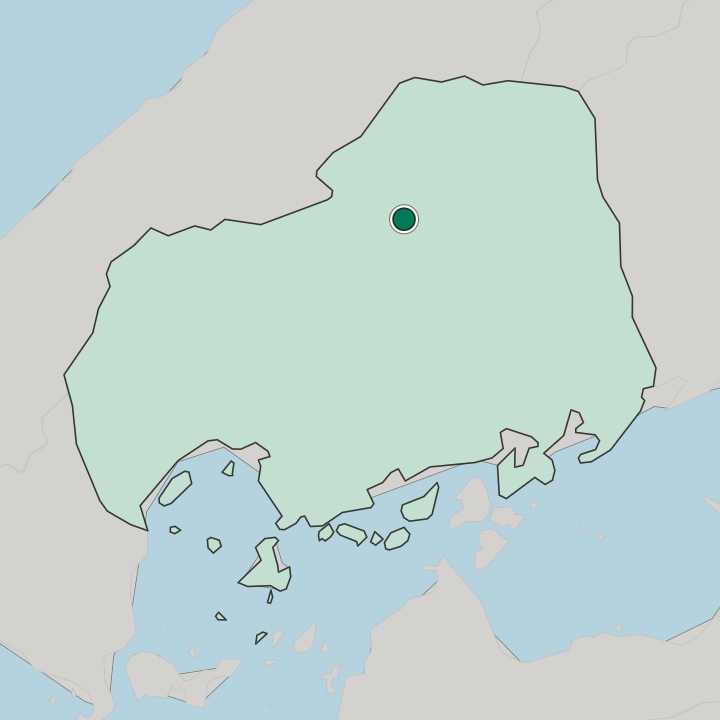
778 square kilometres, thinly built. Miyoshi is one of the larger municipalities in Hiroshima Prefecture by area, and most of that ground is open country rather than street, with the built-up part gathered into a comparatively small share of the whole. Distance does the sorting.
The Miyoshi Mononoke Museum and the Jusaburo Tsujimura Doll Museum belong to that compact core, while Yadani Kofun and the Hanazono Site sit out in the wider municipality.
What is the climate of Miyoshi?
Heat is an outdoor problem here. Miyoshi lies within the subtropical band, which stretches the warm season at both ends and turns a midday circuit of the Jōrakuji-Nanatsuzuka Kofun Cluster into harder work than the same walk in spring. Indoors takes the afternoon.
The Jusaburo Tsujimura Doll Museum, the Okuda Genso Sayume Art Museum and the Miyoshi Mononoke Museum keep their collections under roofs, which usually decides the shape of a hot day.
How do you get to Miyoshi?
Arrivals come through Hiroshima Prefecture. Roads into Miyoshi deliver a traveller to the built-up core, which is where the Miyoshi Mononoke Museum, the Jusaburo Tsujimura Doll Museum and the Kyodo Ningyokan Yorimichibokko can be strung together on foot. After that, drive.
Yadani Kofun, the Hanazono Site and the Jōrakuji-Nanatsuzuka Kofun Cluster are spread across 778 square kilometres, and no walking plan survives contact with that much ground.
Common questions
What is the best area to stay in Miyoshi?
Central Miyoshi: Museum days that open at the Miyoshi Mononoke Museum. By the Okuda Genso Sayume Art Museum: Slow stays paced around the Okuda Genso Sayume Art Museum. Out towards Yadani Kofun: Drivers whose first stop is Yadani Kofun or the Hanazono Site.
Good for
More cities in Hiroshima-ken
Updated September 2026