Japan · Hiroshima-ken
Where to Stay in Hiroshima, Hiroshima-ken
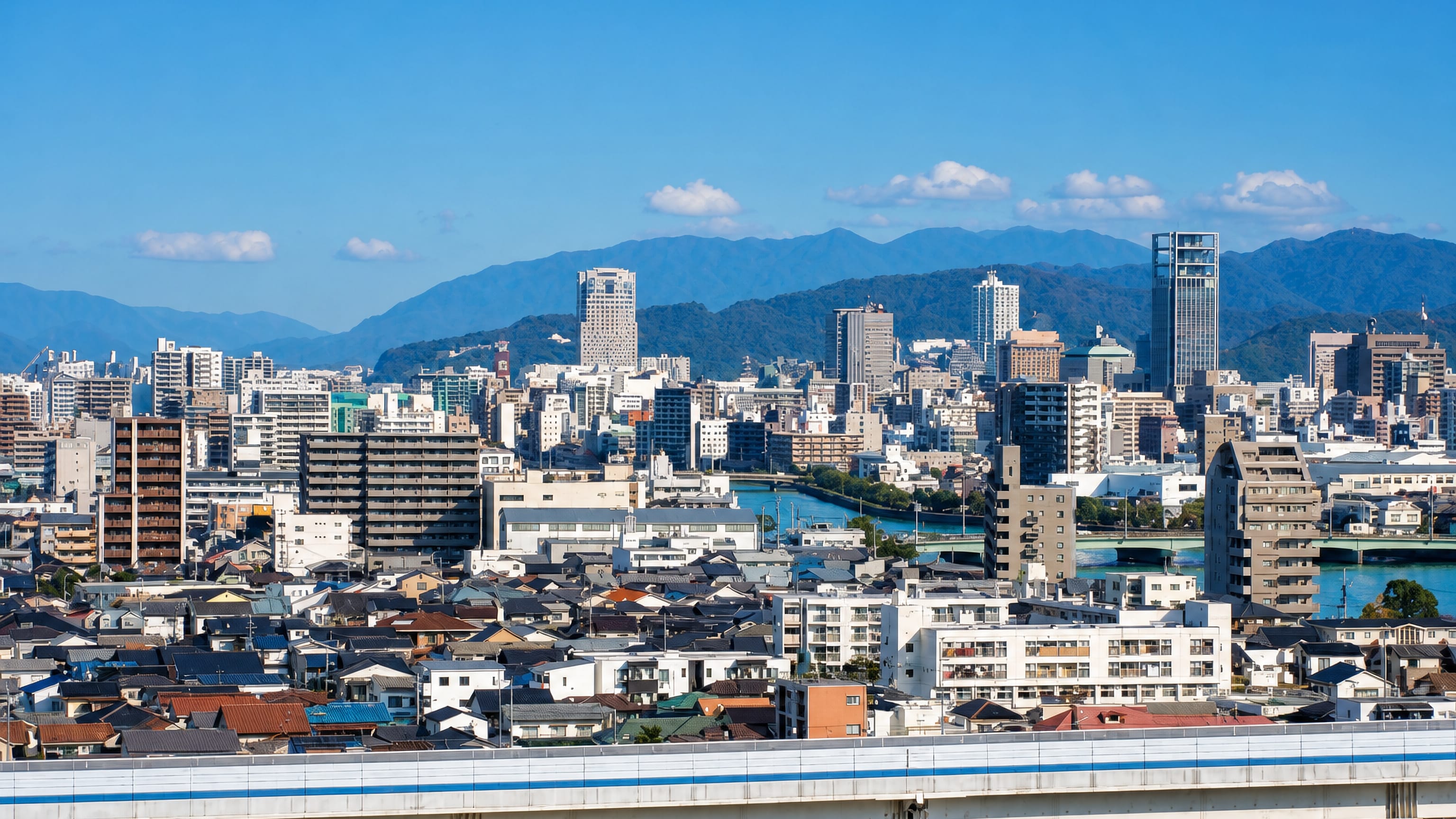
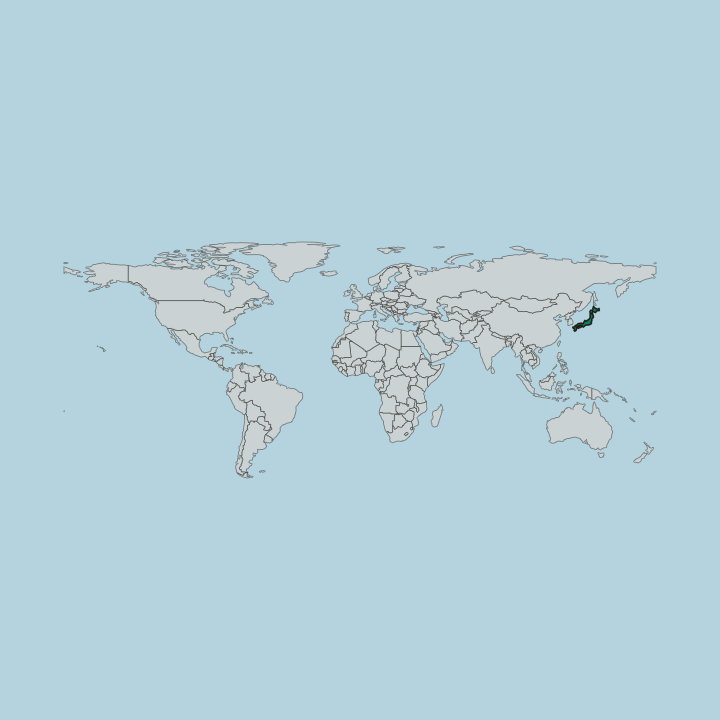
Boulevards cross the delta at Hiroshima, on the Seto Inland Sea in the Chugoku region of Honshu, with the Hiroshima Peace Memorial and Hiroshima Castle.
Hotel links are affiliate links: booking through them may earn us a commission, at no extra cost to you. It never affects how places are ranked. How this works


Where to stay in Hiroshima
Not every neighbourhood fits every trip — here's what each one is good for.

 HiroshimaJapan
Kamiyacho
Kamiyacho is a Naka-ku district of Hiroshima, its tram stop open since 1912, standing beside the Hiroshima Peace Memorial.Where to stay →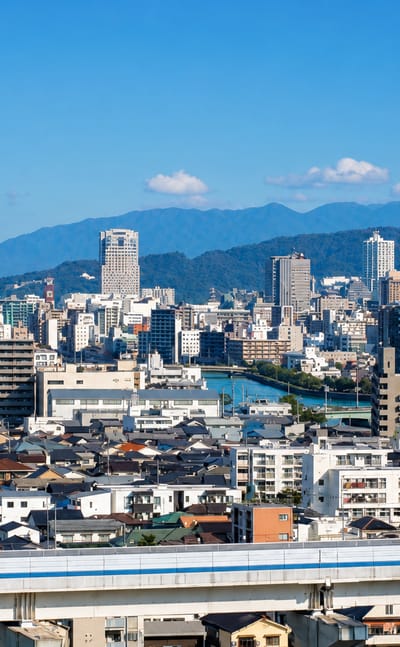 HiroshimaJapan
Hatchobori
Hatchobori is the Hiroshima district whose listed addresses are Hiroshima Castle and the Hiroshima Prefectural Art Museum.Where to stay →HiroshimaJapanEbisucho
Ebisucho is the Hiroshima district holding Okonomi-mura, the Hiroshima City Museum of Contemporary Art and the Fukuya Hatchōbori Main Store.Where to stay →Hotel links are affiliate links: booking through them may earn us a commission, at no extra cost to you. It never affects how places are ranked. How this works
Find hotels in Hiroshima
Direct booking searches for these neighbourhoods.
Peace park centre
The Hiroshima Peace Memorial, its museum, and the Children's Peace Monument sit within one flat delta walk.Find hotels in Peace park centreCastle grounds and art hallsCastle and museum grid
The rebuilt Hiroshima Castle and the Hiroshima Prefectural Art Museum anchor the northern delta streets.Find hotels in Castle and museum gridLocal okonomiyaki and nightlifeOkonomi-mura district
The stacked griddle stalls of Okonomi-mura draw diners to the city's okonomiyaki off the central boulevards.Find hotels in Okonomi-mura districtHotel links are affiliate links: booking through them may earn us a commission, at no extra cost to you. It never affects how places are ranked. How this works
Things to do in Hiroshima
Ranked by global recognition; descriptions from Wikidata (CC0).
Museums & Galleries
4- Hiroshima Castle Heritage
- Hiroshima Peace Memorial Museum Heritage
- Honkawa Elementary School Peace Museum Heritage
- Fukuromachi Elementary School Peace Museum Heritage
Castles & Historic Sites
3- Children's Peace Monument
- Flame of Peace
- Gates of Peace
worth knowingacross 2 categories in Hiroshima
About Hiroshima
What is Hiroshima known for?
Hiroshima is known worldwide for the Hiroshima Peace Memorial, the preserved ruin that marks the atomic bombing of the city on 6 August 1945. Peace defines its public face. The Hiroshima Peace Memorial Museum and the Children's Peace Monument stand in the park laid out across the river delta, while the rebuilt Hiroshima Castle recalls the older castle town on the Seto Inland Sea.
It serves as the capital of Hiroshima Prefecture and the hub of the Chugoku region, an industrial river city of wide boulevards, local okonomiyaki, and a working nightlife.
What are the main landmarks in Hiroshima?
The Hiroshima Peace Memorial is the city's signature landmark, the surviving ruin preserved as it stood after the atomic bombing of 6 August 1945. Around it the memorial park spreads. The Hiroshima Peace Memorial Museum, the Children's Peace Monument, the Flame of Peace, and the Gates of Peace gather on the delta between the rivers.
Older heritage stands to the north. The rebuilt Hiroshima Castle keeps the castle-town line, while the Hiroshima Museum of Art and Okonomi-mura draw visitors for art and okonomiyaki.
What is the history of Hiroshima?
Hiroshima began as a castle town when Hiroshima Castle rose on the river delta in 1589, giving the settlement its name and its plan on the Seto Inland Sea. The fortress commanded the low islands where the branching rivers met the sea, and a merchant and garrison town grew around its moat. Trade came by water.
The delta port linked the town to the coastal routes of the Chugoku region for centuries. On 6 August 1945 the city became the site of the first atomic bombing, an event that levelled much of the delta and is marked at the Hiroshima Peace Memorial, the ruin left standing at the point of destruction. The city rebuilt around a memorial park holding the Hiroshima Peace Memorial Museum, the Children's Peace Monument, and the Flame of Peace, laid out on the ground where the old centre had stood.
Reconstruction followed the rivers. The rebuilt Hiroshima Castle restored the castle-town line, and the wide boulevards and tram network gave the modern river city its shape along the Seto Inland Sea coast.
Where is Hiroshima?
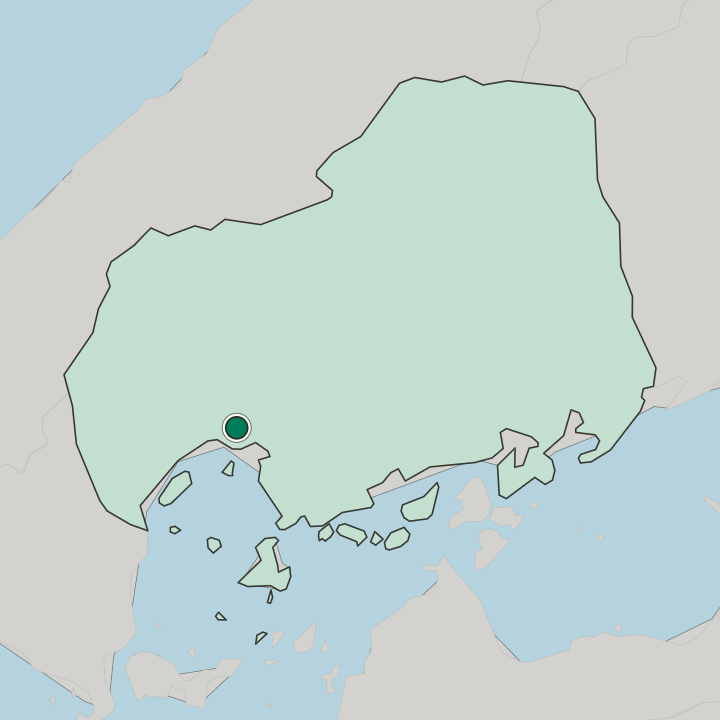
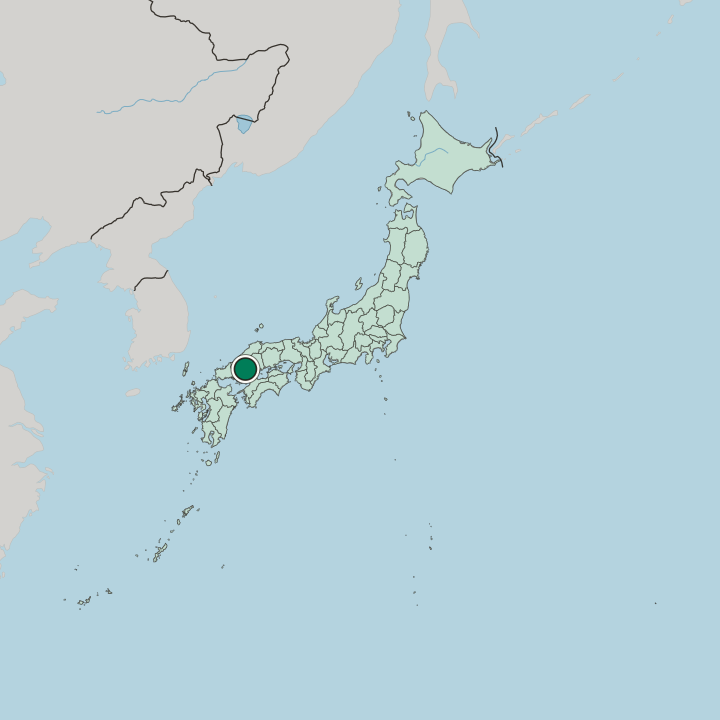
Hiroshima sits on a low river delta where several channels reach the Seto Inland Sea, in the Chugoku region of western Honshu. The city fills the flat islands the rivers cut as they fan out toward the coast, giving it the wide, water-divided plan its boulevards follow. Hills close in behind it.
As the capital of Hiroshima Prefecture, it anchors the coastal plain between the sea and the inland ranges of the Chugoku region.
What is the climate of Hiroshima?
Hiroshima has a warm, humid climate sheltered by its place on the Seto Inland Sea in western Honshu. Summers grow hot and sticky. The rainy season and the typhoon months bring the heaviest downpours to the delta, and the enclosed waters of the inland sea keep the coast milder than the open Pacific through much of the year.
Winters stay mild and mostly dry, with cold spells off the inland ranges of the Chugoku region but little lasting snow on the low delta.
How do you get to Hiroshima?
Hiroshima sits on the main bullet-train line through western Honshu, the fast link between the cities of the Chugoku region and points east. Trains call frequently. The port on the Seto Inland Sea handles ferries to the islands and the coastal routes, while the city's tram network fans out across the river delta to the memorial park and the castle grounds.
Wide boulevards and a subway-like tram system tie the harbour, the Hiroshima Peace Memorial, and Hiroshima Castle into one flat, walkable core.
Common questions
What is the best area to stay in Hiroshima?
Peace park centre: Memorial visits and tram links. Castle and museum grid: Castle grounds and art halls. Okonomi-mura district: Local okonomiyaki and nightlife.
Good for
More cities in Hiroshima-ken
Updated September 2026