Japan · Tochigi
Where to Stay in Ashikaga, Tochigi
Ashikaga is a Tochigi city of temple and school: Banna-ji Temple and Ashikaga Gakkō hold its old core, close to the boundary with Gunma.
Hotel links are affiliate links: booking through them may earn us a commission, at no extra cost to you. It never affects how places are ranked. How this works


Where to stay in Ashikaga
The practical side of choosing where to sleep.
One core holds the essentials. Banna-ji Temple, its separately listed main hall and Ashikaga Gakkō stand together in the historic centre, and a room near them turns the headline visit into a morning on foot instead of an expedition across the municipality. Beds here are in short supply.
A city of this size in Tochigi Prefecture does not carry deep hotel stock, which matters far more in a busy week than in a quiet one. Art suggests a different anchor. The Ashikaga Museum of Art and the Sōun Museum of Art reward a base picked for indoor hours, and if you want the four Song editions and the gallery rooms inside one day, a central address beats anything out towards the edge of 177 square kilometres.
The kofun is the outlier. Fujimoto Kannonyama Kofun asks for transport in a way that Banna-ji Temple never does. Gunma is close enough to matter.
A stay in Ashikaga can serve a trip that crosses the prefecture boundary, since the city's own list is short enough to leave a spare afternoon, and Ashikaga Church or the Sōun Museum of Art will absorb that afternoon if the weather turns.
Find hotels in Ashikaga
Direct booking searches for these neighbourhoods.
The Banna-ji core
The historic centre keeps Banna-ji Temple, its separately listed main hall and Ashikaga Gakkō inside one unhurried walkFind hotels in The Banna-ji coreWet days divided between the Ashikaga Museum of Art and the Sōun Museum of ArtThe gallery streets
A base chosen for indoor hours puts the Ashikaga Museum of Art, the Sōun Museum of Art and Ashikaga Church within range without a carFind hotels in The gallery streetsVisitors making Fujimoto Kannonyama Kofun the point of the tripOut towards Fujimoto Kannonyama Kofun
An outer address shortens the run to Fujimoto Kannonyama Kofun, the one name here that the Banna-ji Temple neighbourhood cannot reach on foot. Rooms are few around here — worth securing early.Find hotels in Out towards Fujimoto Kannonyama KofunHotel links are affiliate links: booking through them may earn us a commission, at no extra cost to you. It never affects how places are ranked. How this works
About Ashikaga
What is Ashikaga known for?
Banna-ji Temple and Ashikaga Gakkō carry the reputation between them, one a temple compound and the other a school bearing the city's own name, which is unusual company for a working Tochigi town of some 177 square kilometres. Books count as landmarks here. Four Song editions sit on the heritage list beside the buildings.
The Ashikaga Museum of Art and the Sōun Museum of Art take the modern side of the visit.
What are the main landmarks in Ashikaga?
The main hall of Banna-ji is listed separately from the temple around it, which says a good deal about how carefully the record here has been kept. Ashikaga Gakkō is the other fixed point. Ashikaga Church adds a Christian congregation to a list otherwise built from temple, school and burial mound, while Fujimoto Kannonyama Kofun belongs to a far older layer than either of the two institutions at the centre.
What is the history of Ashikaga?
1889 gave Ashikaga its modern municipal shape, and the register of that year records it as Ashikaga-machi, the town form that came before the city one. The name is older than the paperwork by a wide margin. Ashikaga Gakkō and Banna-ji Temple both predate it, and Fujimoto Kannonyama Kofun predates them in turn, so the sequence on this ground runs burial mound, then temple, then school, and only after all of that a municipality.
Books are the surprise. Four Song editions, the Song Edition of Wenxuan, the Song Edition of Shangshu Zhengyi, the Song Edition of Liji Zhengyi and the Song Edition of Zhouyi Commentary, are listed as heritage in their own right, a scholarly inheritance that few cities of this size in Tochigi Prefecture can match. The main hall of Banna-ji carries its own listing too.
Ashikaga Church records a later religious arrival, and the Ashikaga Museum of Art and the Sōun Museum of Art belong to the civic present rather than to the medieval past. The whole span stays on one city's list, from kofun to gallery, which is what makes the place read as continuous rather than as a set of separate periods.
Where is Ashikaga?
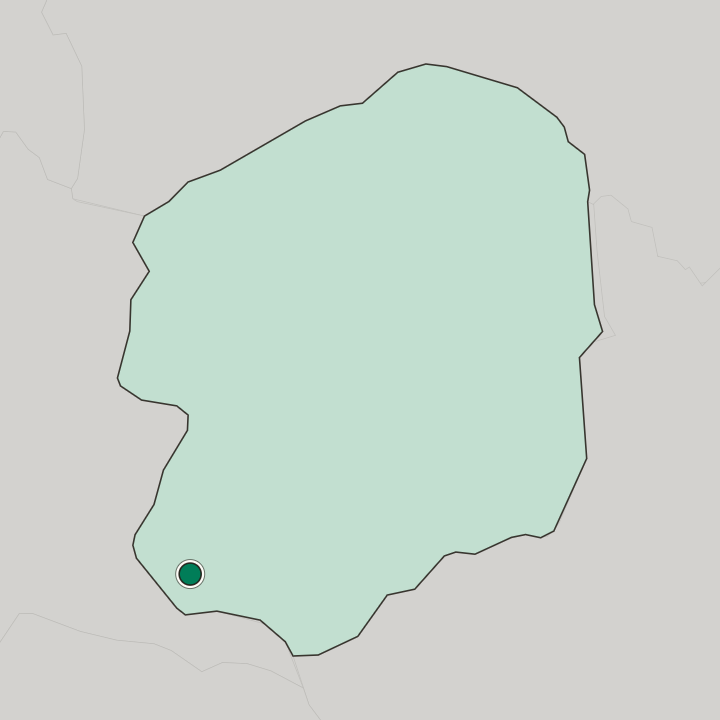
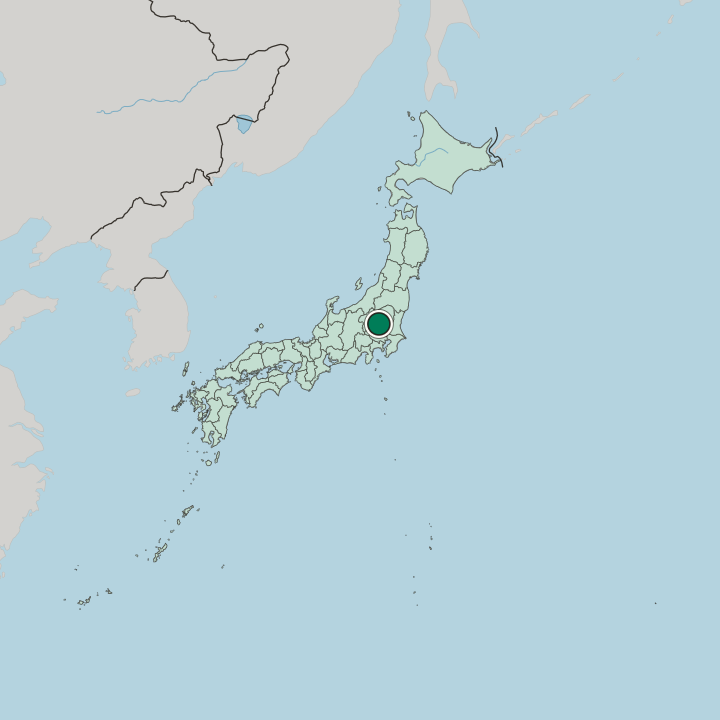
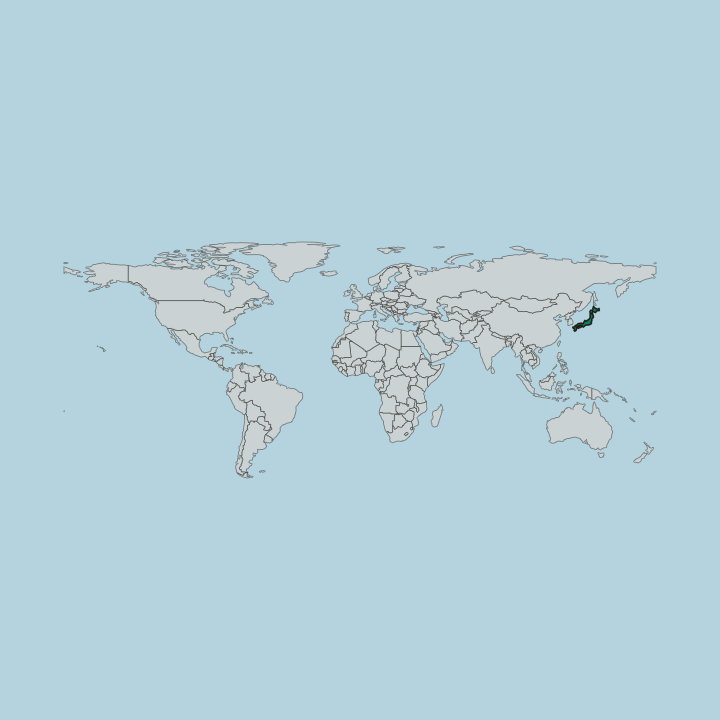
Ashikaga runs to some 177 square kilometres of Tochigi Prefecture on Honshu, close to the boundary the prefecture shares with Gunma. Neighbours count at that range. Banna-ji Temple, Ashikaga Gakkō and the Ashikaga Museum of Art are central rather than scattered, so the wide municipal figure describes the ground beyond the built-up part far more than it describes the city itself.
What is the climate of Ashikaga?
Temperate through and through. The year divides into a warm half and a cool one without either turning severe, which suits a visit built around Banna-ji Temple and Ashikaga Gakkō, since both are walked rather than driven between. Rain moves the day indoors.
The Ashikaga Museum of Art and the Sōun Museum of Art are where it goes.
How do you get to Ashikaga?
Approaches run through Tochigi Prefecture, with Gunma just past the boundary and the rest of Honshu behind both. The centre is the destination. Banna-ji Temple, Ashikaga Gakkō and the Ashikaga Museum of Art occupy one walkable core, so the final stage of an arrival is measured in minutes rather than in the 177 square kilometres the city covers on paper.
Common questions
What is the best area to stay in Ashikaga?
The Banna-ji core: Mornings walking between Banna-ji Temple and Ashikaga Gakkō. The gallery streets: Wet days divided between the Ashikaga Museum of Art and the Sōun Museum of Art. Out towards Fujimoto Kannonyama Kofun: Visitors making Fujimoto Kannonyama Kofun the point of the trip.
Good for
More cities in Tochigi
Updated September 2026