Japan · Tochigi
Where to Stay in Ōtawara, Tochigi
Ōtawara, also spelled Ohtawara, is a Tochigi city keeping Nasu Shrine, the Samuraizuka Kofun and the Kurobane Basho Museum.
Hotel links are affiliate links: booking through them may earn us a commission, at no extra cost to you. It never affects how places are ranked. How this works


Where to stay in Ōtawara
Where the beds are, and what that means for the visit.
Ōtawara's own stock of rooms is slight. The practical choice in Ōtawara falls between a room in the built-up middle of the city, close to the Ohtawara City Museum for the Legend of Nasu-no-yoichi, and something out toward Kurobane where the Kurobane Basho Museum stands among older lanes. Neither side is a resort.
A central room suits a visitor who wants the Nasu-no-yoichi collection and the shrine ground finished inside a single day, while a Kurobane bed suits anyone following the poet's route slowly and content to drive between the stops. The shrine ground pulls a third way. Nasu Shrine and the Nasu no Kuni no Miyatsuko no Hi sit on the oldest part of Ōtawara's map, with the Samuraizuka Kofun near enough to be folded into the same morning, and the Nogi Shrine Hōmotsukan adds a fourth call for anyone who has time left over. Tochigi Prefecture holds the deeper stock of rooms. Ōtawara-shi is a small municipality with a modest supply, so a traveller who wants choice rather than proximity books elsewhere in Tochigi and comes in for the day, which works because the whole list of stops is compact enough to be done between one breakfast and one evening train.
Nothing on that list sits far from the next.
Find hotels in Ōtawara
Direct booking searches for these neighbourhoods.
Central Ōtawara
The built-up middle of Ōtawara-shi, where the Nasu-no-yoichi collection and the everyday shops sit within one walk of each other. Beds are limited here, so book early.Find hotels in Central Ōtawaraslow days built around the Kurobane Basho MuseumKurobane
The older Kurobane lanes on Ōtawara's far side, where the museum devoted to a travelling poet's route sets the pace of a visit. Rooms are few around here — worth securing early.Find hotels in Kurobanemornings taking in Nasu Shrine and the Samuraizuka Kofun togetherNasu Shrine ground
The oldest ground in Ōtawara, holding Nasu Shrine, the Nasu no Kuni no Miyatsuko no Hi and a burial mound within one short circuit. Beds are limited here, so book early.Find hotels in Nasu Shrine groundHotel links are affiliate links: booking through them may earn us a commission, at no extra cost to you. It never affects how places are ranked. How this works
About Ōtawara
Nasu names much of it.
What is Ōtawara known for?
The Ohtawara City Museum for the Legend of Nasu-no-yoichi takes an archer of that name as its subject, while Nasu Shrine and the Nasu no Kuni no Miyatsuko no Hi carry the older provincial record into the same short list of stops. Poetry accounts for the rest. The Kurobane Basho Museum stands in the Kurobane part of Ōtawara and keeps a travelling poet's passage through Tochigi Prefecture as its single theme.
What are the main landmarks in Ōtawara?
Nasu Shrine anchors the list. Beside it stands the Nasu no Kuni no Miyatsuko no Hi, an inscribed provincial monument, and the Samuraizuka Kofun keeps the burial-mound end of Ōtawara's record within easy reach of the same road. Museum collections make up the balance.
The Ohtawara City Museum for the Legend of Nasu-no-yoichi, the Kurobane Basho Museum out at Kurobane and the Nogi Shrine Hōmotsukan make three indoor stops of quite different character.
What is the history of Ōtawara?
The province came long before the city. Nasu no Kuni no Miyatsuko no Hi records the appointment of a provincial chief for the old district of Nasu, and the Samuraizuka Kofun belongs to the burial-mound age that produced the same ruling families, so the ground was administered and marked far earlier than any municipal boundary. Nasu Shrine carries that inheritance forward.
Its precinct holds the religious side of a district whose name still attaches to half the sights in Ōtawara. Kurobane keeps a separate thread. A travelling poet passed through on a long walking journey, and the Kurobane Basho Museum was built to hold that episode rather than the wider record of Tochigi Prefecture. Ōtawara-shi itself is young.
The municipality was constituted in 1954, gathering the older settlements including Kurobane under one name, which is why a single small city now answers for a shrine, an inscribed monument, a burial mound and three museums that were never planned as a set. Legend supplies the last layer. The Ohtawara City Museum for the Legend of Nasu-no-yoichi takes an archer remembered in medieval war tales as its subject, and the Nogi Shrine Hōmotsukan keeps a treasure hall attached to a shrine of much later foundation.
Where is Ōtawara?
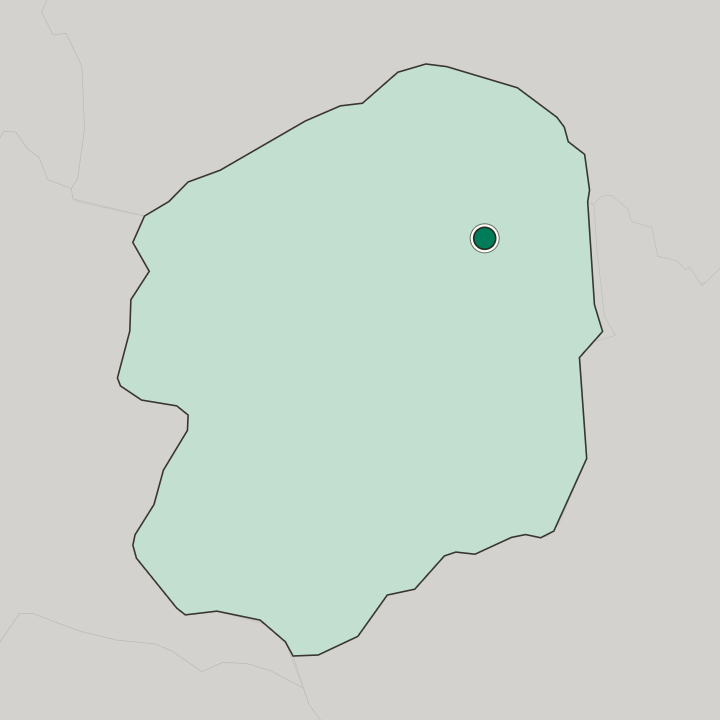
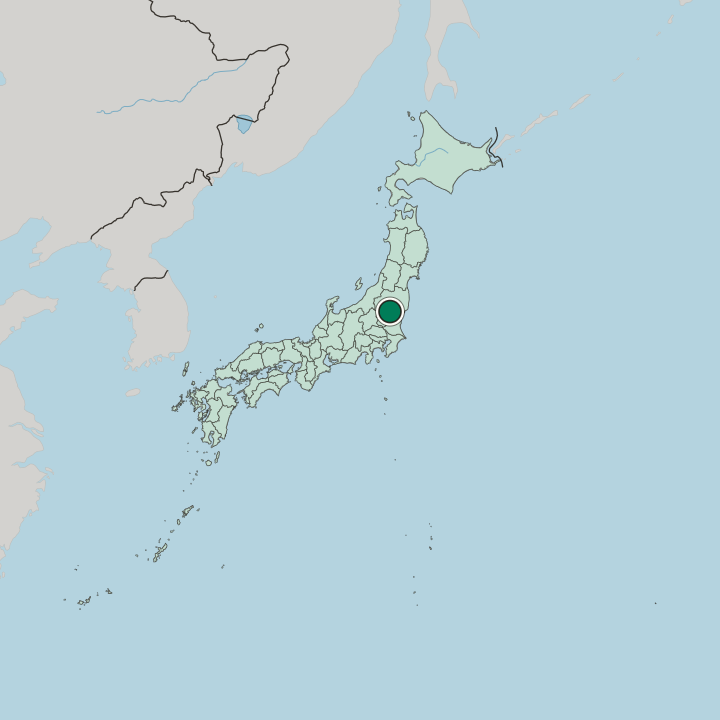
Ōtawara spreads wide for its size. The municipality covers a broad slice of Tochigi Prefecture, so the built-up middle and the older ground at Kurobane sit far enough apart that a visitor moves between them by road rather than on foot. Fields fill the gap.
Nasu Shrine and the Samuraizuka Kofun stand on that open country, and the name Nasu attaches to the wider district around them.
What is the climate of Ōtawara?
Four seasons arrive in full here. Ōtawara sits in the temperate band well inland from any coast, which gives it warm humid summers and cold clear winters rather than the softened swing a sea would supply. Snow is a real prospect. When the weather closes in, the Kurobane Basho Museum, the Nogi Shrine Hōmotsukan and the Ohtawara City Museum for the Legend of Nasu-no-yoichi carry a day that the open ground at Nasu Shrine cannot.
How do you get to Ōtawara?
Arrival is a Tochigi errand. Ōtawara has no long-distance terminal of its own, so most visitors reach it on a local run from elsewhere in Tochigi Prefecture and then hire wheels for the rest. Kurobane needs a car. The Kurobane Basho Museum lies well away from the built-up middle where the Ohtawara City Museum for the Legend of Nasu-no-yoichi stands, and Nasu Shrine sits out on the open ground between the two.
Common questions
What is the best area to stay in Ōtawara?
Central Ōtawara: a base beside the Ohtawara City Museum for the Legend of Nasu-no-yoichi. Kurobane: slow days built around the Kurobane Basho Museum. Nasu Shrine ground: mornings taking in Nasu Shrine and the Samuraizuka Kofun together.
Good for
More cities in Tochigi
Updated September 2026