Japan · Tochigi
Where to Stay in Nikkō, Tochigi
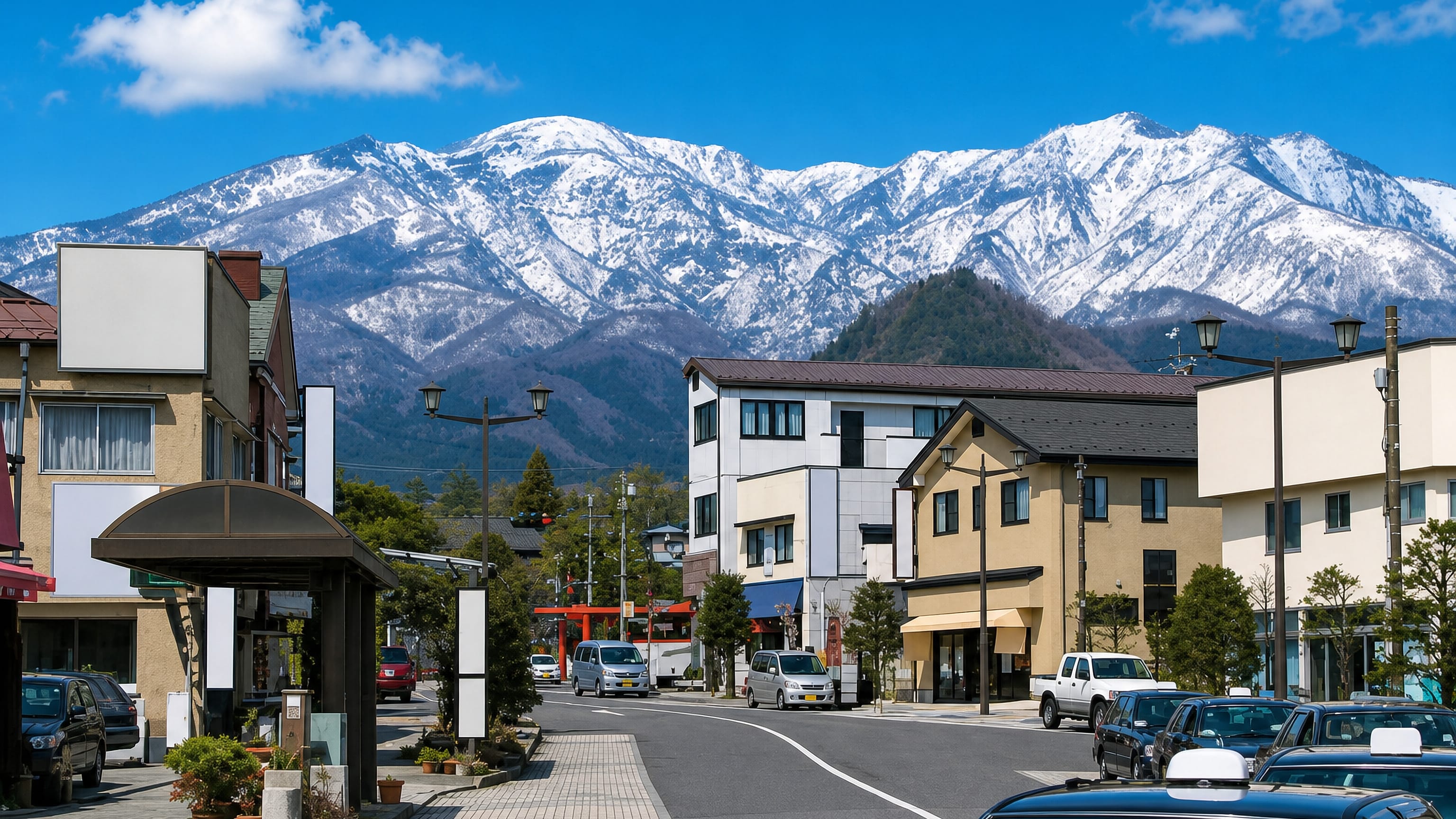
Nikkō is a mountain town in Tochigi, north of Tokyo, famous for its lavish shrines set among giant cedars.
Hotel links are affiliate links: booking through them may earn us a commission, at no extra cost to you. It never affects how places are ranked. How this works


Where to stay in Nikkō
Where visitors usually base themselves, and why.
Where you stay in Nikkō turns on the shrines or the lakes. The town below the Tōshō-gū keeps the shrines, the temples, and the cedar avenue within a walk, and staying there suits anyone here for the golden halls. The streets hush once the shrines close.
Rooms fill the old inns near the sacred bridge. Up in the mountains around Lake Chūzenji, the hot-spring resorts spread by the water. A room by the lake trades the shrine town for the falls, the peaks, and the quiet of the high forests.
The cold lake lies still below the volcanoes. If you want the shrines and the temples, stay in the town; if you want the lakes and the springs, take a room in the hills. Either way, the cedars are close at hand.
Find hotels in Nikkō
Direct booking searches for these neighbourhoods.
The shrine town
In the town below the Nikkō Tōshō-gū, within a walk of the Shinkyō bridgeFind hotels in The shrine townStays wanting the lakes, falls, and hot springsLake Chūzenji and the hills
Up in the mountains by Lake Chūzenji near Kegon Falls, among the high forestsFind hotels in Lake Chūzenji and the hillsHotel links are affiliate links: booking through them may earn us a commission, at no extra cost to you. It never affects how places are ranked. How this works
About Nikkō
Nikkō is famous for its golden shrines.
What is Nikkō known for?
Deep among towering cedars stands the Nikkō Tōshō-gū, the ornate mausoleum of the great shogun Tokugawa Ieyasu, carved and gilded like nothing else in Japan, and with it the halls of Rinnō-ji Temple and Futarasan Shrine. Waterfalls and lakes fill the mountains beyond. Gold and forest make the town.
What are the main landmarks in Nikkō?
The Nikkō Tōshō-gū is the wonder of Nikkō. Its gilded gates and carved halls, deep among the cedars, are the great sight of the town, from the famous sleeping cat to the three wise monkeys. Temples and bridges stand near.
Rinnō-ji Temple and Futarasan Shrine share the sacred wood, while the red Shinkyō bridge arches over the river below.
What is the history of Nikkō?
Nikkō was a holy mountain long before the shrines. Monks came to worship on its sacred peaks more than a thousand years ago, and Rinnō-ji Temple and Futarasan Shrine grew among the cedars in those early centuries. Then a shogun chose it for his tomb.
When Tokugawa Ieyasu died, his heirs raised the dazzling Nikkō Tōshō-gū over his grave, covering its gates and halls in gold and carving, so that his spirit might guard the land from the northern mountains. Pilgrims and lords came up the cedar road. A great avenue of cedars was planted along the pilgrims' way, and the red Shinkyō bridge marked the entrance to the sacred ground.
Then the mountains drew them too. Beyond the shrines they found Lake Chūzenji, the roaring Kegon Falls, and the winding Irohazaka road, and the old Kanaya Hotel welcomed the first foreign visitors. The whole shrine complex was later named a treasure of the world.
Nikkō still guards its golden mausoleum among the cedars.
Where is Nikkō?
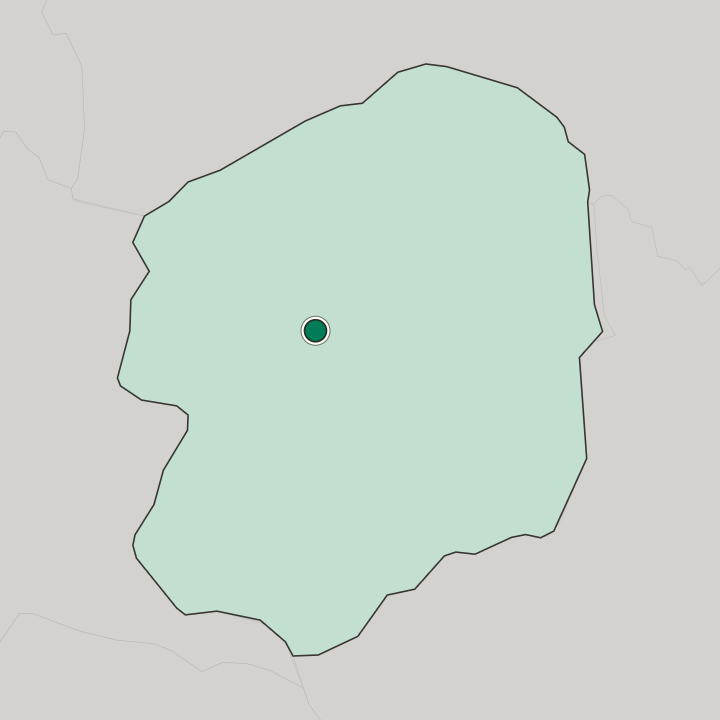
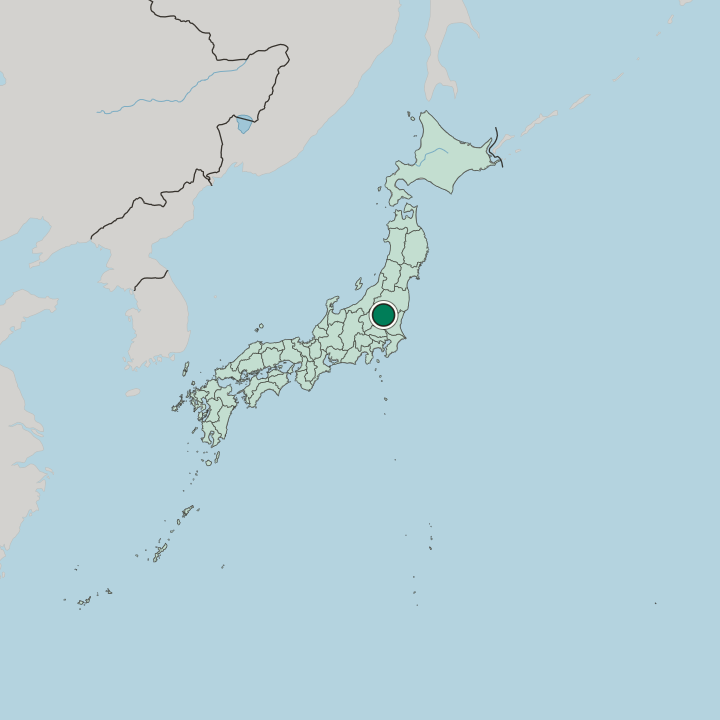
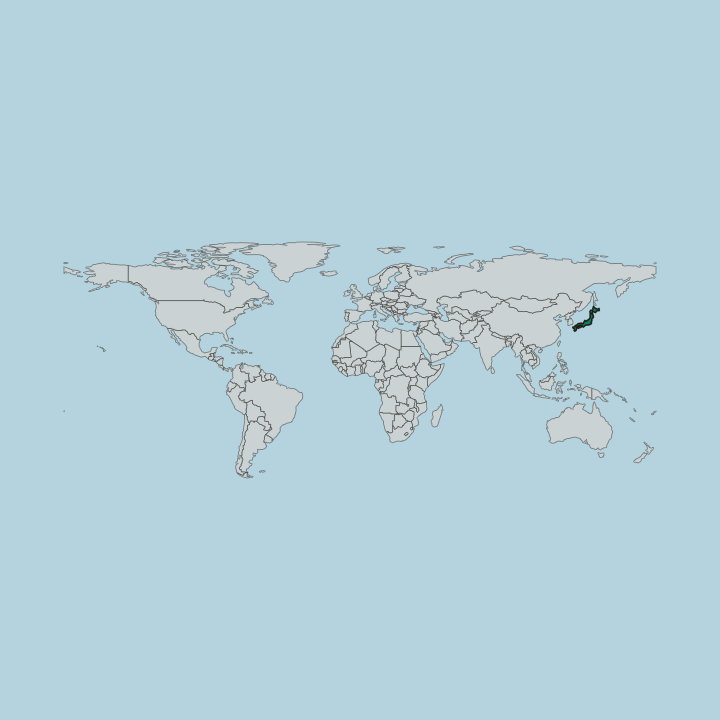
Nikkō lies in the mountains north of the Kantō plain. The town sits where the plain meets the steep volcanic ranges of central Japan, on a fast river below high forested peaks. Cedar forests climb the slopes above.
Waterfalls and lakes lie high in the hills beyond.
What is the climate of Nikkō?
Nikkō has a cool, wet mountain climate. Heavy snow buries the high country through long winters, and the summers stay cool and misty in the forests, with rain falling often on the peaks. Autumn sets the maples ablaze in red and gold.
The mountains keep the air fresh and damp.
How do you get to Nikkō?
Nikkō lies a couple of hours north of Tokyo. Trains run up to the town from the capital through the Kantō plain, and roads climb into the mountains beyond, up the winding Irohazaka to the lakes. Buses reach Lake Chūzenji and the falls.
Most arrive by rail from Tokyo.
Common questions
What is the best area to stay in Nikkō?
The shrine town: Visitors here for the shrines, temples, and cedar avenue. Lake Chūzenji and the hills: Stays wanting the lakes, falls, and hot springs.
Good for
More cities in Tochigi
Updated September 2026