Japan · Tochigi
Where to Stay in Utsunomiya, Tochigi
Matsugamine Church stands in pale Ōya stone at the centre of Utsunomiya, capital of Tochigi Prefecture in northern Kantō and the gyoza city.
Hotel links are affiliate links: booking through them may earn us a commission, at no extra cost to you. It never affects how places are ranked. How this works


Where to stay in Utsunomiya
Where visitors usually base themselves, and why.
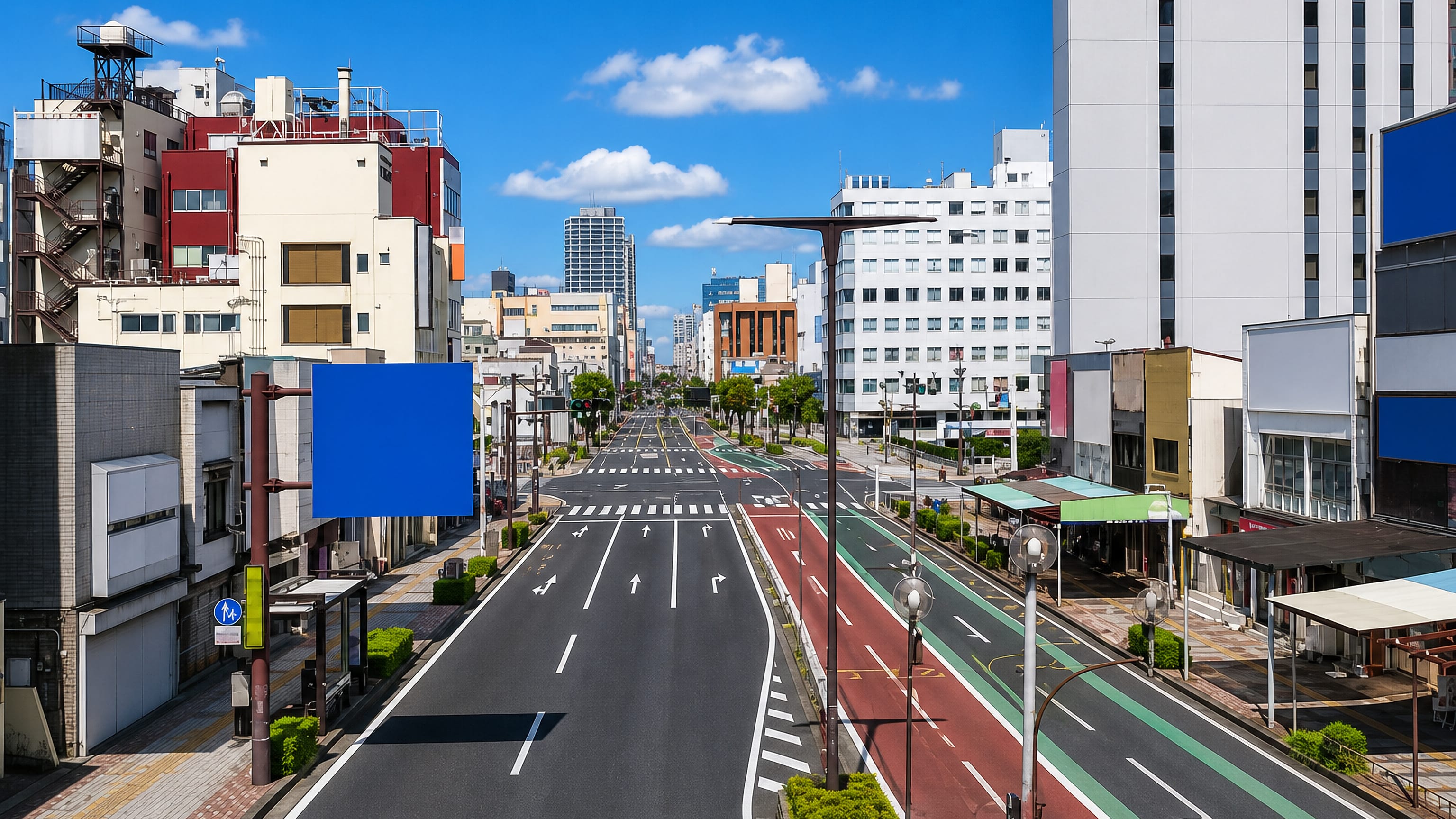
Utsunomiya divides at the railway, and most beds sit on the east side of it. Hotels there stand within a block or two of the Shinkansen platforms and the light rail that runs out toward the industrial parks, which is why business travellers rarely bother crossing the tracks. Gyoza counters ring the station.
Book this side if your stay is short and your train is early. The old centre is west of the line. Its streets climb to the hill of Futaarayama Shrine and the castle ground, past the Tochigi Prefectural Museum of Fine Arts, the Shinohara Family Residence and the Ōya stone front of Matsugamine Church, and the walking is better here than anywhere else in the city.
Evenings are livelier too. The gyoza houses on these blocks fill first. Ōya lies out beyond the northern edge. Rooms that way are scarce and mostly aimed at people going underground into the quarry galleries or driving on toward Kanuma and Nikkō, and the ground turns to hills and stone almost as soon as the housing stops.
Take a car or take the bus.
Find hotels in Utsunomiya
Direct booking searches for these neighbourhoods.
The station east side
Hotels and gyoza counters a block from the platformsFind hotels in The station east sideWalking to Futaarayama Shrine and the museumsThe old centre
Castle ground streets under the Ōya stone church frontFind hotels in The old centreDrivers going underground or on to NikkōThe Ōya road
Where the housing stops and the quarry hills startFind hotels in The Ōya roadHotel links are affiliate links: booking through them may earn us a commission, at no extra cost to you. It never affects how places are ranked. How this works
Things to do in Utsunomiya
Ranked by global recognition; descriptions from Wikidata (CC0).
Museums & Galleries
3- Tochigi Prefectural Museum of Fine Arts
- Shōwakan
- Utsunomiya Fairy Museum
Churches & Religious Sites
1- Matsugamine Church
Landmarks & Notable Places
1- 旧篠原家住宅
worth knowingacross 3 categories in Utsunomiya
About Utsunomiya
What is Utsunomiya known for?
Utsunomiya is known for gyoza, which the city treats as a civic matter rather than a snack. Ōya stone is the other export. The pale volcanic rock quarried in the hills north west of the centre faces Matsugamine Church and a good many older buildings, and the worked-out galleries underground draw visitors in their own right. Collections sit near the castle ground.
The Tochigi Prefectural Museum of Fine Arts and the Tochigi Prefectural Museum hold the art and the natural history, with the Shinohara Family Residence preserved close by.
What are the main landmarks in Utsunomiya?
Utsunomiya keeps its landmarks west of the railway, on and around the old castle ground. Matsugamine Church is the one to see. Its twin towers are cut from the pale Ōya stone the district is quarried for, and the hill of Futaarayama Shrine rises a few streets away above the shopping arcades.
The museums sit further out. The Tochigi Prefectural Museum of Fine Arts and the Tochigi Prefectural Museum share the park ground, while the Shinohara Family Residence, the Shōwakan and the Utsunomiya Fairy Museum keep smaller collections in the streets between.
What is the history of Utsunomiya?
Utsunomiya grew around a shrine and the castle built beside it. Futaarayama Shrine came first. The hill it stands on was the focus of settlement long before any fortress, and the family that took the shrine's name held this ground and passed it to the town.
Roads made the rest. Utsunomiya sat on the highway north out of the Kantō plain and on the route toward the mountain shrines at Nikkō, so travellers, porters and post horses passed through it constantly, and the castle town lived off that traffic. Stone came out of the hills alongside. Ōya rock was cut from the quarries north west of the town and carried into walls, storehouses and church fronts across the district.
Utsunomiya was incorporated as a city in 1889 and took the prefectural offices of Tochigi Prefecture. War destroyed much of the centre. The rebuilding put the museums, the Shōwakan and the modern shopping streets over ground that had been castle land, and gyoza, brought back by soldiers returning from the continent, turned into the dish the city is identified with.
The shrine hill survived all of it.
Where is Utsunomiya?
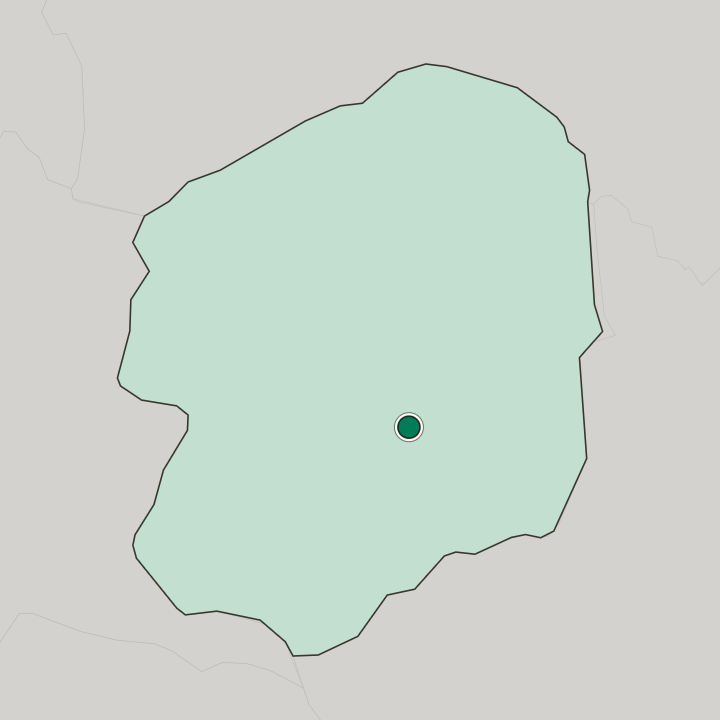
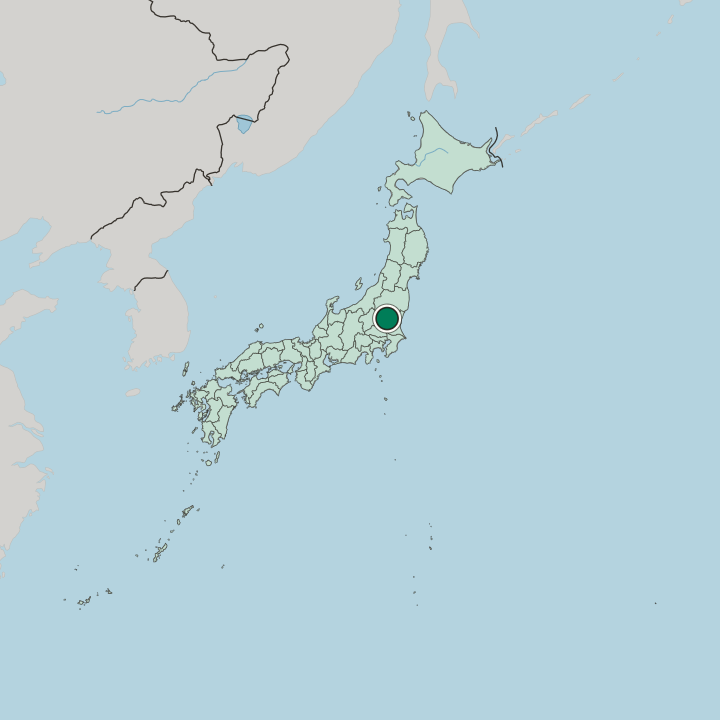
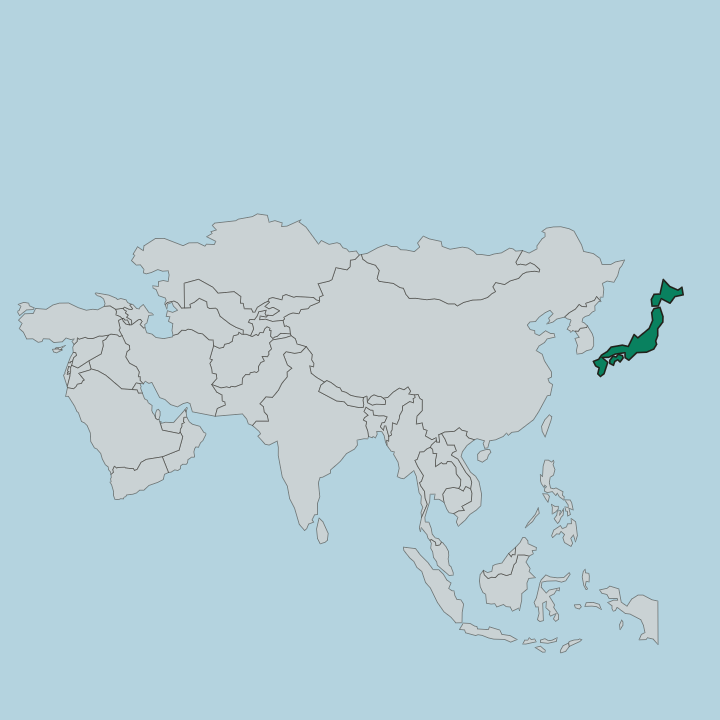
Utsunomiya lies in the centre of Tochigi Prefecture, in the northern Kantō region of Japan, where the plain begins to run up against the hills. Rivers flank it on both sides. They come down off the high ground to the north and pass either side of the built-up area, which sits on a low terrace of the volcanic rock the district is quarried for.
The mountains toward Nikkō close the view north west. South of town the plain runs flat toward Oyama.
What is the climate of Utsunomiya?
Utsunomiya calls itself the thunder city, and summer earns the name. Storms build over the mountains most afternoons. Heat and moisture climb the slopes toward Nikkō, break, and roll back down over the plain in the late hours, which is why the rain here arrives in short violent bursts rather than steady grey days.
Winter reverses the whole pattern. Cold wind comes off the northern ranges and frost sets hard on the stone.
How do you get to Utsunomiya?
Utsunomiya sits on the main Shinkansen line running north out of the Kantō plain. The station handles everything. Local trains branch from it toward Nikkō, Kanuma, Mooka and Oyama, a light rail line runs east across the city, and the buses for the Ōya quarries leave from the west forecourt.
Two expressways cross north of town. Most arrivals still come by rail.
Common questions
What is the best area to stay in Utsunomiya?
The station east side: Short business stays and early Shinkansen. The old centre: Walking to Futaarayama Shrine and the museums. The Ōya road: Drivers going underground or on to Nikkō.
Good for
More cities in Tochigi
Updated October 2026