Japan · Tochigi
Where to Stay in Sano, Tochigi
Sano is a city of Tochigi Prefecture known for Sano ramen, the Sano Yakuyoke Daishi Temple and the old ground of Karasawa Castle.
Hotel links are affiliate links: booking through them may earn us a commission, at no extra cost to you. It never affects how places are ranked. How this works


Where to stay in Sano
Where visitors usually base themselves, and why.
The temple side suits a first night. Sano Yakuyoke Daishi Temple pulls the steadiest stream of visitors, and a room within reach of it puts the morning's errand and the evening's bowl of Sano ramen within one short walk. Shoppers choose otherwise.
The outlet mall is the city's other magnet, and a bed near it trades atmosphere for parking, which matters to anyone arriving by car from Ashikaga or Tatebayashi. Sano ramen is reason enough to sleep in town rather than commute in for a single bowl. Karasawa Castle asks for a different base.
A car helps here, and a stay chosen around the castle works best for a traveller who is happy to drive back into the centre for the evening. The municipality covers a lot of ground. Neighbours widen the choice.
Sano borders Ashikaga, Tatebayashi, Tochigi, Kanuma and Midori, so a traveller who finds the city full has five adjacent places to fall back on without giving up the day's plan. The Yoshizawa Memorial Museum of Art, Sano and the Sano City Museum fit an afternoon between the temple and the mall, which keeps one base workable.
Find hotels in Sano
Direct booking searches for these neighbourhoods.
By Sano Yakuyoke Daishi Temple
The temple draws the city's steadiest stream of visitors, and the ramen belongs to the same errandFind hotels in By Sano Yakuyoke Daishi TempleDrivers arriving from Ashikaga or Tatebayashi with shopping in mindNear the outlet mall
The mall is the city's other magnet and the side of town where parking is taken for grantedFind hotels in Near the outlet mallCastle ground and the Tōseki Art Museum on a driving dayToward Karasawa Castle
Sano's older ground lies out from the shops, which suits a traveller content to drive back for dinner. Beds are limited here, so book early.Find hotels in Toward Karasawa CastleHotel links are affiliate links: booking through them may earn us a commission, at no extra cost to you. It never affects how places are ranked. How this works
About Sano
Ramen carries the name.
What is Sano known for?
Sano ramen is made locally and travels further than the city does, and the Sano Yakuyoke Daishi Temple draws its own traffic to a place otherwise better known for an outlet mall. Cricket adds an unexpected line. Sano has drawn international notice as the base of cricket in Japan.
The museums are quieter. The Sano City Museum, the Yoshizawa Memorial Museum of Art, Sano and the Tōseki Art Museum divide the collections between them.
What are the main landmarks in Sano?
Karasawa Castle is the oldest name on the list. Sano Yakuyoke Daishi Temple carries the religious side and the visitors, while the Sano City Museum, the Yoshizawa Memorial Museum of Art, Sano and the Tōseki Art Museum divide the collections between them. Older ground turns up too.
Izuruhara Site records a settlement excavated within the municipality.
What is the history of Sano?
Settlement here predates the castle. Izuruhara Site marks excavated ground inside what is now the municipality, and Karasawa Castle carries the record forward into the age when this district was held from a castle rather than an office. The temple belongs to that older order.
Sano Yakuyoke Daishi Temple has outlasted the castle as a working destination, and it still brings people into the city for reasons that have nothing to do with shopping. The excavated site and the castle sit in the same account of the district, one recording who lived here and the other recording who held it. The modern city dates from 1943.
Sano was constituted then, and the municipality that resulted runs up against Ashikaga, Tatebayashi, Tochigi, Kanuma and Midori. Ramen came to stand for the place. Sano ramen is the local variety, and the name travels with the dish rather than with the castle or the temple that shaped the earlier centuries here.
Cricket arrived far later. Sano has become the base of cricket in Japan, an international turn for a city otherwise known for its temple, its castle ground and its ramen. The Sano City Museum holds the civic side of that story, while the Yoshizawa Memorial Museum of Art, Sano and the Tōseki Art Museum hold the art.
Where is Sano?
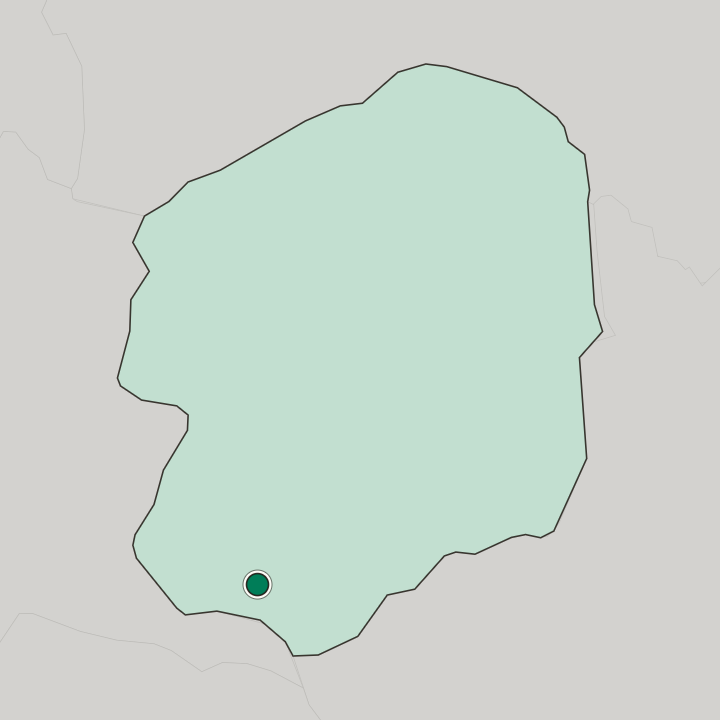
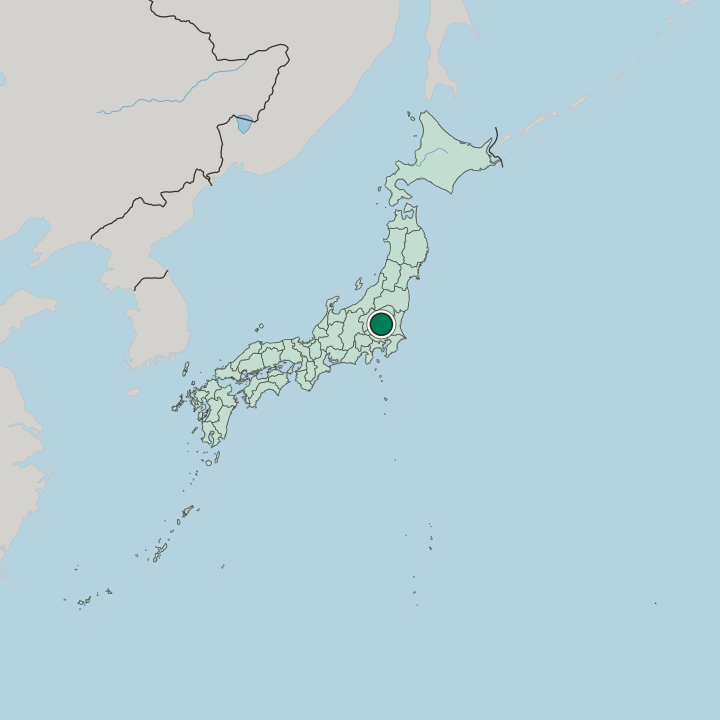
Sano's territory runs wide. The municipality reaches out to Ashikaga, Tatebayashi, Tochigi, Kanuma and Midori, which gives the city five neighbours and a working area much larger than its built-up core suggests. Karasawa Castle belongs to that wider area.
A temperate band sets the year. Izuruhara Site marks one of the older recorded points inside the same municipal boundary.
What is the climate of Sano?
Winter is the season for ramen. Sano lies in the temperate band of the northern hemisphere, so the year swings between a hot, humid summer and a cold stretch when a bowl of Sano ramen does more work than any sight. Rain sends visitors indoors.
The Sano City Museum and the Tōseki Art Museum absorb a wet afternoon, while the walk around Karasawa Castle wants dry footing.
How do you get to Sano?
Roads from Ashikaga, Tatebayashi and the other neighbours carry nearly everyone in. Sano sits next to Ashikaga, Tatebayashi, Tochigi, Kanuma and Midori, which puts five neighbouring cities within an ordinary drive and makes the outlet mall an easy detour for anyone crossing Tochigi Prefecture. The temple pulls its own traffic.
Sano Yakuyoke Daishi Temple and the cricket that has given the city international notice both draw visitors from beyond Tochigi Prefecture.
Common questions
What is the best area to stay in Sano?
By Sano Yakuyoke Daishi Temple: Early temple visits followed by a bowl of Sano ramen. Near the outlet mall: Drivers arriving from Ashikaga or Tatebayashi with shopping in mind. Toward Karasawa Castle: Castle ground and the Tōseki Art Museum on a driving day.
Good for
More cities in Tochigi
Updated September 2026