Japan · Tochigi
Where to Stay in Oyama, Tochigi
Oyama is a junction city in southern Tochigi Prefecture, Japan, where the Oyama City Museum and the Kurumaya Museum of Art hold the local record.
Hotel links are affiliate links: booking through them may earn us a commission, at no extra cost to you. It never affects how places are ranked. How this works


Where to stay in Oyama
Where the beds are, and what that means for the visit.
The station side is the practical base. Oyama sits on a major rail junction, so a room within walking distance of the platforms lets a traveller keep the day's plan loose and still reach Utsunomiya or the smaller towns of southern Tochigi Prefecture without a car. Art and history argue for somewhere else.
The Oyama City Museum and the Kurumaya Museum of Art reward a slower morning, and a bed near them turns a change of trains into an actual visit rather than a gap between departures. Old ground makes a third option. The Teranohigashi Site, the Ozakata site and the Otomefudōhara Tile Kiln lie across the wide municipal area around the city, and a stay chosen for those asks for a car or a patient bus timetable rather than a platform.
Nakakuki Castle belongs to the same errand. Beds thin out quickly away from the centre. Anyone booking for the New Ginger Museum or the Okada Memorial Hall should still check the junction quarter first, since that is where the city's transport concentrates and where an early train out is least trouble.
Find hotels in Oyama
Direct booking searches for these neighbourhoods.
The junction quarter
The junction platforms sit at the centre of the city's transport, so the first train out is the shortest walk of the morningFind hotels in The junction quarterSlow mornings at the Oyama City Museum and the Kurumaya Museum of ArtNear the Oyama City Museum
Two collections within easy reach of one another turn a change of trains into a full day in the cityFind hotels in Near the Oyama City MuseumVisits built around the Teranohigashi Site and the Otomefudōhara Tile KilnOut toward the excavated sites
The archaeological ground lies scattered across the municipality, which rewards a car far more than a bus timetable. Beds are limited here, so book early.Find hotels in Out toward the excavated sitesHotel links are affiliate links: booking through them may earn us a commission, at no extra cost to you. It never affects how places are ranked. How this works
Things to do in Oyama
Ranked by global recognition; descriptions from Wikidata (CC0).
Museums & Galleries
1- Kurumaya Museum of Art Heritage
Castles & Historic Sites
3- Teranohigashi Site Heritage
- The Site of Shimotsuke Provincial Government
- Yūki temple ruins
Stadiums & Sports
1- Tochigi City Stadium
worth knowingacross 3 categories in Oyama
About Oyama
Trains made its name.
What is Oyama known for?
Oyama works above all as a major train junction, and a good share of travellers pass through it on a platform change rather than on a night's stay, which leaves the museums quiet. The Kurumaya Museum of Art and the Oyama City Museum carry the art and the civic record. Excavated ground counts too.
The Teranohigashi Site and the Ozakata site sit among the archaeological places listed around the city.
What are the main landmarks in Oyama?
The Site of Shimotsuke Provincial Government anchors the older layer. Excavations at the Teranohigashi Site, the Ozakata site and the Yūki temple ruins have left a run of marked ground across the district, and the Shimotsuke Fudoki-no-Oka Material Museum gathers what came out of them. Two museums sit closer to town.
The Kurumaya Museum of Art and the Tsukada Museum of History and Legend hold the collections, while the New Ginger Museum takes an odder subject entirely.
What is the history of Oyama?
Government came first. The Site of Shimotsuke Provincial Government marks the seat that once administered Shimotsuke, and the excavated ground at the Ozakata site, Shimofurudate Site and the Teranohigashi Site pushes the record of settlement here well behind any of the museums. Kilns worked the same soil.
The Otomefudōhara Tile Kiln shows builders firing their own roof tiles, while the Yūki temple ruins mark religious ground now read from foundations rather than walls. Roads and rails came much later, but the country around Oyama had already carried a provincial seat, a temple and a working kiln long before any junction was laid across it. Castles followed.
Nakakuki Castle belongs to the medieval layer of the same district, and its remains sit alongside the older sites rather than replacing them in the local account. The modern city is much younger. Oyama was constituted as a municipality in 1954, and by 2006 it had moved into second place in Tochigi Prefecture behind the prefectural capital at Utsunomiya.
Museums keep the thread. The Oyama City Museum, the Tsukada Museum of History and Legend and the Okada Memorial Hall hold the documents and objects that the excavations and the castle left behind.
Where is Oyama?
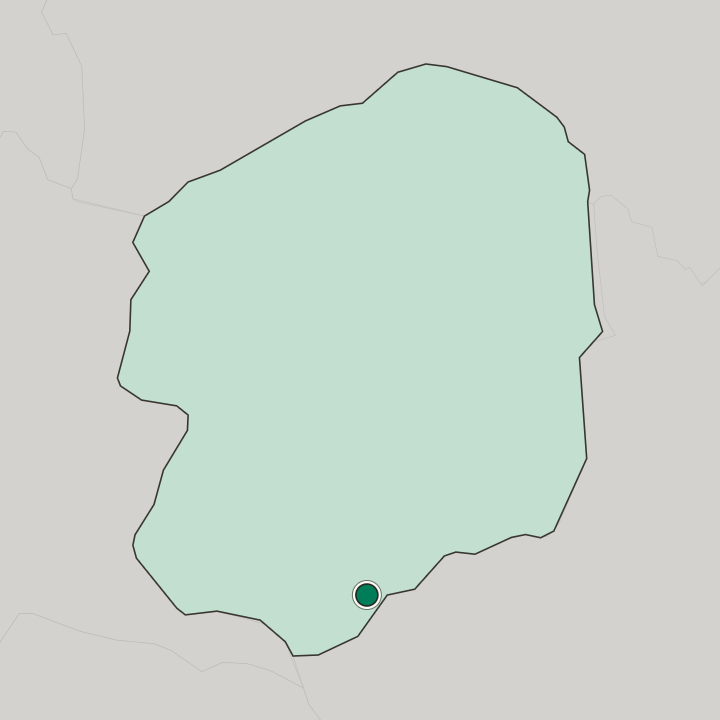
Oyama covers a broad municipal area in southern Tochigi Prefecture. Its sites sit far apart. The Teranohigashi Site, the Ozakata site and the Otomefudōhara Tile Kiln lie scattered across that ground rather than gathered into one quarter, which is why the city reads as a district with a centre rather than as a single walkable town.
A temperate band governs the year here. Utsunomiya, the prefectural capital, remains the larger place in Tochigi Prefecture, and Oyama holds the position directly behind it.
What is the climate of Oyama?
The seasons arrive in full. Oyama sits inside the temperate band of the northern hemisphere, which gives southern Tochigi Prefecture a clear split between a cold half of the year and a warm one. Wet afternoons have somewhere to go.
The Oyama City Museum, the Kurumaya Museum of Art and the New Ginger Museum take the indoor hours, while the excavated ground at the Teranohigashi Site walks far better dry.
How do you get to Oyama?
This is a railway town first. Oyama stands as a major train junction, and a large share of the people who pass through change platforms and carry on rather than leaving the concourse at all. That makes arrival easy and departure easier.
Utsunomiya, the prefectural capital, is the other pole of Tochigi Prefecture, and the smaller towns nearby are reached through the junction rather than around it.
Common questions
What is the best area to stay in Oyama?
The junction quarter: Travellers pairing Oyama with Utsunomiya on one rail day. Near the Oyama City Museum: Slow mornings at the Oyama City Museum and the Kurumaya Museum of Art. Out toward the excavated sites: Visits built around the Teranohigashi Site and the Otomefudōhara Tile Kiln.
Good for
More cities in Tochigi
Updated September 2026