Lebanon
Mohafazat Baalbek-Hermel, Lebanon — Towns & Travel Guide
Baalbek-Hermel is Lebanon's largest governorate, holding the Roman temples of Baalbek and the northern Beqaa Valley.
Hotel links are affiliate links: booking through them may earn us a commission, at no extra cost to you. It never affects how places are ranked. How this works


Towns & cities in Mohafazat Baalbek-Hermel
How the towns here differ, and where visitors usually base themselves.
Baalbek is the obvious base, a working town beside the temple sanctuary where most trips into the northern Beqaa begin. Hermel anchors the far north. It stands close to the Orontes springs and the pyramid-tomb of Kamouh el Hermel out on its plain, an hour and more from Baalbek across the valley floor.
Choose Baalbek to wake beside the ruins; choose Hermel for the Orontes country and the road toward the Deir Mar Maroun monastery in its gorge. Both are plain Beqaa towns. They cost far less than the coast.
About Mohafazat Baalbek-Hermel
One name carries this governorate: Baalbek.
What is Mohafazat Baalbek-Hermel known for?
Its capital holds the sanctuary the Romans built to Heliopolitan Jupiter, and the neighbouring Temple of Bacchus is among the best-preserved Roman temples anywhere on earth. Beyond the ruins, the land itself is the draw, filling the northern floor of the Beqaa Valley between two mountain walls. Mount Lebanon rises to the west and the Anti-Lebanon range walls off Syria to the east.
Farms run the length of that plain, and near Hermel the Orontes surfaces from its springs and turns north for Syria.
Where is Mohafazat Baalbek-Hermel?
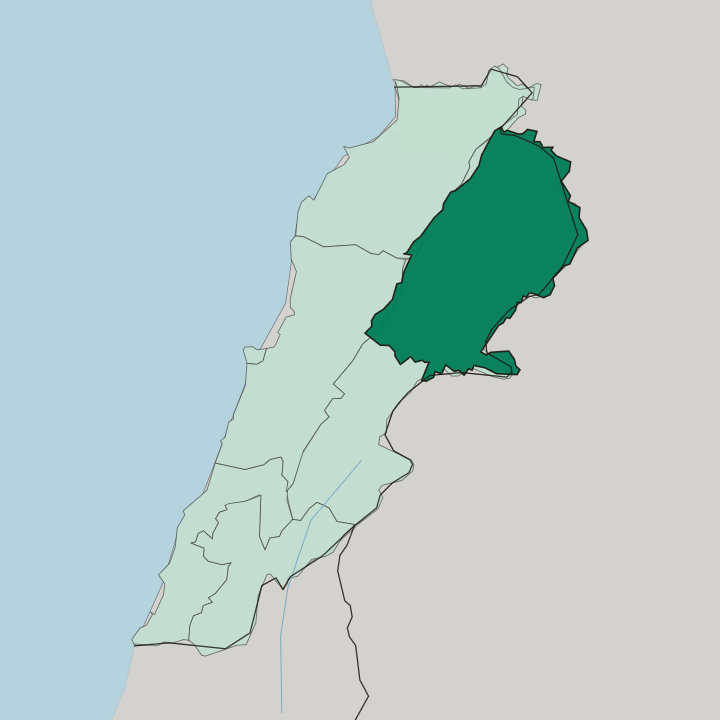
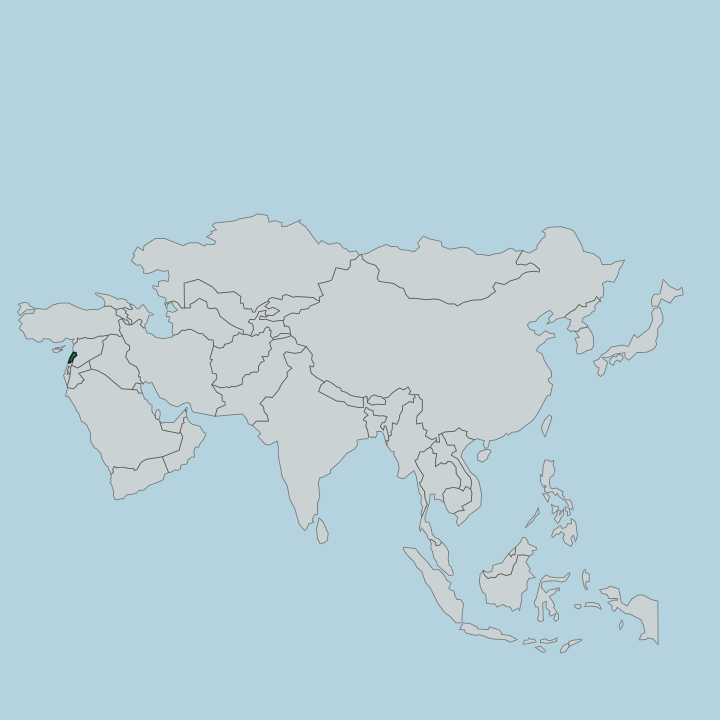
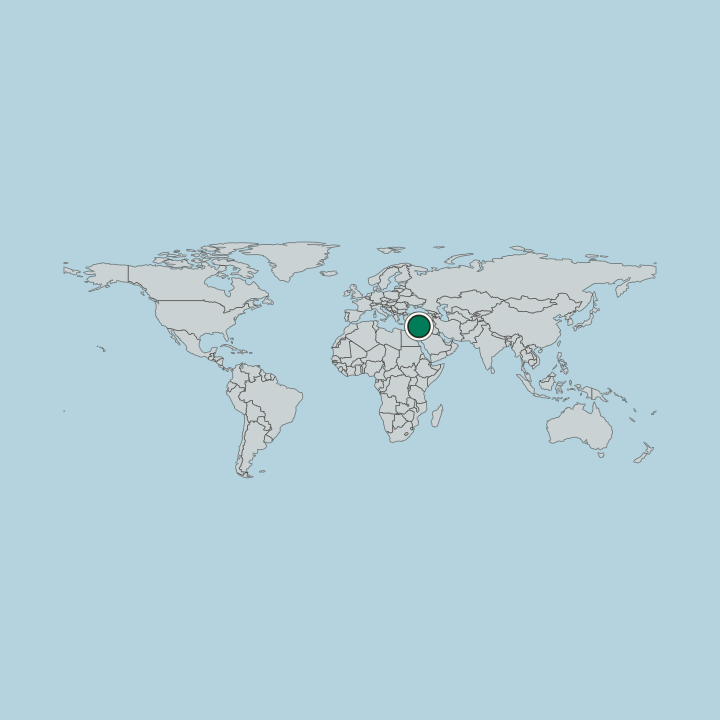
Baalbek-Hermel fills the north-eastern corner of Lebanon, the largest of the country's governorates by area. Two districts make it up, Baalbek and Hermel, with the capital at Baalbek. It takes in the northern floor of the Beqaa Valley, Lebanon's most important farmland, and two mountain ranges hem that plain.
Mount Lebanon rises along the western edge, and the Anti-Lebanon range runs down the east, carrying the border with Syria along its crest. Between them the valley floor stretches long and dry, rising gently toward Hermel in the north. Water defines the two ends of it.
The Litani gathers in the southern part of the plain and runs south, while near Hermel the springs of the Orontes break the surface and send that river north into Syria, both fed from the same high valley. Syria wraps the governorate to the north-east and south-east, and Lebanese governorates close the other sides, Akkar and the North to the west and the Beqaa proper to the south. Arsal and Ras Baalbek lie out toward the eastern mountains, the last Lebanese towns before the frontier.
Little of this land is far from a ridge. The mountains are always in view, and the whole governorate lives in the trough between them.
What is Mohafazat Baalbek-Hermel like?
The governorate is Shia country, and that identity colours daily life across the Beqaa plain. Villages here mark the Shia calendar, and the ashura season is observed with a seriousness the coast rarely matches. Baalbek carries a second, older layer on top of it.
The temple sanctuary the Romans raised to Jupiter and Bacchus still governs the town's skyline, and every summer the Baalbek International Festival stages concerts among those columns, one of the oldest such festivals in the region. Christian towns sit in the mix too. Deir el Ahmar and Ras Baalbek keep churches and monasteries along the western slopes and the eastern approaches, and near Hermel the rock-cut monastery of Deir Mar Maroun clings to the Orontes gorge, tied to the origins of the Maronite church.
Farming is the common thread. This is orchard and vineyard land, and much of Lebanon's fruit, grain and, less openly, its hashish comes off these fields. Arabic is the everyday language, spoken in the plain Beqaa manner.
Hospitality here is direct and generous, offered without ceremony.
What is the history of Mohafazat Baalbek-Hermel?
Baalbek-Hermel is a young administrative unit over very old ground. Lebanon carved it out of the Beqaa in 2003, splitting the Baalbek and Hermel districts off into a governorate of their own. The land beneath that line is another matter entirely.
Baalbek was the Phoenician cult centre the Greeks renamed Heliopolis, and under Rome its sanctuary to Jupiter grew into the largest temple complex the empire ever built. Pilgrims came from across the Roman east. The columns and terraces still standing were raised across the first two centuries of the era, and the site has been a UNESCO World Heritage property since 1984.
What is the climate of Mohafazat Baalbek-Hermel?
The northern Beqaa is dry. Shut off from the sea by Mount Lebanon, the plain lies in the range's rain shadow and sees far less rain than the coast, most of it falling in the three winter months around Hermel. Summers run hot and cloudless over the valley floor, but the altitude cools the nights sharply.
Winters are cold, and snow settles on the flanking ridges of Mount Lebanon and the Anti-Lebanon that frame the plain. It is a high, continental climate, harsher and drier than anywhere down on Lebanon's shore.
How do you get to Mohafazat Baalbek-Hermel?
Nearly everyone comes from Beirut. Lebanon's only civil airport sits on the coast at Beirut, and the road inland climbs over Mount Lebanon before dropping into the Beqaa toward Baalbek, roughly two hours by car. Shared vans run the same route through the valley junction at Chtaura.
No train serves Baalbek-Hermel. Once in the plain, the valley road threads north from Baalbek up to Hermel, and side roads climb east to Arsal and Ras Baalbek near the Syrian frontier.
Common questions
What is the best area to stay in Mohafazat Baalbek-Hermel?
Baalbek: waking beside the Baalbek temples. Hermel: the Orontes country and the Deir Mar Maroun gorge. Deir el Ahmar: the western foothills below Mount Lebanon.
Good for
More regions in Lebanon
Updated September 2026