Norway · Innlandet
Where to Stay in Innbygda, Innlandet
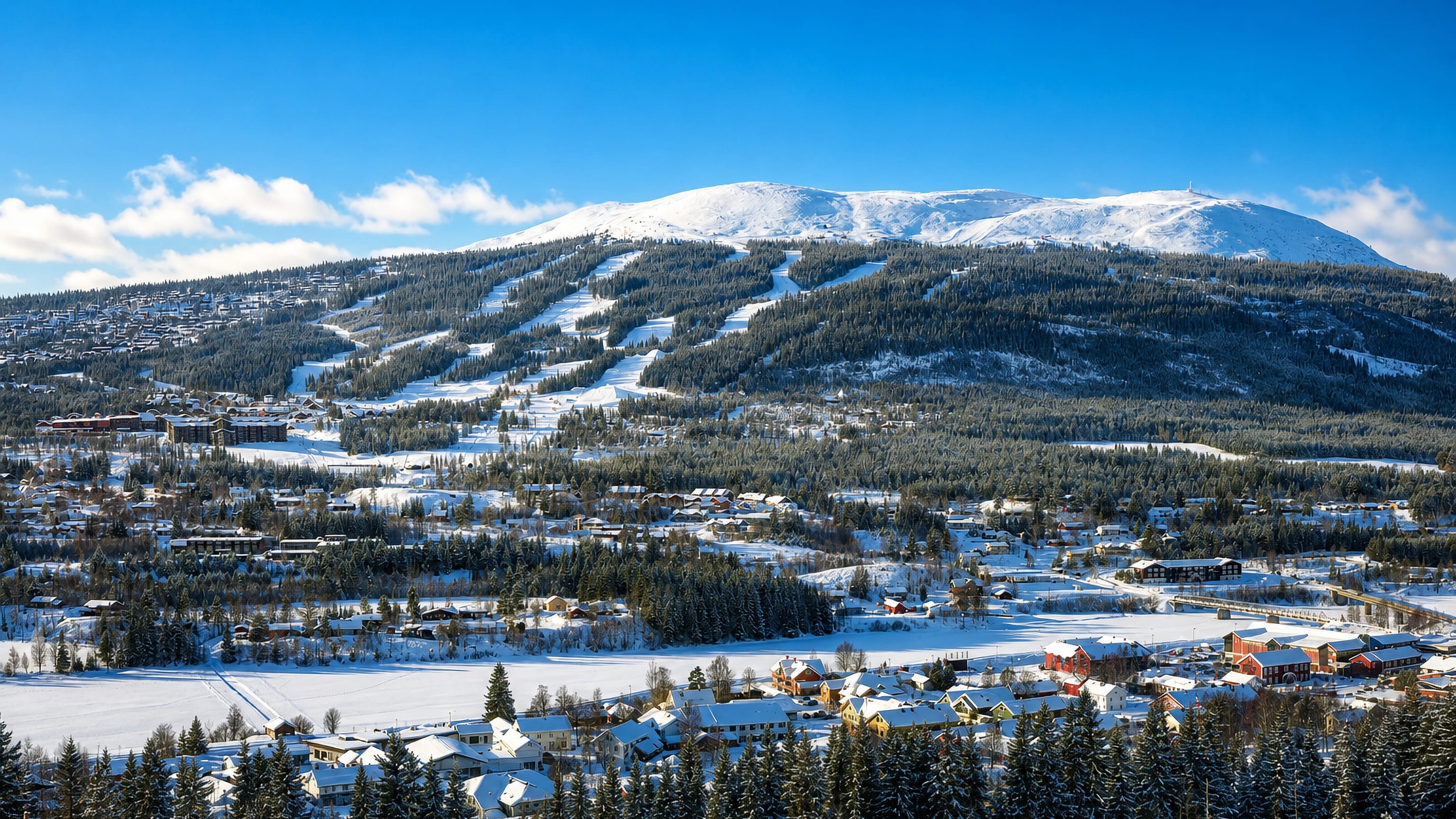
Innbygda is the centre of Trysil in eastern Innlandet, set on the river Trysilelva below the Trysilfjellet ski mountain.
Hotel links are affiliate links: booking through them may earn us a commission, at no extra cost to you. It never affects how places are ranked. How this works


Where to stay in Innbygda
The practical side of choosing where to sleep.
Most visitors stay in or near the centre of Innbygda, where hotels and tourist lodgings gather along the Trysilelva within sight of Trysil kirke. The centre suits travellers who want shops, the church, and a base by the river before heading up to the slopes. It works well in winter.
Beds here fill across the ski season, when skiers come for Trysilfjellet rising just above the village, so booking ahead through the cold months is wise for anyone arriving in the eastern part of Innlandet. Higher up, lodgings spread across the mountain itself. Cabins, apartments, and ski hotels stand on the flanks of Trysilfjellet above the village, putting guests at the lifts and pistes that draw most of the winter trade to Trysil.
Some prefer the slopes. Travellers wanting a quieter stay take cottages and farm rooms out along the Trysilelva toward Nybergsund to the south, a short drive from both the centre and the mountain.
Find hotels in Innbygda
Direct booking searches for these neighbourhoods.
Innbygda centre
hotels along the Trysilelva beside Trysil kirkeFind hotels in Innbygda centreguests who want ski-in lift accessTrysilfjellet slopes
cabins and ski hotels on the mountain's flanks above the villageFind hotels in Trysilfjellet slopestravellers after a quiet country baseRiver toward Nybergsund
cottages and farm rooms along the Trysilelva south of the centre. Rooms are few around here — worth securing early.Find hotels in River toward NybergsundHotel links are affiliate links: booking through them may earn us a commission, at no extra cost to you. It never affects how places are ranked. How this works
About Innbygda
What is Innbygda known for?
Innbygda is known as the village at the foot of Trysilfjellet. The mountain above the centre carries one of Norway's larger ski areas, and the village along the Trysilelva serves as the gathering point for the wider municipality of Trysil, drawing skiers in winter and walkers through the warm months. Trysil kirke marks its heart.
Hotels and tourist businesses cluster here because the slopes rise so close, and the river running through gives the small administrative centre in eastern Innlandet its shape.
What are the main landmarks in Innbygda?
Trysil kirke stands at the heart of Innbygda, the parish church serving the village and the farms around it. Above rises the mountain. Trysilfjellet looms over the centre with its ski runs, while the Trysil/Engerdal museum keeps the local history of the valley, and the Trysilelva threads through the village below the slopes.
Together the church, the museum, and the mountain mark out this small centre in the eastern reach of Innlandet.
What is the history of Innbygda?
Innbygda grew as the church village of Trysil. Trysil kirke at its centre drew the scattered farms of the valley together, and the settlement along the Trysilelva became the gathering point for the parish long before tourism reached the mountain above it. Farming and forest filled the early years.
The river carried timber down the valley toward the lowlands of Østlandet. The modern village took its shape from the slopes. As Trysilfjellet developed into a ski area through the twentieth century, hotels and tourist businesses rose in Innbygda to serve the visitors climbing to the lifts, turning the old church village into the busy administrative centre of the municipality in eastern Innlandet.
The Trysil/Engerdal museum keeps that older valley life. Trysil kirke still stands above the Trysilelva, tying the modern ski-resort centre to the farming parish that first gathered around it, a few kilometres north of Nybergsund.
Where is Innbygda?
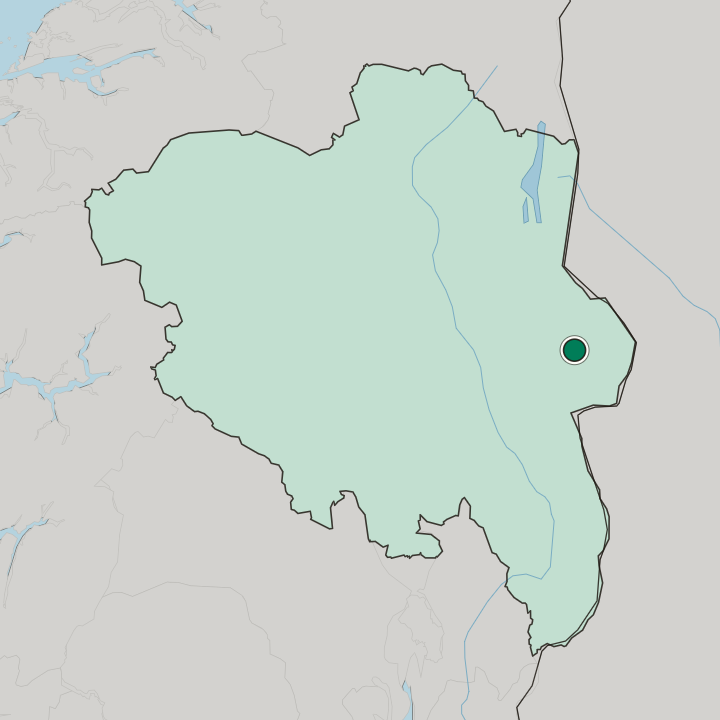
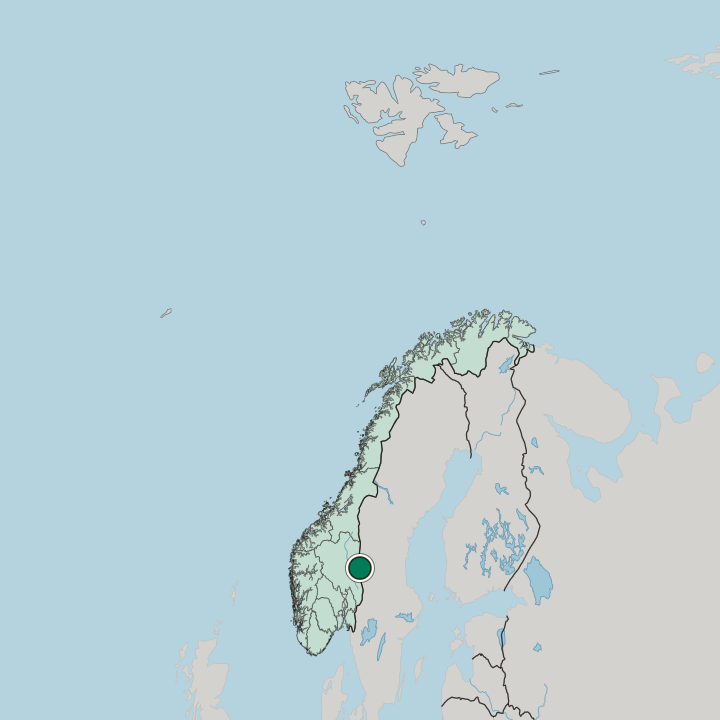
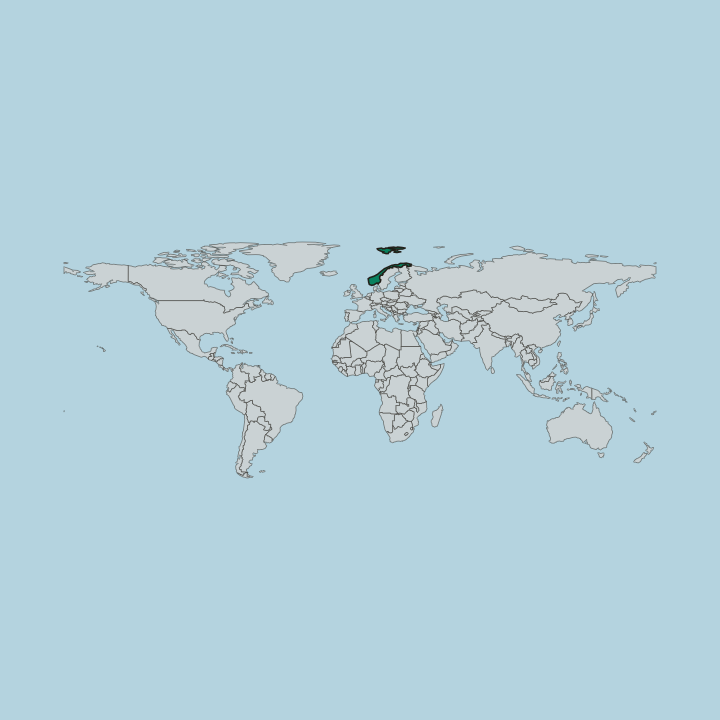
Innbygda lies in the eastern part of Innlandet, in south-eastern Norway (Østlandet), set along the river Trysilelva below Trysilfjellet. The village sits on the valley floor where the river runs, with forested ridges and the ski mountain rising on either side and the farms spreading along the banks. Woods climb the slopes all around.
The Trysilelva flows on south past Nybergsund through the long forested valley of Trysil, draining this eastern border country toward the wider lowlands.
What is the climate of Innbygda?
Innbygda has a cold continental climate shaped by its inland valley setting near the Swedish border. Winters are long and snowy, the deep cold and reliable snowpack on Trysilfjellet drawing the ski crowds to the slopes above the village from early in the season through the spring. Snow lies thick for months.
Summers turn short and mild along the Trysilelva, with long northern daylight stretching the evenings late around midsummer, the green season for walking the forested ridges of the valley around the centre.
How do you get to Innbygda?
Innbygda sits in the forested valley of Trysil, reached mainly by road from the lowlands to the west. Buses and the main valley road run through the centre along the Trysilelva, climbing in from the larger towns of Østlandet and on past Nybergsund to the south. Most visitors come by car.
The drive crosses long stretches of forest and ridge to reach the village below Trysilfjellet, and the nearest airports lie well to the west, so road travel carries the bulk of the winter ski traffic into the eastern part of Innlandet.
Common questions
What is the best area to stay in Innbygda?
Innbygda centre: skiers wanting shops and the church by the river. Trysilfjellet slopes: guests who want ski-in lift access. River toward Nybergsund: travellers after a quiet country base.
Good for
More cities in Innlandet
Updated September 2026