Norway · Innlandet
Where to Stay in Vang, Innlandet
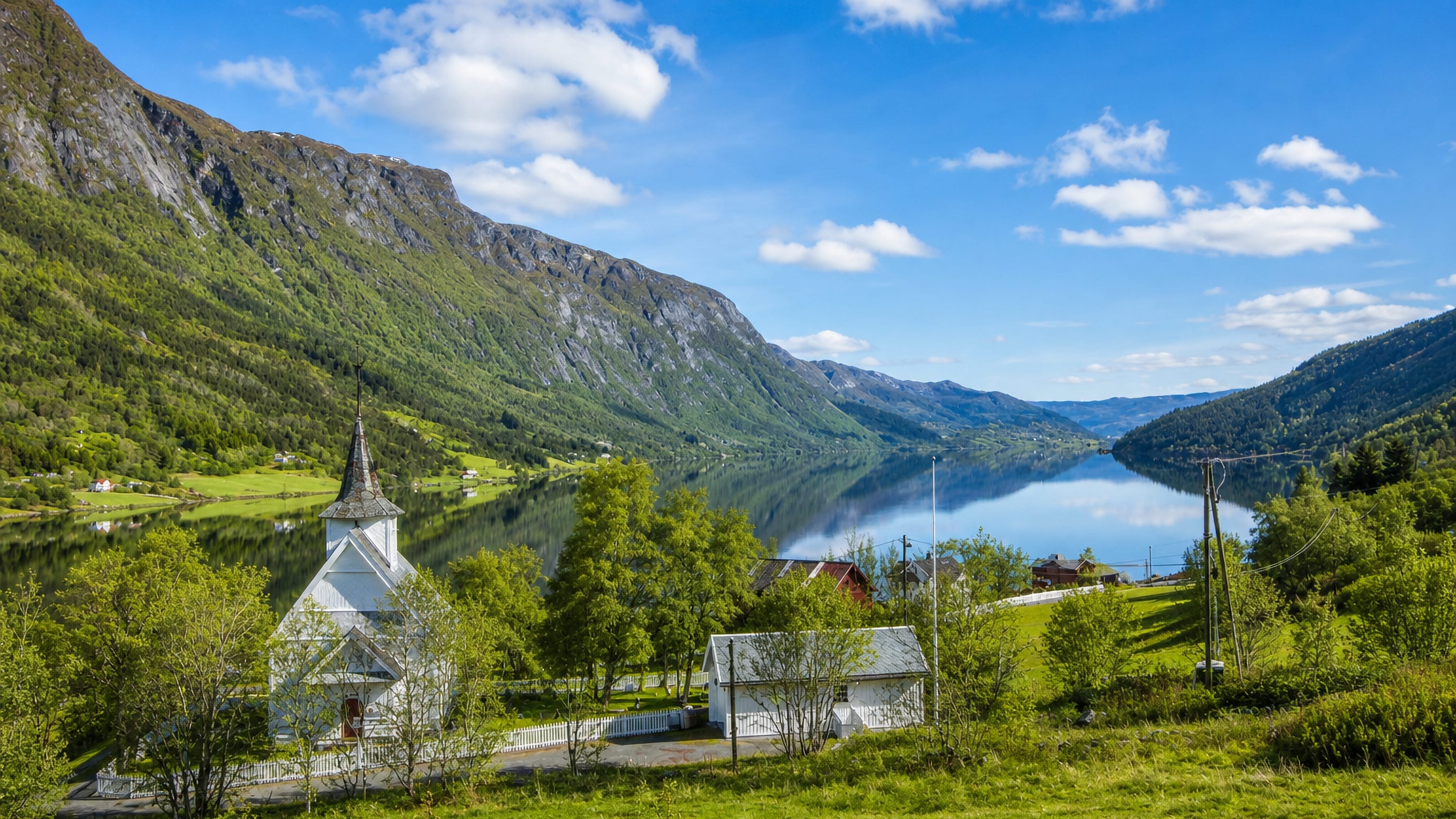
Vang is a mountain parish in upper Valdres, high in south-eastern Norway, in Innlandet.
Hotel links are affiliate links: booking through them may earn us a commission, at no extra cost to you. It never affects how places are ranked. How this works


Where to stay in Vang
The practical side of choosing where to sleep.
Beds in Vang are few and spread along the valley road rather than gathered in a single centre. Around Vang kirke a small cluster of rooms and guest lodgings serves travellers stopping in the parish, within reach of the shop, the bus stop and the waters of upper Valdres. The kirke makes the hub.
Higher up by Øye kirke and the mountain crossings, cabins and roadside lodgings take in drivers and skiers breaking the long haul over the high passes into the west. Those rooms fill in winter. Out on the slopes near Heensåsen kirke, farm stays and holiday cabins sit among the scattered holdings, a quiet base for walkers and anglers working the high country of Vang.
Rooms run short everywhere in Vang. Book well ahead in the ski season and at midsummer, when the mountains of this corner of Innlandet draw what visitors the parish sees.
Find hotels in Vang
Direct booking searches for these neighbourhoods.
Vang kirke and the valley road
the small lodging cluster around Vang kirke and the valley shop. Beds are limited here, so book early.Find hotels in Vang kirke and the valley roadskiers and drivers crossing the high passes westØye and the mountain crossings
cabins by Øye kirke at the head of upper Valdres. Lodging is scarce in this area; reserve in advance.Find hotels in Øye and the mountain crossingswalkers and anglers working the Vang high countryHeensåsen slopes
farm stays on the slopes near Heensåsen kirke. Few places to stay nearby — book ahead.Find hotels in Heensåsen slopesHotel links are affiliate links: booking through them may earn us a commission, at no extra cost to you. It never affects how places are ranked. How this works
About Vang
What is Vang known for?
Vang lies at the head of the Valdres valley, where the road climbs toward the high passes of the western mountains. Its churches give the parish its name on the map: Vang kirke marks the centre, Øye kirke keeps the old stave-church tradition by the upper waters, and Heensåsen kirke stands among the farms on the slopes. The mountains rule here.
Standing apart from the larger towns lower in the valley, Vang serves the scattered farms and the travellers who cross the high ground of upper Valdres in Innlandet.
What are the main landmarks in Vang?
The churches are the fixed marks of Vang. Vang kirke stands at the centre of the parish, the gathering point for the farms of the valley. Øye kirke holds the older line of building, a stave church kept by the upper waters where the road climbs west, while Heensåsen kirke rises among the holdings on the slopes above the floor of upper Valdres. Three churches anchor the parish.
Between them they map the scattered settlement that makes up Vang in the high country of Innlandet, with the mountains closing every view beyond the farms.
What is the history of Vang?
Vang took shape as a parish of scattered farms at the head of the Valdres valley. The high ground gave only narrow strips of tillage along the water and the slopes, and the people built their churches to gather a settlement that never drew into a single town. Faith fixed the centre. Øye kirke carried the old stave-church craft by the upper waters, Vang kirke rose to serve the heart of the parish, and Heensåsen kirke marked the farms higher on the hills, the three together holding the community of upper Valdres.
The valley road made the parish a place of passage as well as a place to live. Travellers crossing the high passes between the eastern lowlands and the western fjords came through Vang, and the lodgings and farms along the route took them in. Through the long centuries the parish kept its mountain character, its churches standing where the first builders set them, and Vang remained a thinly settled high district of Valdres in Innlandet rather than a town, shaped always by the mountains that ring it.
Where is Vang?
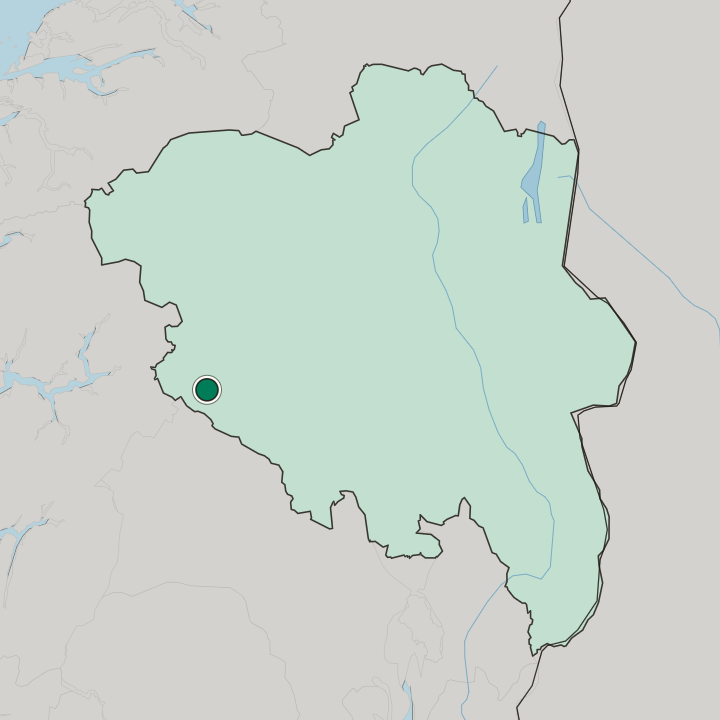
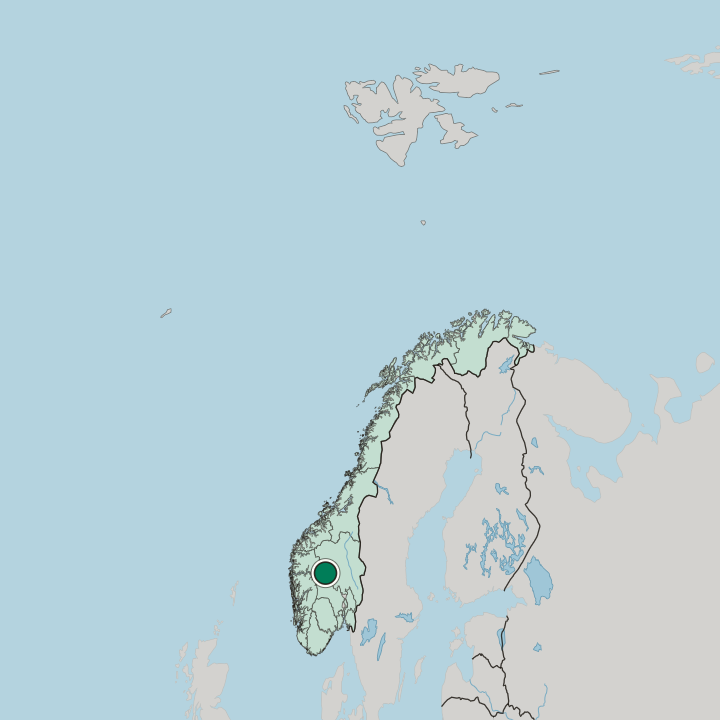
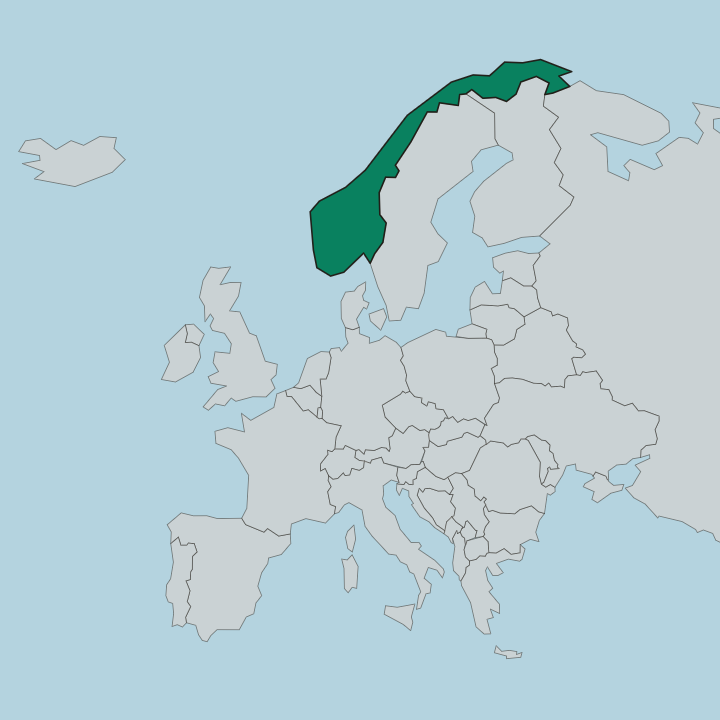
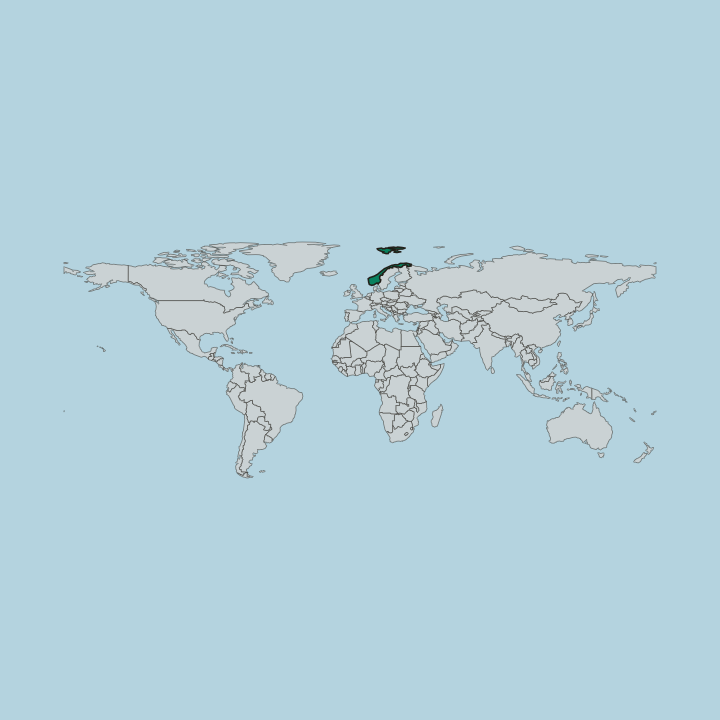
Vang lies at the head of the Valdres valley, in the south-western part of Innlandet, in south-eastern Norway. The farms strung along the valley floor and the upper waters where the road climbs toward the western passes, the centre held by Vang kirke. Mountains wall the parish on every side.
The settlement reaches up the slopes from the water toward Heensåsen kirke and along the high crossings past Øye kirke, taking in the scattered holdings and high pasture that make up this corner of upper Valdres.
What is the climate of Vang?
Vang carries the harsh climate of the high Valdres mountains. Winters bite hard and long at this height, deep snow lying over the farms and the upper waters past Vang kirke for many months, which makes the parish a base for ski touring across the high passes. Summers stay brief and cool.
The thin mountain air dries quickly and the nights turn cold even at midsummer, when the long northern light reaches the slopes by Heensåsen kirke and the high country of upper Valdres in Innlandet.
How do you get to Vang?
Vang sits on the main road over the high passes of upper Valdres toward the western fjords. Buses crossing between the eastern lowlands and the coast stop in the parish near Vang kirke, the chief link for travellers without a car. Most come by road.
The mountain route carries drivers and skiers up through Vang past Øye kirke and the high crossings, climbing from the lower valley toward the west, while the far airports of Innlandet and the east handle the longer journeys into this high corner of Valdres.
Common questions
What is the best area to stay in Vang?
Vang kirke and the valley road: travellers stopping in the upper Valdres parish. Øye and the mountain crossings: skiers and drivers crossing the high passes west. Heensåsen slopes: walkers and anglers working the Vang high country.
Good for
More cities in Innlandet
Updated September 2026