Philippines · Calabarzon
Where to Stay in Tagaytay, Calabarzon
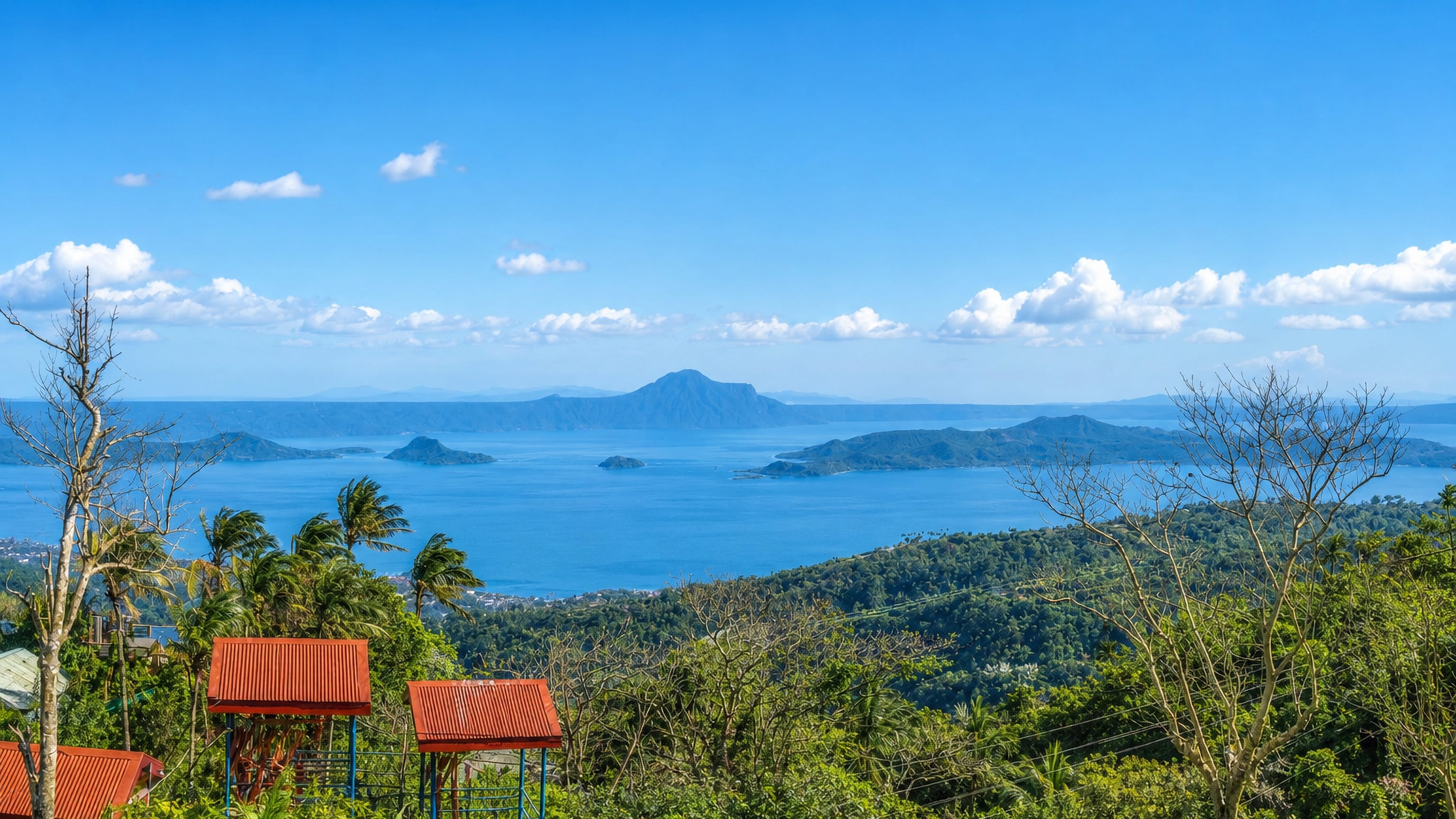
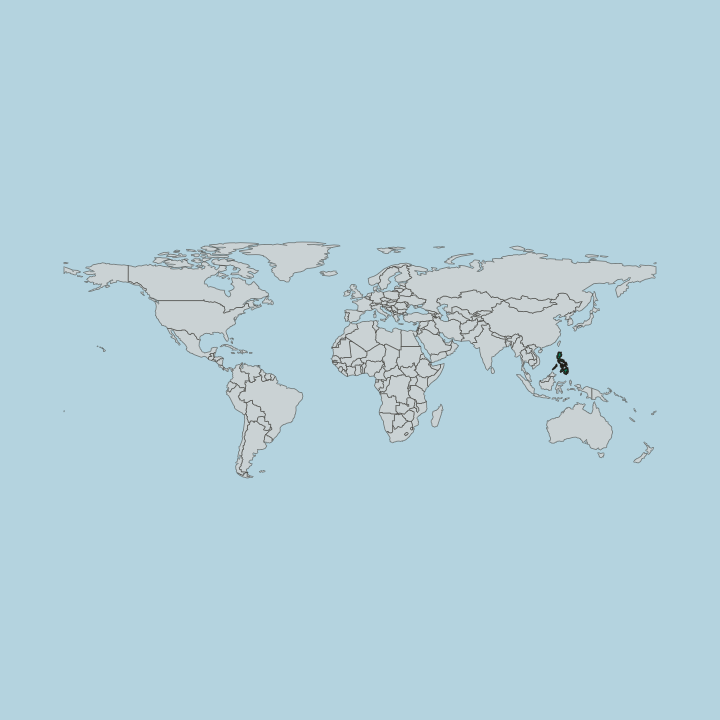
Tagaytay is a ridge city in Cavite, cool by Philippine standards, looking out toward Taal Volcano in neighbouring Batangas.
Hotel links are affiliate links: booking through them may earn us a commission, at no extra cost to you. It never affects how places are ranked. How this works


Where to stay in Tagaytay
The practical side of choosing where to sleep.
The ridge is the whole argument. Rooms along it face the Taal Volcano side, and that outlook, rather than any street or square, is what separates one Tagaytay address from another for most visitors arriving from Metro Manila. The city covers roughly sixty-five square kilometres, spread along the ridge rather than gathered into a single centre.
Cool nights come free. Not everything here is a view. The Puzzle Mansion is an indoor stop, the Bonifacio Shrine a commemorative one, and a bed placed with those in mind trades some of the outlook for a shorter walk to what the city holds on its own account.
Shopping malls sit on the same ridge road, along with the dining the city is known for. Batangas holds the volcano itself, so anyone whose main object is Taal Volcano at close range should expect to leave Cavite for part of the trip, and a Tagaytay base then works as a cool place to sleep rather than a doorstep. That suits you if the point of the trip is the air and the outlook, with the volcano as a day's excursion rather than the reason for the room.
Manila is an easy return.
Find hotels in Tagaytay
Direct booking searches for these neighbourhoods.
Ridge viewpoints
The ridge line where the Tagaytay viewpoints look across to Taal Volcano in Batangas.Find hotels in Ridge viewpointsAn indoor morning at the Puzzle MansionPuzzle Mansion side
The stretch nearest the Puzzle Mansion, an indoor collection rather than another lookout.Find hotels in Puzzle Mansion sideCommemorative ground at the Bonifacio ShrineBonifacio Shrine surrounds
The quarter holding the Bonifacio Shrine, the commemorative site Tagaytay carries.Find hotels in Bonifacio Shrine surroundsEating out along the Tagaytay ridge roadMall and dining strip
The ridge road carrying the shopping malls and the dining Tagaytay is known for.Find hotels in Mall and dining stripHotel links are affiliate links: booking through them may earn us a commission, at no extra cost to you. It never affects how places are ranked. How this works
About Tagaytay
Viewpoints and cool air.
What is Tagaytay known for?
Tagaytay sits on a mountain ridge in Cavite and works as a mildly cool refuge from Manila, close enough to Metro Manila that its proximity is the thing most often noted about it. Taal Volcano supplies the view. The volcano and its lake lie in neighbouring Batangas rather than in the city itself, and Tagaytay adds religious sites and dining to the viewpoints, with shopping malls and the Puzzle Mansion arriving later.
What are the main landmarks in Tagaytay?
Two buildings hold the list. Puzzle Mansion is the odder of them, an indoor collection set against the open-air viewpoints, and the Bonifacio Shrine supplies the commemorative entry on a list that is short for a city this well known. Taal Volcano is not one of them.
The volcano and its lake sit across the boundary in Batangas, which makes the great sight of Tagaytay a view rather than a possession, seen from the scenic viewpoints the ridge provides.
What is the history of Tagaytay?
The city dates from 1938. That founding year places the city firmly in the twentieth century, and the record describes what came before plainly enough: a sleepy mountain town on a ridge, with none of the traffic that later found its way up from Metro Manila. Cool air changed that.
Tagaytay came to be called the unofficial Second Summer Capital of the Philippines, a title that rests on the mildly cool climate of the ridge and on how easily the city can be reached from Manila. The nickname stuck. Growth followed the visitors.
Scenic viewpoints came first, then religious sites and dining, and shopping malls arrived last, so the city's layers can be read in the order the record lists them rather than in any set of dated events. Two buildings anchor the named list. The Bonifacio Shrine commemorates the figure whose name it carries, and the Puzzle Mansion belongs to the later phase of attractions, an indoor collection rather than a memorial or a lookout.
Taal Volcano stayed in Batangas throughout, which is the quiet fact behind most of this history: the sight that made Tagaytay's reputation has never been inside Tagaytay at all. Cavite kept the ridge.
Where is Tagaytay?
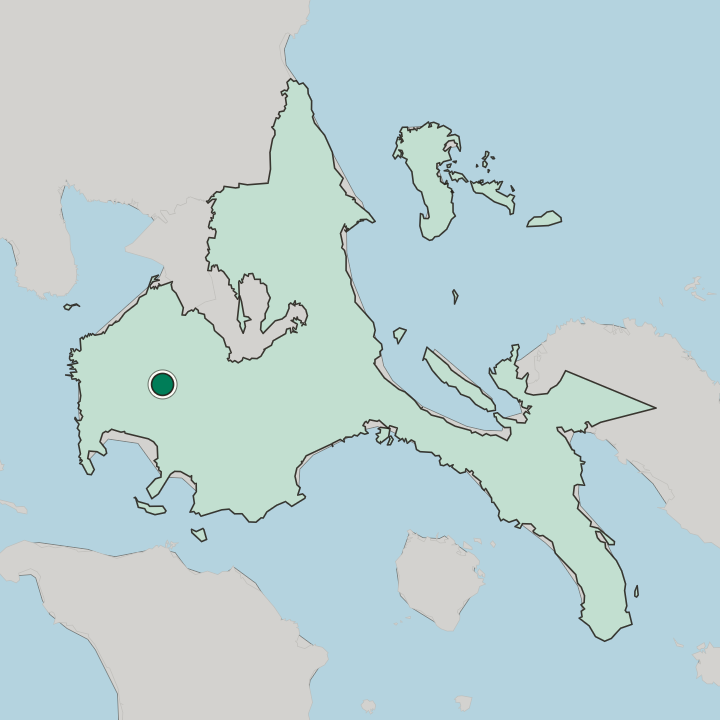
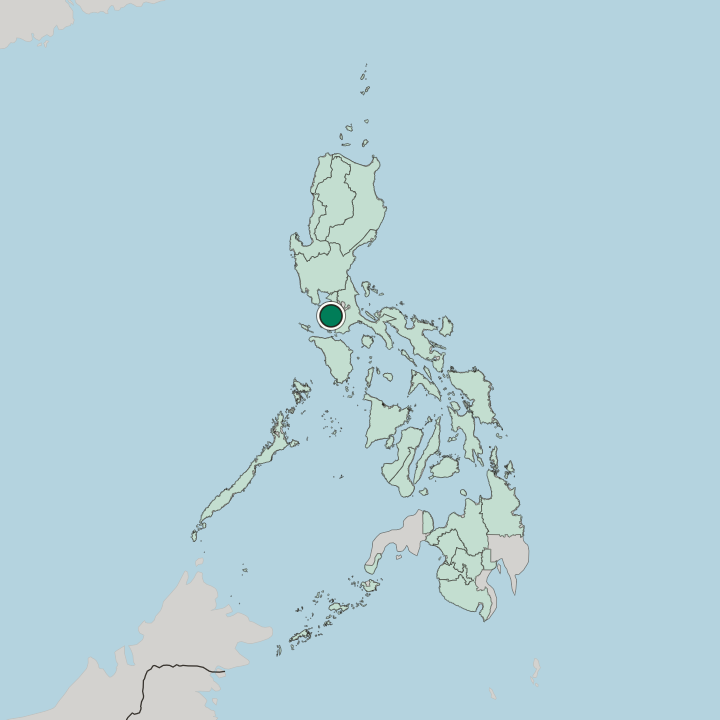
A ridge carries the whole city. Tagaytay covers roughly sixty-five square kilometres of high ground in Cavite, and that elevation is the single fact from which everything else follows, from the mildly cool air to the outlook the viewpoints sell. Taal Volcano lies beyond the boundary.
The volcano and the lake around it belong to Batangas, so the provincial line falls between the viewpoint and the thing viewed, while Metro Manila lies close enough that the trip up is short.
What is the climate of Tagaytay?
The ridge does the cooling. Tagaytay reads as a mildly cool refuge from the heat of Manila, and that difference of a few degrees is the reason the city took the shape it has rather than remaining another lowland town in Cavite. The tropics still set the calendar.
Wet and dry stretches replace cold and warm ones here as they do across the Philippines, and the mountain setting shifts the temperature rather than the seasons, so a visit is planned around rain and outlook instead of around frost or snow.
How do you get to Tagaytay?
Nearly everyone arrives from Metro Manila. Proximity to the capital region is the fact the record puts first about Tagaytay, and the approach is a road climb onto the ridge, since the record names no rail line or terminal serving the city. Cavite roads carry the traffic.
Anyone coming from the Taal Volcano side crosses in from Batangas instead, and either approach ends on the same ridge where the viewpoints, the malls and the dining sit.
Common questions
What is the best area to stay in Tagaytay?
Ridge viewpoints: Rooms facing the Taal Volcano outlook. Puzzle Mansion side: An indoor morning at the Puzzle Mansion. Bonifacio Shrine surrounds: Commemorative ground at the Bonifacio Shrine. Mall and dining strip: Eating out along the Tagaytay ridge road.
Good for
More cities in Calabarzon
Updated September 2026