Philippines · Central Luzon
Where to Stay in Bocaue, Central Luzon
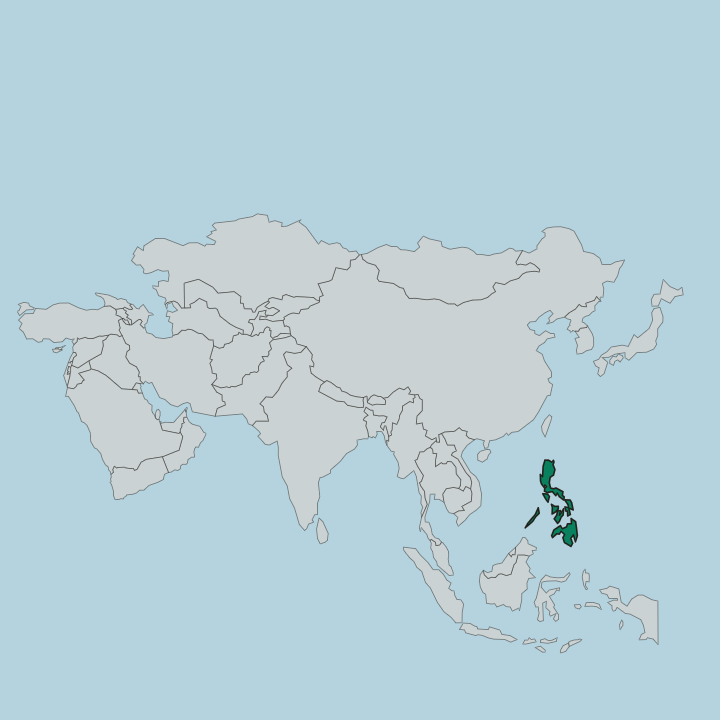
Fireworks made the name. Bocaue is a municipality in Bulacan, in the Central Luzon region of the Philippines.
Hotel links are affiliate links: booking through them may earn us a commission, at no extra cost to you. It never affects how places are ranked. How this works


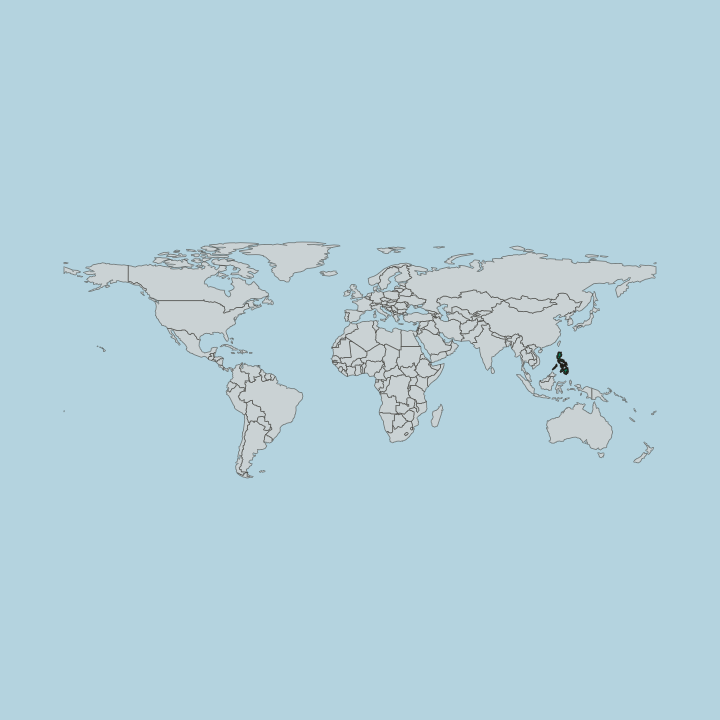
Where to stay in Bocaue
Where the beds are, and what that means for the visit.
Bocaue keeps to a tight patch of Bulacan. About 32 square kilometres hold the whole municipality, so a room anywhere inside it is within reach of the National Shrine of the Divine Mercy, the Philippine Sports Center and the fireworks shops that give the town its nickname. Choice narrows to which side.
The Divine Mercy shrine brings pilgrims. Our Lady of Mount Carmel Parish Church serves the older centre, and a stay near either puts a visitor among the parish streets rather than out by the event grounds where the crowds arrive for a match or a concert. Event nights change the arithmetic.
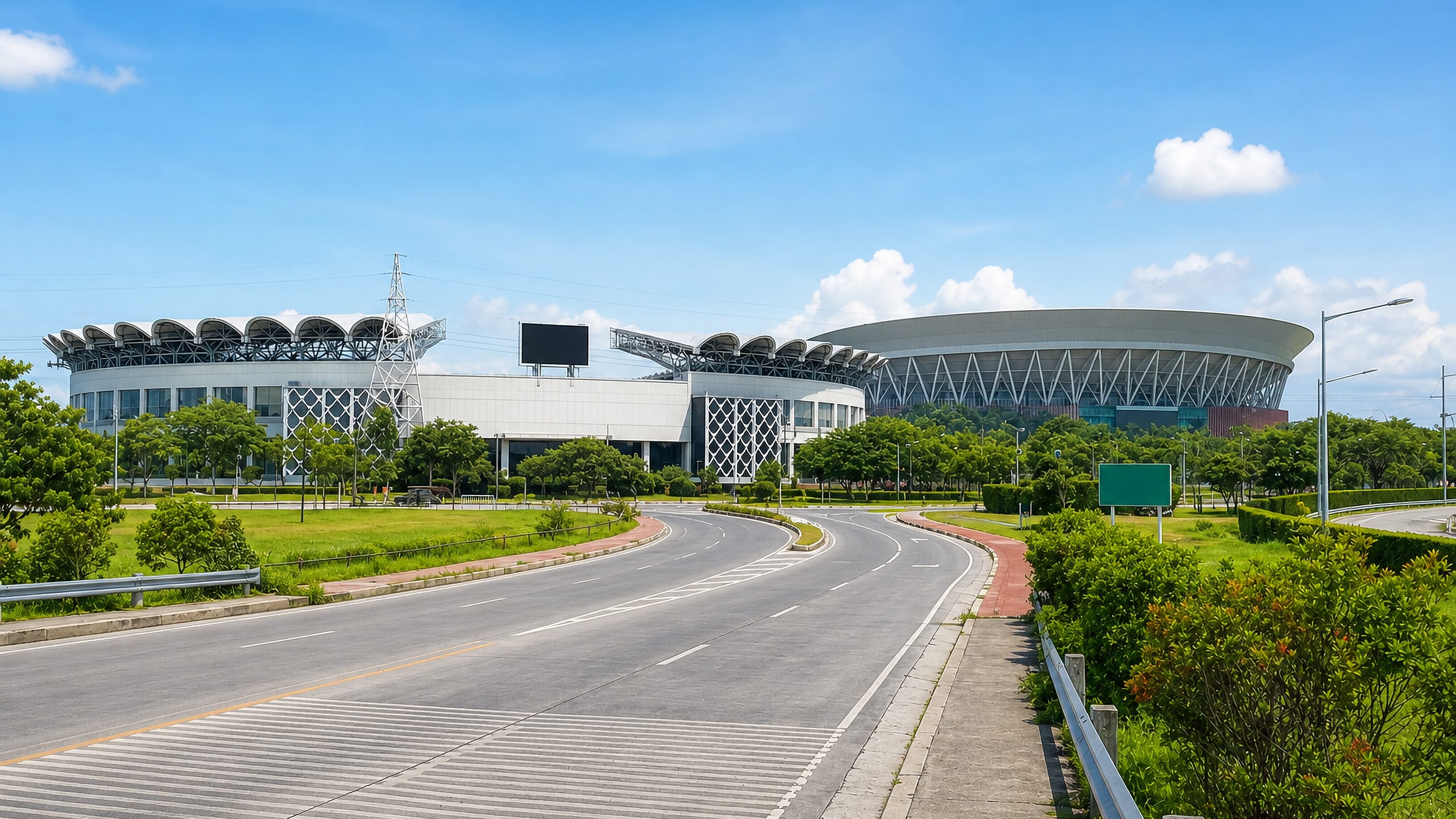
Rooms close to the Philippine Sports Center fill around whatever is scheduled there, which is worth checking before fixing a date. Bulacan surrounds the town on every side, and Bocaue works as well for a traveller moving through the province as for one who came specifically for the shrines, since Central Luzon's road traffic passes close. Two birthplaces are recorded here.
The Birthplace of General Gregorio del Pilar Historical Landmark and the shrine to Marcelo H. del Pilar give the municipality a claim on national biography that its size would not suggest.
Find hotels in Bocaue
Direct booking searches for these neighbourhoods.
Around the National Shrine of the Divine Mercy
The National Shrine of the Divine Mercy is the busiest devotional address in Bocaue, and rooms nearby are taken up by the visits it generates.Find hotels in Around the National Shrine of the Divine MercyOrdinary Bocaue streets around Our Lady of Mount Carmel Parish ChurchThe Our Lady of Mount Carmel parish quarter
Our Lady of Mount Carmel Parish Church anchors the older part of Bocaue, where the fireworks shops and the everyday errands of the municipality are found. Beds are limited here, so book early.Find hotels in The Our Lady of Mount Carmel parish quarterNights tied to an event at the Philippine Sports CenterBy the Philippine Sports Center
The Philippine Sports Center is where the crowds come, so a bed on this side of Bocaue saves the trip out on the evening of a fixture. Few places to stay nearby — book ahead.Find hotels in By the Philippine Sports CenterHotel links are affiliate links: booking through them may earn us a commission, at no extra cost to you. It never affects how places are ranked. How this works
About Bocaue
Fireworks are the trade.
What is Bocaue known for?
Bocaue is nicknamed the Fireworks Capital of the Philippines, and the manufacturers and shops that earn it that name sit in a municipality of only about 32 square kilometres in Bulacan. A fluvial parade draws crowds. The Philippine Sports Center adds another kind of gathering, and the record notes an indoor stadium here that it calls the largest in the world.
What are the main landmarks in Bocaue?
Six entries share a small town. The National Shrine of the Divine Mercy and Our Lady of Mount Carmel Parish Church cover the devotional side, while the Philippine Sports Center answers for everything that needs a roof and a crowd. Biography fills the rest of the list, and the Marcelo H. del Pilar Shrine is the first of three personal names recorded inside this municipality.
The Dr. Pio Valenzuela Museum and the Birthplace of General Gregorio del Pilar Historical Landmark complete the register, giving Bocaue two more national figures to set beside its fireworks trade.
What is the history of Bocaue?
Ask when Bocaue began and the sources offer shrines, not a year. The register holds no charter date for Bocaue, which leaves Our Lady of Mount Carmel Parish Church and the shrines as the oldest fixed points anything in the sources can be hung on. Bulacan is the province.
Bocaue has been one of its municipalities long enough to appear on the national record through the people born within it rather than through any single founding event. Three names carry the town's history. Marcelo H. del Pilar has a shrine here, Gregorio del Pilar has a marked birthplace, and Pio Valenzuela has a museum, so the municipality's past is told through biography instead of through buildings or battles.
Fireworks came to define the working side of it. The trade that earned Bocaue its nickname as the Fireworks Capital of the Philippines shaped an industry the town is still identified with. The Philippine Sports Center belongs to a later chapter.
A venue of that scale in a municipality of about 32 square kilometres marks the point at which Bocaue started drawing people from across Central Luzon for reasons that had nothing to do with fireworks or with parish feasts. The fluvial parade kept the older custom going.
Where is Bocaue?
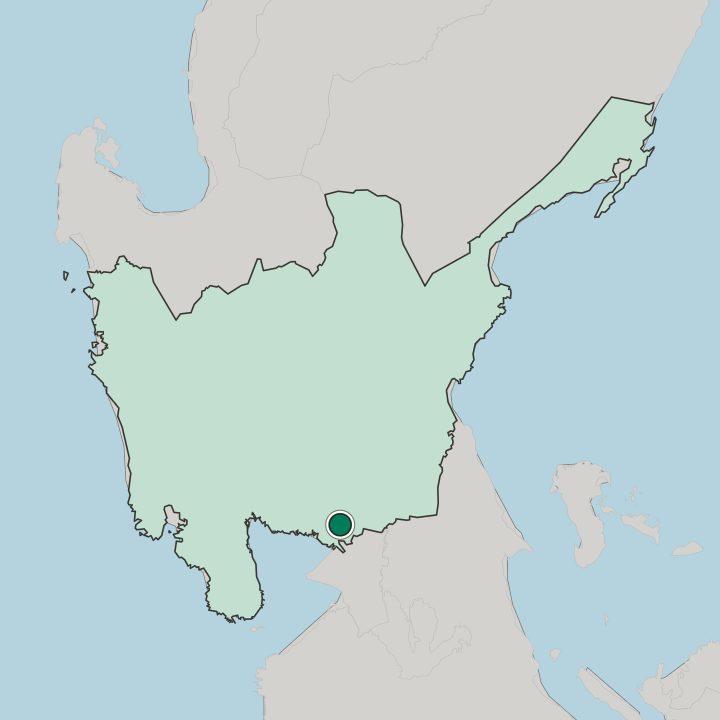
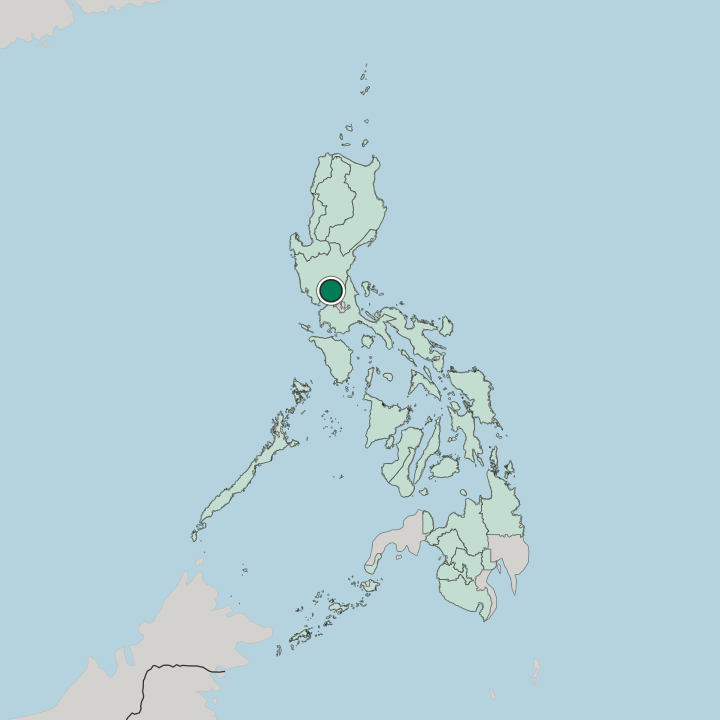
About 32 square kilometres make up Bocaue, which is a small footprint even by the standards of Bulacan. Central Luzon extends in every direction. A fluvial parade needs water, so the river that carries it is part of the town's geography even though the record names no mountain or coast alongside it.
It all sits in the tropics.
What is the climate of Bocaue?
Wet and dry, nothing else. Bulacan sits inside the tropical band, so the year in Bocaue is measured by rainfall rather than by temperature, and the difference between one month and the next is a matter of how many afternoons end in a downpour. The drier months are the easier ones.
The fluvial parade and the crowds at the Philippine Sports Center both belong to a calendar that rain, rather than cold, organises.
How do you get to Bocaue?
Bocaue is reached from the road. No station or airport appears in the record for the municipality, and travellers arrive on the highways that thread Bulacan and connect it to the rest of Central Luzon. The Philippine Sports Center draws the heaviest traffic.
Arriving on an event day means sharing the approach with everyone else bound for the same venue, which is the one timing question worth asking in advance.
Common questions
What is the best area to stay in Bocaue?
Around the National Shrine of the Divine Mercy: Pilgrimage stays at the National Shrine of the Divine Mercy in Bocaue. The Our Lady of Mount Carmel parish quarter: Ordinary Bocaue streets around Our Lady of Mount Carmel Parish Church. By the Philippine Sports Center: Nights tied to an event at the Philippine Sports Center.
Good for
More cities in Central Luzon
Updated September 2026