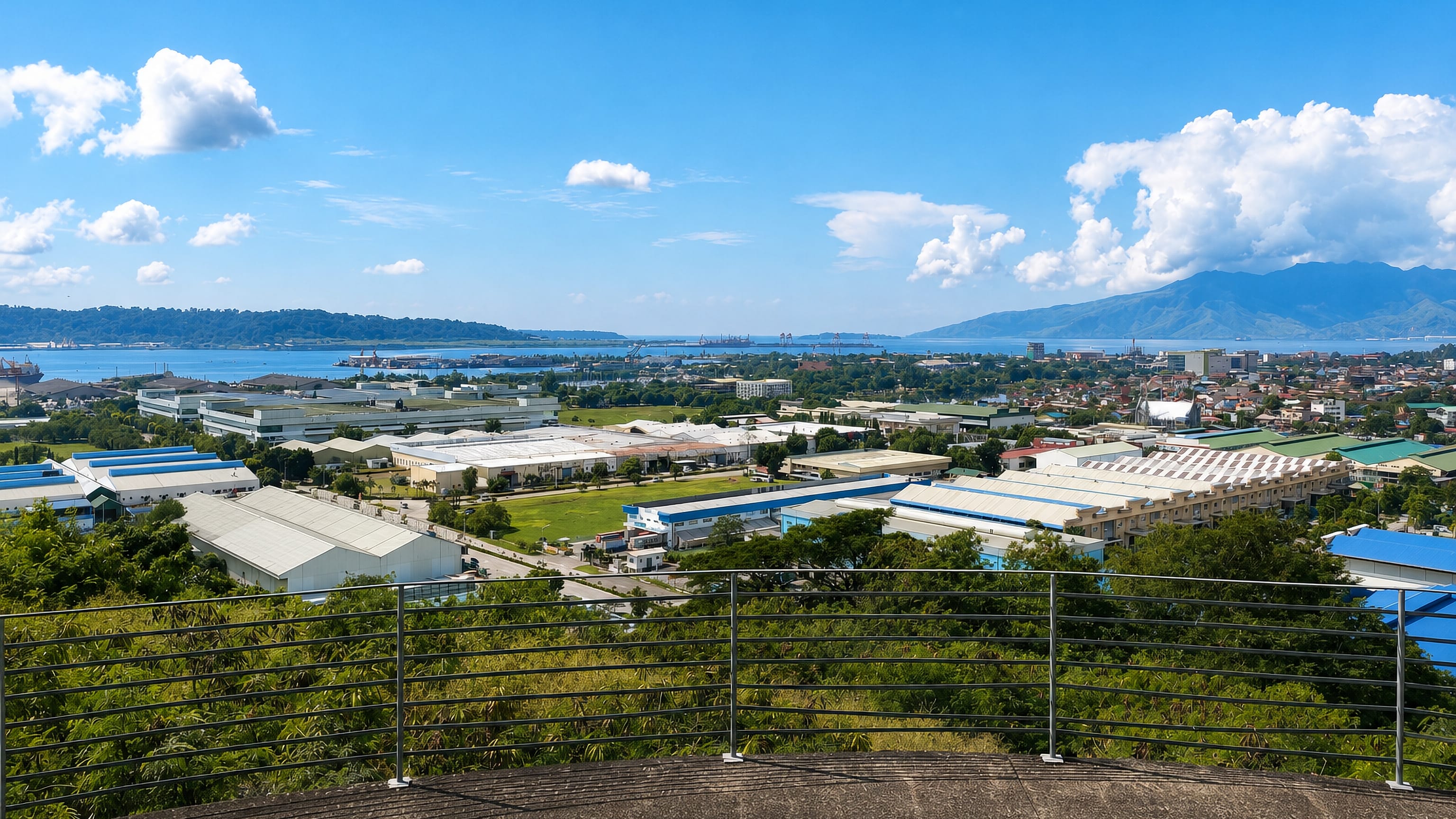
Philippines · Central Luzon
Where to Stay in Olongapo, Central Luzon
Olongapo is a city in Zambales, in Central Luzon, and the Subic Bay Freeport beside it shapes the working life here.
Hotel links are affiliate links: booking through them may earn us a commission, at no extra cost to you. It never affects how places are ranked. How this works


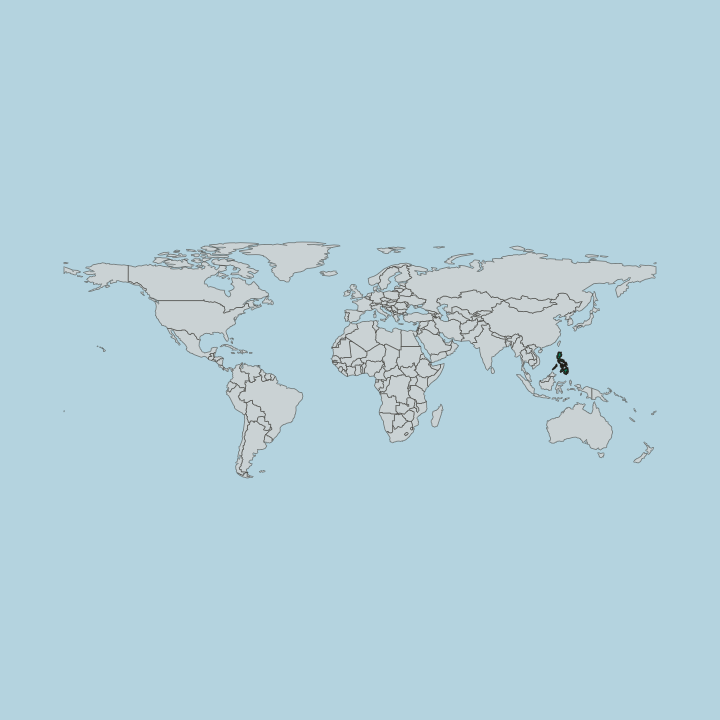
Where to stay in Olongapo
Where visitors usually base themselves, and why.
Beds here answer to the Subic Bay Freeport. Olongapo runs as an ordinary working city in Zambales, and the practical division for a visitor is between rooms in the built-up streets and rooms placed for quick movement into the freeport alongside it. The city side keeps the everyday commerce of a highly urbanized place in Central Luzon, with markets, traffic and the business that comes with that.
Crossing from one to the other costs minutes, not a morning. A stay chosen for the zone trades some of that street texture for proximity to the gates that draw most arrivals to this corner of Zambales in the first place. Subic Bay is the other axis.
Rooms turned toward the water carry a different day from the ones on the inland streets, and the choice between them is really a choice about whether the bay or the city's own commerce matters more on a given trip. Olongapo has been settled since 1750, and the ground the City of Olongapo grew from sits away from the freeport entrances. That older ground is lightly marked.
You suit this base if the freeport, Subic Bay, or business in Central Luzon is the object, and if you would rather sleep in a working Philippine city than in an enclave detached from one.
Find hotels in Olongapo
Direct booking searches for these neighbourhoods.
Subic Bay Freeport gates
The streets closest to the Subic Bay Freeport entry, where the zone rather than Olongapo sets the shape of the day.Find hotels in Subic Bay Freeport gatesMarkets and everyday trade inside the City of OlongapoOlongapo built-up core
The dense streets of the City of Olongapo, carrying the ordinary commerce of a highly urbanized Zambales city.Find hotels in Olongapo built-up coreRooms turned toward Subic Bay itselfSubic Bay water side
Frontage facing Subic Bay, where the water rather than freeport traffic decides what a room looks out on.Find hotels in Subic Bay water sideQuieter ground where Olongapo meets provincial ZambalesZambales inland margin
The outer edge where the City of Olongapo gives way to provincial Zambales, well back from the freeport gates.Find hotels in Zambales inland marginHotel links are affiliate links: booking through them may earn us a commission, at no extra cost to you. It never affects how places are ranked. How this works
About Olongapo
Subic Bay Freeport, first of all.
What is Olongapo known for?
Olongapo is known across Central Luzon for the freeport that sits beside it, and visitors arriving in Zambales generally come for that adjoining zone rather than for a monument inside the city itself. The city is highly urbanized. It is officially the City of Olongapo, and the settlement is much older than the freeport that gave the place its present reason for being.
What are the main landmarks in Olongapo?
The freeport carries the sights. Olongapo's landmark list is short by the standards of older Philippine towns, and what visitors name is the Subic Bay Freeport beside the city rather than a church, a fort or a plaza inside it. Subic Bay itself is the second.
The bay gives the freeport its name, and the water and the zone's grounds together stand in for the monuments another city of this size in Central Luzon would list.
What is the history of Olongapo?
Settlement here goes back to 1750. That founding date places Olongapo more than two centuries ahead of the Subic Bay Freeport that now organises its working life, and well before the administrative frame of Central Luzon under which the city is counted. The written record is sparse.
What the standard account carries is the founding year, the name that became the City of Olongapo, and the long tie to Zambales, rather than a run of dated events a visitor could trace street by street. City status came later. Olongapo is classed as a highly urbanized city, a Philippine category that sets it apart administratively from the province around it, and its official name is the City of Olongapo.
Zambales still frames it. The later history of the place is largely the history of the freeport beside it, which drew a provincial settlement in Central Luzon into the traffic of a wider region. Subic Bay gave the freeport its name.
That association, more than any single building, is what an outside visitor recognises when the city is mentioned, and it is why Olongapo is named at all outside Zambales.
Where is Olongapo?
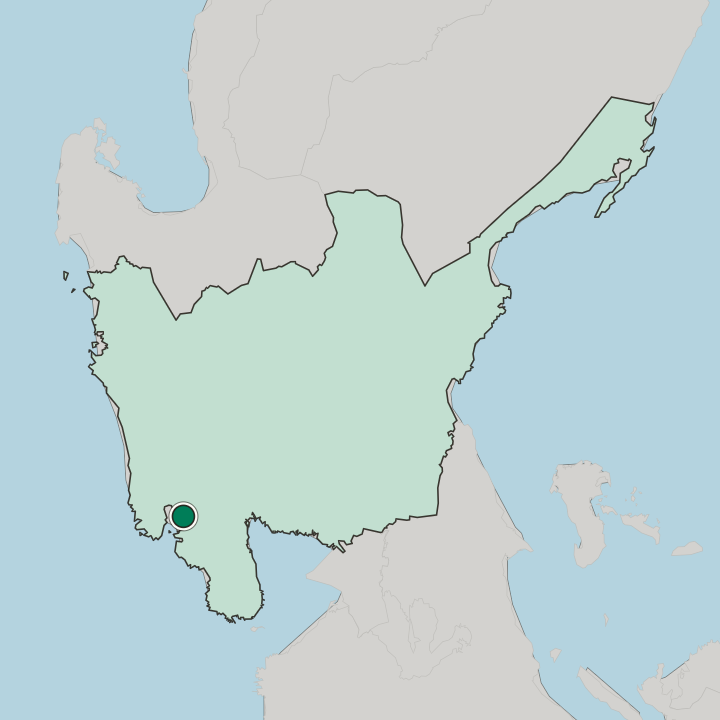
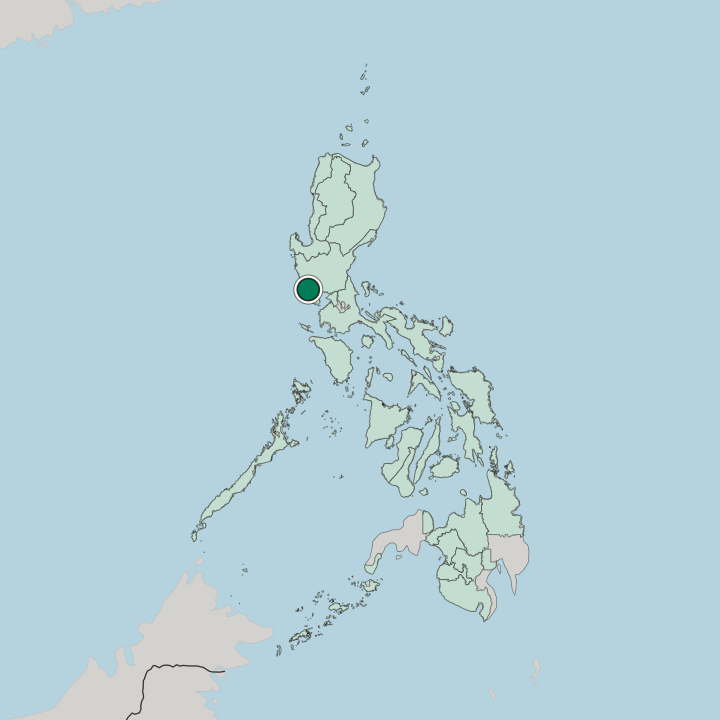
About 185 square kilometres of Zambales fall inside the city limits, which makes Olongapo a large unit by the standards of a single Philippine city and gives it ground well beyond the built-up streets. All of that ground is tropical. Central Luzon is the wider region it answers to, while the Subic Bay Freeport occupies ground immediately next to the city, so the map around Olongapo divides between provincial territory and a separately administered zone.
What is the climate of Olongapo?
The tropics set the calendar. Olongapo sits in the tropical band north of the equator, which means the year divides into wet and dry stretches rather than into the four seasons that visitors from cooler countries plan around. Temperatures barely move across Olongapo's calendar.
Rain, not temperature, is what shifts through the year in this part of Zambales, so the practical question for a trip to Olongapo is which stretch of the wet season it falls in rather than how cold the mornings will be.
How do you get to Olongapo?
Road access does the work. Olongapo connects overland to the rest of Central Luzon, and the Subic Bay Freeport beside the city forms the other point of arrival, since traffic bound for the zone uses the same approaches the city does. The gates matter here.
Anyone arriving from elsewhere in Zambales, or from further out in the Philippines, most often covers the distance by road, so the approach into Olongapo is worth more planning than the last stretch inside it.
Common questions
What is the best area to stay in Olongapo?
Subic Bay Freeport gates: Early starts through the Subic Bay Freeport entrances. Olongapo built-up core: Markets and everyday trade inside the City of Olongapo. Subic Bay water side: Rooms turned toward Subic Bay itself. Zambales inland margin: Quieter ground where Olongapo meets provincial Zambales.
More cities in Central Luzon
Updated October 2026