Philippines · Central Luzon
Where to Stay in Bulacan, Central Luzon
Bulacan the town, Bulacan the province. The municipality of Bulakan shares a name with the province around it and was once its capital.
Hotel links are affiliate links: booking through them may earn us a commission, at no extra cost to you. It never affects how places are ranked. How this works


Where to stay in Bulacan
The practical side of choosing where to sleep.
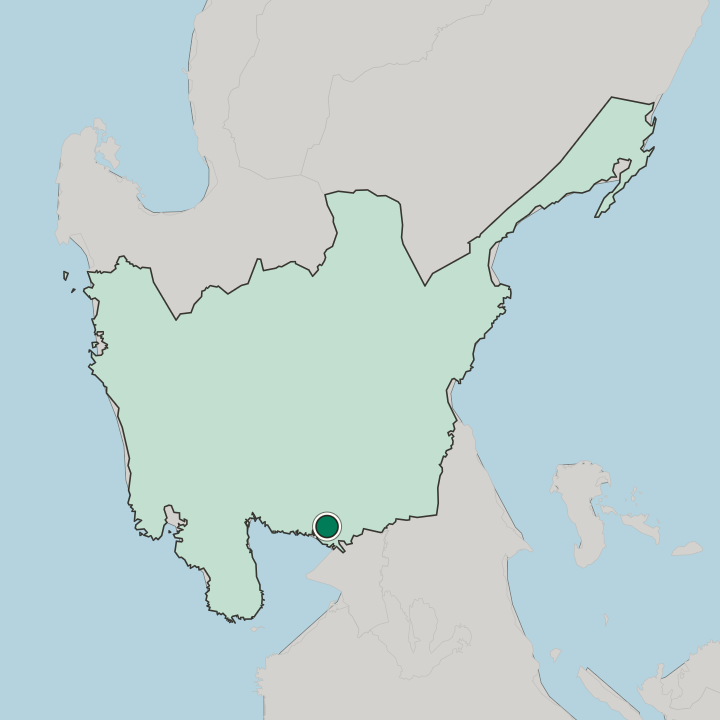
Bulakan is the quiet option. Roughly 73 square kilometres of the province carry the municipal name, and a stay here trades the traffic of the neighbouring towns for a place that has kept its monuments rather than its through-routes. Taliptip is the exception to that.
The New Manila International Airport is recorded for the Taliptip area, which puts a large piece of infrastructure inside a municipality otherwise known for being calm, and a traveller choosing where to sleep in Bulakan will want to know which side of that they are on. Monuments cluster elsewhere. The Museum of Philippine Political History and the Marcelo H. del Pilar Shrine belong to the older part of town, well away from the ground at Taliptip.
Shared names complicate the search. The National Shrine of the Divine Mercy, the Philippine Sports Center and the Dr. Pio Valenzuela Museum appear on the registers of more than one municipality in this part of Bulacan, so a booking made on a landmark name alone can land in the wrong town. Check the municipality, not the monument.
Bulakan itself works best for a traveller who wants the revolutionary sites of the province without the highway noise that comes with the busier neighbours.
Find hotels in Bulacan
Direct booking searches for these neighbourhoods.
The old centre of Bulakan
The Museum of Philippine Political History and the colonial and revolutionary monuments Bulakan kept stand in this part of town, away from the highway traffic.Find hotels in The old centre of BulakanAnyone with business at the New Manila International Airport siteTaliptip
Taliptip is the part of Bulakan recorded as the site of the New Manila International Airport, which makes it the one corner of the municipality that is changing. Few places to stay nearby — book ahead.Find hotels in TaliptipTouring the shrines of Bulacan from a quieter baseThe Bulacan province side of town
Bulakan sits among the busier towns of Bulacan, so a room facing the province suits a route taking in the Marcelo H. del Pilar Shrine and its neighbours.Find hotels in The Bulacan province side of townHotel links are affiliate links: booking through them may earn us a commission, at no extra cost to you. It never affects how places are ranked. How this works
About Bulacan
Quiet is the local distinction.
What is Bulacan known for?
Bulakan sits apart from the neighbouring towns that turned into noisy thoroughfares on the Philippine highway network, and what it kept instead are monuments from its colonial and revolutionary past. It governed the province once. The Museum of Philippine Political History is the entry on its register that speaks most directly to that older role.
What are the main landmarks in Bulacan?
Six entries stand on the register. The Museum of Philippine Political History is the one that belongs distinctly to Bulakan, recording the political past of a town that once served as the capital of the province. Others are shared with the neighbours.
The Marcelo H. del Pilar Shrine, the National Shrine of the Divine Mercy, the Philippine Sports Center and the Birthplace of General Gregorio del Pilar Historical Landmark appear across more than one municipality of Bulacan, and the Dr. Pio Valenzuela Museum does the same.
What is the history of Bulacan?
No founding date sits on the record. What Bulakan carries instead is a role: it served as the capital of the province of Bulacan before that function moved elsewhere, and the monuments it kept from the colonial and revolutionary periods are the trace of that older importance. The province took the name with it.
Revolutionary biography runs through the town. The Marcelo H. del Pilar Shrine, the Birthplace of General Gregorio del Pilar Historical Landmark and the Dr. Pio Valenzuela Museum record three figures whose names belong to the same period of national history, and Bulakan shares those entries with the municipalities immediately around it. The Museum of Philippine Political History gathers the theme.
It is the register's most explicit statement that this was once a place where the province's politics was conducted. Taliptip points the other way. The New Manila International Airport is recorded for that area, which sets a piece of national infrastructure against a municipality whose reputation rests on being quieter than the highway towns beside it.
Roughly 73 square kilometres hold both. Bulakan has held its name and its monuments through every earlier change in the province of Bulacan, and the airport is the newest thing the record has to say about it.
Where is Bulacan?
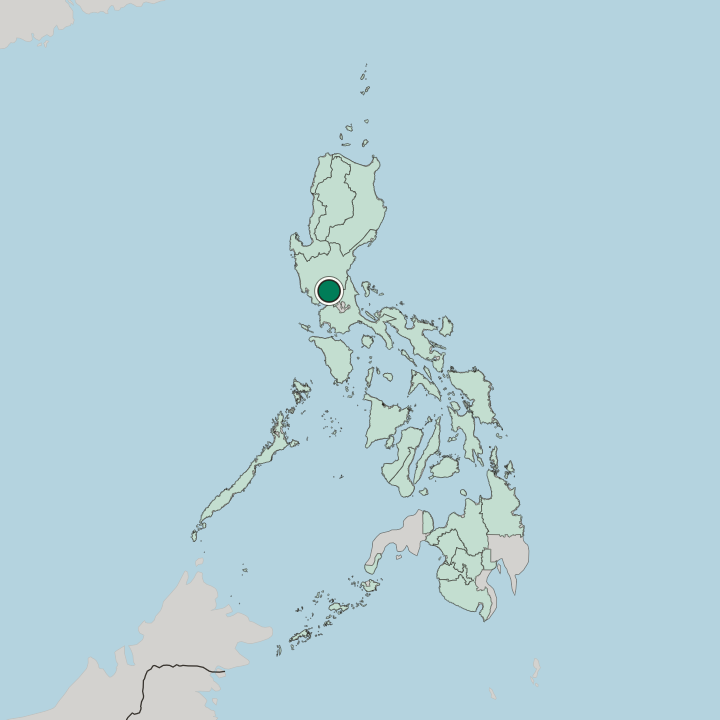
Roughly 73 square kilometres belong to the municipality, a good deal more ground than the built centre uses, and Taliptip lies at one end of it. Bulacan province wraps around the rest. Central Luzon is the region above that.
The New Manila International Airport is recorded for the Taliptip end, which means the municipal area holds an old monumental core and a very large modern site inside one tropical boundary.
What is the climate of Bulacan?
Rainfall writes the calendar here. Bulakan shares the tropical pattern of the whole of Bulacan, warm through the year and separated into wetter and drier stretches rather than into anything resembling four seasons. Monuments do not mind the rain.
An outdoor circuit of the Museum of Philippine Political History and the shrines is simply more comfortable in the drier half, and that is the only seasonal advice the geography supports.
How do you get to Bulacan?
Highways pass close, not through. The neighbouring towns of Bulacan carry the noisy thoroughfares of the Philippine highway network, which is precisely what keeps Bulakan quieter, and arrival means turning off one of those roads rather than following it. Taliptip sits at the other end.
The New Manila International Airport is recorded for that area of the municipality, which places an international arrival point inside the boundaries of a town known for being out of the way.
Common questions
What is the best area to stay in Bulacan?
The old centre of Bulakan: Walking to the Museum of Philippine Political History. Taliptip: Anyone with business at the New Manila International Airport site. The Bulacan province side of town: Touring the shrines of Bulacan from a quieter base.
More cities in Central Luzon
Updated September 2026