Philippines · Central Luzon
Where to Stay in Malolos, Central Luzon
Malolos is the capital of Bulacan in Central Luzon, the city of Barasoain Church and the Museum of Philippine Political History.
Hotel links are affiliate links: booking through them may earn us a commission, at no extra cost to you. It never affects how places are ranked. How this works


Where to stay in Malolos
Where visitors usually base themselves, and why.
The pull in Malolos is the ground around Barasoain Church, where the historic core gathers. Rooms there put the church and the Museum of Philippine Political History within a few minutes on foot, and the streets between them carry the civic buildings that come with a provincial capital. That is the whole point of staying here.
Bulacan runs its business from the same city, so the core is busy on weekdays and calmer once the offices close. Beyond the core the city loosens. Malolos covers about 67 square kilometres, and much of that is not walking country, so a room on the outskirts works for drivers and costs a transfer for everyone else.
The Marcelo H. del Pilar Shrine and the Birthplace of General Gregorio del Pilar Historical Landmark are worth building a day around. Plan the route before booking. Anyone here for the history of an independent Philippines will spend most of the visit inside the old centre, which argues for a bed close to Barasoain Church rather than out on the edges of Central Luzon.
Availability follows the provincial calendar rather than any tourist season.
Find hotels in Malolos
Direct booking searches for these neighbourhoods.
Barasoain Church core
Barasoain Church and the Museum of Philippine Political History stand within one walk of each other, which puts the whole Malolos record on a single stretch of street.Find hotels in Barasoain Church coreDrivers on the Bulacan run who want road access over walkabilityOuter Malolos
Away from Barasoain Church the city spreads over roughly 67 square kilometres of Bulacan, where rooms trade the historic core for easier parking and a quicker exit.Find hotels in Outer MalolosHotel links are affiliate links: booking through them may earn us a commission, at no extra cost to you. It never affects how places are ranked. How this works
About Malolos
Barasoain Church carries the name that made Malolos known.
What is Malolos known for?
The city served as the capital of an independent Philippines between the Spanish and American periods, and the Museum of Philippine Political History keeps that record in the same streets. Bulacan governs from here. The Marcelo H. del Pilar Shrine and the Birthplace of General Gregorio del Pilar Historical Landmark add two more names from the same era to a compact civic core.
What are the main landmarks in Malolos?
Four landmarks fix the Malolos register. Barasoain Church is the best known, and the Museum of Philippine Political History occupies the same historic ground, holding the record of the years when the city served as a national capital. Two shrines complete it.
The Marcelo H. del Pilar Shrine honours one del Pilar, the Birthplace of General Gregorio del Pilar Historical Landmark marks the other, and both belong to the same span of Philippine political history that Malolos is remembered for.
What is the history of Malolos?
No founding year appears in the record for Malolos. What the record gives instead is a role: the City of Malolos served as the capital of an independent Philippines in the interval between the Spanish and American occupations, and Barasoain Church is where that period is remembered. The church did a parliament's work.
Bulacan has kept its provincial seat here since, which layers an administrative history over the national one and explains the civic weight of the old centre. Two del Pilar names belong to the same era. The Marcelo H. del Pilar Shrine preserves the name it carries, while the Birthplace of General Gregorio del Pilar Historical Landmark marks a birthplace, and both sit within the city that briefly held the government.
The Museum of Philippine Political History gathers the documents. It stands in the same historic quarter and treats the national story directly rather than through the fabric of the buildings around it. Malolos remains a component city and the capital of Bulacan within Central Luzon, about 67 square kilometres of ground carrying a record out of proportion to its size.
Where is Malolos?
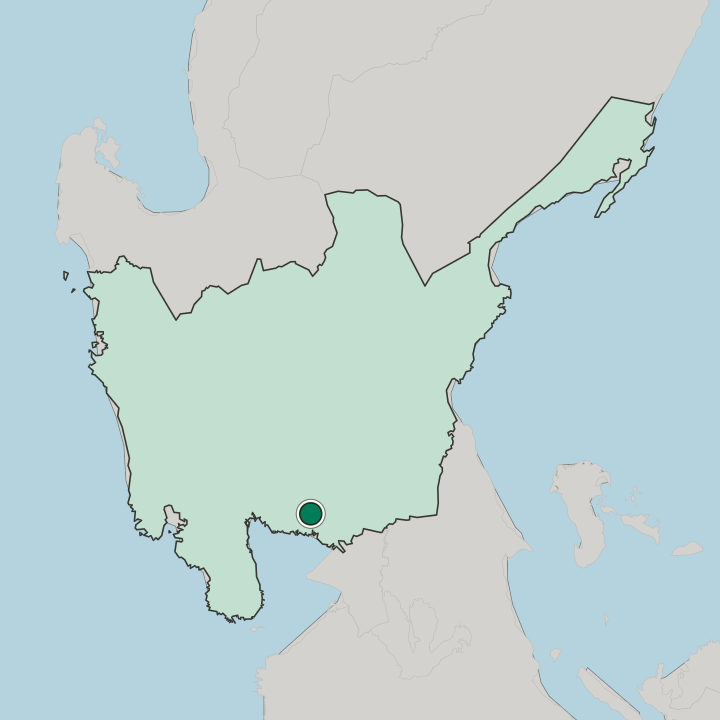
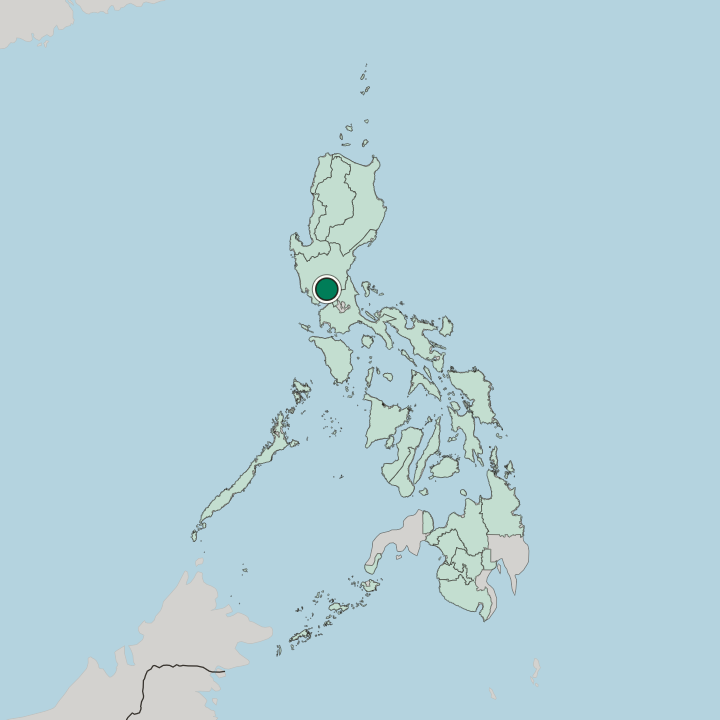
Malolos covers about 67 square kilometres of Bulacan. Central Luzon holds the province, and the city sits on low ground where the built core around Barasoain Church gives way to open land toward the edges. Bulacan sits deep in the tropics.
North of the equator the year turns on rain rather than temperature, and the flat country carrying the province's farms runs up against the streets of its capital without much of a transition.
What is the climate of Malolos?
Rain divides the Malolos year into two halves, and the wetter one presses hard on the low country of Bulacan, where water has nowhere steep to run. Heat holds throughout. The tropical band keeps temperatures within a narrow range from one month to the next, so a visit is planned around rainfall and around what the season does to the roads.
Barasoain Church shelters either way.
How do you get to Malolos?
Overland approaches serve Malolos. The city is the provincial capital of Bulacan, so the roads of Central Luzon that gather provincial traffic run into it, and arrivals come by road rather than by any other means the record names. Distances inside stay modest.
Barasoain Church, the Museum of Philippine Political History, and the civic buildings around them fall within one walk once a visitor reaches the old centre.
Common questions
What is the best area to stay in Malolos?
Barasoain Church core: History-first stays inside the Barasoain Church quarter. Outer Malolos: Drivers on the Bulacan run who want road access over walkability.
Good for
More cities in Central Luzon
Updated September 2026