Philippines · Central Luzon
Where to Stay in Tarlac City, Central Luzon
Tarlac City is the capital of the province of Tarlac, a working provincial centre on the long-distance routes through Central Luzon.
Hotel links are affiliate links: booking through them may earn us a commission, at no extra cost to you. It never affects how places are ranked. How this works


Where to stay in Tarlac City
Where visitors usually base themselves, and why.
Tarlac City sorts its rooms by purpose. As the economic and educational centre of the province of Tarlac, the city fills beds with people here for work, study or an overnight break in a journey rather than for sightseeing. The stopover trade shapes supply.
Rooms near where the long-distance buses pull in suit a night broken in transit, and that is the most common reason a visitor sleeps in the City of Tarlac at all. Nothing here is ceremonial. The city covers roughly 275 square kilometres.
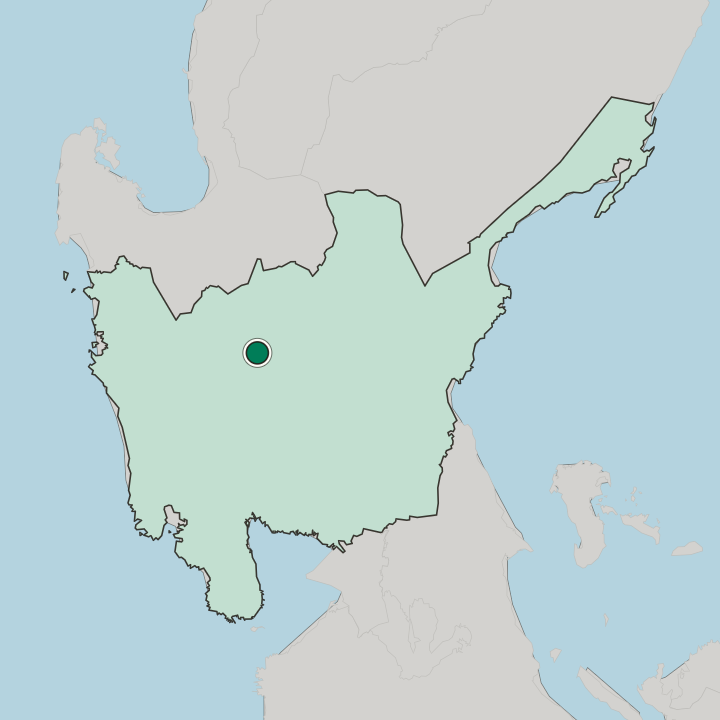
The boundary encloses far more than the built-up core, so a room on the outer roads means a drive rather than a walk into the working centre of Tarlac, and that trade is the main variable in an otherwise plain choice. Students account for the rest. Educational institutions draw a steady flow into the provincial capital, which keeps modest accommodation in demand through the year in a way tourism alone would not.
You suit Tarlac City if the reason is business in the province of Tarlac, a course of study, or a night off the road between the ends of Central Luzon.
Find hotels in Tarlac City
Direct booking searches for these neighbourhoods.
City of Tarlac core
The built-up middle of the City of Tarlac, where the economic business of the province is transacted.Find hotels in City of Tarlac coreA night broken on the Central Luzon bus runBus stopover side
The part of Tarlac City where long-distance services pull in, useful for an early departure onward.Find hotels in Bus stopover sideStays tied to Tarlac City's schools and collegesEducational quarter
The ground serving the city's role as the educational centre of the province of Tarlac.Find hotels in Educational quarterSpace and parking on the edge of the City of TarlacOuter city roads
The wide outer share of a 275-square-kilometre city, where a vehicle replaces the walk into the centre.Find hotels in Outer city roadsHotel links are affiliate links: booking through them may earn us a commission, at no extra cost to you. It never affects how places are ranked. How this works
About Tarlac City
A capital that works.
What is Tarlac City known for?
Tarlac City is the economic and educational centre of the province of Tarlac, which gives it a role in Central Luzon well beyond what its short list of sights would suggest. Buses stop here. Long-distance services break their journeys in the city, and for many travellers that pause is all they ever see of the City of Tarlac rather than a night spent in it.
What are the main landmarks in Tarlac City?
Sights are few. Tarlac City carries no signature monument, and the standard description of it is a provincial capital with little in the way of things to see rather than a destination with a checklist. The function is the interest.
What the City of Tarlac holds instead is the economic and educational apparatus of its province, which is a different proposition from a landmark but the honest description of what a visitor finds in Central Luzon here.
What is the history of Tarlac City?
The town dates from 1788. That places the beginnings of Tarlac City in the closing decades of the eighteenth century, well before the province it is now the capital of took the administrative shape it has in Central Luzon. Capital status followed.
The City of Tarlac became the seat of the province of Tarlac, and that role, more than any single event, explains why the city grew into the economic and educational centre it is rather than remaining one town among the province's many. The city classification came later. Tarlac City is a first-class component city, a rank used in the Philippines that reflects the scale of its administration rather than any change in the settlement founded in 1788.
Highways account for the rest. Its position on the long-distance routes through Central Luzon turned the provincial capital into a stopover, and the traffic that passes through has shaped the place as much as anything built inside it. Little of that is monumental.
The result is a working city of roughly 275 square kilometres whose history is legible in its institutions and its road links rather than in a preserved quarter.
Where is Tarlac City?
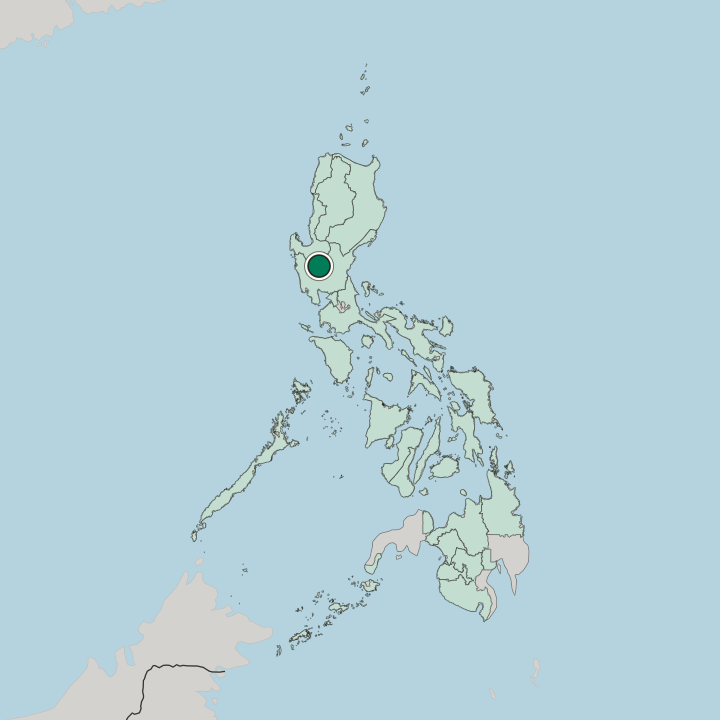
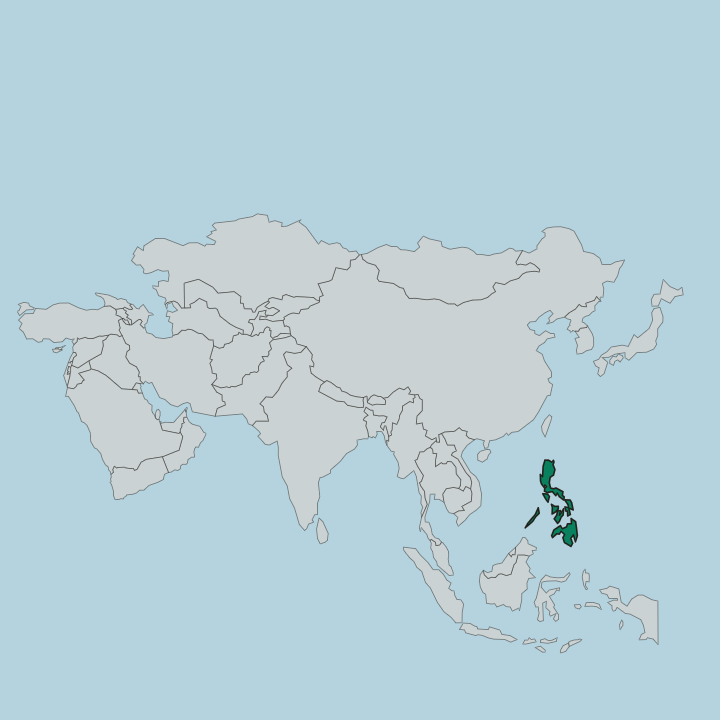
Roughly 275 square kilometres make up the city, which is generous ground for a provincial capital and leaves the built-up centre a modest share of the whole. The tropics cover it. Tarlac City sits in the northern hemisphere within Central Luzon, with the rest of the province of Tarlac around it, so the city functions as the fixed point of its own province rather than as an outpost of anywhere else.
What is the climate of Tarlac City?
Heat, then rain, then heat again. Tarlac City lies north of the equator inside the tropical band, so its year is organised by wet and dry stretches, and a visit in the wetter half means planning around downpours rather than around cold. The province shares the pattern.
Nothing about the weather singles Tarlac out within Central Luzon, which matters mainly because a stopover here is an indoor proposition when the rain is heavy and an unremarkable one when it is not.
How do you get to Tarlac City?
Buses define the arrival. Tarlac City works as a stopover on long-distance bus routes, which makes road transport the ordinary way in and the schedule of those services the thing that decides when a traveller reaches the provincial capital. Central Luzon lies all around.
Journeys to the City of Tarlac come overland from elsewhere in the region, and the city's position on those routes is precisely why it appears in itineraries that have no other reason to include the province of Tarlac.
Common questions
What is the best area to stay in Tarlac City?
City of Tarlac core: Walking distance to the provincial capital's offices. Bus stopover side: A night broken on the Central Luzon bus run. Educational quarter: Stays tied to Tarlac City's schools and colleges. Outer city roads: Space and parking on the edge of the City of Tarlac.
More cities in Central Luzon
Updated September 2026