Philippines · Central Luzon
Where to Stay in Cabanatuan City, Central Luzon
Cabanatuan City is a commercial centre of Nueva Ecija in Central Luzon, founded in 1750 in the rice country of the Philippines.
Hotel links are affiliate links: booking through them may earn us a commission, at no extra cost to you. It never affects how places are ranked. How this works


Where to stay in Cabanatuan City
The practical side of choosing where to sleep.
Beds in Cabanatuan City gather around the commercial core, where the markets of the Rice Granary's former capital do their business. This is a working city first. A room in that core puts the trading streets, the transport stands, and the everyday commerce of Nueva Ecija within a short walk, which suits anyone here for business or breaking a long drive across the province.
Mornings start early around the markets. The outer stretches are a different proposition. Cabanatuan covers about 192 square kilometres, so a good deal of the city is farmland and low-density ground rather than street frontage, and rooms out there trade walking distance for easier road access.
Drivers usually prefer them. Nothing in the city is catalogued as a landmark, which means the choice of base turns on convenience rather than on views or on proximity to a monument, and the honest advice is to stay where the routes suit the next day's plan. Cabanatuan works as a stop rather than a destination, a place to sleep between the farms of Nueva Ecija and the rest of Central Luzon.
Book the core if the plan involves the markets.
Find hotels in Cabanatuan City
Direct booking searches for these neighbourhoods.
Cabanatuan commercial core
The commercial core of Cabanatuan runs the buying and selling that built the city, so a bed here sits inside the working part of Nueva Ecija's largest market town.Find hotels in Cabanatuan commercial coreOne-night stops for drivers routing through Nueva EcijaOuter Cabanatuan
Beyond the core, Cabanatuan spreads over roughly 192 square kilometres of farmland and low-density ground, so rooms out here trade walking distance for road access.Find hotels in Outer CabanatuanHotel links are affiliate links: booking through them may earn us a commission, at no extra cost to you. It never affects how places are ranked. How this works
About Cabanatuan City
Rice made the reputation.
What is Cabanatuan City known for?
Cabanatuan once held the capital of the province the Philippines called its Rice Granary, and the city grew as the market town at the centre of that farming country rather than as a stop for travellers. Trade still sets the tone. The city works as a secondary commercial centre for Central Luzon, with the business of buying, selling, and moving goods filling streets that carry no catalogued landmark at all.
What are the main landmarks in Cabanatuan City?
The register lists no landmark for Cabanatuan City. Nothing monumental has been catalogued inside the city, and the interest of the place runs instead through its markets, its commercial streets, and the farming country of Nueva Ecija that feeds them. Rice is the monument here.
Travellers who need built attractions will find them elsewhere in Central Luzon, while Cabanatuan holds a working city that trades on the province's harvest rather than on its architecture.
What is the history of Cabanatuan City?
Cabanatuan carries 1750 as its founding year. A settlement in the rice country of Nueva Ecija dates from that year, and the town that grew on the site took its place as the provincial capital of the country the Philippines called its Rice Granary. The capital moved later.
Cabanatuan kept the commerce that the role had built, which is why the city still works as a secondary commercial centre for Central Luzon rather than as an administrative one. Rice explains the rest. The harvest of Nueva Ecija passed through the city's markets and warehouses, and that trade shaped the street pattern, the size of the built area, and the kind of business that fills it.
The City of Cabanatuan is a component city. Status of that kind keeps a place inside its province rather than independent of it, so the provincial seat and the commercial weight of Cabanatuan City no longer share one address. Spread is part of the story too.
The city covers about 192 square kilometres, a wide frame for a place of this kind, and that extent reflects the farmland folded inside the city limits as much as the built-up core that grew from the market.
Where is Cabanatuan City?
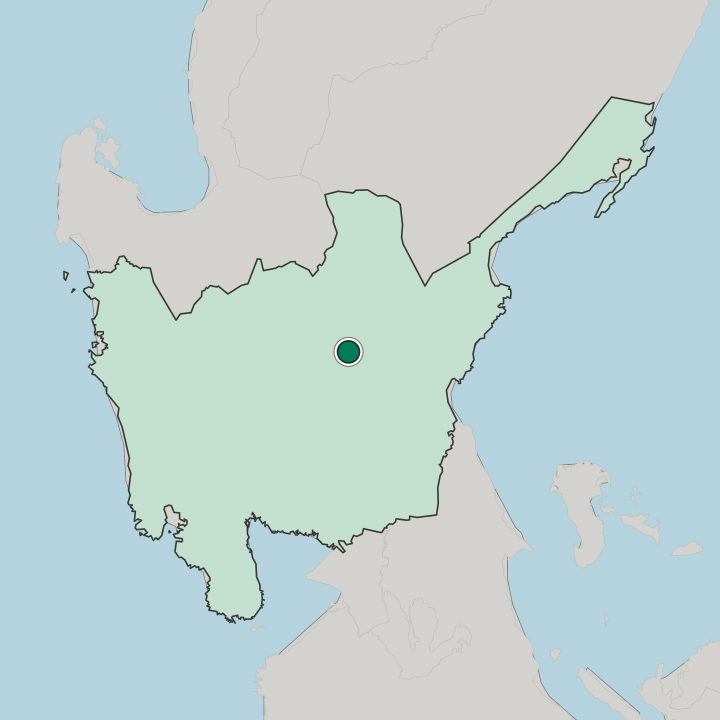
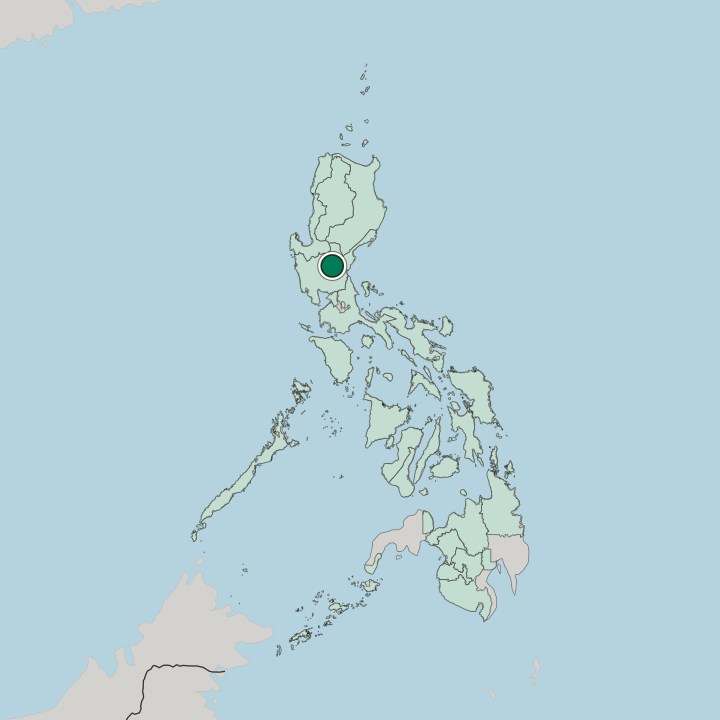
Cabanatuan City spreads across about 192 square kilometres of Nueva Ecija. Central Luzon takes its name from the island of Luzon, and the city sits within that region on the lowland farming country the province's rice depends on. The tropics run through it.
North of the equator the year splits by rainfall, and the same ground that carries the harvest also carries the roads and the market streets that make up the built part of the city.
What is the climate of Cabanatuan City?
Rain runs the rice calendar of Nueva Ecija, and Cabanatuan works to the same schedule, with the wet months filling the paddies and the drier ones clearing the roads that carry the crop into the city. Warmth never lets up. Temperatures hold through the year inside the tropical band, so the seasons here are counted in water rather than in degrees.
Central Luzon shares the pattern.
How do you get to Cabanatuan City?
Whatever reaches Cabanatuan City comes in on a highway. The city functions as a secondary commercial centre for Central Luzon, and the routes serving the farms of Nueva Ecija converge on its markets, bringing freight and passengers along the same lines. Arrival means a road journey.
Once inside, the commercial core is compact enough to cross on foot, though the outer reaches of a city this wide need wheels.
Common questions
What is the best area to stay in Cabanatuan City?
Cabanatuan commercial core: Traders and buyers working the markets of the Rice Granary's former capital. Outer Cabanatuan: One-night stops for drivers routing through Nueva Ecija.
More cities in Central Luzon
Updated September 2026