Philippines · Central Luzon
Where to Stay in Gapan, Central Luzon
Cabanatuan takes the attention. Gapan, a component city in Nueva Ecija, keeps the heritage sites and the trade of the province's southern half.
Hotel links are affiliate links: booking through them may earn us a commission, at no extra cost to you. It never affects how places are ranked. How this works


Where to stay in Gapan
Where the beds are, and what that means for the visit.
Gapan is the southern base. Anyone working through the lower half of Nueva Ecija will find the trade of that area concentrated here rather than in the smaller towns beside it, and a room in the city puts the errands and the shrine within the same short radius. The shrine is the fixed point.
The National Shrine of Virgen La Divina Pastora is what most visitors come to see, and a bed near it means the visit takes an hour instead of a morning, which matters in a city spread across 118 square kilometres. Cabanatuan is the alternative. A traveller covering the whole of Nueva Ecija may prefer to base there and treat Gapan as a day's detour, though that reverses the logic for anyone whose interest is the shrine itself.
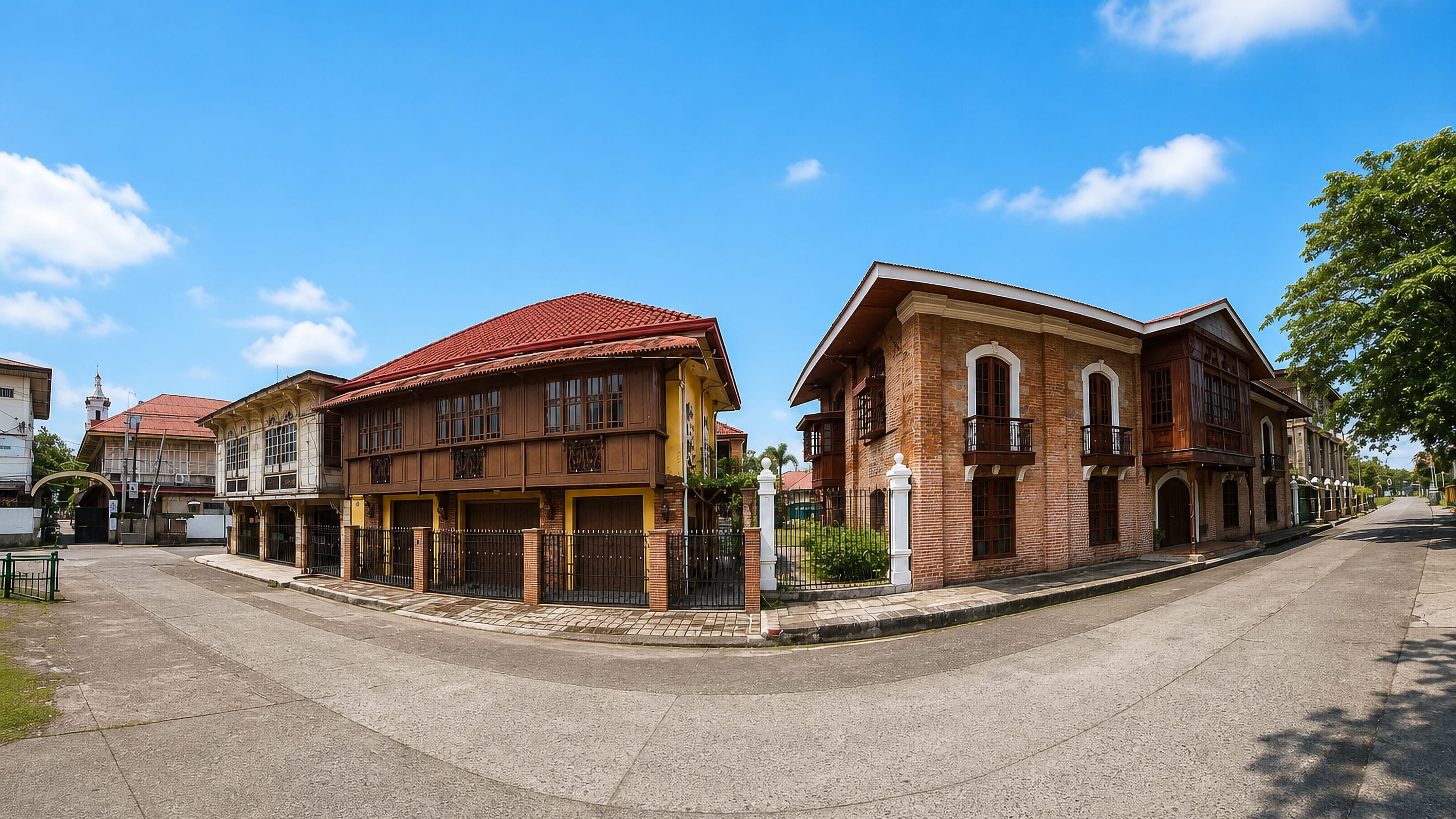
Founding runs back to 1732. Three centuries of settlement left the heritage sites the record credits Gapan with, and they sit in the older streets rather than out along the roads that carry traffic toward Cabanatuan and the rest of Central Luzon. Choose the centre for the heritage.
The outskirts suit a driver.
Find hotels in Gapan
Direct booking searches for these neighbourhoods.
Beside the National Shrine of Virgen La Divina Pastora
The National Shrine of Virgen La Divina Pastora is the one landmark recorded for Gapan, and a room beside it removes the drive across 118 square kilometres.Find hotels in Beside the National Shrine of Virgen La Divina PastoraReaching the heritage sites of Gapan on footThe old trading centre of Gapan
The heritage sites and the trade that makes Gapan the economic centre for the lower part of Nueva Ecija occupy the same older streets.Find hotels in The old trading centre of GapanCovering the whole of Nueva Ecija from a larger baseCabanatuan, up the road
Cabanatuan lies to the north and carries more of the province's weight, which suits a traveller treating Gapan and its shrine as one stop on a longer route.Find hotels in Cabanatuan, up the roadHotel links are affiliate links: booking through them may earn us a commission, at no extra cost to you. It never affects how places are ranked. How this works
About Gapan
One shrine carries the register.
What is Gapan known for?
The National Shrine of Virgen La Divina Pastora is the single entry recorded for Gapan, which is a thin list for a city founded in 1732 and long established as the trading centre of its part of Nueva Ecija. Cabanatuan lies to the north. Its size has kept Gapan out of the headlines without taking away the heritage sites the city retained.
What are the main landmarks in Gapan?
One name fills the list. The National Shrine of Virgen La Divina Pastora is the only entry recorded for Gapan, and its national designation makes it the reason a visitor from outside Nueva Ecija would make the turn off the highway at all. Heritage sites survive beyond it.
The record credits the city with several, without naming them, which leaves the shrine as the single address a first visit can be planned around.
What is the history of Gapan?
The record opens in 1732. Gapan has been a settled place since the first third of the eighteenth century, which gives it nearly three centuries of continuous record and accounts for the heritage sites that survive. Trade came with age.
The city grew into the economic centre for the lower part of Nueva Ecija, a role the sources still assign to it. Cabanatuan changed the balance. The larger city to the north drew attention away from Gapan, and the sources describe it as overshadowed, though the trade of the province's southern half never moved.
City status came in its own right. The City of Gapan is a component city, governed within Nueva Ecija rather than independently of it. The National Shrine of Virgen La Divina Pastora carries the devotional thread through all of it, a national designation attached to a city that the wider country hears little about.
Roughly 118 square kilometres carry the city name. Central Luzon holds the whole arrangement, and the history of Gapan is finally the history of a provincial trading town that kept its shrine and its heritage while a bigger neighbour took the traffic.
Where is Gapan?
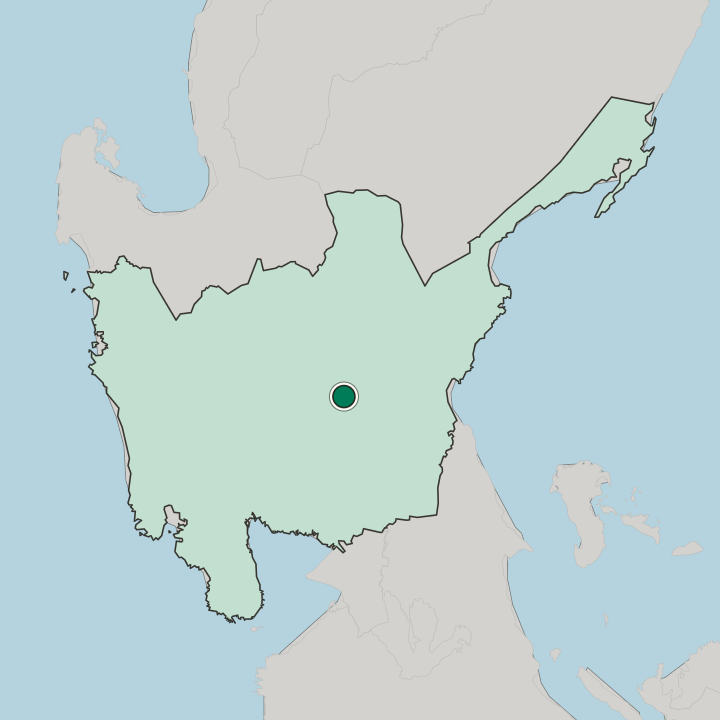
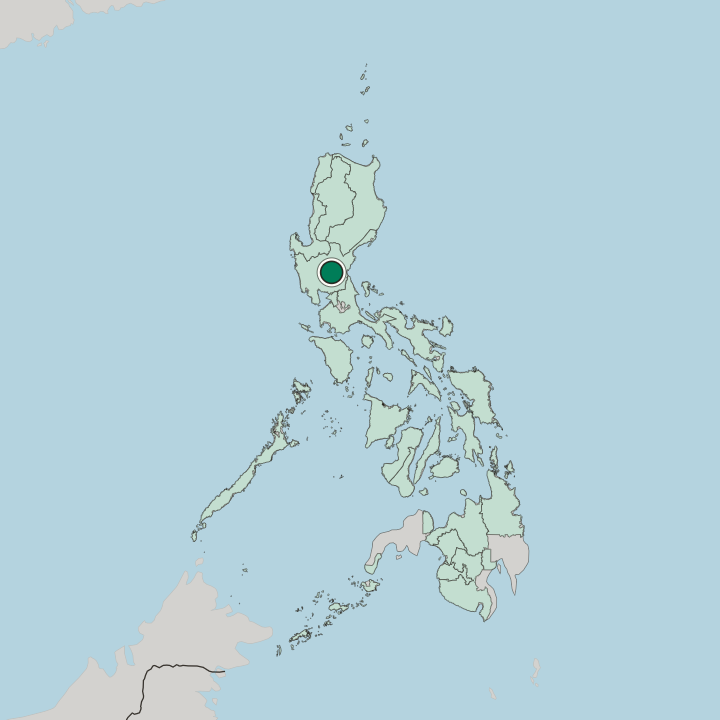
Nueva Ecija is the province, Central Luzon the region, and Gapan holds 118 square kilometres inside both. Cabanatuan sits to the north. That much ground gives the city farmland as well as streets, and the built part of Gapan is only a fraction of what the municipal boundary encloses across the lower part of Nueva Ecija.
Tropical air covers all of it.
What is the climate of Gapan?
Gapan stays hot the year round. Nueva Ecija lies well inside the tropical band, so what changes across the year in Gapan is rainfall rather than temperature, and the wet stretch is heavy enough to reshape a travel plan. Dry months make the visit simpler.
A trip to the National Shrine of Virgen La Divina Pastora, or a walk through the older streets, asks less of a visitor when the afternoons stay clear.
How do you get to Gapan?
Highways do the connecting. Gapan sits on the road network that ties the lower part of Nueva Ecija to the rest of Central Luzon, and no railway or airport appears in the record for the city. Cabanatuan is the onward stop.
Travellers heading deeper into the province pass through Gapan on the way, which is one reason its trading role outlasted the attention it lost.
Common questions
What is the best area to stay in Gapan?
Beside the National Shrine of Virgen La Divina Pastora: Visits centred on the National Shrine of Virgen La Divina Pastora. The old trading centre of Gapan: Reaching the heritage sites of Gapan on foot. Cabanatuan, up the road: Covering the whole of Nueva Ecija from a larger base.
More cities in Central Luzon
Updated September 2026