Philippines · Central Luzon
Where to Stay in Subic, Central Luzon
Subic is a municipality in Zambales Province, sharing its name and its bay with the larger neighbour Olongapo.
Hotel links are affiliate links: booking through them may earn us a commission, at no extra cost to you. It never affects how places are ranked. How this works


Where to stay in Subic
How the choice of base plays out on the ground.
Subic Bay decides most of it. Rooms on the water side of the municipality put the beach-related attractions within easy reach, and that shoreline is the reason most visitors choose Subic over a bed in Olongapo across the bay. The neighbour is close.
Sharing a bay with a larger and busier place means a stay in Subic can still draw on Olongapo, so the choice between them is less about distance than about which kind of day the trip is built around. Zambales runs behind it. Natural attractions pull inland.
Away from the Subic Bay frontage, the municipality keeps ground where the draw is landscape rather than sand, and a room there trades the shoreline for quiet at the cost of a short journey to the water. Three options, in effect. The list is short, so the decision comes down to the bay, the inland side, or proximity to Olongapo, and each of the three answers a different reason for coming to this part of Zambales.
You suit Subic if beaches, the natural attractions, or a quieter address on the same bay as Olongapo is what the trip needs.
Find hotels in Subic
Direct booking searches for these neighbourhoods.
Subic Bay shoreline
The Subic Bay water side, where the beach-related attractions that distinguish Subic from Olongapo sit.Find hotels in Subic Bay shorelineSplitting a stay between Subic and OlongapoOlongapo-facing side
The part of Subic nearest Olongapo, close enough to use the larger city on the same bay.Find hotels in Olongapo-facing sideNatural attractions set back from Subic BayInland Zambales ground
The landward part of the Zambales municipality, where landscape rather than sand is the reason to stay.Find hotels in Inland Zambales groundHotel links are affiliate links: booking through them may earn us a commission, at no extra cost to you. It never affects how places are ranked. How this works
About Subic
Beaches and the bay.
What is Subic known for?
Subic keeps beach-related and natural attractions of its own, which is the practical reason a visitor picks this side of the water rather than the larger neighbour that shares it. Olongapo takes the attention. The better-known city on Subic Bay draws the traffic and the headlines, and the Zambales municipality sharing the bay's name works as the quieter half of the pair.
What are the main landmarks in Subic?
One built landmark makes the list. The President Ramon Magsaysay House is the single structure the record names here, and everything else Subic draws visitors with is beach-related or natural rather than built. Water does the rest.
Subic Bay is shared with Olongapo, and the stretch of it belonging to this Zambales municipality carries the beaches and the natural attractions that visitors come for.
What is the history of Subic?
Documents on Subic's early years amount to little. Subic carries no recorded charter year, so its beginnings are read through the bay and the neighbour it shares rather than through a founding date. The name is the oldest clue.
Subic and Subic Bay carry the same name, and that shared naming ties the municipality to the water in a way no later administrative change has undone, since the bay remains the feature the place is identified by across Zambales. Zambales frames both. Olongapo grew larger.
The city on the same bay became the better-known of the two, and much of Subic's modern story is the story of sitting beside a neighbour whose name travels further. Municipal status stayed. Subic remains the Municipality of Subic within Zambales Province rather than a chartered city, a standing that keeps it administratively distinct from Olongapo even though the two share the same water and the same regional frame in Central Luzon.
Beaches came into the account later. What Subic is known for sits on the shore and in the country behind it, and that is the part of its history a visitor actually encounters.
Where is Subic?
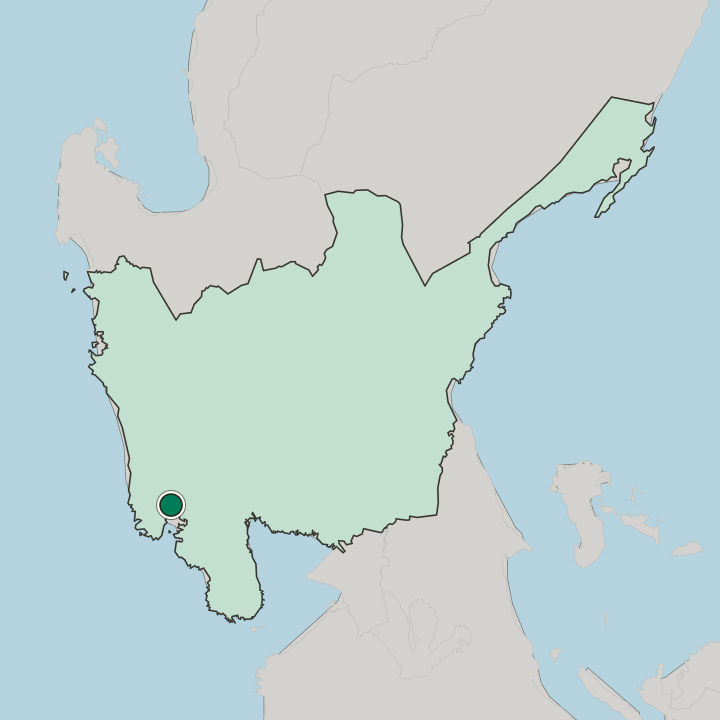
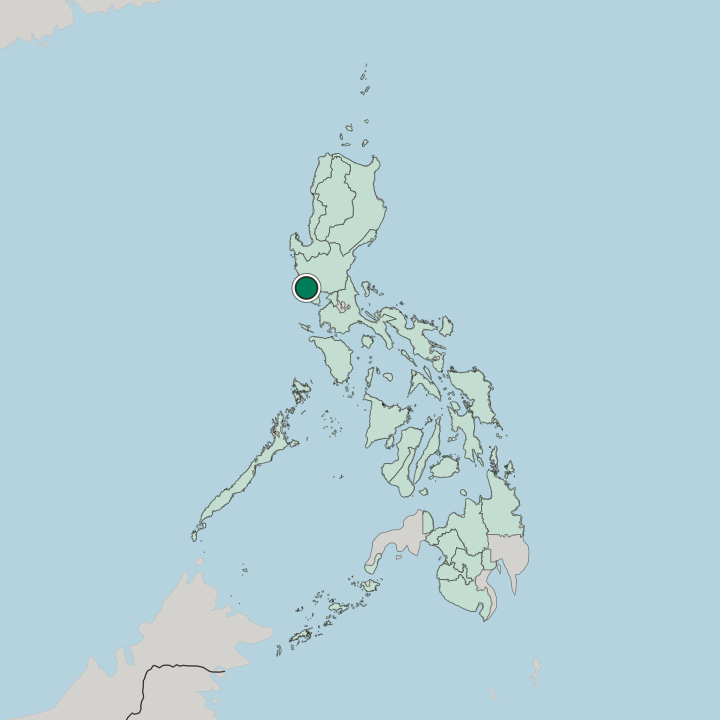
Water forms one boundary. Subic occupies part of the Zambales coast on Subic Bay, and the same bay continues to Olongapo, so the municipality's shoreline faces into a bay rather than the open sea. Central Luzon, a region of the Philippines, holds the wider frame.
Zambales Province holds the land behind it, and the natural attractions Subic is known for occupy that inland ground as much as the shore does.
What is the climate of Subic?
The bay shelters the shore. Subic Bay is enclosed water rather than open sea, and a sheltered shoreline of that kind makes the difference between a usable beach day and a wasted one more a question of rain than of wind off the Zambales coast. Rain, not wind, is what to watch.
Beach-related attractions run through the year in this part of Central Luzon, so trips to Subic are planned around wet and dry stretches rather than around any change of season the calendar marks.
How do you get to Subic?
Most routes pass the neighbour. Subic sits beside Olongapo on Subic Bay, and travellers reaching this part of Zambales generally arrive overland from the rest of Central Luzon, with Olongapo the reference point on the map. Distance is not the obstacle.
Once in Subic, the beaches and the natural attractions are spread across the municipality rather than gathered at one arrival point, so a vehicle matters more here than in a town where everything sits along a single street.
Common questions
What is the best area to stay in Subic?
Subic Bay shoreline: Beach days on the municipality's Subic Bay frontage. Olongapo-facing side: Splitting a stay between Subic and Olongapo. Inland Zambales ground: Natural attractions set back from Subic Bay.
Good for
More cities in Central Luzon
Updated September 2026